Best Bullet Smokers (2026): Sizes, Fuel and Buying Guide
Disclosure: We may earn a commission when you buy through links on this page, at no extra cost to you. As an Amazon Associate I earn from qualifying purchases. Learn more

Compare diameter, heat control and charcoal use to find the best bullet smoker for your patio.
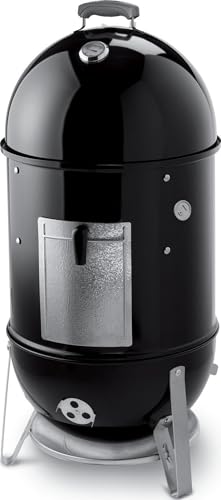
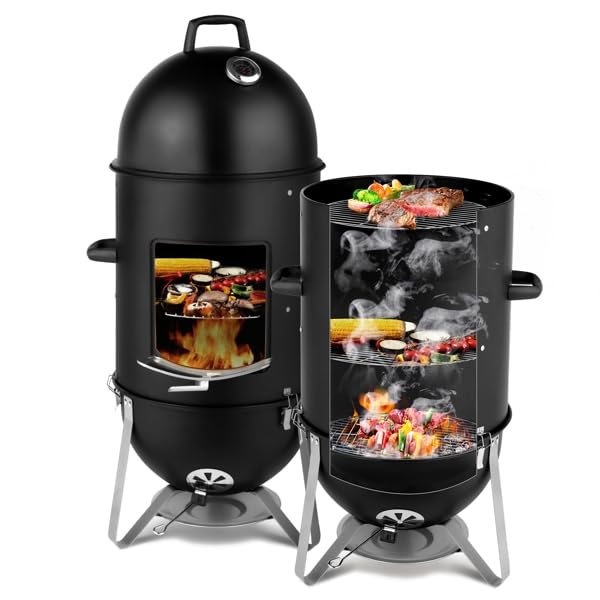
A bullet smoker earns its name from its tall, rounded shape, with a fire bowl at the bottom, a water pan in the middle, and cooking grates stacked above. That vertical layout takes little ground space while still feeding a family. Finding the best bullet smoker for your home comes down to diameter, how many people you cook for, and how much tending you enjoy. The product table above lists the models we compared.
This guide focuses on life at home rather than contest cooking, covering patio space, storage, fuel cost, and cleaning. If you are still weighing the wider category, start with our guide to the best smoker options, then return here once the bullet shape looks right for your yard.




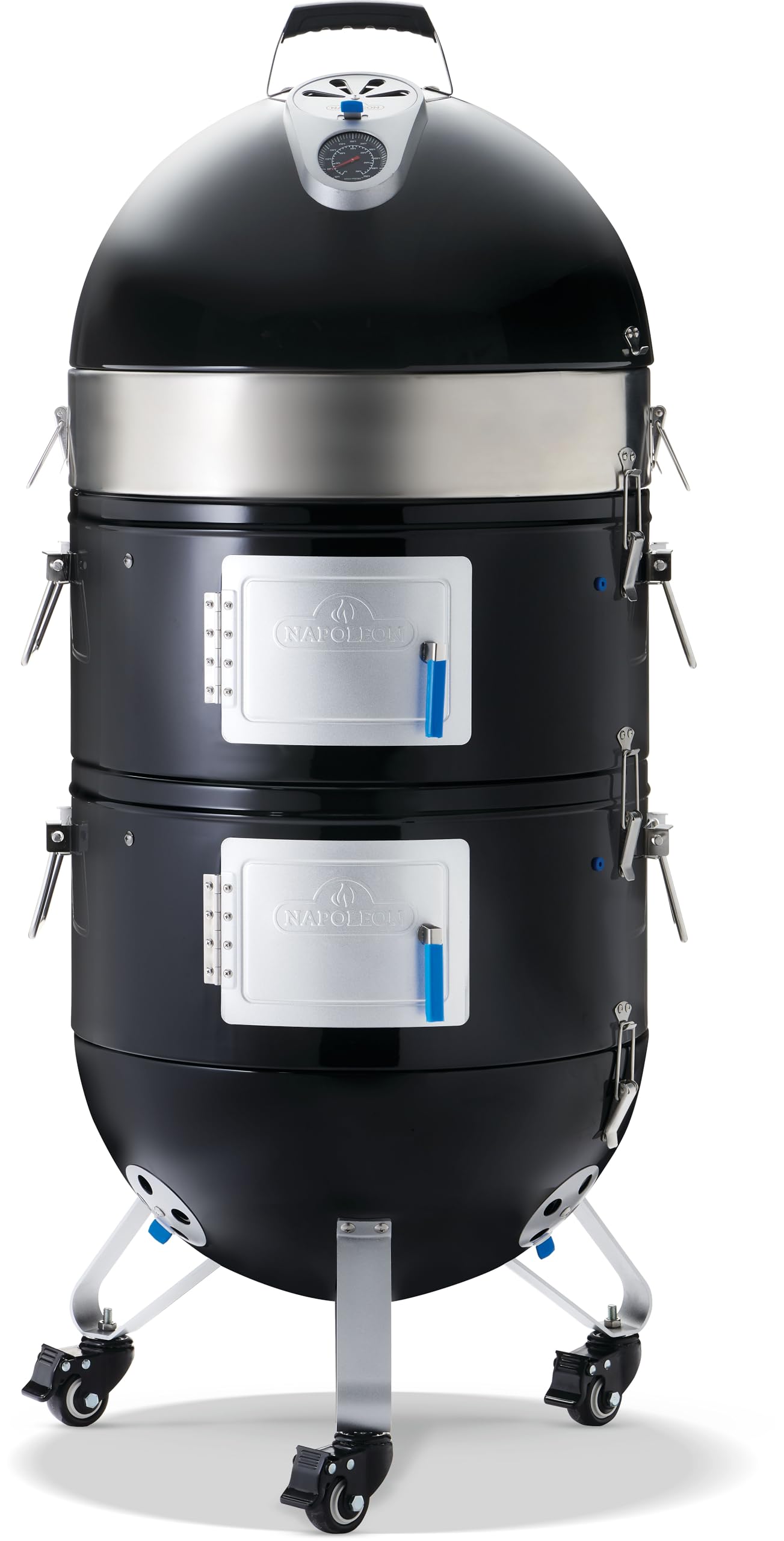
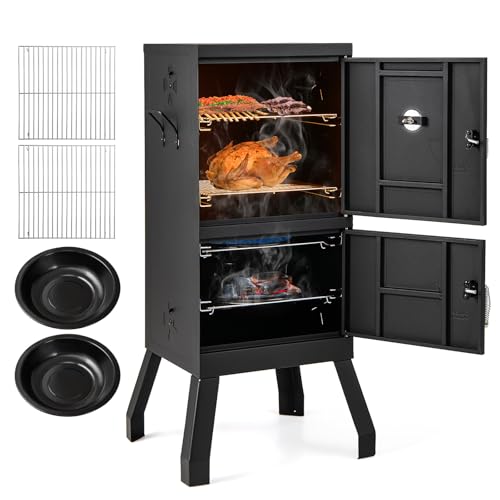
Quick Answer: Bullet Smoker Types in 30 Seconds
Most homes do best with a mid size charcoal bullet, about 18 inches across, because it holds a pork shoulder or two chickens yet still stores in a garage corner. Small patios and couples often prefer a compact model near 14 inches. Larger households should look at models near 22 inches, which offer more grate room but burn more charcoal and need more storage space.
Before You Buy: A Quick Checklist for Choosing a Smoker
Size: Match It to Your Space
Diameter drives everything with a bullet smoker. A compact model suits one or two people and fits a small patio, but whole racks of ribs may need cutting in half. A mid size model balances grate room and footprint for most families. A large model handles bigger gatherings, yet it weighs more, uses more fuel, and needs a wider storage spot. Measure your patio spot, your storage doorway, and any gate the smoker must pass through before you order, not after it arrives.
Which Type Fits Your Routine
Nearly all bullet smokers burn charcoal, and that is part of their appeal, because charcoal gives deep smoke flavor with simple parts and no cord or gas line. Your real choice is how much control help you want. Basic models rely on manual vents and reward attention. Models with better dampers, sealed doors, and added insulation hold heat with less fuss. If you would rather press buttons and walk away, our guide to the best smoker for beginners explains which formats suit a calmer first year of smoking.
Features Worth It and Ones to Skip
A few features genuinely help at home. An accurate lid thermometer is useful, but a port for probe cables matters more, because it lets you track meat and cooking temperature without lifting the lid. Sturdy handles, a door that seals well, and an ash pan you can empty without spills all save effort on every cook. A water pan is standard and worth keeping filled for steady heat. Skip decorative extras you will rarely touch, such as extra tool hooks or novelty finishes that add cost without improving a single meal.
Fuel Type and Running Cost
Charcoal is your main ongoing cost, and usage rises with smoker size, cook length, wind, and cold weather. A short chicken cook may use a single chimney of briquettes, while an overnight pork shoulder can take much more, plus extra to keep heat steady. Lump charcoal burns hotter and leaves less ash, while briquettes tend to burn longer and more evenly for most home cooks. Keep charcoal dry, because damp fuel lights poorly.
Cooking Area and Heat Output
Bullet smokers list cooking area in square inches across two or sometimes three grates, but usable space is smaller than the headline number, because food near the edge cooks faster and tall items need clearance below the lid. Heat output is rarely listed as a BTU figure for charcoal models, since heat depends on how much charcoal you light and how you set the vents. Judge heat control by damper quality and door fit instead. Gaps that leak air make temperature swings more likely on windy days.
Build Materials and Rust Resistance
Most bullet smokers use steel with either a porcelain enamel finish or a powder coat finish, and both can last for years when the coating stays intact. Thicker steel holds heat more steadily and resists dents, but it adds weight you will feel when you move the smoker for cleaning. Check the legs, grate supports, and door hinges closely, because thin parts there fail first. Touch up chips promptly with paint made for high heat, since bare steel rusts much faster than coated steel.
Realistic Budget Ranges
Budget bullet smokers at about $100 to $200 usually cook well but may have thinner steel, looser doors, and simpler thermometers. The middle band, about $200 to $400, is where most families find better seals, stronger grates, and parts that are easier to replace. Spending about $400 to $700 tends to buy thicker metal, better dampers, and added insulation rather than more cooking space. Above that level you are paying for specialty builds, so weigh the gain against how often you plan to smoke.
Bullet Smoker Types Compared
Compact Bullets for Small Homes
A compact bullet suits couples, small families, and homes where the patio doubles as seating space. It heats up with less charcoal, cools faster after cooking, and is light enough to move into a shed or garage without help. The trade off is grate room, so plan on smaller cuts or cooking in stages when guests visit. For a small household that values storage and low fuel use over capacity, this is often the most sensible size.
Mid Size Bullets for Most Homes
The mid size class is the default choice for a family of three to five, and it earns that spot with balance rather than extremes. Two grates give you room to pair a main cut with sides, fuel use stays moderate, and accessories such as covers and replacement grates are widely sold in this size. If you cook mostly on weekends and host a few extra people now and then, start your search here and move up only for a clear capacity reason.
Large Bullets for Gatherings
A large bullet makes sense when you regularly cook for extended family or neighbors, or when you smoke several cuts at once for weekday meals later. Wider grates fit full racks of ribs and larger briskets with less trimming. In return you accept higher charcoal use, a heavier body to move, and a bigger storage footprint. Buy this size for a real, repeated crowd, not for one holiday cook each year.
Selection Criteria for the Best Bullet Smokers
Judge any bullet smoker against the same short list. Cooking area should match your usual headcount, not your largest ever party. Heat control should come from dampers that move smoothly and doors that close tightly. Build quality shows in steel thickness, grate strength, and stable legs. Fuel use should fit your budget over a full season. Finally, check how the smoker comes apart for cleaning and whether covers, grates, and water pans are easy to replace.
What We Like and What We Do Not Like About Bullet Smokers
The strongest case for a bullet smoker is value per square inch of patio. The vertical stack gives you two cooking levels from a footprint smaller than most grills, and the simple design has few parts to break. Heat rises evenly through the body, and the water pan helps keep the cooking chamber moist. For a comparison of cooking styles, see our breakdown of smoker vs grill use at home.
The limits are real, too. You cook in a round space, so long cuts can be awkward, and adding charcoal or checking the lower grate means lifting sections while they are hot. Temperature control takes practice, and output drops in strong wind unless the smoker sits in a sheltered spot. If you want wide, flat cooking space and direct access to every cut, our guide to the best offset smoker covers a format that trades patio space for that open layout.
Common Buying Mistakes to Avoid
- Buying the largest diameter for one annual party, then paying higher fuel and storage costs all year for space you rarely use.
- Ignoring door and lid fit, which lets air leak in and makes steady low heat much harder to hold.
- Forgetting a cover and a dry charcoal store in the budget, so the smoker ages fast outdoors and cooks start badly.
- Judging capacity by the headline square inch figure alone, without picturing the actual cuts you cook most often.
- Placing the smoker on grass or a crowded patio corner, where tipping risk and poor airflow cause trouble.
Cost of Ownership and Care
Beyond charcoal, plan for a cover, replacement grates over time, probe thermometers, heat safe gloves, and occasional gasket or damper parts. None of these costs is large on its own, but together they shape the true price of ownership. Ash removal after each cook protects the finish, because ash holds moisture against the steel. Wipe the grates while they are still warm, empty and wash the water pan once it cools, and store the smoker dry under its cover between cooks.
Before your first long cook, read a walkthrough of how to use a smoker so vent settings and loading order feel familiar. Season a new bullet smoker with a short empty burn if the maker advises it, which burns off residue from packing and shipping. Keep spare charcoal on hand for long cooks, and check grate supports and leg bolts each season.
Your Questions, Answered
What is the most reliable smoker brand?
Reliability in a bullet smoker depends more on build details than on the name on the lid. Look for thick steel, welds that look even, grates that sit flat without rocking, and a maker that sells replacement doors, pans, and dampers. A clear warranty and parts you can still buy years later matter more than launch claims. A simple model with available parts will usually serve a home longer than a fancy model you cannot repair.
Is a bullet smoker worth it for a small family?
Yes, if you enjoy smoked food at least a few times a month, because a compact or mid size bullet turns out pulled pork, chicken, and sausage in batches that freeze well for later meals. That batch habit spreads the effort of one long cook across several dinners, which is where the real value sits for a small household. If you would use it only once or twice a year, borrowing or buying smoked food may cost less overall.
How long does a bullet smoker last?
A bullet smoker kept covered and dry often lasts many seasons, and the body usually outlives its grates, water pan, and thermometer. The clearest end of life signs are rust that flakes through the fire bowl, legs that wobble even after tightening, and doors warped enough that they no longer close. Replacing worn grates and pans is normal upkeep, not failure. Retire the smoker when the base or legs lose strength, because stability matters around hot charcoal.
Are bullet smokers good for brisket and ribs?
Yes, and the round grate shapes how you load them. Ribs can be cut into shorter sections, coiled, or hung from hooks made for this style of smoker, which lets you fit more than the flat grate area suggests. A large brisket may need gentle trimming or a slight bend over a wood chunk at the start, then it relaxes as it shrinks during the cook.
Can you use a bullet smoker on a deck or balcony?
Only with real caution, and often the answer for a balcony is no. Charcoal produces embers and steady heat for hours, so the smoker needs a nonflammable surface, clear space from walls and railings, and constant supervision. Many apartment buildings and local rules ban charcoal units on balconies entirely, so check your lease and local fire rules first. A ground level patio with a clear, level spot away from siding is the safer home setup.
Final Thoughts
For most households, a mid size charcoal model is the best bullet smoker balance of capacity, fuel use, and storage, while small homes should size down and regular hosts should size up with eyes open about cost. Use the product table above to compare diameters and features. Choose the size you will use every month, keep it covered and clean, and enjoy years of relaxed weekend cooking.