Best Built In Outdoor Pizza Ovens (2026): Styles and Costs
Disclosure: We may earn a commission when you buy through links on this page, at no extra cost to you. As an Amazon Associate I earn from qualifying purchases. Learn more
Gas insert, drop in unit or masonry build? Plan size, fuel and cost to choose the best built in outdoor pizza oven.
Picture a Friday night where the kids are hungry, the counter is covered in flour, and nobody wants to wait for delivery. A permanent oven set into your outdoor kitchen turns that chaos into a routine you look forward to. Choosing the best built in outdoor pizza oven for your home comes down to three things: the space you have, how many people you feed, and what you can spend.
This guide walks through sizes, fuel types, and the features that matter for everyday family use. If you are still weighing a permanent install against a freestanding model, start with our overview of the best outdoor pizza oven options first.
Quick Answer: The Three Built In Styles at a Glance
Built in ovens fall into three broad styles. A compact insert slides into a ready made island or counter opening and suits most suburban kitchens. A value focused drop in unit skips the fancy trim and keeps the cabinet work simple, which lowers the total project cost. A masonry style build wraps a refractory oven in brick or stone and becomes the visual center of the yard. All three cook the same styles of pizza. They differ in install effort, footprint, and how much of your budget goes to the oven versus the structure around it. Keep these styles in mind as you plan the best built in outdoor pizza oven for your yard.
Before You Buy: A Quick Checklist for Choosing an Outdoor Pizza Oven
Size: Match It to Your Space
Start with the pizzas you actually make. A 12 inch cooking surface handles personal pies and works well for couples or small families. A 16 inch surface lets you bake a large family pizza or slide two smaller pies in side by side when the design allows it, which speeds up serving a crowd. Measure your island depth and the opening you plan to build before you fall for a size, and leave working room in front of the mouth for a peel. Bigger is not better if the oven crowds out your prep counter, because you still need a landing spot for finished pizzas.
Which Fuel Type Fits Your Routine
Gas is the easiest fuel for weeknight cooking, since you turn a knob, wait for the stone to heat, and bake. Our guide to the best gas outdoor pizza oven models explains the burner layouts in more detail. Propane works the same way and suits homes without a natural gas line, and the best propane outdoor pizza oven roundup covers tank placement inside an island. Wood fired ovens give you the classic smoky flavor, but they ask for dry hardwood, fire tending, and ash cleanup. Multi fuel designs burn wood or gas, which costs more up front yet gives you a choice on busy nights.
Features Worth Paying For, and Ones to Skip
A built in thermometer that reads stone temperature is worth having, because crust timing depends on the floor heat more than the air heat. A rotating stone can even out browning, and our look at the best outdoor pizza oven with rotating stone explains when that helps. A fitted cover matters for any oven that lives outside all year. You can usually skip decorative lighting, app controls you will rarely open, and bundled tool sets, since a good peel and brush bought separately often cost less.
Fuel Type and Running Cost
Running cost depends on how often you cook and what fuel costs near you. A propane tank that feeds weekend pizza nights can last a good stretch of the season, and refills are cheap and easy to find. Natural gas removes the tank swaps and tends to cost less per cookout where rates are low. Wood looks free if you have seasoned hardwood on hand, but bought firewood adds up across a summer of weekly bakes.
Cooking Area and Heat Output
Cooking area is listed in square inches or by the pizza diameter the oven fits, and the diameter figure is the one to trust when you plan family sized pies. Heat output for gas models is given in BTU, and higher BTU mainly means faster preheat and quicker recovery between pizzas rather than better crust. What matters more in daily use is how evenly the stone heats. A thick stone floor holds heat through back to back bakes, which keeps the third and fourth pizzas crisp when friends are waiting.
Build Materials and Rust Resistance
Stainless steel is the common choice for metal built in ovens because it shrugs off rain and wipes clean after a greasy cookout. Look for thicker gauge steel on the door and frame, since thin panels can warp after repeated heating cycles. Refractory and masonry builds rely on insulation and a weather tight outer shell instead, and their weak point is water getting into cracks over winter. Whichever style you pick, plan a cover or a roof overhang if your climate brings heavy rain.
Realistic Budget Ranges
Budget for the whole project, not just the oven. Under about $500 you are mostly looking at small inserts that still need a sturdy noncombustible counter built around them. Between about $500 and $1,000, ovens gain thicker insulation, larger stones, and better burners. From about $1,000 to $2,000 you find roomy family sized models with multi fuel options. Above about $2,000, much of the money goes toward masonry kits and finish work. Add the island build, a gas line or tank housing, and a cover, which together can rival the oven price.
Three Built In Styles Compared: Which One Suits Your Home?
The Compact Insert for Most Homes
This style drops into a standard island cutout and runs on gas, so it behaves like the other appliances in an outdoor kitchen. It suits homes where pizza night is a weekly habit rather than an event. Pros include a tidy finished look, fast preheat, and simple cleaning. The trade off is a modest cooking surface, so a big family will bake in rounds. If your household is two to five people and your island is already built or planned, this is the style to price first.
The Value Focused Drop In for Tight Budgets
A plainer drop in unit keeps costs down with a simpler shell, a basic door, and fewer trim pieces. You give up some insulation, which can mean a longer preheat and more fuel used on long sessions, but the pizzas still come out well when the stone is fully heated. This style suits a first outdoor kitchen, or a family testing whether pizza night will stick before spending more. Put the savings toward a solid counter build and a good cover, because those protect your investment more than chrome trim does.
The Masonry Build for a Long Term Centerpiece
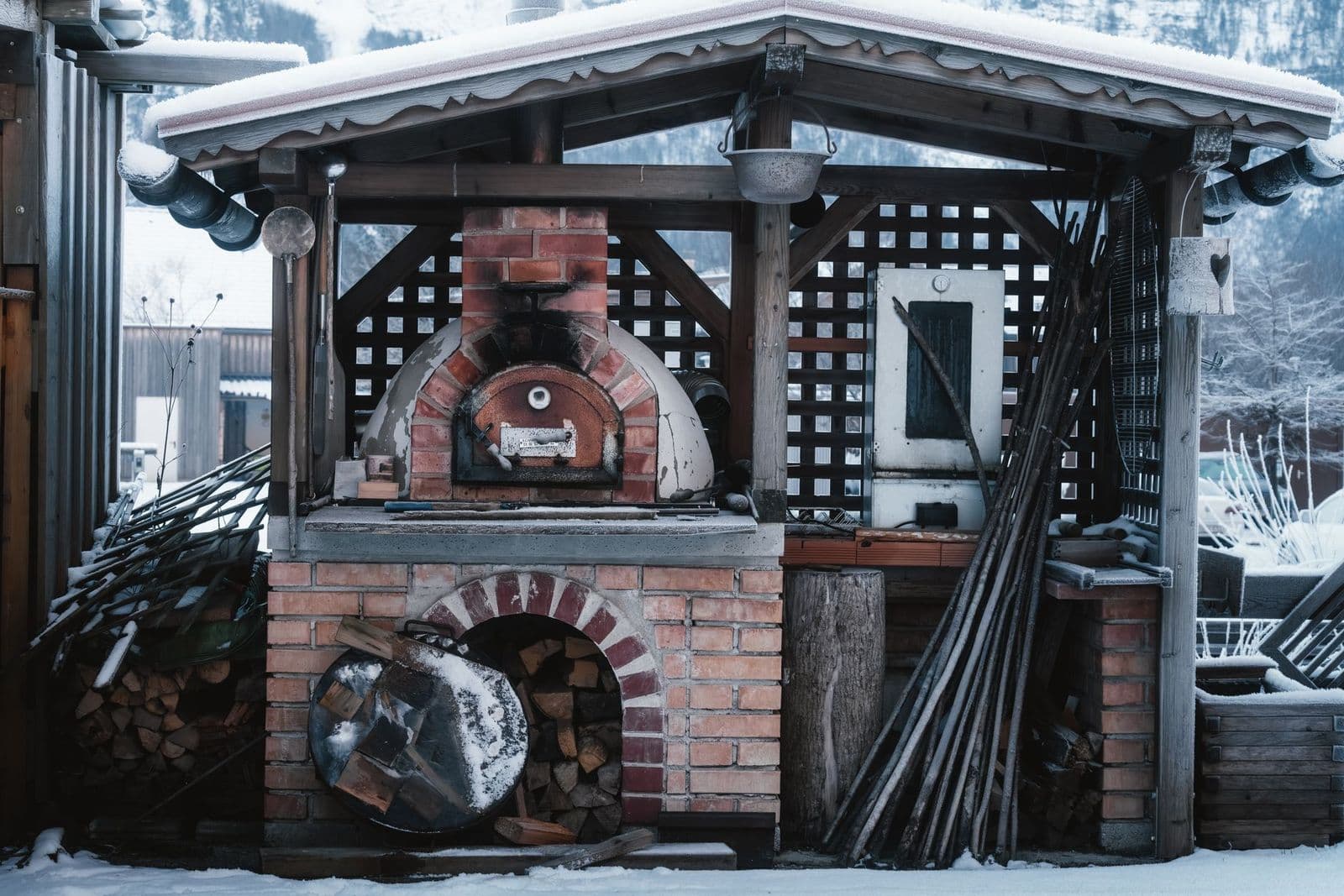
A masonry oven is a project, not a purchase. A refractory core gets wrapped in brick, stone, or stucco, and the finished structure can anchor a whole backyard design. It holds heat for hours, so you can bake pizzas, then bread, then a slow roast as the temperature falls. The trade offs are real: weeks of build time or a contractor bill, a large footprint, and repairs that take more effort than swapping a part. Choose this style when you plan to stay in the home for years and cook for crowds often.
How We Compare Built In Outdoor Pizza Ovens
We judge each style on factors you will live with: cooking area, heat control, build quality, fuel efficiency, and ease of cleaning. Our comparisons draw on manufacturer specifications and patterns in verified buyer feedback, with the focus on how the oven fits a real home, a real family size, and a real weekly routine. We weigh total ownership cost alongside the sticker price.
Built In vs Other Outdoor Pizza Ovens: What We Like and What We Don't
What we like about built in designs is the permanence. The oven is always ready, the workspace around it is planned, and the finished look raises the whole patio. Counter height cooking is easier on your back than bending over a low portable unit, and a fixed gas line ends the mid cookout tank run. What we do not like is the commitment. You cannot take the oven with you when you move, and a poor layout choice is yours for years. Portable and countertop ovens stay better picks for renters and anyone still deciding where the kitchen should go.
Common Buying Mistakes to Avoid
- Measuring the oven but not the opening, so the unit arrives and the island cutout is too small for safe clearances.
- Forgetting ventilation and clearance rules for the island, which can trap heat and damage nearby cabinets.
- Buying the largest oven for a small patio, leaving no prep space and making every cookout feel cramped.
- Spending the whole budget on the oven and skipping the cover, then watching weather wear the finish.
- Choosing wood only for the flavor while underestimating the fire tending and ash cleanup.
Cost of Ownership and Care
Ongoing costs stay modest when you plan for them. Expect to replace a stone if it cracks from a thermal shock, and budget for one cover every few seasons. Brush the stone while the oven is still warm, let ash cool fully before removal, and never pour water on a hot stone to clean it. Our step by step guide on how to clean an outdoor pizza oven walks through the full routine. Before each season, check gas connections with soapy water for leaks and clear the flue of nests and debris.
FAQ
Are built in outdoor pizza ovens worth it?
They are worth it when you cook pizza at least a few times a month and already want an outdoor kitchen. The value is convenience and a permanent workspace, not better pizza than a good countertop model can make. If you bake twice a year, the island build cost never pays you back. Households that grill weekly usually get the most from the investment.
How do you vent a built in outdoor pizza oven safely?
The flue must rise clear of the island and any roof edge, following the clearances in the oven manual and your local building code. Islands need low vents for gas safety so any leaked propane can escape instead of pooling inside the cabinet. Many towns require a permit for a fixed gas line and a masonry build, so call your local building office before work starts.
How long does a built in outdoor pizza oven last?
A stainless steel insert that is covered and cleaned on schedule can serve a family for many years, while masonry builds can last decades with minor repointing and crack repair. The parts that wear first are igniters, stones, and door seals rather than the shell. Lifespan drops fast when water reaches insulation or a metal oven sits uncovered through wet winters.
Can a built in outdoor pizza oven cook more than pizza?
Yes, and this is where a larger chamber earns its price. The falling heat after a pizza session suits flatbreads, roasted vegetables, and cast iron skillet dishes. Steady medium heat works for whole chickens and baked pasta. Favor an oven with a taller dome and a door that seals well, and read our guide on how to use an outdoor pizza oven for heat management basics before your first big cook.
What size built in outdoor pizza oven does a family of six need?
A 16 inch surface is the comfortable starting point, because it fits one large pizza that slices into enough pieces for the table, and recovery between bakes stays quick. A 12 inch oven can feed six people too, but you will bake more rounds and someone is always waiting. If your gatherings often reach ten people, look at the largest inserts or a masonry build.
Final Thoughts
The right choice is the one that fits your island, your fuel supply, and the number of mouths at your table. Compact inserts serve most homes, value drop in units keep a first kitchen affordable, and masonry builds reward cooks who want a centerpiece. Measure twice, vent it properly, and keep it covered. For most families, the best built in outdoor pizza oven is simply the one sized for their weekly routine. Check your opening size, fuel supply and local codes before you buy.