
Best Camp Chairs for RV in 2026: Which One Fits the Way You Use It?
Disclosure: We may earn a commission when you buy through links on this page, at no extra cost to you. As an Amazon Associate I earn from qualifying purchases. Learn more

Compare the best camp chairs for rv by folded size, weight, seat comfort and fabric, so you can pick a chair that stores well and sits well.
There is no single chair that suits every RV trip, because storage space, travel style and sitting time change what matters most. The best camp chairs for rv are the ones that fold into your bay, ride without adding much weight and still feel good after dinner outside. Use the comparison table below to check folded size and capacity first.
A couple touring for months needs lasting comfort and fabric for daily use. A family on short trips may care more about quick setup and a price that allows four chairs. The sections below match each routine to the type and features that fit it.




Who Should Buy Which Camp Chairs for RV Travel?
Start with how you actually live at the site, not with the longest feature list. Your bay size, your usual stay length and who sits in the chair will narrow the choice faster than price alone.
Full Time RVers Who Sit Outside Daily
You use the chair as outdoor living room furniture, often for hours and in many kinds of weather. Prioritize a strong frame, a wide seat with firm support and fabric that resists fading. A reclining back or padded seat can be worth the extra bulk, because you will set the chairs out at almost every stop.
Weekend RVers With Tight Storage Bays
You pack often, and every inch in the pass through bay counts. Prioritize a compact fold, low weight and a carry bag that keeps legs together in transit. A simple design with no loose parts suits you best. If you also need light options for walks from the rig, see our guide to the best lightweight camp chairs for smaller carry choices.
Taller and Larger RVers Who Need More Room
You need space to sit without feeling pinched and support that does not sag. Look for a wider seat, a taller back and a higher capacity with room to spare. Solid arms help you push up to stand, and a seat that is not too low keeps your knees at a comfortable angle. Avoid narrow quad styles that pull in at the sides.
Key Features to Compare
When you compare the best camp chairs for rv, work through storage, strength, comfort and fabric in that order. A chair that fails the first test will annoy you on every trip, even when the seat itself feels pleasant at the store.
Folded Size and Chair Weight for RV Storage
Folded size decides whether a chair earns its place in the rig. Most folding camp chairs fold to about 32 to 42 inches long and weigh about 8 to 15 pounds. Measure the bay door opening and clear length inside, then compare those numbers with the folded size in its bag. If you carry four chairs, total weight matters for payload, so a few pounds saved per chair adds up.
Frame Strength and Weight Capacity
Most camp chairs are rated for about 250 to 300 pounds, and heavy duty frames may be rated for about 350 to 400 pounds or more. Steel frames feel solid and cost less, but they weigh more and can rust where the coating chips. Aluminum frames weigh less and resist rust better, though they often cost more. Check cross supports and leg joints too, because capacity depends on the whole frame.
Seat Size, Seat Height and Support for Long Sits
A standard seat is often about 20 to 22 inches wide and about 16 to 18 inches off the ground, while oversized seats may reach about 24 to 26 inches wide. Your feet should rest flat, with no sharp pressure behind your thighs. For long sits, look for a shaped back with lumbar support, a taut seat and, on padded models, high density foam that does not flatten quickly.
Fabric, Mesh Panels and Weather Resistance
Most seats use polyester because it is strong for its weight, handles sun better than plain cotton and dries fairly fast after rain. Mesh panels let air move on warm afternoons and let water drain instead of pooling. Dark colors hide dirt from gravel sites, but they absorb more heat in direct sun. Near the coast or in humid regions, choose finishes that tolerate damp air without mildew or rust.
Recline, Armrests and Useful Extras
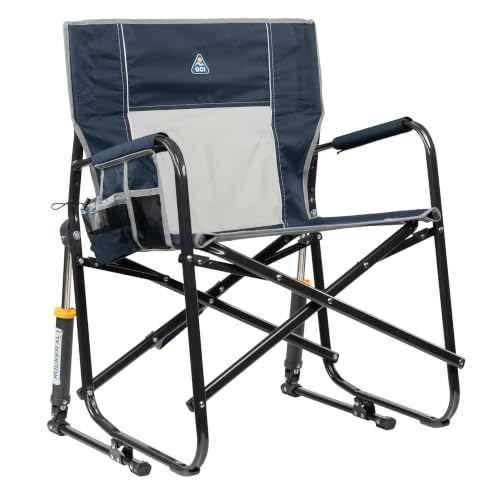
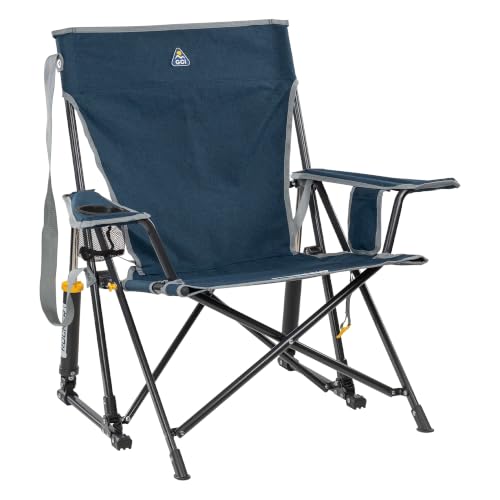
A fixed upright seat suits meals, games and work at a small outdoor table. A reclining chair suits reading and resting, but it needs more room behind it and often folds larger. Solid arms give leverage when you stand, while fabric arms feel softer but offer less push support. Adjustable armrests can help you find a natural elbow height. A cup holder and side pocket are useful only when they stay level and do not crowd the seat.
How to Measure Storage and Pick a Chair Type for Your RV
Measure before you order. Record the bay door width and height, the longest clear space inside and the space left when bins and hoses are packed. Then picture the chair at the site, with room for a table, a rug and a walkway. A chair that stores well but blocks the patio is still the wrong size.
Chair types serve different routines. A standard folding chair is the most versatile choice for meals and visiting, and you can compare designs in our guide to the best folding camp chairs. An oversized padded chair suits long stays and cooler evenings. A reclining or rocking style suits relaxing in one place, while a compact low chair suits concerts or beach stops. For seating used mainly outdoors in all settings, see our guide to the best outdoor camp chairs as a broader comparison.
Ground matters at RV sites. On concrete pads, most feet sit flat. On gravel, wider feet spread weight and wobble less, and on grass or soft soil, bar style feet or large caps sink less than narrow points. Press each leg into place and sit slowly the first time. If one leg finds a dip, move the chair rather than leaning to balance it.
If you also shop for seating inside the rig for driving days or extra guests, keep that search separate, and see our guide to the best rv chairs for interior options. Outdoor chairs must fold, drain and handle dirt, while interior chairs stay in place and face different space limits.
Common Mistakes to Avoid When Buying Camp Chairs
These errors are common because folded chairs look similar in photos, even when they store and sit very differently.
- Ordering by open size alone leaves you with chairs that will not pass through the bay door.
- Ignoring total weight for four chairs adds payload you feel in handling and fuel use.
- Choosing a seat that is too low makes standing hard after a long evening outside.
- Buying a reclining model for a small patio leaves no room to walk past the chair.
- Storing a damp chair in a closed bay invites mildew, odor and early fabric damage.
Setup and Care Tips for Camp Chairs at the RV Site
Open each chair fully on flat ground and check that the frame settles into its open position before anyone sits. Place drinks only after the chair feels steady, and keep the carry bag in the bay so it stays dry at departure. Shake gravel from the feet before folding to protect the bag and bay floor.
Brush off dirt, rinse mud with plain water and let fabric dry in shade before folding for travel. Wipe metal parts dry, check joints for looseness or cracks and stop using a chair with a bent leg. Store chairs in a dry bay away from sharp tools and heavy bins. During long stays, move chairs under the awning in heavy rain, because repeated soaking shortens fabric life.
FAQ
What features matter most in camp chairs for RV travel?
Folded size, chair weight and seat comfort matter most for RV travel. Also check how the chair packs with other gear, because a round bag may waste space beside square bins. Lay chairs in a repeatable order, and you will save time at every arrival and departure.
What helps a camp chair for RV use stay comfortable for long hours?
A taut seat, a supportive back and arms at a natural height help most during long hours. Changing position also helps, so stand and walk during the day instead of sitting through a whole afternoon in one pose. A small cushion can fill a gap at your lower back, but it should not lift you so high that your feet lose flat contact.
How long should a good camp chair for RV trips last?
A good camp chair for RV trips often lasts about three to five years of regular use. Life is shorter when a chair lives outside for whole seasons and longer when it travels stored dry. Fading alone is cosmetic, but frayed seams, cracked joints or a sagging seat are signs that replacement is near.
How do I choose the right size camp chair for RV storage and sitting?
Choose the right size by matching folded size to your bay and the open seat to the largest regular user. Sit in a similar chair if you can, and check that you can stand without rocking forward. Leave a margin on width and capacity, because winter clothing and blankets take room that summer clothes do not.
Is an expensive camp chair worth it for RV camping?
An expensive camp chair can be worth it for RV camping when you sit daily and the cost buys a stronger frame, better fabric or a larger seat. It is harder to justify for rare trips, where a simple chair used a few weekends each year may serve well. Compare cost with nights used, not with the longest feature list.
Our Verdict
Match the chair to your bay first, then to your body and stay length. Strong frames, honest capacity, breathable fabric and a seat height you can rise from will matter more over a season than small extras. Use the product table above to confirm folded size, weight and price before you order.
When you judge best camp chairs for rv by those points, the right type is usually clear. Buy the simplest set that stores cleanly and sits well, and your outdoor space will be ready within minutes of parking.


