
Best Cameras with Ibis of 2026: Complete Buying Guide
Disclosure: We may earn a commission when you buy through links on this page, at no extra cost to you. As an Amazon Associate I earn from qualifying purchases. Learn more

Compare cameras with IBIS by sensor size, stabilization stops, autofocus and video modes, plus mistakes to avoid and care tips for a confident choice.
Shaky photos and unsteady video usually come from small hand movements, not from a lack of talent. In body image stabilization, shortened to IBIS, moves the sensor to counter that shake, so you can handhold slower shutter speeds and smoother clips. The best cameras with ibis pair that system with a sensor and autofocus that suit your subjects. Use the comparison table below to match each body to the way you shoot.
This guide skips model names and focuses on decisions you can check on any spec sheet, and on where IBIS helps less than you might expect.


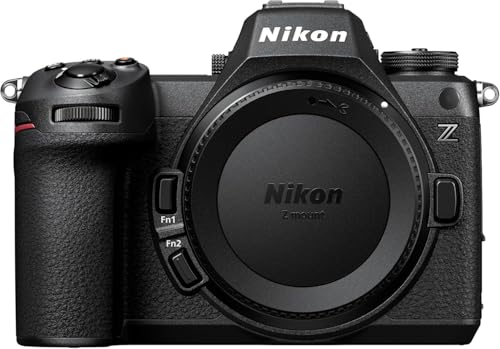


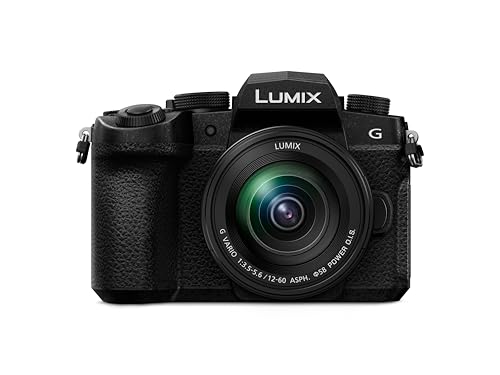
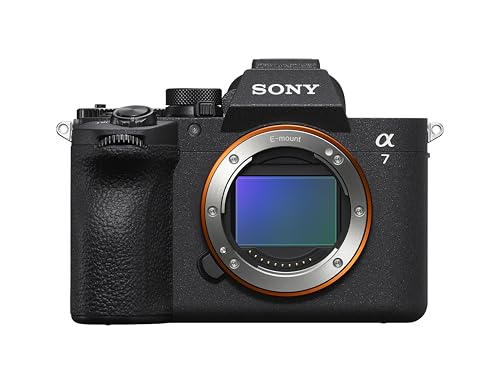
Who Should Buy a Camera With In Body Stabilization?
IBIS matters most when your hands are the tripod. The three groups below gain in different ways, so find your pattern first and let it set your budget. Wider body styles appear in our overview of the best digital cameras.
Handheld Video Creators Who Walk and Film
Every step you take while filming shows as bounce in the frame. IBIS smooths small jolts as you walk, which keeps faces steady and lets you leave a gimbal at home for short clips. Choose a body with a screen that flips toward you, reliable eye detection and a video mode that stays stable without a heavy crop.
Travel and Low Light Photographers Who Skip the Tripod
You shoot in museums, old streets and dim restaurants where tripods are banned or awkward. IBIS lets you hold slower shutter speeds, so a church interior or an evening market stays sharp without pushing ISO as high. Pair it with a bright prime lens and you can work in places too dark for a phone.
Prime and Adapted Lens Users With Older Glass
You love prime lenses and older manual focus glass, much of it built before lens stabilization existed. IBIS stabilizes every lens you mount, including adapted classics, because the sensor moves instead of an element inside the lens. Check that the menu lets you enter focal length by hand for a lens with no electronic contacts.
Key Features to Compare
Spec sheets make stabilization sound simple, but the details decide how a camera behaves. When you compare the best cameras with ibis, work through the six factors below in order, because a strong rating cannot rescue weak autofocus or a thin lens lineup.
IBIS Rating in Stops and Five Axis Correction
Makers rate IBIS in stops under CIPA test methods, and current bodies claim about 5 to 8 stops with a standard lens. Five axis correction handles pitch and yaw as you tilt, roll as you twist, and sideways plus vertical shifts. Treat the top number as a best case in good light, and read it as a guide to system strength, since long telephoto lenses shrink the real gain.
How IBIS Combines With Lens Stabilization
Some systems let IBIS work together with stabilization inside the lens, each correcting different movements. The lens handles small rapid shake at long focal lengths, while the sensor handles roll and shift that a lens cannot fix. Confirm it works with your mount and lenses, because some combinations fall back to one system only.
Sensor Size and Low Light Image Quality
Sensor size shapes depth of field, noise and body size. Full frame sensors gather more light and stay cleaner at high ISO, but bodies and lenses grow larger. APS C balances size and quality for travel, while Micro Four Thirds keeps kits small and lets the lighter sensor move quickly. A 1 inch sensor suits fixed lens compacts. For a broader stills view, see our guide to the best cameras for photography.
Autofocus That Keeps Moving Subjects Sharp
Stabilization keeps the frame steady, but autofocus decides whether the subject inside it is sharp. Look for eye detection for people, animal detection if you shoot pets or wildlife, and tracking that holds a subject as it crosses the frame. In a shop, check how quickly focus returns after a subject passes behind an obstacle.
Video Stabilization Modes and Image Crop
Video modes rarely use the full stills correction. A standard mode suits a steady stance, while stronger active settings add electronic correction over the sensor movement and crop the frame edges. That crop narrows your field of view, so a lens that feels wide for photos may feel tighter for walking clips.
Body Size, Grip, Battery Life and Weather Sealing
Your body still has to ride in a bag and sit in your hand for hours. Deeper grips help with long lenses, while flat compact bodies slip into a coat pocket but tire your fingers sooner. Plan on a spare battery for long video days, and prefer USB C charging for travel. Weatherproof seals around doors and dials guard the floating sensor unit from dust and light rain.
Camera Types That Offer In Body Stabilization
IBIS lives mainly in one family, but stabilization claims appear across the whole market. The four types below show where true sensor shift systems appear and where makers use other methods. First time buyers can see starter kits explained in our notes on the best starter cameras.
Mirrorless Cameras With Interchangeable Lenses
Mirrorless cameras are the natural home of IBIS, since the short mount leaves room for the sensor to move. Nearly every current line offers five axis systems, and the lens choice is the widest of any type. Choose this type if you plan to grow a kit over years.
Premium Compacts With Fixed Lenses
A few premium compacts build IBIS around a fixed zoom or prime lens. Optical zoom ranges stay modest and you cannot change lenses later, but the camera fits a jacket pocket. Confirm the spec sheet says sensor shift, because many compacts stabilize only inside the lens.
Vlogging Cameras Built Around Video
Vlogging cameras are usually mirrorless bodies tuned for video, with strong active stabilization, a screen that flips toward you and clean audio inputs. They suit creators who film at arm length. Stills features may be simpler, and small bodies can warm up during long 4K recording.
Action Cameras and Electronic Stabilization
Action cameras seldom offer true IBIS. Their tiny bodies rely on electronic stabilization, which crops the image and corrects motion in software. Choose an action camera for rough mounted footage, and choose a sensor shift body when you need clean low light clips and shallow depth of field.
Common Mistakes to Avoid
Most disappointment with IBIS comes from expectations, not from broken hardware.
- Trusting the highest stop rating for every lens leaves telephoto shots soft, because the real gain falls as focal length grows.
- Leaving IBIS active on a locked tripod can add tiny corrections to a still frame, so long exposures may drift instead of staying crisp.
- Judging stabilization by walking clips alone hides stills behavior, because video modes crop and correct differently.
- Forgetting to set the focal length for an adapted lens makes the sensor correct by the wrong amount, so corners can smear.
- Expecting IBIS to freeze a moving child or pet leads to blurred faces, because stabilization steadies your hands and not your subject.
Care and Maintenance for Stabilized Cameras
Treat the sensor unit gently, since it floats on a moving mount inside the body. Keep the camera in a dry padded bag and power down before you change lenses so the sensor parks safely. Clean the front element with a lens cloth, not your shirt, because grit on fabric can scratch coatings.
Update firmware when the maker releases it, because updates often refine autofocus and stabilization behavior. Keep silica gel packs in the bag on humid trips. If the sensor needs cleaning, use the built in cleaning mode first and let a service center handle stubborn dust, since pressing on a floating sensor can damage the mount.
Frequently Asked Questions About Cameras With IBIS
How much should you spend on a first camera with IBIS?
Plan on about $700 to $1500 for a capable first body with a kit lens. Lower prices usually mean an older stabilization system, while higher prices add stronger video modes and better weather sealing. Spend the difference on a second lens or a good bag, and keep some budget aside for memory cards.
Can a smartphone replace a camera with IBIS for travel video?
A smartphone covers casual travel clips well, but it cannot match a camera with IBIS once light drops or you need real zoom. Larger sensors hold detail in shadows, and optical zoom keeps quality that digital cropping loses. A dedicated body also adds a microphone input and physical dials, plus swappable batteries for long days out.
What specs matter most for beginners choosing a camera with IBIS?
Start with a clear menu system, a guided auto mode you can grow out of, and stabilization that works in both photo and video modes. Sensor size and lens choice come next, while very high megapixel counts matter least for learning. Also check the companion phone app, because fast transfers keep beginners shooting.
How slow a shutter speed can IBIS handle for handheld night photos?
Use the reciprocal rule as your baseline, then subtract the stops your system truly delivers. With a 50 mm lens, the rule suggests 1/50 second unaided, so three reliable stops in practice brings you near 1/6 second for still subjects. Brace your elbows, exhale, and fire a short burst. Your hit rate rises quickly with this habit.
Which helps more in low light on a camera with IBIS, a larger sensor or a faster lens?
A faster lens helps more at first, because a wider aperture raises shutter speed and feeds the autofocus system more light, so it hunts less in dim rooms. A larger sensor then improves the quality of the high ISO files you still must take. If budget forces one choice, buy the faster lens now.
Our Verdict
Start with the stabilization you will actually use. If you shoot handheld stills in dim places, sensor size and IBIS strength lead. If you walk and film, video modes and autofocus lead. Use the product table above to compare those points against price. Our guide to the best quality cameras covers build and optics at higher prices.
Chosen with those checks, the best cameras with ibis feel less like a spec sheet win and more like a tool that quietly saves shots every week.


