
Best Cameras under 750 in 2026: What Actually Matters Before You Buy
Disclosure: We may earn a commission when you buy through links on this page, at no extra cost to you. As an Amazon Associate I earn from qualifying purchases. Learn more

Compare the best cameras under 750 with a clear checklist on sensor size, autofocus, lenses and 4K video, plus mistakes to avoid before you buy.
A budget of about $750 sits in a useful middle ground. It is enough for a larger sensor, a real lens and controls a phone cannot offer, yet small enough that every tradeoff still matters. The best cameras under 750 earn their price through image quality and handling, not long spec lists, and the comparison table below helps you see those tradeoffs side by side.
Use this checklist in order. First decide how you will shoot, then judge sensor, autofocus and lens choice, and only then look at video extras and price.



Who Should Buy a Camera in This Price Range?
This price band suits buyers who want a clear step up in control and image quality, while keeping total cost sensible once a lens, card and bag are added.
Families and Travelers Who Want More Than a Phone
You want sharper photos indoors, cleaner shots after dark and a zoom that reaches across a field or a stage. Choose a compact body with a kit zoom, simple auto modes and easy phone transfer for sharing. Weatherproof sealing helps on dusty trails and light rain, but it does not make a standard camera safe to submerge.
New Creators Recording Video for Online Channels
You need clear speech, steady framing and a screen you can see while you record yourself. Look for vlogging cameras with a screen that turns to face you, a microphone input and autofocus that holds a face as you move. A wide lens matters more than a long zoom, because a small room leaves little space to step back.
Hobbyists Ready to Learn Manual Controls
You want dials for aperture and shutter speed, raw files for editing and the option to add lenses later. An interchangeable lens body gives you that growth path, and the kit lens covers daily use while you learn. Check the lens range for the system before you buy, since future lenses are a long term cost.
Key Features to Compare
Judge each camera on the same six factors, so a strong video mode cannot hide weak autofocus or a poor lens.
Sensor Formats You Actually Get at This Price
Sensor size is the strongest guide to image quality at this price. Most cameras here use an APS C sensor or a Micro Four Thirds sensor, and both gather far more light than a small phone sensor. A 1 inch sensor in a compact camera is smaller, yet still a clear step up from a phone. Megapixel counts from about 20 to 26 are plenty for large prints, so favor sensor size over a higher pixel count alone.
Autofocus Speed and Tracking
Good autofocus decides how many of your best moments stay sharp. Look for face and eye detection for people, animal detection if you photograph pets or wildlife, and tracking that follows a subject across the frame. Touch focus on the rear screen helps when you place a subject off center. For sports and active kids, burst speed matters too, but only if focus keeps up.
Lens Choice and Optical Zoom
Decide first between a fixed lens and an interchangeable lens system. A fixed lens compact is simple and pocket friendly, while a mirrorless body lets you swap lenses as your skills grow. Optical zoom uses the glass itself to magnify a scene and keeps full detail, which is why it is the number to compare. A kit range near 18 to 55 mm suits daily scenes, while travel zooms reach further at some cost in size.
Low Light Performance and Stabilization
Low light results depend on sensor size, lens aperture and stabilization working together. A lens marked f2.8 lets in more light than one marked f5.6 at the same focal length, so it allows a lower ISO and cleaner files. Stabilization built into the body or the lens steadies your hands for still subjects, but it cannot freeze a moving child or player.
Video Capabilities and 4K Video
Most cameras at this price record 4K video, but the details decide how usable it is. Check whether 4K uses the full sensor width or a cropped view, because a crop changes how wide your lens looks. A microphone input improves speech far more than any video setting. Heat limits can stop long recordings, so match clip length claims to your real use.
Size, Weight and Handling
A camera you find awkward will stay home, no matter how strong its sensor is. Hold the body if you can and check grip depth, dial placement and menu layout. Small bodies travel well but can feel cramped with a long lens, while larger grips suit long days and larger hands. A tilting screen helps for low and high angles, and a fully turning screen suits recording yourself.
Camera Types Compared at About $750
Three types cover almost every buyer at this level. The right one depends on how much gear you want to carry.
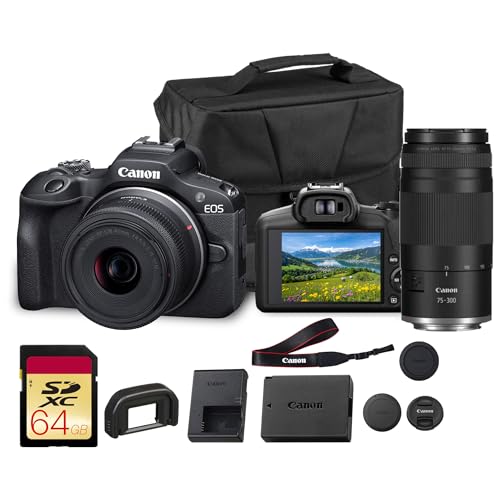
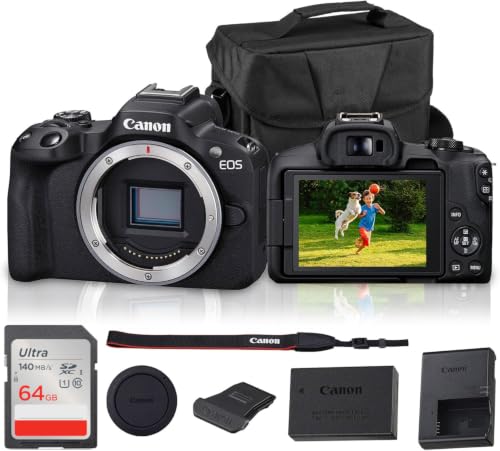
Mirrorless cameras with interchangeable lenses give the most room to grow. You start with a kit zoom, then add a bright prime lens for portraits or a longer zoom for sports. That is why the best cameras under 750 are usually sold as a kit, with lens cost counted. For a wider view of formats, see our guide to the best digital cameras.
Fixed lens compact cameras trade flexibility for simplicity. The lens is built in, the body slips into a jacket pocket and there is nothing to swap. They suit travelers who want quality without a camera bag, and premium models often pair a 1 inch sensor with a bright lens.
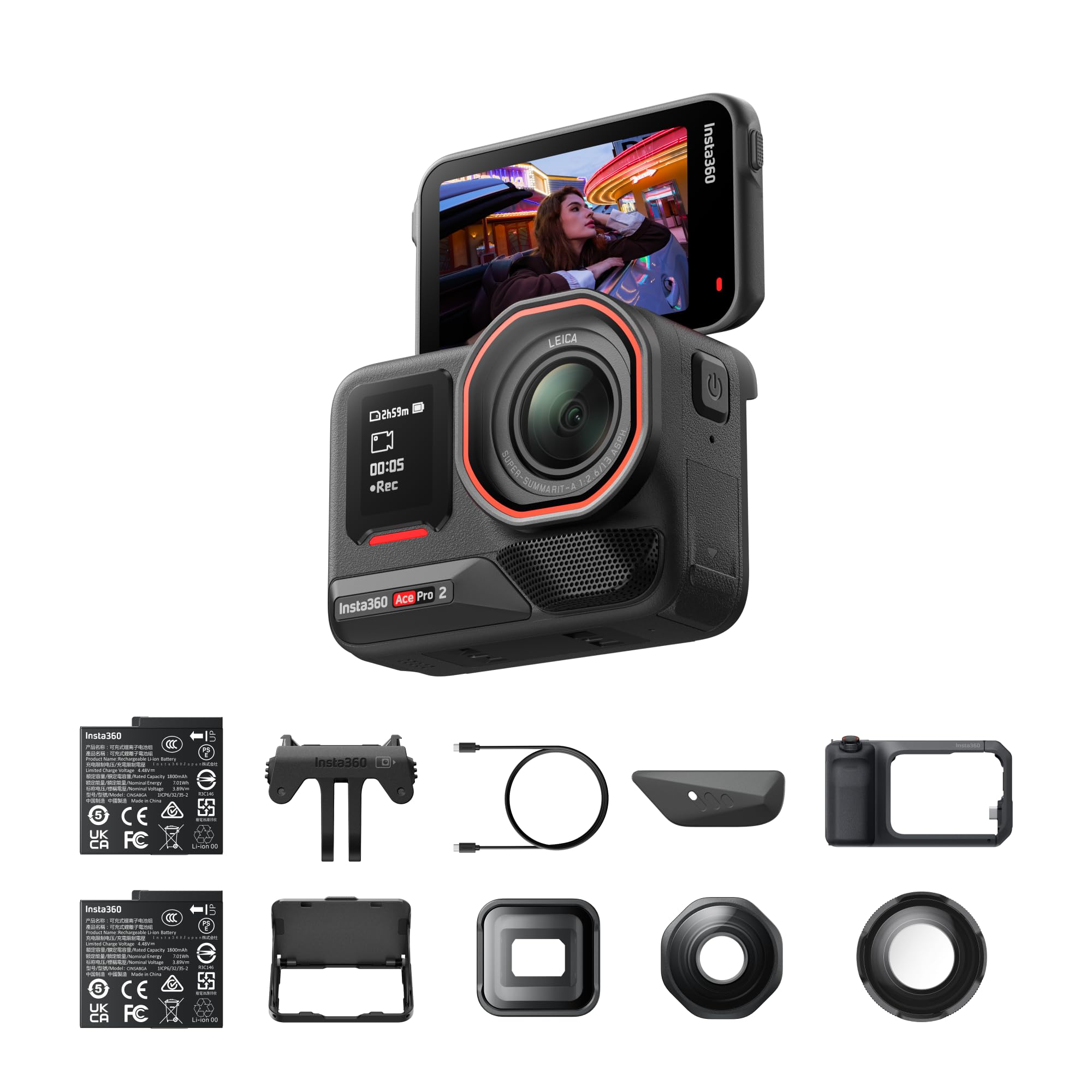
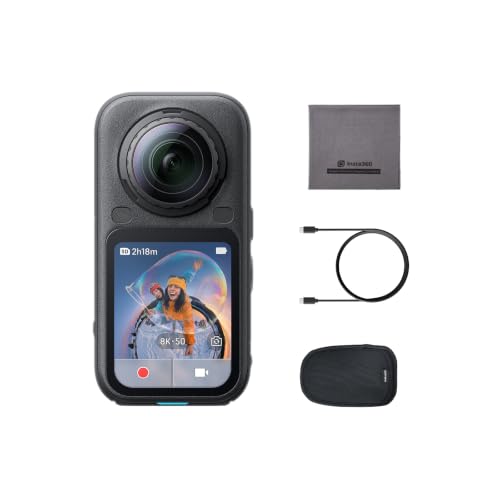
Action cameras are tiny, tough and made for wide views of movement, often mounted on a bike or helmet. If your trips include dives where a camera goes fully under water, see our guide to the best under water cameras. For still photos, a standard camera gives you more control and a larger sensor.
Questions to Answer Before You Check Out
Answer each question before you order. If your answers point to casual snapshots only, our guide to the best quality cameras under 200 shows a lower tier. If your total lands nearer $500, compare our guide to the best cameras under 500 as well.
- Does the price include a lens, or is the body sold on its own?
- Is the sensor APS C, Micro Four Thirds or 1 inch?
- Does autofocus include face and eye detection for your main subjects?
- Does the lens range cover wide room views and your longest subject distance?
- Can you add a microphone, and does the screen move as your video needs?
- Have you left budget for a card, a spare battery and a bag?
- Does the grip feel secure with the heaviest lens you plan to use?
Common Mistakes to Avoid
- Buying at a body only price and then finding the kit lens pushes the total past $750.
- Chasing the highest megapixel count leads you to a small sensor with weaker low light results.
- Trusting digital zoom figures leaves you with cropped images that lose detail.
- Ignoring lens prices for the system makes your second lens a costly surprise.
- Skipping a spare battery can end a long travel day with a dead camera.
- Choosing the smallest body for large hands makes dials hard to turn.
Lens Cleaning and Safe Storage Habits
Clean the front lens element with a soft lens cloth, never your shirt, since grit in fabric can scratch the coating. Use a blower first to lift dust, then wipe in a slow circle from the center outward. A clear filter helps near sand or spray.
Store the camera in a dry, padded bag with the lens cap on, and let a damp camera air dry before you close the bag. If you change lenses outdoors, face the body opening downward, so dust has less chance to settle on the sensor.
FAQ
Can you get a good camera for under $750?
Yes, a good camera under $750 is realistic, especially as a kit with a standard zoom lens. At this level you gain a larger sensor and manual controls a phone cannot match. One point buyers miss is warranty cover on discounted stock, so confirm the seller and terms before you pay, since a gray market import can limit repair options.
Is a smartphone enough instead of a dedicated camera under $750?
A smartphone is enough for casual sharing, but a dedicated camera pulls ahead for zoom reach, indoor light and printed photos. Phones also apply heavy processing you cannot always turn off, while a camera lets you edit a raw file your own way. For school sports from the stands, that optical reach alone can justify the separate camera.
How much should you spend on a first camera within a $750 budget?
Spend most of the budget on the camera kit, but hold back about $75 to $125 for a card, spare battery and bag. A common split is about $600 to $650 on the kit itself. Avoid buying a second lens at the start, because a month with the kit zoom shows you which focal lengths you actually miss.
What is the difference between optical zoom and digital zoom on a camera?
Optical zoom changes magnification through the lens and keeps full sensor resolution, while digital zoom crops the image and enlarges what remains. A 3x optical zoom on a compact can still print well, but heavy digital zoom often looks soft on a large screen. Check product pages for the optical figure only.
Which camera feature matters most for low light photos on a $750 budget?
A bright lens aperture matters most, because it lets the sensor gather more light before ISO has to rise. Pair it with a tripod for still scenes such as city streets at night, where a long exposure stays sharp without raising ISO. For moving subjects, a shutter speed near 1/250 of a second protects sharpness better than any noise setting.
Wrapping Up
Start with sensor size, then weigh autofocus and lens choice against how you really shoot. Those three points decide most of your results. Use the product table above to confirm kit contents, sensor size and total cost before you order.
Chosen with care, best cameras under 750 give you years of growth without the cost of a pro setup. Pick the type that fits your carry habits and start shooting.


