
Best Cameras to Get for Photography in 2026: What Your Money Really Gets You at Every Price
Disclosure: We may earn a commission when you buy through links on this page, at no extra cost to you. As an Amazon Associate I earn from qualifying purchases. Learn more

Compare cameras for photography by budget, sensor size, lens range and battery life, so you can see what each price tier adds and what you can safely skip.
Camera prices run from about $300 for a simple compact to well over $3,000 for a professional body, and that gap can feel hard to judge. The best cameras to get for photography are rarely the priciest ones. They are the ones where your money lands on the sensor, lens and controls you will actually use. Use the comparison table below to compare them.
This guide is organized by budget rather than by brand. It shows what each price tier adds, which features are worth paying for, and which extras you can skip. It also covers the costs that arrive after the camera itself.



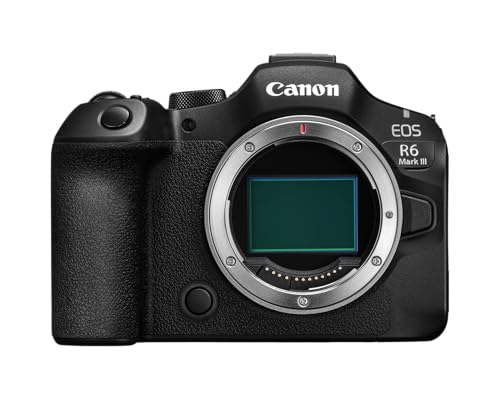

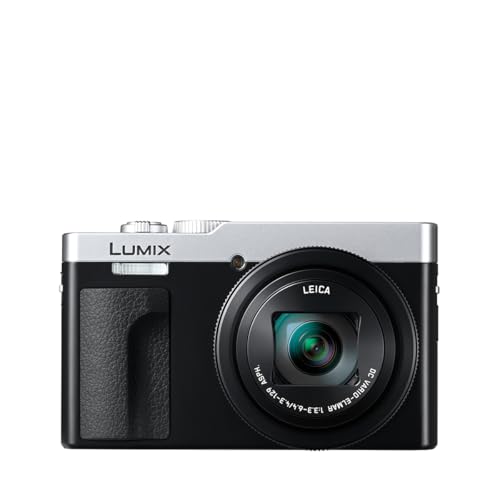
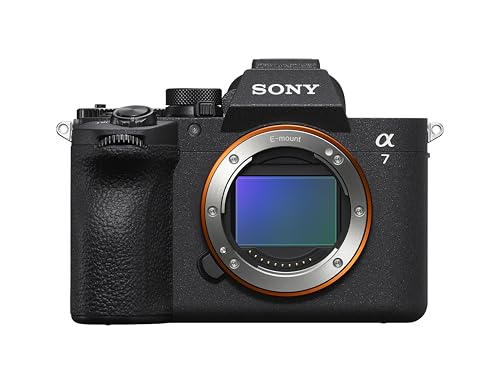
Who Should Buy Which Camera for Photography?
Your subjects and your patience for learning matter more than any single specification. Match yourself to one of these three groups first, and your price tier will become clear.
New Buyers Stepping Up From a Phone Camera
You want sharper photos than a phone gives you, but you still want help while you learn. Look for clear automatic modes, a guided menu, and easy access to aperture and shutter controls once you feel ready. A compact camera with a fixed lens or a small interchangeable lens body both work here. For a shortlist at this level, read our guide to the best beginning photography cameras.
Hobbyists Who Shoot Travel, Family and Evening Scenes
You already know when a phone struggles, usually indoors, at dusk, or when your subject moves. You will gain the most from a larger sensor, dependable autofocus, and a lens that stays bright as you zoom. A tilting screen helps for low and high angles, and a body you enjoy carrying matters on long travel days. This group usually lands in the middle tier below.
Committed Shooters Building Toward Print and Paid Work
You shoot often, you edit your files, and you may print large or deliver images to clients. Prioritise a full frame sensor, two memory card slots, strong weather sealing and a lens mount with a deep range of lenses. The premium tier only makes sense once your work truly needs it.
Key Features to Compare
Compare these five factors in order. Together they explain most of the gap between a frustrating camera and one that keeps up with you.
How Sensor Size Shapes Still Photos
The sensor is the light gathering surface inside the camera, and its size shapes image quality more than the megapixel count does. A 1 inch sensor suits compact travel cameras and already beats a phone in dim rooms. APS C sensors collect more light, giving cleaner shadows and softer backgrounds. Full frame sensors collect the most light, but they need larger, pricier lenses.
Lens Choice, Optical Zoom and Aperture
The lens decides what you can frame and how much light reaches the sensor. Optical zoom uses real glass to change focal length, so detail holds up, while digital zoom only crops and softens the image. A range of about 24 to 70 mm covers landscapes, groups and portraits. Aperture matters too, because a lens marked f/2.8 lets in far more light than one at f/5.6.
Autofocus Speed and Image Stabilization
Autofocus decides whether a moving child, pet or player is sharp or missed, so look for subject detection and tracking that hold focus as the subject crosses the frame. Viewfinder magnification matters too, because a larger view helps you confirm focus. Image stabilization steadies small hand movements, letting you use slower shutter speeds for still subjects in dim light.
Battery Ratings for Travel and Event Days
Manufacturers rate battery life in shots per charge, and real use often falls below that figure. About 300 to 400 shots suits casual days, while about 600 or more suits travel and events. USB C charging is worth having, because you can top up from a power bank instead of carrying a separate charger.
Size, Weight and Handling
A camera only earns its keep if you carry it. Small mirrorless bodies with a compact lens can stay under about 1.5 pounds, while full frame setups often pass 3 pounds. A deep grip and dials you can find by touch make long sessions easier. Weatherproof construction, called weather sealing, adds confidence in drizzle and dust, but it is not a license to soak the camera.
Where Extra Money Stops Showing in Your Photos
Shoppers comparing the best cameras to get for photography often ask where extra money stops making a visible difference. The three tiers below answer honestly, based on what each step buys and what it gives up. Most cameras here also record 4K video, a useful bonus, but it should not drive a photography budget.
Learning Tier: Around $300 to $700 for Solid Basics
At this level you get compact cameras with fixed lenses and entry interchangeable lens bodies with a starter zoom. Expect a 1 inch or APS C sensor, simple controls and modest battery life. Daylight quality is genuinely good, and automatic modes are forgiving while you learn. The trade offs are slower autofocus, fewer dials and weaker results after dark.
Growth Tier: Around $700 to $1,500 for Speed and Low Light Gains
This is where most keen hobbyists get the best return. Bodies here add faster, smarter autofocus, better viewfinders, stronger stabilization and larger sensors or better lenses for the money. You also gain more direct controls, so changing settings stops breaking your concentration. To narrow your search to this band, see our guide to the best cameras to get.
Mastery Tier: Above About $1,500 for Control and Endurance
Premium money buys full frame sensors, rugged weather sealed bodies, dual card slots and autofocus that tracks fast action in poor light. It also buys access to the finest lenses, where much of the cost and quality really sit. For occasional shooting, these gains are hard to notice in normal prints. Buy here when a specific job demands it.
Long Term Costs to Add to the Camera Price
The body is only the first payment. Lenses usually become the largest long term cost, and one good lens can cost as much as the camera. Add memory cards, a spare battery and a padded bag, and budget about 20 to 30 percent on top of the body price for the first year. If you are still weighing how far to take the hobby, our guide to the best cameras to get into photography explores that commitment, and the best cameras for photography guide gives a broader view.
Common Mistakes to Avoid
- Buying the largest sensor you can afford leaves no money for a decent lens, so your expensive body produces ordinary images.
- Judging a camera by megapixels alone leads you to pay for resolution your prints and screens will never show.
- Choosing digital zoom over optical zoom quietly crops your photos and throws away the detail you paid for.
- Skipping a spare battery and fast memory cards ends shoots early and slows burst shooting when action peaks.
- Ignoring the weight of the full kit means the camera stays at home, so your best photos never get taken.
Care and Maintenance for Your Camera
Keep the lens clean with a blower first and a soft cloth second, because wiping grit across glass can scratch the coating. Cap the lens and fit the body cap whenever a lens comes off, so dust stays away from the sensor. If dust spots appear in the same place on every photo, leave sensor cleaning to a service center.
Store the camera in a dry place out of direct sun, and dry it fully before storage after rain, even when the body is weather sealed. Remove the battery during long breaks, and check the strap lugs regularly, because a worn strap protects against an expensive fall.
FAQ
How much should a first camera for photography cost?
A first camera for photography usually makes sense at about $300 to $700, including a starter lens. Keep roughly a third of your total budget back for cards and a bag, because a slightly cheaper body with a better lens takes stronger photos than the reverse split. Then upgrade the lens first as your skills grow.
Is a smartphone enough for photography, or do you need a dedicated camera?
A smartphone is enough for photography when you share online, shoot in good light and stay near your subject. A dedicated camera pulls ahead when you print large, zoom without cropping, or shoot indoors where phone images turn grainy. If you often wish you could redo phone photos from trips and family events, a camera will earn its place.
How much optical zoom does a camera for photography need?
Most photography needs only a modest optical zoom, roughly the 24 to 70 mm range, because you can walk closer to many subjects. Wildlife and field sports are the exceptions, and they reward lenses reaching 200 mm or beyond. Renting a long lens for one trip often beats buying one you rarely carry.
Which sensor size is better for low light photography?
A full frame sensor is better for low light photography, with APS C close behind and 1 inch sensors a clear step down. The lens can narrow that gap, because a bright f/1.8 lens on a smaller sensor gathers light well and weighs less. For still subjects at night, a tripod helps any sensor more than a size upgrade.
What features matter most in a first camera for learning photography?
The features that matter most in a first camera for learning photography are direct dials for aperture and shutter speed, a screen you can read in sunlight, and the option to save raw files. Raw files let you practice editing exposure and color later without harming the original image. Avoid cameras that bury manual controls deep in menus.
Our Verdict
Start with your subjects, set a total budget that includes a lens and basic extras, and then pick the smallest tier that covers your hardest regular scene, usually dim indoor light or moving subjects. For most readers that means the growth tier.
Choose best cameras to get for photography that fit your hands and your budget together, and your photos will improve faster than with a costlier body you rarely carry. Use the product table above to confirm the sensor, lens range and battery figures for your tier.


