
Best Cameras That Print Photos: Matching the Right Model to Your Routine for 2026
Disclosure: We may earn a commission when you buy through links on this page, at no extra cost to you. As an Amazon Associate I earn from qualifying purchases. Learn more

Compare best cameras that print photos by use case, print cost, and image quality, and learn which features are worth paying for before you buy.
There is no single best choice for everyone, because each way of printing shapes what matters most. Best cameras that print photos range from pocket models that print small instant prints to larger models that send files to a home printer. This guide matches features to real routines, so you avoid overpaying for a printing style you will rarely use. Read the comparison table below before you compare individual options.
The key decision is how you want the print in your hand. Instant printing gives you a small print within minutes, which suits parties, gifts, and journals. File based printing gives you larger, sharper prints through a home printer or a print service, which suits framing and albums.

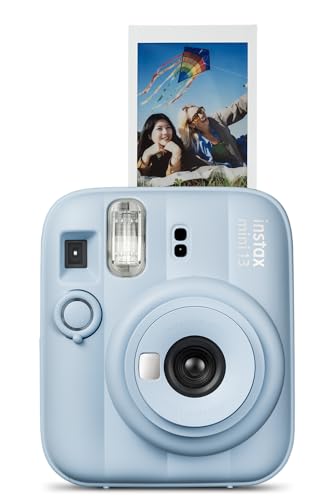


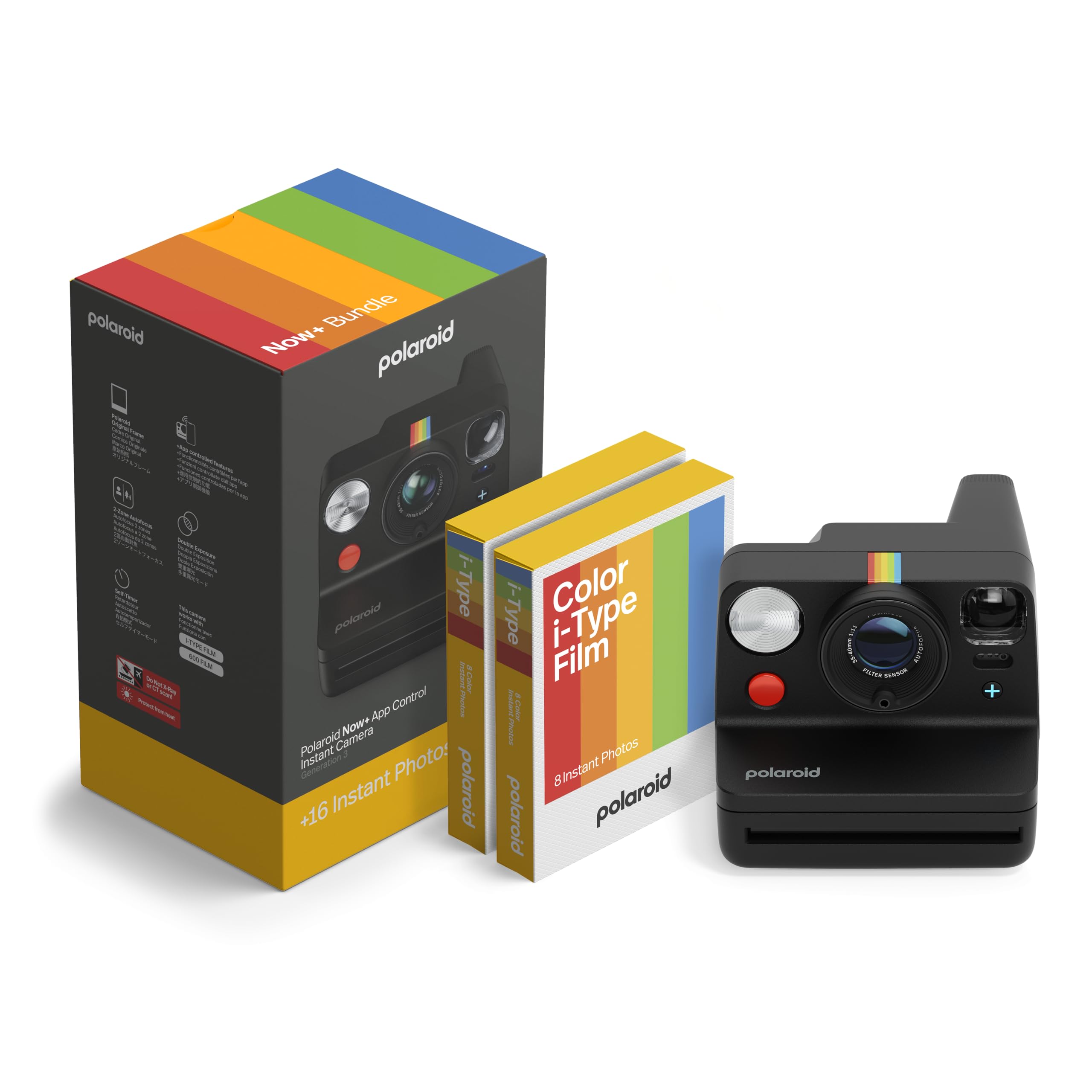

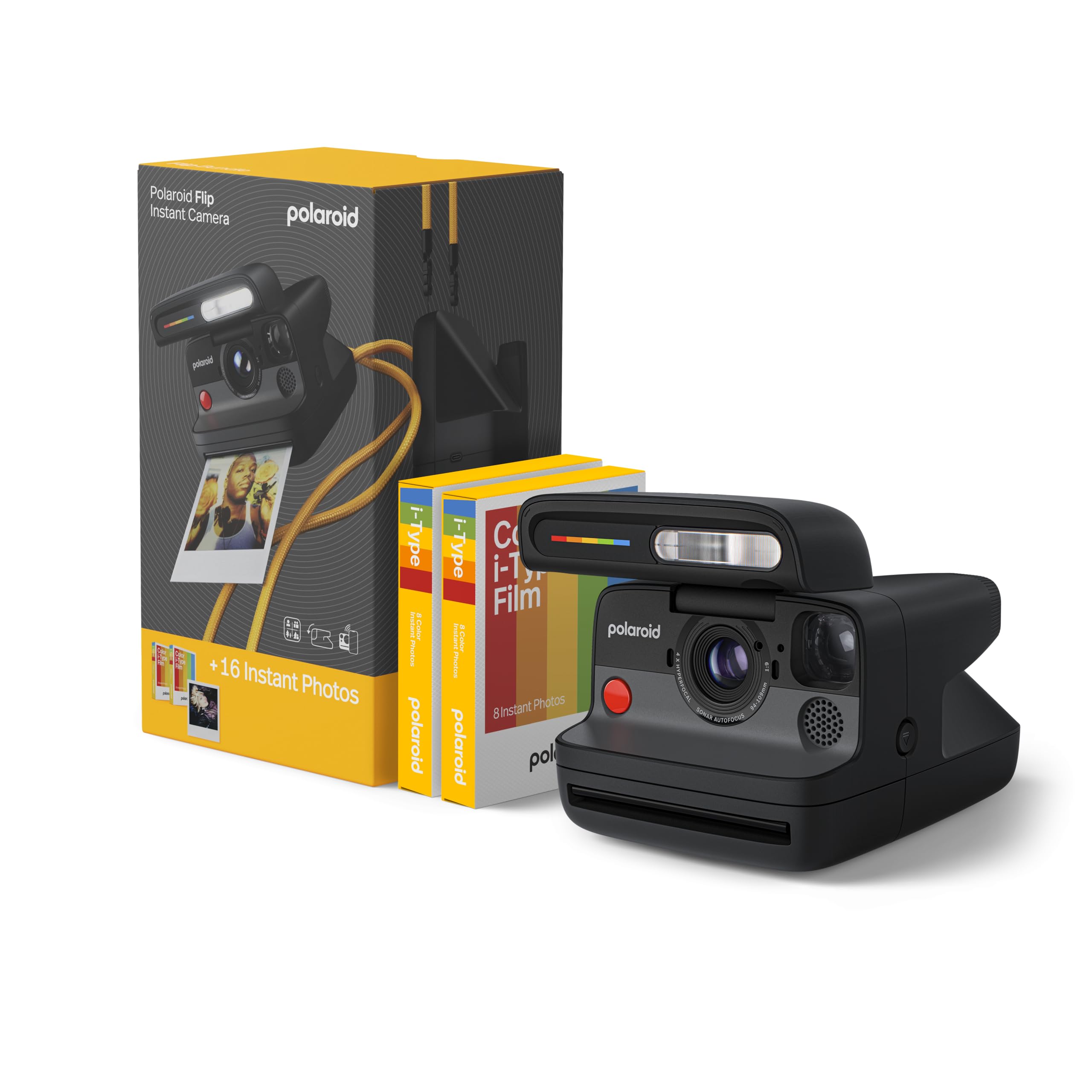
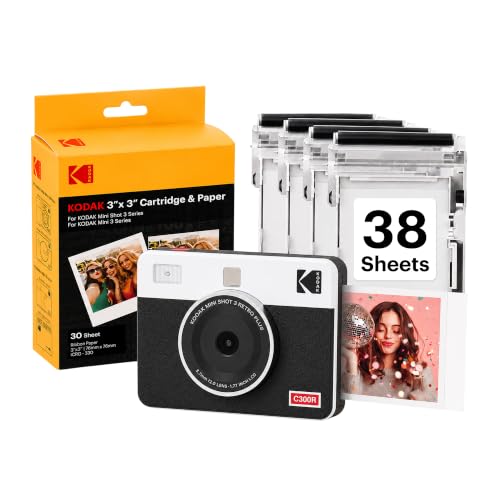

Each path changes the cost per print, the print size, and the image quality you should expect. The sections below walk through user groups, print priorities, key features, and common mistakes.
Who Should Buy Which Cameras That Print Photos?
Printing cameras serve very different routines, and the right type follows the routine, not the spec sheet. A student who prints a few photos a week needs low running costs and simple operation. A traveler needs a light camera that survives a bag and prints without a computer.
A creator needs reliable color and flexible file options. Read the groups below and pick the one closest to your week, not the one with the most features.
For Students and Everyday Users
Students and everyday users benefit most from simple operation, steady battery life, and low cost per print. A pocket instant model fits this group well, because it prints small photos without cables or apps. Look for easy loading, a clear battery indicator, and film or paper that is easy to find locally.
Skip large sensor models if your prints stay small, since the extra detail will not show on a wallet sized print. The goal is a camera you actually carry and use, not one that stays home because it feels bulky.
For Frequent Printers and Small Sellers
People who print often, such as market sellers or journal makers, need to watch running costs above all else. Cost per print varies widely, and a cheap camera with expensive paper can cost more within months than a pricier model with affordable supplies. Look for paper packs sold in larger quantities, a battery that lasts a full session, and a print size that matches your product or page.
Skip decorative print borders and filters if they add cost without helping your work. For this group, a simple and repeatable printing routine beats novelty features.
For Travelers and Commuters
Travelers and commuters need a light camera that packs well, starts quickly, and prints without fuss. Weight and pocket size matter more than maximum print size, because a camera left in a hotel room prints nothing. Look for a sturdy body, a cover or case, and a battery that survives a day of walking and printing.
Weather sealing helps for outdoor trips, though no pocket printer should be left in rain. Skip bulky docks and desktop software, and choose a model that prints straight from the camera while you are still on the move.
For Remote Workers and Creators
Remote workers and creators need flexible files as well as prints, because the same photo may go to a client, a social post, and a framed print. Look for a camera that saves a digital file alongside the print, so you are not locked into one small print size. Color accuracy matters here, since a print that looks warm on paper but cool on screen will cause reprints.
Reliable connectivity, such as a simple app transfer, saves time when you need to share a file quickly. Skip models that print only, with no file option, if your work also lives online.
Picking the Right Cameras That Print Photos for Different Uses
Use cases change which print path makes sense. A party camera should print fast and cheap, while a keepsake camera should print larger and sharper. A journal camera should print small and stick easily to a page, while a seller camera should print consistently in batches. Decide your main use first, then let that use set your budget and your print size.
Best Cameras for Print: What to Prioritize
When print quality is the priority, three criteria matter most: print size, color handling, and cost per print. Print size decides whether the photo works as a keepsake, a gift, or a framed piece, so check the finished size, not just the camera size. Color handling decides whether skin tones and outdoor scenes look natural, so look for warm and cool balance rather than oversaturated color.
Cost per print decides whether you will keep printing after the first pack runs out. For general photo camera comparisons, see our guide to best photo cameras. For instant style options, see our guide to best instant photo cameras.
Key Features to Compare
The features below affect every print you make, so they deserve more attention than headline specs. Read each one against your main use: a feature that matters for framing may not matter for a party camera. Where a spec sounds technical, the explanation focuses on what you will notice in the finished print.
Sensor Size and Image Quality
Sensor size affects how much detail and how clean the low light performance will be, but megapixels alone do not tell the story. A larger sensor gathers more light and keeps detail in shadows, which helps indoor and evening photos. A smaller sensor can still produce a good small instant print, because the print size hides fine detail.
For larger prints through a home printer, sensor size and lens quality matter more, since flaws grow with print size. Judge image quality by the finished print size you want, not by the largest number on the box. For dedicated print focused models, see our guide to best print cameras.
Lens and Zoom Range
Lens choice shapes framing, group shots, and close details more than any other single feature. A wider lens fits a group at a table, while a longer lens suits portraits from across a room. Optical zoom keeps detail when you move closer, while digital zoom only enlarges the image and softens the print.
For printing, choose a lens that matches your usual distance, and skip extreme zoom claims that will rarely improve a small print.
Durability and Weather Sealing
Durability matters because a printing camera travels, gets handed around, and often lives in a bag with keys and bottles. A sturdy body and a lens cover protect against the knocks that end a camera's life early. Weather sealing helps for outdoor use, but it does not make a camera safe in heavy rain, and paper supplies should always stay dry.
For instant models, the paper compartment seal matters as much as the body, since damp paper jams and wastes prints. If you print outdoors often, prioritize a sealed body and a padded case over a slimmer design.
Size, Weight, and Ergonomics
Size and weight decide whether the camera leaves the house, which decides how many prints you actually make. A pocket model that fits a jacket pocket will be used far more than a larger model left at home. Grip matters too: a camera that feels secure in one hand is easier to hand to a friend for a group photo.
Button placement should let you print without hunting through menus, especially at events. For home printer based printing, see our guide to best printers to print photos. For wildlife subjects, see our guide to best cameras for wildlife photos.
Common Mistakes to Avoid When Buying Cameras That Print Photos
- Judging only by the camera price and ignoring the cost per print, which can double the real cost within months.
- Ignoring sensor size and lens quality, then being disappointed when a small print is enlarged for framing.
- Buying a model that is too large or too small for your routine, so it stays home instead of traveling with you.
- Skipping the warranty check, then paying for a repair that a longer warranty would have covered.
- Assuming every printing camera also saves a digital file, when some instant models print only.
Tips to Get the Most From Your Cameras That Print Photos
Small habits protect both the camera and the prints. Use a lens cloth, not your shirt, to clean the lens, since fabric can scratch coatings over time. Carry a spare battery on long days, because printing uses more power than just taking photos.
Store the camera in a dry, padded bag, and keep paper supplies away from heat and moisture. One habit many owners skip is checking the print settings before an event: a wrong size or filter setting can waste a whole pack. A short test print at home saves paper and frustration later.
Frequently Asked Questions
What specs matter most for beginners?
Beginners should prioritize simple loading, a clear viewfinder or screen, and steady battery life over advanced specs. Simple loading avoids wasted paper, which is the most common beginner frustration, and a clear screen helps you frame the shot before printing. Also check whether the model saves a digital file, since that option is easy to overlook.
How much should I spend on my first one?
Most first time buyers do well at about $80 to $200 for the camera, plus paper, because that range covers reliable instant models. Lower cost models work for occasional party prints, but their paper cost can surprise you. Some cameras include only a few sheets, so add a full paper pack to your first purchase budget and compare the total first month cost.
Is a smartphone enough instead?
A smartphone is enough if you are happy to print through a separate home printer or a print service, and it gives you larger prints and easy editing. A dedicated printing camera wins when you want a print in hand within minutes, without cables or apps. Handing someone a fresh print at an event feels different from promising to send a file later.
Which is better for low light?
A camera with a larger sensor and a brighter lens usually performs better in low light than one with a higher megapixel count alone. A built in flash helps, but it can wash out faces at close range. Low light flaws show more on a large print than on a small instant print, so expect better results from small prints.
Do instant cameras save digital files?
Some do and some do not. Hybrid models save a digital file and let you choose which photos to print, while simple film models print every shot. Check the storage details before you buy if you also want to share photos online.
Final Thoughts
Choose by print path first, then by print size and cost per print, and only then by extra features. Instant printing suits parties, gifts, and journals, while file based printing suits framing and albums. Check whether the camera saves a digital file, confirm the finished print size, and add paper costs to your budget before deciding. Best cameras that print photos earn their keep when printing becomes a habit, not a one time novelty, so check the product table above and pick the routine that matches your week.


