
Best Cameras on iPhones in 2026: Everything to Know Before Your First Purchase
Disclosure: We may earn a commission when you buy through links on this page, at no extra cost to you. As an Amazon Associate I earn from qualifying purchases. Learn more
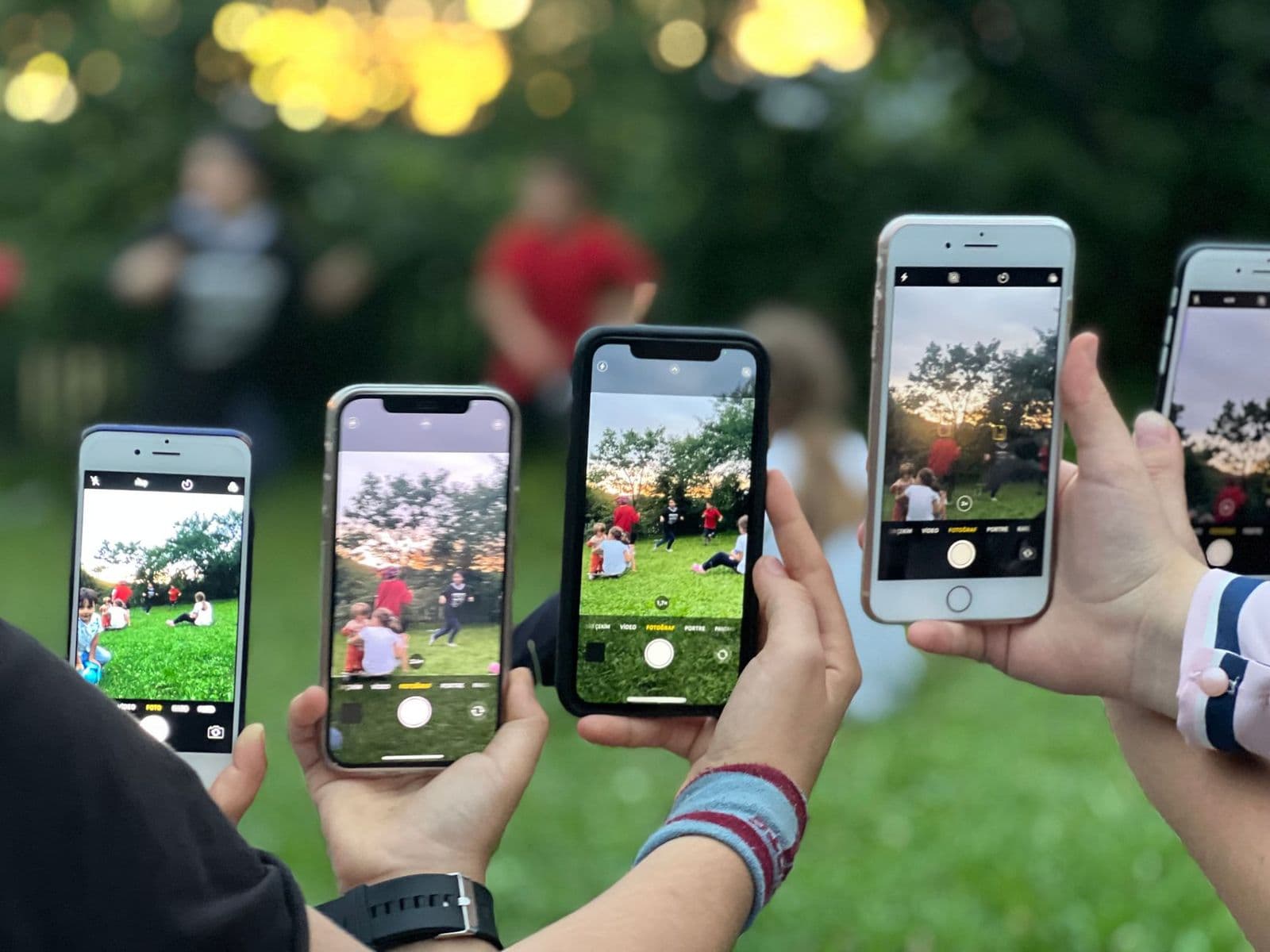
Compare iPhone cameras with a plain guide to lenses, zoom, night mode, video and storage, plus setup tips and mistakes first time buyers can avoid.
Buying your first iPhone mainly for its camera can feel confusing, because every model promises sharp photos and smooth video. The best cameras on iphones are not simply the ones with the most megapixels. They are the ones that fit how you shoot, carry and share, so use the sections below to match each model to your habits.
This guide starts with the plain basics, then explains lenses, zoom, night mode and video in simple terms. You will also find notes on cameras that pair with an iPhone for pets and home security.
Cameras on iPhones 101: The Basics for First Time Buyers
An iPhone camera is a small system, not a single lens. Most models pair a main camera for everyday shots with an ultra wide camera for tight rooms and big views, and some add a telephoto camera for subjects you cannot approach. The sensor behind each lens records light, while the aperture describes how much light the lens lets in.
Software joins several frames into one photo with balanced light and detail. In practice, the best cameras on iphones pair good glass and a capable sensor with that smart processing. An OLED screen shows rich color for review. If you are weighing a phone against a separate body, see our guide to the best digital cameras for how larger sensors differ.
Who Should Buy Which iPhone Camera Setup?
Start from the photos you take every week, not a rare shot you imagine once a year. For current handset options placed side by side, see our guide to the best iphone cameras.
Everyday Family Photographers
You shoot birthdays, school events and quick indoor moments, often with little warning. Prioritize a strong main camera, fast autofocus and reliable face detection, because missed focus ruins more family photos than low resolution ever will. An ultra wide lens helps at crowded parties.
Social and Video Creators
You record clips for sharing, so video quality and sound matter as much as still photos. Look for strong stabilization, a front camera that records at high resolution, and clear sound. Storage fills fast for you, so choose capacity with video in mind.
Travel and Low Light Photographers
You shoot city streets at dusk, meals in dim rooms and views you may visit only once. Prioritize a large main sensor, a wide aperture and a telephoto option for details across a square. Night mode matters more to you than bold digital zoom claims.
Key Features to Compare
Compare these factors in the same order for every model, so a low price cannot hide a weak lens set or cramped storage.
Main Sensor and Lens Set
The main camera does most of your work, so judge it first. A larger sensor gathers more light than a small one with the same megapixel count, which usually means cleaner indoor shots. Counts around 48 megapixels are now common on flagship phones. The processor merges frames to lift shadows and calm noise.
Optical Zoom and Telephoto Reach
Optical zoom uses a real lens to move closer, so detail stays sharp. Digital zoom only crops the image, and quality falls fast as you push in. Some iPhones offer a telephoto lens at about 3 times or 5 times the main view. If you shoot sports or stage events, true telephoto reach should rank high on your list.
Night Mode and Aperture for Low Light
Night mode holds the shutter open longer and blends several frames, which brightens a dark scene while steady hands keep it sharp. Aperture is written as a number such as f/1.6, and a smaller number means more light reaching the sensor. A wide aperture also blurs backgrounds more, which flatters portraits.
Stabilization for Photos and Video
Stabilization counters the small shakes your hands make with every shot. Optical systems move the lens or the sensor to steady the image, and they help most in low light and while walking during video. Record a short walking clip in the store to check the edges.
Front Camera and Portrait Mode
The front camera handles selfies, group shots at arm length and video calls, so check its resolution and whether it has autofocus. Portrait mode uses depth data to blur the background behind a subject, and better models trace hair and glasses more cleanly. If you appear on camera for work, microphone clarity deserves real attention too.
Storage, Photo Formats and Software Updates
iPhones offer no card slot, so the capacity you buy is the capacity you keep. Around 128 gigabytes suits light shooters who offload often, while 256 gigabytes or more suits regular video. Formats such as HEIF keep files smaller. Regular software updates often refine camera processing, so longer support can improve a model after purchase.
Cameras That Pair With an iPhone for Specific Needs
Sometimes the built in camera is not the right tool, because the camera must stay in one place or watch a room while you are away. These add on options send images and alerts to an app on your iPhone.
Best Pet Cameras for iPhone
When you shop for the best pet cameras for iphone, focus on what pet watching demands. You need a wide view of the room, clear night vision, and two way audio so you can speak to your animal. Motion alerts tuned for pets reduce false alarms from curtains. A steady WiFi link matters more than very high resolution.
Best External Cameras for iPhone
Shoppers comparing the best external cameras for iphone usually want a view the phone cannot give, such as a door, a crib or a desk while they travel. Check how the camera mounts and how its app handles live view. Battery models list capacity in mAh, and higher figures mean longer gaps between charges. For placement without cables, see our guide to the best wireless cameras for iphone.
Best Cameras for iPhone Security
The best cameras for iphone security use puts privacy and proof first. Look for motion detection that records a clip before and after movement, clear faces at the distance you need, and a choice between local storage and cloud storage. Before recording shared spaces, check local rules on audio recording. For wider coverage ideas, see our guide to the best surveillance cameras for iphone.
Getting Started: Setup and First Use for iPhone Cameras
Before your first outing, open the Camera app and turn on the grid, which helps you keep horizons level. Choose your photo format, set video resolution to a level your storage can handle, and wipe the lens glass. Fit a case that sits slightly proud of the lenses, plus a screen protector.
Then take practice shots where you shoot most, indoors, outdoors and at dusk, and view them at full size. Keep the phone charged on long shooting days, since video and night mode draw power quickly.
Rookie Mistakes to Avoid
- Judging a camera by megapixels alone leaves you with weak low light results and poor zoom.
- Buying the smallest storage size fills up within months if you record video often.
- Trusting high digital zoom numbers gives you soft, cropped images that disappoint when printed.
- Shooting through a smudged lens or a thick case edge adds haze and dark corners to photos.
- Skipping any backup plan means one lost phone takes your whole photo library with it.
Care and Maintenance for iPhone Cameras
Clean each lens with a dry microfiber cloth and gentle circles, because grit dragged across the glass can leave fine scratches. Skip household cleaners and paper tissue, which can harm coatings. Keep the phone away from keys and coins.
Back up your library on a regular schedule, and review storage monthly so a full phone never blocks a shot. Many iPhones carry an IP68 rating for splashes and brief shallow water, but seals weaken with age, so treat that rating as accident protection, not permission to shoot underwater.
Cameras on iPhones: Your Questions Answered
How much storage do iPhone camera users need for photos and video?
Most iPhone camera users should start at 256 gigabytes if they record video weekly. A minute of 4K video can use a few hundred megabytes, so one holiday can consume tens of gigabytes. Check your current usage in Settings first, because your habits predict your needs best.
How many years of software updates should an iPhone camera buyer expect?
An iPhone camera buyer should expect several years of software updates. Updates often improve processing, add shooting modes and fix focus quirks. Buy a model early in its life rather than one already sold for years, because the update clock starts at release, not at your purchase date.
Does 5G change photo quality on an iPhone camera?
No, 5G does not change the photo quality an iPhone camera captures, because the sensor and lenses do that work. It changes how fast you can back up large videos, share albums and download editing apps away from WiFi.
Is a mid range phone camera good enough for everyday iPhone photos?
Yes, a mid range phone camera is good enough for everyday photos in decent light. Mid range phones often share a capable main sensor with flagship phones. For prints at common sizes and sharing online, most viewers will not spot the difference.
Should iPhone camera buyers choose an unlocked phone?
Choosing an unlocked phone does not change the camera itself, because the hardware is the same across carriers. It changes your freedom to switch plans, use local SIM cards while traveling and resell the phone later. Travel shooters gain the most, since a local data plan makes cloud backup abroad simpler.
Our Verdict
For most first time buyers, three choices decide satisfaction: a main sensor that handles indoor light well, honest optical zoom for your subjects, and enough storage for video. Compare front camera quality, stabilization and price against your own habits.
When you judge the best cameras on iphones by your own habits rather than headline numbers, the right model usually becomes obvious. Start simple, and add a paired camera only when a clear need, such as pet watching or home security, calls for one.


