
Best Cameras Mobile: Portable Types Compared for 2026
Disclosure: We may earn a commission when you buy through links on this page, at no extra cost to you. As an Amazon Associate I earn from qualifying purchases. Learn more

Compare the best cameras mobile shoppers carry, from pocket gimbal and action cameras to compacts, with phone pairing, stabilization and budget advice.
Buyers who search for the best cameras mobile usually want a camera that is easy to carry and easy to connect to a phone, so photos and clips reach social apps within minutes. That means small, light cameras with fast wireless transfer, steady stabilization and simple controls. Some people instead want to compare camera phones, and a separate guide covers that. This page focuses on dedicated portable cameras, and the comparison table above lists current options to match against it.
Below you will find the camera types that suit a mobile lifestyle, the features that make phone pairing painless, what to spend and the mistakes to avoid.

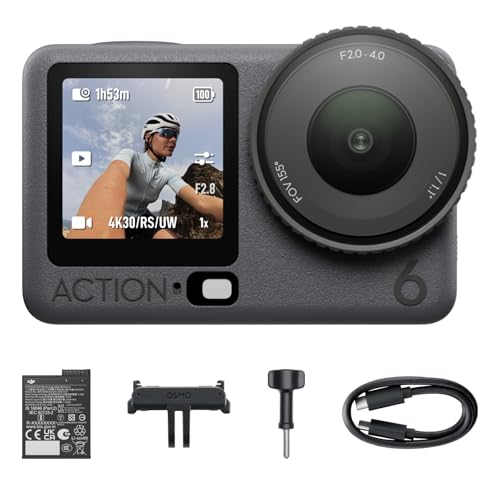



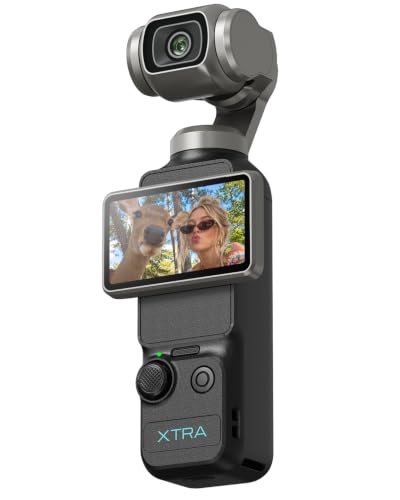
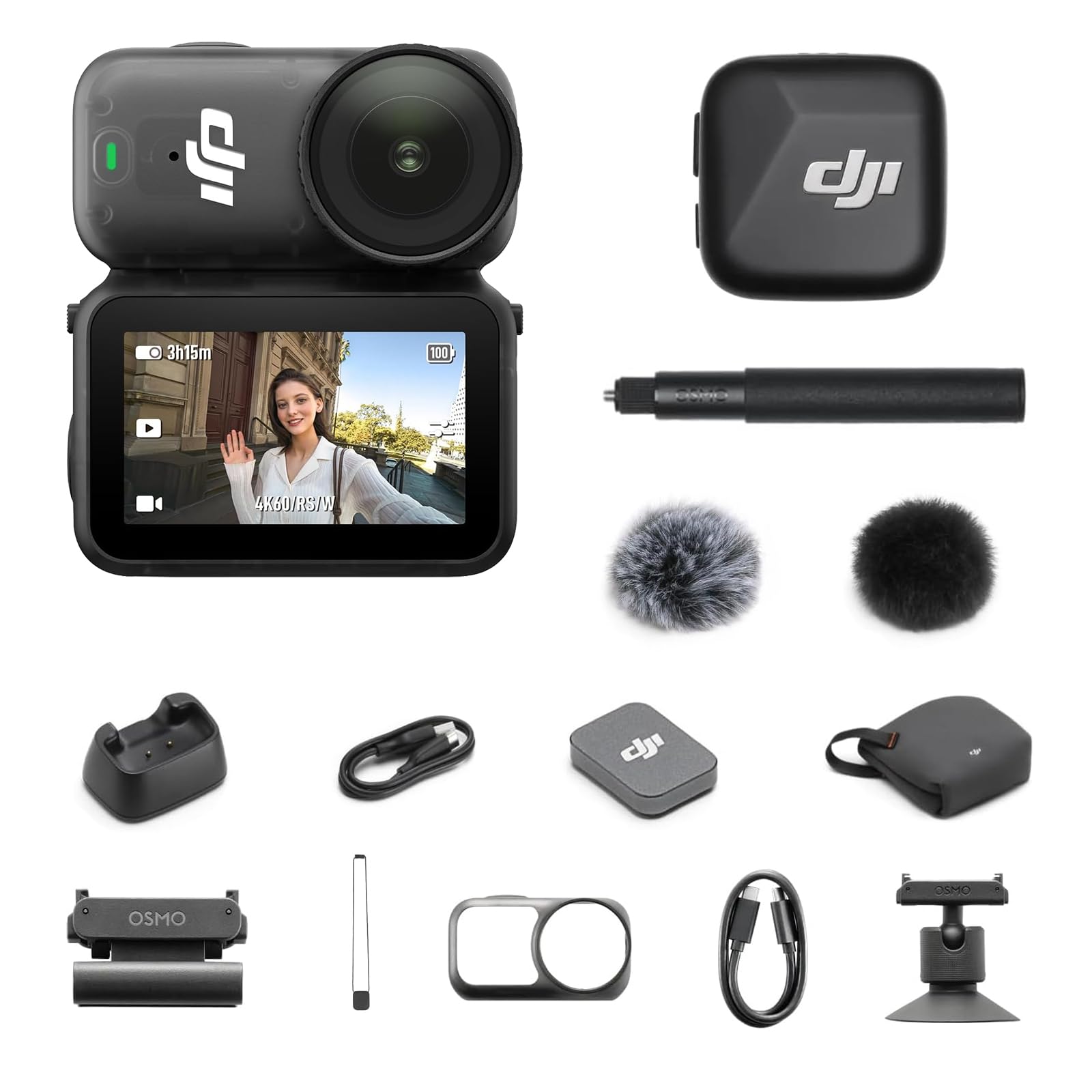
Best Cameras Mobile Types Compared
| Type | Best For | Strengths | Trade Offs | Typical Price |
|---|---|---|---|---|
| Pocket gimbal camera | Smooth walking video | Built in stabilization, tiny, fast phone link | Fixed lens, small screen | about $350 to $600 |
| Action camera | Sport, travel, wet weather | Tough, wide view, strong stabilization | Weaker indoors | about $150 to $450 |
| Compact camera | Everyday photos with real zoom | Larger sensor than a phone, optical zoom | Fixed lens | about $250 to $900 |
| Entry mirrorless | Best image quality on the go | Large sensor, lens choice | Bigger bag, higher cost | about $600 to $1,500 |
Pocket Gimbal Cameras
A pocket gimbal camera folds a small camera onto a three axis stabilizer, so walking video looks smooth without extra gear. Most connect to a phone app for remote control, quick editing and transfer, and some can attach to a phone for a larger preview. They suit travelers and daily creators who film on the move. Their small sensors struggle in dim rooms, so use them outdoors or in bright light.
Action Cameras
Action cameras are waterproof, shock resistant and wide, built for bikes, boats, slopes and beach days. A phone app handles settings, previews and downloads, and strong electronic stabilization keeps footage level. The very wide lens distorts faces up close, so treat one as a companion camera for adventure rather than your only camera. For wider choices, see our guide to the best digital cameras.
Compact Cameras
A compact with a one inch sensor beats a phone for optical zoom, grip and low light, while staying pocket sized. Built in WiFi or Bluetooth sends selected photos to your phone, which makes it a natural travel companion. You give up lens changes but gain simplicity.
Entry Mirrorless Cameras
A mirrorless body with a kit lens gives the cleanest photos and the most room to grow. Phone apps let you control the camera, geotag photos and share quickly. The kit is bigger, so choose it when image quality outweighs pocket size. For general photography advice, see our guide to the best cameras for photography.
Features That Make a Camera Truly Mobile
Phone Pairing and Transfer Speed
Check that the camera pairs quickly over Bluetooth and moves files over WiFi at a useful speed. A good app lets you pick favorites, send reduced size copies for social posts and keep originals on the card. Read recent app reviews, because a weak app turns a fine camera into a chore.
Size, Weight and Battery
The best portable camera is the one you actually carry. Compare total weight with lens, battery and case. Look for USB C charging so one cable serves phone and camera, and plan a spare battery for a full day out.
Stabilization and Autofocus
Stabilization matters because mobile cameras are often hand held while you walk. Gimbal and strong electronic systems smooth video, while in body or lens systems help photos in dim light. Face and subject tracking keep friends and pets sharp as they move.
Screen and Controls
A screen that flips toward you helps with selfies and vlogs, and touch focus lets you tap a subject quickly. Simple menus matter because you will adjust settings one handed on the move.
Durability and Weather Protection
A camera that lives in a bag or a pocket meets dust, rain and knocks. Action cameras are sealed by design, while compacts and mirrorless bodies offer varying sealing, so read the maker's notes before you rely on one in rain.
What to Spend
For the best cameras mobile buyers consider, about $150 to $350 buys a capable action camera or a basic compact with phone transfer. About $350 to $700 buys a pocket gimbal camera or a one inch compact with strong stabilization and a better app. About $700 to $1,500 buys an entry mirrorless kit with a kit lens. Keep roughly $60 to $120 aside for a fast memory card, a spare battery, a case and a small mount or grip, because accessories decide whether the camera is ready when a moment arrives.
Mobile Camera or Camera Phone
A modern camera phone is excellent for quick snapshots and instant sharing. A dedicated mobile camera adds optical zoom, a larger sensor, built in stabilization for video, weather sealing and longer recording without calls or alerts interrupting. If you want to compare phones instead, see our guide to the best mobile phone cameras. If you plan to stream gameplay from a handheld device, see our guide to the best mobile game cameras. The two choices work together, since many people keep a phone for sharing and a camera for quality.
Common Mistakes to Avoid
- Buying a camera with a slow or unreliable phone app, then never using the wireless features.
- Choosing a heavy kit for travel and leaving it at the hotel.
- Expecting an action camera to match a larger sensor indoors.
- Forgetting storage, cables and a spare battery in the budget.
- Judging a camera by megapixels instead of sensor size and stabilization.
Care Tips
Wipe lenses with a soft lens cloth, since pocket lint and fingerprints soften photos. Rinse an action camera with fresh water after salt or sand and dry it fully. Store the camera in a padded pouch, charge batteries before long trips and update the camera and app software when the maker releases fixes.
Questions Answered
How much should I spend on my first mobile camera?
Most first buyers do well at about $250 to $600 for a compact, action or pocket gimbal camera, plus a small allowance for a card and spare battery.
Is a smartphone enough instead of a mobile camera?
For casual sharing in good light, yes. A dedicated camera helps with optical zoom, dim rooms, long video sessions and weather, and it frees your phone for calls.
Which is better for low light, an action camera or a compact?
A compact with a one inch sensor is usually better in low light than an action camera. A mirrorless body is better still, at a higher cost.
What does optical zoom mean?
Optical zoom uses lens movement to bring subjects closer and keeps full detail, while digital zoom only crops and softens the picture. Compare the optical range when you shop.
What specs matter most for beginners?
Phone app quality, stabilization, battery life and a simple screen matter more than resolution numbers.
The Bottom Line
Pick the type that matches how you move, confirm the phone app works well and budget for a card, battery and case. Use the product table above to compare current options, and the best cameras mobile choice will be the one that goes everywhere with you.


