Best Cameras for Wedding Videography: A Budget Guide for 2026
Disclosure: We may earn a commission when you buy through links on this page, at no extra cost to you. As an Amazon Associate I earn from qualifying purchases. Learn more

Learn what cameras for wedding videography need for ceremonies and receptions, from low light autofocus to audio and battery life, at each budget level.
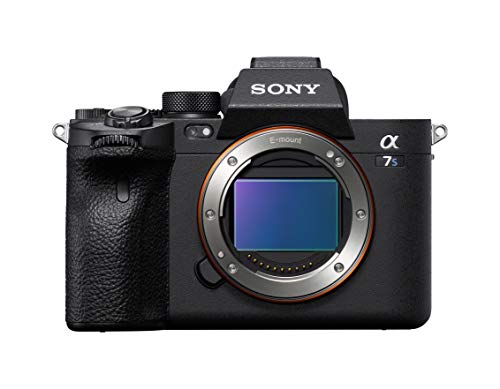
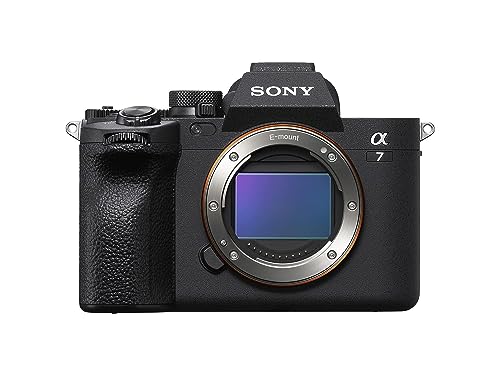
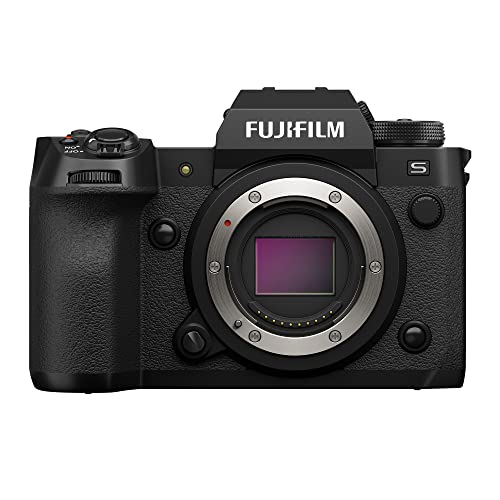
Choosing best cameras for wedding videography is different from choosing a camera for holidays, because a wedding cannot be restaged if a shot is missed. This guide explains what each budget level typically delivers, which upgrades matter most, and which features you can safely skip. The comparison table below can help you compare the main camera types before you commit.
Wedding work rewards reliability above novelty. You need steady focus in dim light, clean audio in noisy rooms, enough battery for a long day, and files that edit smoothly afterward. Keep those four needs at the center of every decision, and price becomes much easier to judge.


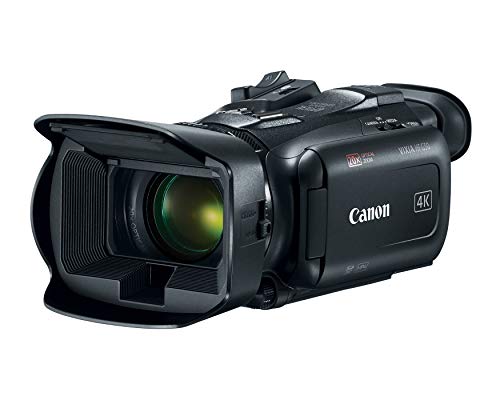

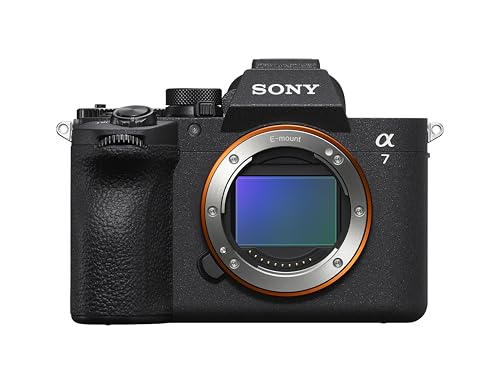
Wedding Day Demands That Shape the Choice
A wedding day moves from bright outdoor portraits to a dim ceremony, then to a loud reception with dancing and speeches. A camera that only shines in daylight will struggle exactly when the moments matter most. Look for dependable autofocus that tracks faces without hunting, stabilization that smooths handheld movement down an aisle, and a sensor that keeps skin tones natural in mixed lighting. Audio matters just as much as picture quality, because vows and speeches lose their impact when voices sound distant or muffled.
Long days add a second test: endurance. Ceremonies, portraits, and receptions can stretch across ten hours or more, with little time to recharge between locations. A camera with a large battery, a second battery slot, or USB C top up charging will reduce stress far more than a small spec advantage. File handling matters too, because long clips, dual card slots, and a sensible recording format make backup and editing much safer.
If you also film general video work, see our guide to best cameras for videography.
Budget Guidance for Wedding Videography
Use the tiers below as a planning aid, not as a ranking of products. Each tier describes what you can reasonably expect, what you may give up, and who it suits best.
A Sensible Starting Budget
A lower budget usually buys a capable mirrorless or advanced compact camera with 4K video, decent autofocus, and a kit lens. Expect good results in daylight and well lit receptions, but softer detail and more noise in very dim churches and evening venues. You may need to add a fast prime lens, an external microphone, and spare batteries to reach a professional standard. This tier suits a second shooter, a small intimate wedding, or a filmmaker building experience before investing more.
A Comfortable Middle Budget
A middle budget typically adds a larger sensor, stronger low light performance, faster and more reliable face tracking, and better stabilization. You also gain more lens choice, dual card slots on some bodies, and longer battery life, all of which reduce risk across a long day. This is the tier where most wedding filmmakers find the best balance between image quality and total cost. It suits a main shooter covering a full day, including a dim ceremony and a lively reception, without needing constant workarounds.
A Higher Budget for Demanding Work
A higher budget buys headroom rather than a different kind of picture: cleaner high sensitivity footage, more robust codecs for editing, stronger weather sealing, and faster, quieter lenses. You may also gain better heat handling for long continuous clips and more flexible audio inputs for professional microphones. These gains matter most for large venues, fast moving receptions, and filmmakers who deliver films under tight deadlines. For smaller weddings, the same money may be better spent on lenses, lighting, and audio gear.
For a related angle on dedicated video bodies, see our guide to best video cameras for wedding videography.
Features Worth Paying For (and Ones to Skip)
Not every premium feature helps on a wedding day. The four areas below show where extra spending usually pays off, and where it often does not.
Battery Life and Charging
Battery life deserves a high place on any wedding checklist, because a dead battery during vows cannot be fixed with a better lens. Look for a rated life that covers ceremony plus portraits on one charge, then carry at least two spares and a charger you can use between locations. USB C charging helps when a power bank or a laptop is nearby, but check whether the camera can record while charging. Skip exotic battery grips unless you truly need all day continuous shooting, since they add weight and cost for modest gains.
Sensor Size and Image Quality
Sensor size affects low light cleanliness, depth of field, and how much you can crop without losing detail. Common sizes include 1 inch, APS C, and full frame, with larger sensors generally costing more and needing larger lenses. Megapixels alone do not decide video quality, because processing, lens quality, and codec choice matter just as much. For most weddings, an APS C or full frame sensor gives a pleasing balance of low light performance and manageable file sizes.
Avoid chasing the highest resolution on offer if it forces heavy files, short battery life, or overheating during long clips.
Size, Weight, and Ergonomics
A wedding camera must feel good after hours of handheld shooting, stair climbs, and quick moves between rooms. A smaller body is easier to carry and less distracting during a ceremony, while a larger body may offer better balance with long lenses and easier access to audio controls. Check grip shape, button placement, and screen brightness, since you will adjust settings in dark rooms and bright sunlight on the same day. Skip oversized rigs unless you genuinely need them for stability, because fatigue leads to shaky footage late in the evening.
Features That Matter for Wedding Videography
Wedding videography needs reliable face and eye tracking, smooth stabilization, and clean audio inputs above most other specs. Dual card recording adds safety for irreplaceable moments, and a headphone jack lets you catch audio problems before they ruin a speech. A flip screen helps for low angles and self checks, while a silent shutter mode or quiet operation keeps you unobtrusive during vows. Features worth skipping include extreme slow motion you rarely deliver, novelty filters, and very high frame rates that demand heavy storage.
For stills coverage alongside video, see our guide to best wedding cameras.
Long Term Costs to Factor In
The camera body is only part of the total cost of wedding work. Lenses, fast memory cards, spare batteries, microphones, lighting, and a sturdy bag add up quickly, and they often outlast any single body. Editing also costs time and storage, because long 4K clips need fast drives and a capable computer. Warranty length, repair access, and the price of replacement batteries deserve a check before purchase, since a wedding business depends on gear that can be serviced quickly.
Plan the full kit budget first, then choose a body that leaves room for the accessories that actually protect the day.
FAQs
What features matter most in cameras for wedding videography?
Reliable face tracking, strong low light performance, effective stabilization, and clean audio matter most for wedding videography. Those four features decide whether vows stay sharp, whether aisle walks look smooth, and whether speeches sound clear in a noisy room. Dual card recording adds valuable safety for moments that cannot be repeated. Battery life and heat handling matter too, because long ceremonies punish cameras that overheat or drain quickly.
Lens choice and lighting skill still shape the final film, but no lens can rescue missed focus or unusable audio.
What specs matter most for beginners?
Beginners should focus on sensor size, autofocus reliability, stabilization, battery life, and audio inputs, in that order. Those specs decide whether footage stays usable across a full wedding day, from a dim ceremony to a loud reception. A simple menu and a clear auto exposure mode also help, because wedding moments leave little time to hunt through settings. Ignore extreme resolutions and burst rates that do not improve delivered films.
Start with a versatile zoom lens and an external microphone, since those two additions improve results faster than a more expensive body alone.
Is a smartphone enough instead?
A modern smartphone can capture pleasant clips in bright light, but it struggles with the full demands of wedding videography. Small sensors lose detail in dim churches, digital zoom softens distant moments, and built in microphones pick up room noise during vows. A dedicated camera offers larger sensors, real optical zoom, external microphone inputs, and longer continuous recording. For a guest capturing memories, a phone is fine and unobtrusive.
For a hired filmmaker delivering a finished film, a dedicated camera remains the safer and more flexible choice.
How much should I spend on my first one?
A sensible first budget depends on whether you film weddings regularly or only occasionally. Around $800 to $1,500 buys a capable body and kit lens for smaller weddings and second shooter work. Around $1,500 to $3,000 opens up larger sensors, better low light results, and more reliable autofocus for full day coverage. Above that range, spending mainly buys headroom for difficult venues and faster delivery, not a different kind of film.
Reserve part of every budget for a microphone, spare batteries, and fast memory cards, since those accessories protect the day directly.
Which is better for low light?
A larger sensor paired with a wide aperture lens usually gives the cleanest low light footage, because it gathers more light before noise becomes obvious. Good stabilization also helps, since it lets you hold steadier shots without raising sensitivity as far. A fast prime lens often improves dim ceremony footage more than a new body, because it lets in far more light than a slow kit zoom. Add a small on camera light for receptions only when it suits the venue and the couple, since harsh light can distract guests.
Final Thoughts
Match the camera to the hardest parts of the day: dim ceremonies, long hours, moving subjects, and noisy speeches. A middle budget body with a fast lens, an external microphone, and spare batteries will cover most weddings with confidence. Check the product table above once more, total the full kit cost, and choose the setup you trust to keep recording when moments cannot be repeated. With best cameras for wedding videography as your guide, preparation and practice will matter just as much as the camera itself.