Best Cameras for Vlogging Beginners: What to Buy and What to Skip for 2026
Disclosure: We may earn a commission when you buy through links on this page, at no extra cost to you. As an Amazon Associate I earn from qualifying purchases. Learn more

New creators can compare the best cameras for vlogging beginners by screen, autofocus, sound and lens width, with a simple plan for the first month.
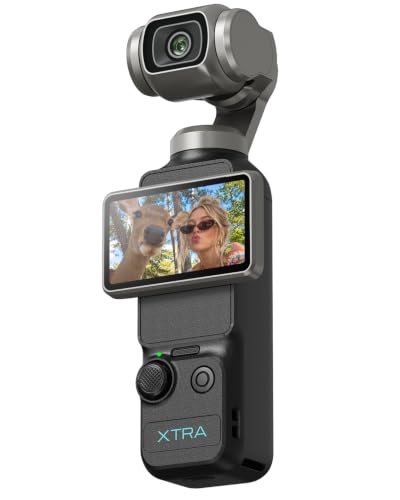
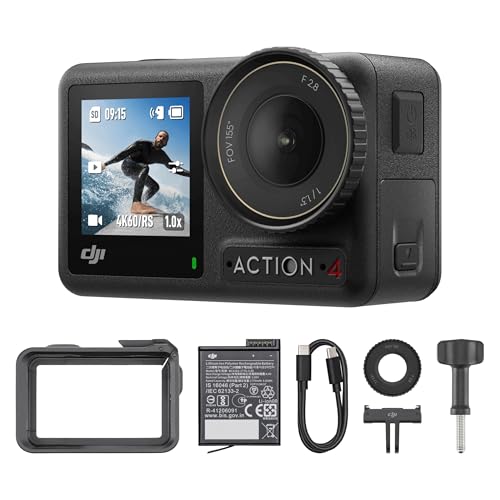
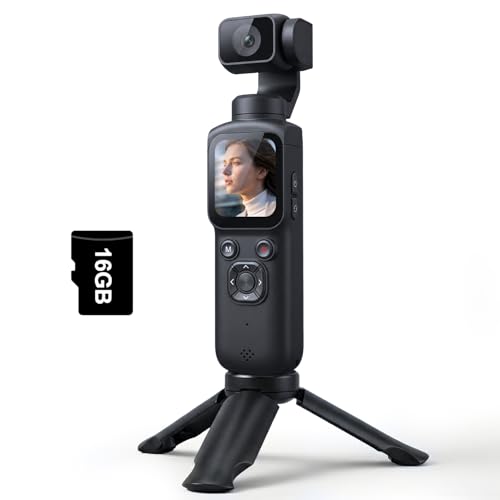
A new vlogger needs a camera that is easy to point at your own face, forgiving in ordinary room light and simple enough to run without reading a manual. The best cameras for vlogging beginners are not the ones with the longest feature list. They are the ones that make your first twenty videos look clean, sound clear and take little effort to start, so you keep filming. The comparison table above puts current beginner friendly options side by side.
This guide explains what a beginner should care about, what to ignore for now, which camera styles fit best and what to do in your first month with the camera.





What a Beginner Vlogger Actually Needs
Four things decide whether a first vlogging camera feels good or frustrating, and none of them is the headline resolution.
A Screen That Faces You
When you film alone, you cannot see your framing unless the screen turns toward you. A fully flipping screen lets you check that your head is in frame, that the light looks right and that the camera is recording. A screen that only tilts up from the bottom does not do this job, so check the hinge, not just the screen size.
Autofocus That Holds Your Face
Face and eye detection keep you sharp when you lean, gesture or hold a product to the lens. The best systems stay calm instead of hunting back and forth, because pulsing focus is the first flaw viewers notice. Touch to focus helps when you switch between your face and an object.
Clear Sound
Viewers forgive soft video sooner than muffled or echoing audio. A microphone input lets you plug in a small microphone later, and a built in windscreen helps outdoors. If a camera has no input, plan to record voice on a phone as a backup.
A Lens That Is Wide Enough
You hold the camera at arm length, so a wide view keeps your face and some background in frame. A lens that starts around 20 to 24 mm in full frame terms is comfortable, while a narrow lens forces an awkward stretch or a tripod far back.
Best Cameras for Vlogging Beginners by Style
Compact Vlogging Cameras
A compact built for creators has a flip screen, face focus and often a microphone input in a body you can hold with one hand. Prices run about $250 to $750, and setup takes minutes. The limit is a fixed lens, so you cannot change the look later. For most new vloggers this is the easiest starting point, and it matches what many guides to the best cameras for vlogging recommend first.
Entry Mirrorless Cameras
A mirrorless body with a kit lens gives larger sensor quality, softer backgrounds and room to grow. It costs more, weighs more and asks you to learn a few more settings. Choose it if you already know you will film every week for a long time, or if you want good photos too. For lens based systems in general, see our guide to the best DSLR cameras for beginners.
Action and Pocket Cameras
Small, tough cameras with strong stabilization make walking footage smooth. Their small sensors struggle indoors, so they suit outdoor, travel and sport vlogs better than desk talks. Many beginners use one as a second camera.
Which Style Fits Your Routine
Match the style to where you film most. If you sit at a desk or in the kitchen and talk to the camera, a compact with a flip screen and a microphone input is the calmest choice, because the camera stays on a small tripod and you control the light. If you walk and talk through streets or parks, weight and stabilization matter more, so a small compact or an action style camera with a short grip suits you better than a larger body. If you want one camera for family photos, travel and video, an entry mirrorless kit gives the most flexibility, at the cost of a bigger bag. Be honest about your routine, because a camera that fits the way you actually film will be used, and a camera chosen for an imagined routine usually is not.
What to Ignore for Now
You do not need 8K video, extreme slow motion, a dozen color profiles or a huge zoom range for your first videos. Clean 1080p or 4K video, steady focus and good sound are enough. Megapixel counts matter little for video, and a large number on the box rarely means a better picture. Spend the saved money on a small light, a memory card and a spare battery, which improve your footage more than a pricier body.
Your First Month With a New Camera
Charge the battery fully, format the memory card inside the camera and set the date and time. Choose 1080p at 30 frames per second for your first videos, since it keeps files small and editing easy on almost any computer. Record a one minute clip at your usual spot, then watch it with headphones to check framing, focus and sound before you film anything important. Place a lamp or a window in front of you, never behind you, and keep the camera at eye level. After a week, review what bothered you most, because that tells you which feature to prioritize if you upgrade later. If you want a wider overview before buying, see our guide to the best digital cameras.
Common Mistakes to Avoid
- Buying for resolution and ignoring the screen, so filming alone becomes guesswork.
- Skipping a microphone plan and publishing videos with echoing room sound.
- Choosing a heavy kit that stays on the shelf after the first week.
- Filming with a bright window behind you, which turns your face into a shadow.
- Spending the whole budget on the body and nothing on a card, battery or light.
Care Tips
Clean the lens with a soft lens cloth instead of your shirt, store the camera in a dry padded bag and keep a spare battery charged. Copy files to a computer before you format the card, and update the camera software when the maker offers a fix. Handle the flip screen gently, since the hinge is the part that wears first.
Questions Answered
What makes a camera good for vlogging beginners?
A flip screen, steady face autofocus, a wide lens and a way to improve sound make a camera good for beginners. Simple menus matter too, because you will adjust settings while talking.
Is a smartphone enough to start vlogging?
Yes, a recent smartphone is enough to start, and many creators film their first month on one. A dedicated camera helps when you want longer recording without alerts, a microphone input or a lens that flatters arm length framing.
How much should a beginner spend on a vlogging camera?
About $250 to $600 covers a good compact or an older mirrorless kit, with about $50 to $100 more for a card, a spare battery and a small tripod.
Which camera type is better for low light?
A camera with a larger sensor, such as a one inch compact or a mirrorless body, handles dim rooms better than a small action camera. Adding a lamp helps every type.
What specs matter most for beginners?
Screen direction, autofocus quality, lens width and a microphone input matter most, while resolution and megapixels matter least. For a lower budget route, see our guide to the best quality cameras for beginners.
The Bottom Line
Pick a camera you can frame alone, trust to stay in focus and improve with a small microphone. Use the product table above to compare current options, and the best cameras for vlogging beginners will be the ones that make filming easy enough to repeat every week.