Best Cameras for Tourists: Types Compared and How to Choose for 2026
Disclosure: We may earn a commission when you buy through links on this page, at no extra cost to you. As an Amazon Associate I earn from qualifying purchases. Learn more

Compare compact, mirrorless and action types for size, zoom and low light results to choose the best cameras for tourists on city breaks and beach weeks.
Choosing a travel camera feels confusing because every type promises great photos, yet each one asks you to carry, charge, and learn it in a different way. The right choice depends on how you travel, what you photograph most, and how much gear you want in your bag each day.
Start with the best cameras for tourists comparison in the comparison table below, then use the sections that follow to check size, zoom, and ease of use.






Types of Cameras Compared
Three camera families cover almost every trip, from city breaks to safaris and beach weeks. The product table above gives you a quick side by side view of price and size, while the notes below explain how each type feels in daily use. Think first about your subjects, because a camera that suits street scenes may frustrate you at a distant landmark.
If you are still deciding whether a dedicated camera is worth carrying at all, see our guide to the best digital cameras for a broader look at formats beyond travel use. Smaller cameras are easier to carry all day, while larger cameras give you more control and better results after dark.
Point and Shoot Compacts
Point and shoot compacts use a fixed lens and a small body that slips into a jacket pocket or a small belt pouch. You turn the camera on, frame the scene on the rear screen, and press the shutter, with auto modes handling focus and exposure for you. That simplicity is their main strength on busy tours where moments pass in seconds and you cannot stop to change settings.
The limits show up when light drops or subjects sit far away. Small sensors struggle in dim restaurants, and digital zoom beyond the optical zoom range softens detail fast. Compacts suit travelers who value lightness above all, take mostly daylight photos, and want better zoom reach than a phone offers. Most models cost about $200 to $500.
Mirrorless Cameras
Mirrorless cameras use larger sensors and interchangeable lenses, yet they stay smaller than older DSLR designs because they have no mirror inside. You can start with the kit lens for general travel, then add a wide lens for interiors or a telephoto lens for distant detail later. Image quality in low light is the clearest step up from a compact, and controls let you grow as your skills improve.
The cost is bulk, price, and decisions. A body plus two lenses can fill half a day bag, and changing lenses outdoors invites sensor dust. Mirrorless suits tourists who photograph on most trips, print large, or shoot a lot at dawn and dusk. Expect to pay about $600 to $1,500 for a body with a kit lens.
Bridge Superzoom and Action Cameras
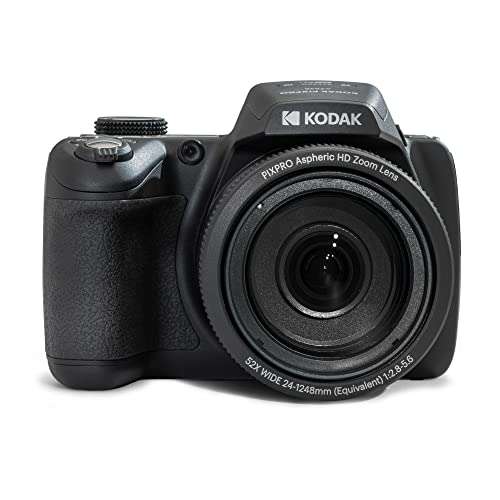
Bridge cameras look like small mirrorless models but keep one fixed lens with very long optical zoom, often reaching subjects hundreds of feet away. That reach makes them popular for safaris and cruises where you cannot walk closer. You give up some low light quality because the sensor stays small, but you avoid carrying separate lenses.
Action cameras take the opposite approach, with a tiny tough body, a very wide view, and strong video features for hikes and snorkeling. Many are weatherproof out of the box, but the wide view distorts faces up close and still photos are secondary. Bridge models cost about $300 to $800, while action models cost about $200 to $450.
Point and Shoot Compacts vs Mirrorless Cameras: Which Should You Choose?
Size decides many trips. A compact disappears into a pocket and draws little attention in markets, while a mirrorless camera needs a strap and a padded section in your bag. If you walk ten miles a day, that weight difference matters more by evening than any spec sheet suggests.
Image quality runs the other way. The larger sensor in a mirrorless camera holds detail in shadows and keeps night streets cleaner. Zoom reach favors the compact for its size, though a mirrorless camera with a telephoto lens will outresolve it when you can carry that lens.
Cost and learning curve complete the picture. Compacts cost less, need no extra lenses, and work well the moment you unbox them. Mirrorless cameras reward practice with manual controls and lens choices. Choose the compact for light, simple trips, and the mirrorless camera when photo quality is a main reason you travel.
How to Choose the Right Camera
Work through the factors below in order, starting with how you travel and ending with image quality. A camera that fails your daily carry test will stay in the hotel room no matter how strong its specs look on paper. Choosing among the best cameras for tourists gets much easier once you have narrowed your list to one or two types, so use the comparison table above again at that stage.
Features That Matter for Tourists
Tourists shoot in fast changing conditions, so useful features are practical ones rather than headline numbers. Look for optical zoom that covers wide scenes and moderate distance, a tilting screen for crowds and low angles, and USB charging so you can top up from a power bank on trains. Built in WiFi moves photos to your phone for sharing the same day, without a laptop.
Weight and start up speed deserve equal attention. A camera that powers on slowly will miss street moments, and one that feels heavy at breakfast will feel heavier by dinner. Check the listed weight with battery and card included, not the body alone.
Durability and Weather Sealing
Travel exposes cameras to rain, dust, sand, and knocks in crowded transit. Weather sealing uses gaskets around doors and dials to keep moisture out, but it is not the same as waterproof, so a sealed camera still needs shelter in heavy rain. Only models rated for immersion should go underwater, and only within the limits the maker states.
Check what sealing covers before you rely on it. On mirrorless cameras, the lens must be sealed as well as the body, or the mount stays a weak point. A weatherproof compact rated for drops and shallow water suits beach trips well. In all cases, dry the camera fully before opening any door or changing a battery.
Autofocus and Stabilization
Autofocus speed decides whether candid moments stay sharp. Modern systems track moving subjects and lock onto eyes, which helps with portraits of travel companions and with wildlife that will not pose twice. For group tours where you shoot once and move on, reliable face detection in auto mode matters most.
Image stabilization reduces blur from unsteady hands, on boat decks, and in dim interiors where shutter speeds drop. In body stabilization helps with any lens, while lens based stabilization only helps with lenses that include it. Stabilization cannot freeze a moving subject, so raise sensitivity in dark scenes instead of trusting the stabilizer alone.
Ease of Use for Your Skill Level
Be honest about how much you want to learn before the trip. If you shoot in auto mode on your phone today, a compact or a mirrorless camera with a strong auto mode will serve you better than a pro style body with buried settings. Touch focus, plain language menus, and a dedicated video button all lower the learning curve.
If you are buying your very first dedicated camera, see our guide to the best starter cameras for models built around simple controls. Whichever type you pick, practice at home first. Learn how to change sensitivity, review shots, and send photos to your phone before you are standing in an airport queue.
Sensor Size and Image Quality
Sensor size shapes low light results, depth of field, and how large you can print. One inch sensors in premium compacts improve on phone sized sensors, APS C sensors in most mirrorless cameras take another clear step, and full frame sensors sit at the top for night work. Bigger sensors also mean bigger lenses, so the gain always arrives with extra bulk.
Megapixels matter less than makers suggest. A 20 megapixel sensor is ample for large prints and modest cropping, and chasing the highest count can hurt low light results on small sensors. Readers who plan to study technique seriously can see our guide to the best cameras for photography for a deeper look at sensor formats. If fine detail ranks highest for you, see our guide to the best quality cameras before you decide how far up the sensor ladder to climb.
Care and Maintenance Tips
Clean the lens with a microfiber lens cloth, never your shirt, since grit in fabric can scratch the coating. Blow loose sand and dust off first with a small air blower, especially after beach days, and wipe in gentle circles from the center outward.
Carry a spare battery and a spare card, and store the camera in a dry padded bag away from sunscreen and leaking bottles. Let a cold camera warm up inside a sealed bag after you come indoors to limit condensation on the lens. Check straps and door latches weekly, since a worn strap is a common cause of drops on trips.
Cameras for Tourists: Your Questions Answered
What features matter most in cameras for tourists?
Fast autofocus, optical zoom, and easy phone transfer matter most in cameras for tourists. Those three cover missed moments, distant landmarks, and same day sharing, which are the problems travelers hit daily. Also weigh battery life in shots per charge rather than hours, since makers measure it under gentle conditions. A camera rated near 300 shots may need a midday top up on a heavy sightseeing day.
What does optical zoom mean in a tourist camera?
Optical zoom means the lens changes magnification by moving glass elements, so detail stays sharp across the range. A 10x zoom, for example, makes a distant tower appear ten times closer than at the wide setting. Digital zoom instead crops the image and discards detail, so treat it as a framing aid only. When you compare models, compare optical zoom figures and ignore digital zoom numbers entirely.
What specs matter most for beginners buying a tourist camera?
A clear auto mode, a tilting screen, and a lens that starts wide matter most for beginners buying a tourist camera. Wide coverage near 24 mm in full frame terms fits buildings and group shots in tight spaces where you cannot step back. Also check that the menu uses plain words and that help guides appear on screen. Those touches save more photos for new users than extra megapixels ever will.
Which tourist camera type is better for low light photos?
A mirrorless camera is better for low light photos because its larger sensor and fast lenses gather more light with less noise. Premium compacts with one inch sensors are the next choice and still handle lit streets and restaurants well. Whatever you carry, brace the camera on a railing or wall for still subjects at night. That simple support often improves a night shot more than raising sensitivity by several stops.
How much should I spend on my first tourist camera?
Spending about $300 to $700 covers most first tourist cameras with room for a spare battery and a case. Below that range, a good phone may match the results in daylight, so the camera must win on zoom or toughness to be worth carrying. Above that range, you are paying for larger sensors and lens options you should want for specific reasons. Set the accessory budget aside first so the camera is ready to travel.
The Bottom Line
Match the type to your trip first, then check autofocus, stabilization, and weather protection, and only then compare sensor size and price. Light packers will live happily with a compact, reach seekers with a bridge model, and quality focused travelers with a mirrorless kit. Use the product table above to confirm weight and price.
Whichever route you take, the best cameras for tourists are the ones you will actually carry, charge, and use every day of the trip. Buy early enough to practice at home, pack a spare battery, and let the camera serve the journey rather than run it.