
Best Cameras for Short Films for 2026: A Practical Buying Guide
Disclosure: We may earn a commission when you buy through links on this page, at no extra cost to you. As an Amazon Associate I earn from qualifying purchases. Learn more

Learn how to choose the best cameras for short films: sensor size, low light ability, lens choice, and sound, so you can plan a setup with confidence.
A short film asks a lot from a camera. You need clean images in mixed light, steady movement, clear sound, and a look that suits your story, all without a large crew or a large budget. The best cameras for short films make those jobs easier by giving you control over focus, exposure, color, and sound, and the comparison table below can help you weigh the main types side by side.
This guide compares camera types, features, and budgets so you can match a camera to the films you actually plan to make. It focuses on practical choices, such as sensor size, lens options, low light ability, and running costs, rather than on single specifications in isolation.


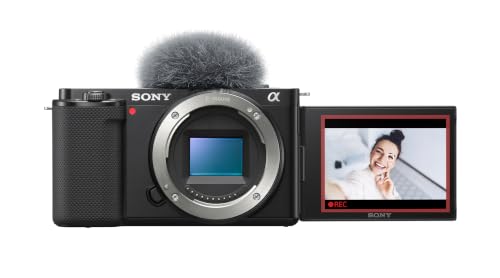
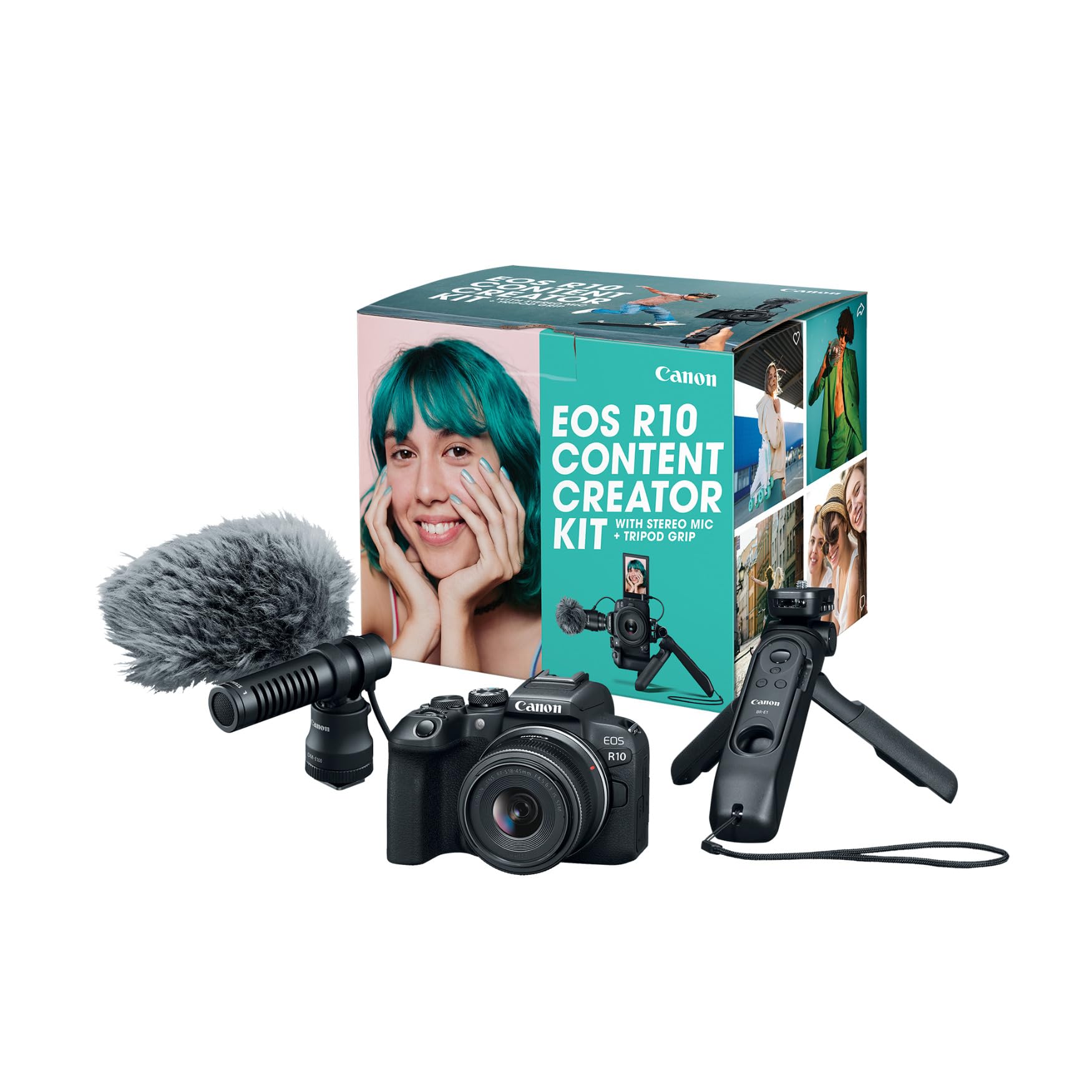
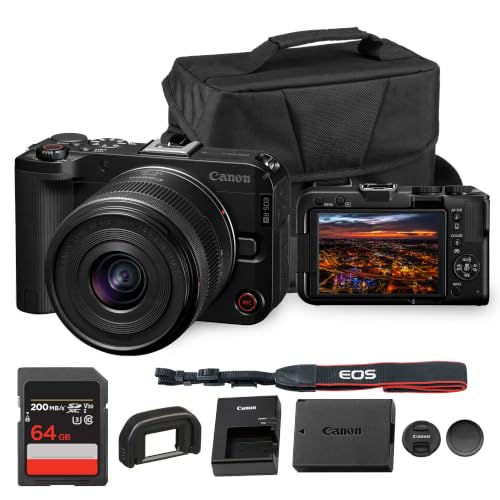


Who Should Buy Which Camera for Short Films?
New Filmmakers Learning the Craft
If you are making your first short films, choose a camera that is forgiving and easy to learn. Look for reliable autofocus, simple manual controls, good battery life, and a kit lens that covers wide rooms and closer portraits. A camera that is pleasant to carry and quick to set up will get used more often, and that practice matters more than any single specification.
Small Crews Shooting Narrative Work
A small crew needs a camera that works well with lights, microphones, and a tripod. Prioritize clean video output, a microphone input, manual exposure, and lenses that suit interiors and dialogue scenes. If you plan to shoot scenes with actors moving through a room, steady autofocus tracking and a flexible zoom range will save time on set.
Documentary Style and Run and Gun Shooters
If you shoot in real locations with little time to reset, weight, stabilization, and low light ability matter most. A compact body with strong stabilization, fast focus, and a bright lens helps you follow action without missing the moment. Weather resistance is also worth weighing if you shoot outdoors in rain, dust, or cold.
Key Features to Compare
Sensor Size and Image Quality
Sensor size affects depth of field, low light ability, and dynamic range, which is how well a camera holds detail in bright and dark areas at once. Larger sensors, such as APS C and full frame, often give a softer background and cleaner shadows, while smaller sensors keep more of the scene in focus and usually cost less. Megapixel count alone does not decide image quality, so weigh sensor size together with lens quality and video processing.
Low Light Performance
Short films often use lamps, windows, and practical lights rather than large lighting rigs, so low light ability is a real working concern. Look at usable ISO range, noise at higher ISO settings, and how skin tones hold up in dim rooms. A bright lens with a wide maximum aperture, such as f/1.8 or f/2.8, lets in more light than a slow kit lens and can make a bigger difference than a small sensor upgrade.
Lens and Zoom Range
Your lens shapes the look of a scene more than most other choices. A wide lens suits small rooms and group shots, a standard lens suits dialogue, and a longer lens suits portraits and detail shots from a distance. Optical zoom keeps image quality intact when you move closer, while heavy digital zoom softens detail. Check which lenses are available and affordable for the camera system before you commit, since lenses often outlast camera bodies.
Sound and Audio Inputs
Audiences forgive a slightly soft image far more readily than they forgive muddy dialogue, so sound deserves real attention. A microphone input lets you use a shotgun microphone or a lavalier microphone, and a headphone jack lets you monitor sound while you record. If you plan dialogue heavy scenes, budget for a microphone and wind protection as part of the camera setup, not as an afterthought.
Stabilization and Movement
Stabilization helps handheld shots look smooth, but it does not replace good technique or a tripod for locked off scenes. In body stabilization, lens stabilization, and electronic stabilization each have trade offs in crop, motion feel, and battery use. If you plan walking shots or tracking shots, test how the camera handles movement at your usual focal length, and consider a gimbal or a monopod for longer takes.
Durability and Weather Sealing
Short film shoots often run long, move between locations, and expose gear to dust, damp, and heat. Weather sealing, a sturdy mount, and a comfortable grip all help a camera survive real shoots. Keep in mind that sealing resists splashes and dust rather than guaranteeing protection in heavy rain, so carry a rain cover and a dry bag for harsh conditions. A spare battery and spare memory cards are also essential, since video files fill cards quickly.
Types of Cameras for Short Films
Mirrorless Cameras
Mirrorless cameras are the most flexible choice for many short filmmakers, with interchangeable lenses, strong video features, and bodies that suit both stills and motion. They cover a wide price range, from compact starter bodies to advanced models with high frame rates and detailed color controls. Their main trade offs are battery life during long shooting days and the cost of building a lens collection over time.
Compact and Point and Shoot Cameras
Compact cameras suit filmmakers who want a small, simple setup for travel, rehearsals, and behind the scenes work. They are easy to carry and quick to start, but fixed lenses limit framing choices and smaller sensors struggle sooner in low light. They work best when portability matters more than lens flexibility, or as a second camera for cutaway shots.
Action Cameras
Action cameras suit wide, immersive shots, such as movement through a space, vehicle mounts, and outdoor action. They are small, tough, and strongly stabilized, but their very wide view and small sensors limit portrait work and low light scenes. Use them as a specialty tool alongside a main camera, not as the only camera for dialogue driven stories. For more on planning a motion focused setup, see our guide to the best video cameras for short films.
Cinema Style Cameras
Cinema style cameras prioritize video controls, recording formats, and color flexibility over stills features. They often record detailed files that give you more room to adjust exposure and color in editing, but those files need faster cards, more storage, and a stronger editing computer. They suit filmmakers who already know their workflow and want maximum control in post production. If you are still learning, a mirrorless camera usually offers a better balance of cost, size, and ease of use, and our guide to the best cameras for making short films covers that planning angle in more depth.
Spending Levels: What Your Money Buys
At a lower budget, expect a capable starter body with a kit lens, basic stabilization, and solid video quality in good light. You may give up advanced low light ability, higher frame rates, and weather sealing, but you can still make strong films with careful lighting and sound. A middle budget usually buys a larger sensor, better autofocus, a microphone input, and a wider lens choice, which together make shooting faster and more flexible. At a higher budget, you pay for cleaner high ISO images, more recording formats, better stabilization, and tougher bodies, all of which help on demanding shoots but do not replace story, performance, and sound design.
Common Mistakes to Avoid
- Choosing a camera for one specification, such as resolution, while ignoring sound, lenses, and battery life.
- Buying a large sensor body and then having no budget left for lenses, a microphone, lights, or storage.
- Skipping a microphone input and headphone jack, then discovering dialogue problems only in editing.
- Assuming stabilization will fix shaky handheld work, instead of planning tripod, monopod, or gimbal shots.
- Forgetting running costs, such as spare batteries, fast memory cards, and hard drive space for video files.
- Ignoring local recording rules and location permissions when planning shoots in public or private spaces.
Care and Maintenance Tips
- Use a lens cloth, not your shirt, to clean glass, since fabric and grit can scratch coatings over time.
- Carry a spare battery and keep batteries warm in cold weather, since cold shortens shooting time.
- Store the camera in a dry, padded bag with silica gel packs to reduce moisture damage.
- Update firmware for autofocus improvements, but only with a full battery and a stable card.
- Back up footage to two drives after each shoot day, and check a few clips before reformatting cards.
Frequently Asked Questions
What features matter most in cameras for short films?
Sensor size, lens choice, low light ability, sound inputs, and stabilization matter most for short films, because they shape image quality, dialogue clarity, and usable shooting time. A microphone input and a headphone jack matter as much as resolution for dialogue scenes, while manual exposure and focus controls help you hold a consistent look across a scene. Start with those working features, then weigh frame rates, recording formats, and body size against your budget.
What specs matter most for beginners?
Beginners should prioritize reliable autofocus, simple manual controls, good battery life, and a versatile kit lens that covers wide and medium shots. A camera that is easy to carry and quick to set up encourages more practice, which improves results faster than advanced specifications. Add a basic microphone, a tripod, and spare cards before chasing a larger sensor or a faster lens, since those accessories solve common beginner problems.
How much should I spend on my first short film camera?
Plan a total budget that covers the camera body, a lens, a microphone, a tripod, spare batteries, and memory cards, rather than spending everything on the body alone. A starter setup around about $800 to $1,500 can cover many short film needs, while a middle setup around about $1,500 to $3,000 adds sensor size, lens choice, and sound flexibility. Spending more helps most when you already know which limits, such as low light or lens range, are holding back your work.
Which camera is better for low light short film scenes?
A camera with a larger sensor and a bright lens usually handles low light scenes better, since it gathers more light and keeps noise lower at higher ISO settings. Pair that combination with careful lighting, such as a window, a lamp, or a small LED panel, because even a capable camera benefits from shaped light on faces. Test high ISO footage on a large screen before a shoot, since noise that looks fine on a small display can stand out in a finished film.
Is a smartphone enough for a short film instead?
A smartphone can work for short films when the story suits its wide lens, small sensor, and fixed controls, especially in daylight. Its limits show up in low light, shallow depth of field, lens choice, and sound, where a dedicated camera and an external microphone give you more control. Many filmmakers start on a phone to learn framing and editing, then move to a dedicated camera when those limits shape their stories. If you want a film look rather than a phone look, see our guide to the best cameras with film for the film style angle.
What focal length suits dialogue scenes in a short film?
A standard focal length around 35mm to 50mm on a full frame equivalent suits most dialogue scenes, since it renders faces naturally without stretching features or flattening the room. Wider lengths suit small rooms and group shots but can distort faces near the edges, while longer lengths suit close portraits and detail shots from a distance. Choose your lens after blocking the scene, so camera position and lens work together. For stills driven projects with a similar visual goal, our guide to the best film photography cameras covers the stills side of that choice.
Final Thoughts
The right camera for your short film is the one that fits your story, your crew size, and your budget, with sound and lenses treated as part of the package. Weigh sensor size, low light ability, stabilization, and audio inputs together, and check running costs before you buy. The best cameras for short films reward careful planning, so test your setup on a short scene first and review the results on a large screen, and use the product table above to compare your shortlist before you commit.


