
Best Cameras for Professional Photographers in 2026: Types Compared and How to Choose
Disclosure: We may earn a commission when you buy through links on this page, at no extra cost to you. As an Amazon Associate I earn from qualifying purchases. Learn more

Compare the best cameras for professional photographers by type, sensor size, lens system and backup costs, with price bands and a pro buying checklist.
Choosing a camera for paid work is a different decision from choosing one for a hobby. The body has to earn its keep on deadline, in poor light, and in front of clients who expect clean files every time. This guide compares the main camera types side by side so you can see where each one fits, and it explains the best cameras for professional photographers through the factors that decide paid work: the lens system, backup options, service support, and file quality.
A professional purchase is a client purchase. When a body fails in the middle of a job there is no second chance, so a backup body, a service plan, and loaner access during repairs belong in the real price, not on a later wish list. Keep those costs in view as you read the comparison table below: the cheapest body is rarely the cheapest way to work.


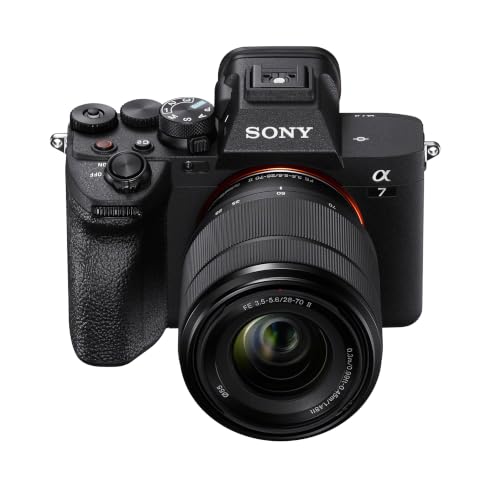

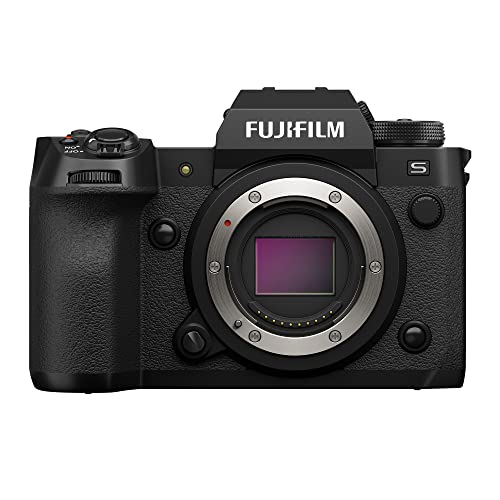


Types of Cameras Compared
Four body types cover almost all paid work, and each one trades speed, size, image quality, and cost in a different way. All four are digital systems, and our companion guide to the best digital cameras for professional photographers looks at the wider digital picture. Use the table to narrow your shortlist, then read the type notes.
| Type | Best For | Strengths | Tradeoffs | Typical Price |
|---|---|---|---|---|
| Mirrorless | Weddings, events, hybrid video work | Fast autofocus, silent shooting, strong video | Shorter battery life, higher body prices | About $1,500 to $4,000 |
| DSLR | Studio stills, sports on a budget | Long battery life, deep used lens market | Slower focus in live view, fading development | About $1,200 to $3,000 |
| Fixed Lens Compact | Travel, documentary, second body | Small, quiet, always ready to shoot | One focal length, no lens changes | About $900 to $1,600 |
| Medium Format | Commercial, fashion, large prints | Fine detail, tonal depth, print quality | Slow pace, high cost, heavy kit | About $4,000 to $7,000 |
Mirrorless Cameras
Most working photographers now start here. With no mirror in the way, the sensor handles focus directly, so eye detection and subject tracking stay accurate across the whole frame. Silent shooting suits ceremonies, and strong 4K video lets one body cover stills and motion briefs. The tradeoffs are battery life, heat on long takes, and prices that climb quickly. Our breakdown of the best mirrorless cameras for professional photographers covers the system details behind this type.
DSLR Cameras
The DSLR still earns its place where battery life and lens value lead the decision. The optical viewfinder shows the scene with no lag and no power draw, and a single charge can cover a full day of stills. A deep used lens market also lowers the cost of building a complete system. Focus in live view and video lags behind mirrorless, and makers are slowing new development, so long term lens support is a fair question to ask. The best dslr cameras for professional photographers remain a sensible buy for studio and stills led work.
Fixed Lens Compact Cameras
A fixed lens compact pairs a large sensor with one prime lens in a body that fits in a coat pocket. It will never replace a system camera, but as a second body it earns its space in the bag, because a camera that is with you beats a better one left at the studio. Constraints are real: one focal length, no weather sealing on some classes, and prices that approach entry system bodies. Our guide to the best compact cameras for professional photographers explains who this type suits best.
Medium Format Cameras
Medium format sensors are larger than full frame, and the payoff is fine detail, smooth tonal steps, and files that hold up in very large prints. Commercial, fashion, and product photographers choose this type when clients crop hard or print big. The costs are pace and money: autofocus and frame rates are slower, bodies and lenses sit at the top of the price bands, and the kit is heavy. Buy it for file quality clients can see, not for general work.
Mirrorless vs DSLR: Which Should You Choose?
These two types compete for the same jobs. For focus, mirrorless tracks eyes and moving subjects across the frame, while a DSLR focuses best through its viewfinder with fewer focus points. For battery, the DSLR wins clearly, lasting two or three times longer per charge. For video, mirrorless is the stronger tool, with better focus and recording options. For lenses, the DSLR draws on decades of glass at used prices, while mirrorless mounts are growing fast and adapt older lenses well. Choose mirrorless for hybrid and event work, and choose a DSLR when stills, battery life, and lens value matter more than video.
How to Choose the Right Camera
Durability and Weather Sealing
Paid work happens in rain, dust, and cold, so read the sealing class and the chassis material before the spec sheet highlights. Pro bodies use metal shells, sealed dials and ports, and shutters rated at about 200,000 to 500,000 cycles. Dual card slots belong in this conversation too: writing every frame to two cards at once is the cheapest insurance against a failed card and a lost job.
Features That Matter for Professional Photographers
The lens system outranks the body. Bodies are replaced every few years, but lenses stay in the bag for a decade, so judge a system by its native lens range at your focal lengths, the flash and accessory support around it, and whether you can rent the same system in another city. Files are the second half of the choice, because file classes are delivery classes: deep RAW files, consistent color across two bodies, and clean tethering decide what you hand to the client.
Sensor Size and Image Quality
Full frame remains the working standard, balancing low light quality, lens choice, and cost. APS C systems are smaller and cheaper, and they serve sports and wildlife shooters who value reach. Medium format sits above both for detail and tonal depth. Megapixels alone do not settle the question: pixel quality, dynamic range for white dresses and dark stages, and clean high sensitivity output matter more than the count on the box.
Autofocus and Stabilization
Portrait and wedding work leans on eye autofocus that holds through movement and low light, while sports work needs tracking that stays locked at high frame rates. In body stabilization helps with handheld stills at slow shutter speeds and steadies video, but it does not freeze a moving subject, so shutter speed still rules action. Rent before you commit if you can, because focus behavior varies by lens pairing.
Choosing Cameras for Your Situation
Reading One Maker's Professional Lineup as a Class
Many photographers commit to a single maker, so learn to read one lineup as a class instead of chasing individual bodies. Check four things: the spread from entry professional body to flagship class, whether lenses are shared across tiers, how fast the service desk turns repairs around, and whether rental houses stock the system. If the class answers all four well, staying inside it is a rational choice. If the lens shelf is thin at the focal lengths you shoot, the class fails you no matter how strong one body looks.
Travel and documentary assignments change the weighting again, since every gram flies with you and repairs may be a continent away. Photographers who live on the road should read our guide to the best travel cameras for professional photographers for the size and support tradeoffs that matter most on assignment.
Setup and Care Tips
- Clean lenses with a proper lens cloth, never a shirt, because coatings scratch easily and a scratched front element shows in backlit frames.
- Carry a spare battery and spare cards for every job, and rotate them so no single battery ages alone.
- Store the kit in a dry, padded bag, and let cold gear warm up inside the bag to keep condensation off the sensor.
- Update firmware when makers release focus or stability fixes, but never on the morning of a paid job.
- Send bodies in for sensor cleaning and shutter checks on a schedule, and insure the whole kit as a business asset.
Cameras: Your Questions Answered
What features matter most in cameras for professional photographers?
Reliability features matter most: dual card slots, weather sealing, a high shutter rating, and a service network that turns repairs around in days. A wedding or news photographer cannot reshoot a missed moment, so the camera that keeps working and keeps files safe beats the one with a longer spec sheet. After reliability, judge the lens system and the autofocus behavior with the lenses you actually own, because those decide daily results more than spec sheet bragging.
How much should a working photographer budget for a camera body?
Budget for the system, not the body alone. A professional body at about $1,500 to $4,000 is only the first line: two or three working lenses, a backup body, lighting, and storage commonly double the total spend. Hold back enough for a second body from the start of paid work, even a used one, because a single body on paying jobs is a risk clients never agreed to share.
Is a smartphone enough for professional client work?
For most paid briefs, no. A smartphone cannot match the lens choice, file depth, flash control, or low light quality of a system camera, and clients paying professional rates expect files that survive cropping, retouching, and print. Phones do have a place in professional life: behind the scenes content, quick social posts, and scouting shots. A few social only briefs accept phone files, but that exception should be agreed with the client before the shoot, not discovered after it.
Which camera type is better for low light work?
Larger sensor types with fast lenses are better for low light work. Full frame and medium format sensors gather more light per pixel, so images stay cleaner at high sensitivity settings, and a lens that opens wide matters as much as the sensor behind it. Stabilization helps only when the subject is still, since it steadies the camera and not the scene. For stage, wedding, and evening event work, pair the largest sensor your budget allows with the fastest lenses you can carry.
Do professional photographers need two camera bodies?
Event and wedding photographers do, for two reasons. The first is insurance: if one body fails, the job continues. The second is speed: carrying two bodies with different lenses fitted removes lens changes during fast moments, so a wide room shot and a tight portrait are both instantly ready. Matched bodies are the smarter buy, because shared controls, batteries, and color output keep the workflow and the final gallery consistent.
Final Thoughts
Choose the system first, price the backup into the purchase, and judge files by what your clients receive. The product table above pulls the main types together for a quick comparison. The best cameras for professional photographers are the ones whose lens system, service support, and file quality fit the work you sell, week after week. Prices and availability can change, so check the product page before ordering.


