Best Cameras for POV 2026: Budget, Midrange, and Premium Bands
Disclosure: We may earn a commission when you buy through links on this page, at no extra cost to you. As an Amazon Associate I earn from qualifying purchases. Learn more

Compare pov camera price bands by mount, controls, sensor and video, with long term costs and clear checks to help you spend where it matters most.
Point of view cameras sell across a very wide price span, and the gap between the cheapest and the dearest band can confuse any first buyer. The best cameras for pov work are the ones that stay fixed at the angle you chose, record clearly for a full outing, and let your hands stay on your task. This guide sorts the market into budget, midrange and premium bands so you can see what each step up actually buys.
Use the comparison table below to place each band at a glance, then read the band notes and feature checks before you spend. Price alone does not set the angle, the comfort or the footage quality, and a camera in the wrong mount family will disappoint at any price. The sections below keep the mount, the controls and the road in view at every step.


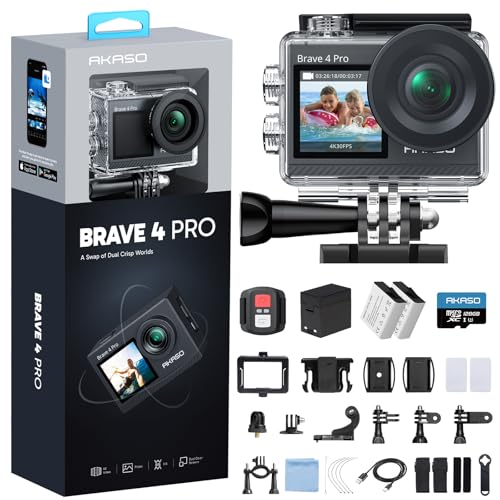

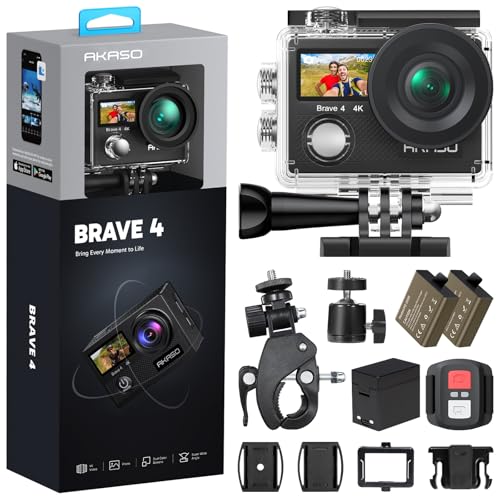
Budget Bands Compared: What Each Band Buys
The mount box matters first. Stated plainly, a pov camera is worn or mounted, so the mount class is half the purchase, and a loose mount ruins the angle no matter how fine the sensor is. Choose the mount for the helmet, chest, handlebar or dash position you will actually use, and only then choose the camera that fits that mount family and your band.
Every band below sits inside the wider family covered in our guide to the best digital cameras, where footage and stills are stored as digital files on a memory card. That shared base means the bands differ less in storage than in mounts, stabilization, sensor size and build strength. Read each band for its tradeoffs rather than for a simple ranking.
Budget Band: What You Keep and What You Give Up
Budget models at about $100 to $250 record a clear wide view in good daylight and mount with simple straps, clips and adhesive pads. Stabilization is basic, screens are small or absent, and battery life often covers a short outing rather than a full day. For a first taste of the point of view angle, that set of tradeoffs can be entirely fair.
First buyers should protect the learning value of a modest purchase. Our guide to the best starter cameras covers the wider learner market, and the same lesson applies here, which is to keep the first kit simple and spend the savings on spare mounts and a second battery. A budget camera that you mount well will teach you more than a dear camera mounted in haste.
Midrange Band: Where Most Riders and Creators Should Land
Midrange models at about $250 to $450 add stronger stabilization, better low light recording, clearer sound and mounts that lock with less shake. Battery life stretches to cover most outings, screens help you check the angle before you start, and 4K video becomes smooth rather than a headline claim. For most riders, skiers, anglers and family creators, this band holds the sensible balance.
The step up pays for steadiness more than for sharpness. Footage from this band stays level on rough ground, voices stay understandable in mild wind, and the angle you set in the morning is still the angle you get at noon. Buyers who record every week usually find that this band ends the urge to upgrade for a long while.
Premium Band: What Extra Money Actually Changes
Premium models at about $450 to $800 bring larger sensors, stronger build, faster controls and mounts machined to tighter tolerances. Low light footage holds detail longer into dusk, sound stays clear at speed, and spare parts and mounts are easier to find for years. This band suits daily creators, guides and riders who record in hard weather and rough places.
Judge the premium step by failure points rather than by gloss. Readers comparing the wider quality ladder can also see our guide to the best quality cameras, where build and sensor steps are set out in full. In this class the extra money should remove a real problem you already have, such as shake, short battery life or mounts that creep, rather than add features you will never open.
Features Worth Paying For and Features to Skip
Some features change every recording you make, while others change only a spec sheet. The checks below put the mount and the hands first, because a pov camera earns its place by staying put and by recording without attention. Sensor, video and focus checks follow, and the final check names the extras that most buyers can safely skip at every band.
Mounts and How the Camera Is Worn
A mount decides the story your footage tells. A helmet position shows what you look at, a chest position shows your hands and the path ahead together, and a handlebar or dash position shows the machine and the road with the least body motion. Each position needs a mount rated for that surface and a strap or bolt pattern that cannot creep as vibration builds.
Test any mount at home before a real outing. Shake the setup firmly, tilt it, and check whether the angle drifts after a minute of movement, because drift at home becomes a ruined angle outdoors. Carry the small tool or spare strap that your mount family needs, since a mount you cannot tighten in the field is a mount that will end your recording early.
Controls You Can Use Without Looking
The point of this class is hands free recording. In general terms your hands belong on the bars, the reins, the tools or the task, so controls must work without looking, through gloves where your activity needs them. A large record button with a clear click, a firm beep or vibration that confirms recording, and a simple mode dial you can read by touch all matter more than a deep menu.
Voice control can help when it works in your wind and noise conditions, yet it should never be the only way to start a clip. Set the camera before you move, confirm the record signal once, and then leave the controls alone. A camera that needs fiddling mid outing has failed at the one job this class exists to do.
Sensor Size and Image Quality
Sensor size shapes how your footage handles shade, tunnels, tree cover and dusk. A larger sensor gathers more light, which keeps detail in shadow areas and reduces the smeared look that small sensors show in dim scenes. Still image quality follows the same sensor logic set out for stills in our guide to the best cameras for photography, where sensor size shapes detail and low light results.
Megapixel counts matter less for moving footage than sensor size and lens clarity. A modest count on a larger sensor often looks cleaner than a high count squeezed onto a tiny sensor, especially once the light drops. Choose the sensor for the darkest place you record in often, not for the brightest place you visit once.
Video Capabilities
Video is the core job here, so judge frame rates and stabilization before still photo modes. Smooth 4K video at a steady frame rate, a field of view you can narrow when the wide view bends straight lines too far, and sound that survives mild wind will cover most outings. Readers who care mainly about moving images can compare that side in our guide to the best pov video cameras, where frame rates and stabilization lead the choice.
Check clip length and heat behavior as well as headline resolution. Some bodies limit long clips or grow hot on a still and sunny day, which can cut a recording at the worst moment. A camera that records your full outing at a slightly lower setting beats a camera that stops early at its highest setting.
Stabilization and Focus
Stabilization turns a bouncing mount into watchable footage. Electronic systems crop the view slightly and smooth the shake in the camera, while strong in body systems keep more of the view and handle rough ground with grace. At the budget band expect help on gentle motion only, and at the premium band expect calm footage on ground that would ruin an unstabilized clip.
Focus in this class is mostly fixed at a distance that keeps the path and your hands sharp together. That fixed approach suits the angle well, because the subject distance changes less than in normal filming. Clean the front element often, since a smear at close range softens every clip and no focus system can repair it later.
Features to Skip at Every Band
Skip extreme zoom claims on a camera that will be worn, because a worn camera aims with your body rather than with a zoom ring. Skip tiny touch menus that demand bare fingers and full attention, and skip exotic mount systems with few spare parts on sale. Very high still photo counts, novelty filters and complex editing suites in the camera also add cost without improving the angle, the steadiness or the sound of your footage.
Choosing Cameras for Your Situation
Your activity should set the band, the mount and the battery plan before any brand of spec sheet enters the talk. A camera on a rider or on a vehicle records the trip, and stated plainly it never makes the activity safer, and the rider never works the camera while moving. Set the angle, press record, confirm the signal, and then give the road or the trail your full attention until you stop.
Best Cameras for Pov Shooting: Where Your Money Goes
Shooting in this style spends money in a different order than normal filming does. The first share goes to the mount family and its spares, because the angle is the product and a failed mount wastes every other strength. The second share goes to battery capacity and cards that can hold a full outing, and only the third share goes to sensor and resolution steps.
Field of view choice also deserves part of the budget. A view that is too wide bends the scene and pushes your hands far away, while a view that is too narrow crops the action at the edges of the frame. Choose a body that offers at least two view settings, so you can match the angle to a tight trail, an open road or an indoor task without changing cameras.
Long Term Costs to Factor In
The body price is only the first payment. Mount spares, straps that wear and stretch, adhesive pads that lose grip, memory cards, spare batteries and a padded case all add to the true cost across the first year. A fair planning rule is to hold back about a fifth of your total budget for these items, because a camera without a sound mount and a full battery is a camera left at home.
Replacement risk belongs in the plan as well. A worn camera faces drops, grit, rain and vibration that a shelf camera never meets, so a solid warranty and available spare lens covers are worth real money in this class. Models with common mount patterns cost less to keep running, since straps, bolts and pads stay on sale long after a niche system fades from shops.
Cameras: Your Questions Answered
What features matter most in cameras for pov?
A secure mount, steady stabilization and a record control you can trust without looking matter most. A replaceable front lens cover also matters more than most buyers expect, because this class faces road grit, spray and knocks that would rarely reach a normal camera. Protect that front element and the rest of the feature list can do its work.
How much should I spend on my first pov camera?
Spend enough for the midrange band if you record weekly, or stay in the budget band while you learn your preferred angle. Keep part of the total aside for mounts and a spare battery from the start, rather than spending every dollar on the body. Your second purchase will be wiser once you know which mount position you actually enjoy watching.
What mount should a beginner choose for pov recording?
A beginner should start with a chest strap mount for most activities, because it stays stable and shows both hands and the path ahead. Test the full setup at walking pace first and watch the footage back before any faster outing. That slow test reveals strap stretch, angle drift and sound problems while the cost of a mistake is still zero.
Which camera type is better for low light pov recording?
A premium band body with a larger sensor is better for low light pov recording. Aim the camera slightly downward on lit streets so the meter reads the road rather than the dark sky, which keeps exposure steadier through pools of light and shadow. Dawn and dusk outings reward this care more than any single setting buried in a menu.
What specs matter most for beginners using pov cameras?
Stabilization strength, battery minutes per charge and simple controls matter most for beginners. Card choice is the quiet spec that trips up many first buyers, so pick a card with a speed class the maker lists for your chosen video setting and carry a spare. A full card ends a recording as surely as an empty battery does.
Is a smartphone enough instead of a pov camera?
A smartphone is enough for a slow walk or a gentle ride on smooth ground in good light. A dedicated body pulls ahead once vibration, rain, grit or a real risk of drops enters the outing, because the phone is often the most valuable and fragile item you carry. Risking a costly phone to save the price of a budget band camera is rarely a wise trade.
Final Thoughts
Band, mount and controls decide most pov purchases: pick the band your outing length demands, pick the mount family for the position you will truly use, and pick controls you can work by touch alone. The product table above can confirm prices and included mounts for your shortlist. Chosen that way, the best cameras for pov setup for you will hold its angle, respect your attention and record the trip you actually took.