
Best 1 Inch Sensor Cameras: Which One Fits the Way You Use It for 2026
Disclosure: We may earn a commission when you buy through links on this page, at no extra cost to you. As an Amazon Associate I earn from qualifying purchases. Learn more

Compare the best 1 inch sensor cameras by size, lens, autofocus and video, and learn which features matter for travel, everyday photos and creating.
There is no single camera in this class that suits every hand, trip, and subject. The best 1 inch sensor cameras share a sensor that gathers far more light than a typical phone sensor, yet their lenses, bodies, and controls differ enough to change what you shoot most. Use the comparison table below to see those differences side by side.
Start with your routine rather than a spec sheet. A parent recording school events, a traveler, and a desk creator need different reach, screen movement, and sound options. The sections that follow sort those needs first, then explain the features behind each one.


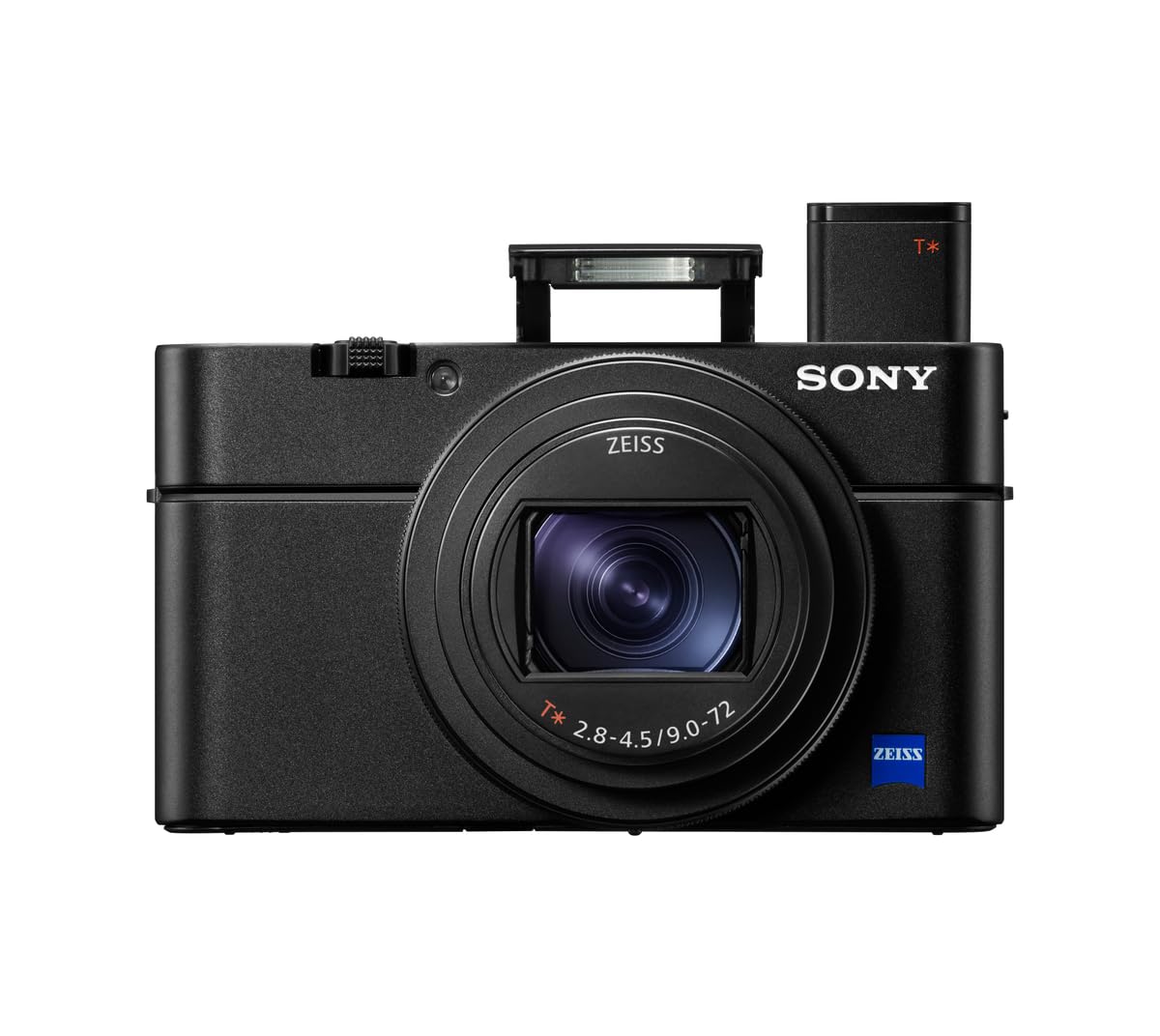


Who Should Buy Which 1 Inch Sensor Cameras?
Match the group closest to your life first, then check lens range, screen style, and video tools inside that group.
For Travelers and Commuters
You need a body light enough to carry from morning to night without shoulder strain, plus a grip secure enough for quick shots in busy streets. A zoom lens that covers wide city scenes and distant details saves you from swapping lenses at a station or viewpoint. Battery life matters because outlets are scarce on long travel days. For swimming or rough trails, action cameras form a separate rugged class, while a 1 inch model serves better for stills and zoomed views.
For Gamers and Power Users
If you film gameplay, stream to an audience, or shoot fast sports, speed is your main need. Look for autofocus that locks on quickly and holds a moving face, video frame rates that keep motion smooth, and a screen or viewfinder that responds without a distracting delay. Long sessions also reward a body that manages heat well, so check the stated recording limits for your modes. If you expect to swap lenses often, see our guide to the best crop sensor cameras before committing, since that larger system path trades pocket size for lens choice.
For Remote Workers and Creators
Your camera may spend weekdays recording calls, lessons, and demos, then switch to filming content on weekends. A screen that flips toward you helps you frame yourself alone, and a microphone input keeps voices clear. Some models can also serve as a webcam over USB C, so check that support if you want one camera for both jobs. Steady autofocus on faces matters more here than extreme zoom, because your subject usually sits within a few feet.
For Students and Everyday Users
You likely want clear photos of friends, family events, and school projects without learning a deep menu system first. Simple automatic modes, a versatile lens, and easy WiFi transfer to a phone for sharing cover most days well. Prices here often start around $500, so a modest body with a good lens beats a costly body you rarely carry. Battery life that lasts a full day also saves you from carrying a charger everywhere.
Best 1 Inch Sensor Cameras for Specific Needs
Some needs sit outside the common shapes below. If reach matters more than pocket size, see our guide to the best bridge cameras with 1 inch sensor, since that body style pairs a long built in lens with a grip shaped for steady zoom work. If you want a camera to start when wildlife moves through a spot, see our guide to the best motion sensor cameras, since triggered capture solves a different problem than a camera you aim yourself.
Best Small 1 Inch Sensor Cameras: What to Prioritize
Small here means the body truly disappears into a coat pocket or a small purse, so check the weight with the battery fitted, not the bare body figure. A fast start time helps you catch brief moments on the street. Expect fewer dials at this size, which suits quick automatic shooting but limits manual changes. A small grip or a wrist strap matters more than it sounds, because smooth tiny bodies are easy to drop.
Best Compact 1 Inch Sensor Cameras: What to Prioritize
Compact models are slightly larger than the smallest bodies, and that extra room usually buys a longer zoom lens, more dials, and sometimes a viewfinder. The lens retracts into the body when the camera is off, so you never change lenses or carry a separate lens case. This shape suits buyers who want one camera for travel, portraits, and stage photos from the back of a room. Check whether the body fits a jacket pocket or needs a belt case, since that decides how often you bring it.
Best Canon 1 Inch Sensor Cameras: What to Prioritize
Buyers drawn to Canon often already know its menus and color style from an earlier Canon camera, which shortens the learning curve. Check the lens range first, since Canon models here vary from wide vlogging lenses to longer travel zooms. A control ring around the lens can make exposure changes quick once you assign it a job you use often. Also confirm that the phone app and battery style suit gear you already own, because shared chargers reduce daily friction.
Key Features to Compare
Sensor technology explains part of the gap between old and new models in this class. Most current cameras use CMOS sensors that read data quickly, which supports fast bursts and smooth video. If older designs interest you, see our guide to the best ccd sensor cameras, since that earlier sensor type handles speed and video very differently.
Autofocus and Stabilization
Autofocus decides how many of your shots land sharp on the subject you meant, especially with children, pets, and sports. Face and eye detection help with portraits and video of people, while tracking modes follow a moving subject. Image stabilization counters small hand movements, which helps handheld stills in soft light and smooths walking video. Stabilization steadies your hands only, so a moving subject still needs a fast shutter speed to freeze its motion.
Battery Life and Charging
Shot ratings give a rough guide, but screen use, WiFi transfer, and video drain a battery far faster than stills alone. USB C charging is practical because you can top up from a laptop or power bank instead of carrying a dedicated charger. For weddings and travel days, one spare battery removes most range anxiety. Also check whether the camera limits video as the battery fades, since some models do.
Sensor Size and Image Quality
Sensor size shapes detail, color depth, and how a photo holds up when you crop it later. A 1 inch sensor is much larger than a phone sensor, yet smaller than the APS C and full frame sensors in mirrorless cameras, which is the trade that keeps these bodies pocket friendly. More megapixels add cropping room but do not guarantee cleaner images, since lens quality and pixel size matter just as much. In bright scenes with deep shadows, this class also holds more detail at both ends of the scene than a phone can.
Low Light Performance
Dim rooms, evening streets, and stage events test a camera more than sunny parks do. A lens with a wide maximum aperture lets in more light, which keeps shutter speeds usable and ISO lower, and lower ISO usually means cleaner files. Raising ISO brightens the shot but adds noise, so a model that stays clean at higher settings gives you more freedom indoors. Judge sample photos at the light levels you shoot most, not bright showroom shots.
Video Capabilities
4K video records fine detail that holds up on a large TV, and higher frame rates keep sports and dance motion looking smooth. If you edit your footage, a log profile gives you more room to adjust color later, at the cost of extra work per clip. A microphone input and a screen that faces forward matter most for people who talk to the camera on their own. For long events, check the recording limit for your mode, since some bodies stop a clip sooner than a full ceremony lasts.
Common Mistakes to Avoid When Buying 1 Inch Sensor Cameras
Most regrets here come from choosing one headline spec and ignoring daily details.
- Choosing by megapixel count alone, so you miss the lens and autofocus quality behind your real photos.
- Ignoring body size and grip, so the camera feels awkward and stays home when you wanted it most.
- Buying a long zoom without checking low light strength, so indoor and evening shots come out grainy or blurred.
- Forgetting the cost of a spare battery and a case, so the true total surprises you after checkout.
- Skipping microphone and screen checks before a video purchase, so your setup fights you from the first recording.
How to Make Your 1 Inch Sensor Camera Last Longer
Clean the lens with a soft lens cloth, not your shirt, since shirt fabric can hold grit that scratches the coating over time. Keep the lens cap on in your bag, and store the body in a dry, padded case away from sand and spills. Avoid leaving the camera in a hot parked car, because heat stresses the battery and screen.
Rotate a spare battery with your main one so both age evenly, and keep the contacts clean with a dry cloth. Store the camera with the battery partly charged if it will sit unused for months. Check the strap now and then, since a worn strap is a cheap fix compared with a dropped body.
Frequently Asked Questions
How much should you spend on a first 1 inch sensor camera?
Most first time buyers do well with a budget of about $700, where lenses and autofocus improve clearly over entry models. Set aside part of that budget for a memory card, a case, and a spare battery, which form the real working kit. Spending more mainly buys longer zoom, a viewfinder, or stronger video tools, so skip that tier if those extras do not match your plans.
Which 1 inch sensor camera features matter most for low light shooting?
The lens aperture matters most, and on many zoom lenses the widest aperture narrows as you zoom toward distant subjects. In a dim room, stay near the wide end of the zoom where the lens gathers the most light, and move closer with your feet when you can. For moving subjects in poor light, accept some grain rather than letting motion blur ruin the shot.
Is a smartphone enough instead of a 1 inch sensor camera?
A smartphone is enough for quick sharing, but a dedicated camera gives you a real optical zoom, larger files for editing, and physical controls. Phone processing can also change faces and skies in ways you may not want for prints. To see how phone sensors themselves compare, see our guide to the best camera sensors for smartphones before you decide which device earns your money.
What does optical zoom mean on a 1 inch sensor camera?
Optical zoom means the lens elements, including the objective lens group at the front, move to change magnification, so distant subjects fill the frame without losing detail. A 3x zoom makes a subject appear three times closer than the widest setting shows. Digital zoom is different, because it simply enlarges the middle of the image and discards the edges, which lowers quality fast. Compare optical zoom ranges only, and treat any digital figure as a minor extra.
What specs matter most for beginners buying a 1 inch sensor camera?
Beginners benefit most from clear automatic modes, a simple menu, and scene settings that handle portraits, sports, and night scenes without guesswork. A guide mode or plain language tips on the screen can teach you as you shoot. Prioritize a lens that covers your daily subjects and a body that feels good in your hands.
Final Thoughts
Match the body to your routine first, then compare lens range, low light strength, and video tools inside that shape. The product table above gathers the key specs in one place, so use it to confirm size and zoom before you order. Chosen this way, the best 1 inch sensor cameras stop being a spec contest and become the camera you actually carry on travel days, at family events, and at your desk.


