Best Cameras for Panoramic Shots: A 2026 Checklist for Wider, Cleaner Images
Disclosure: We may earn a commission when you buy through links on this page, at no extra cost to you. As an Amazon Associate I earn from qualifying purchases. Learn more

Compare the best cameras for panoramic shots using a simple checklist on sweep modes, sensor size, lenses, stabilization, and battery life today.
A wide valley or a city skyline can lose its impact when a single frame cuts off the edges of the scene. The best cameras for panoramic shots solve that problem with sweep modes or stitching friendly files that hold detail from one side of the view to the other. This guide uses a simple checklist so you can compare models on the specs that actually shape a finished panorama.
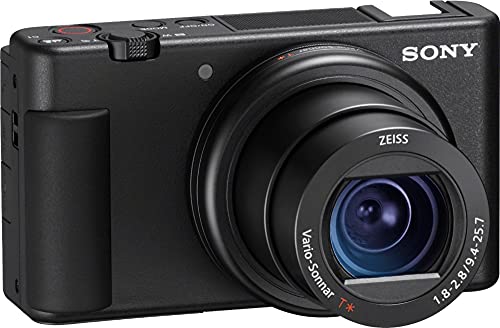
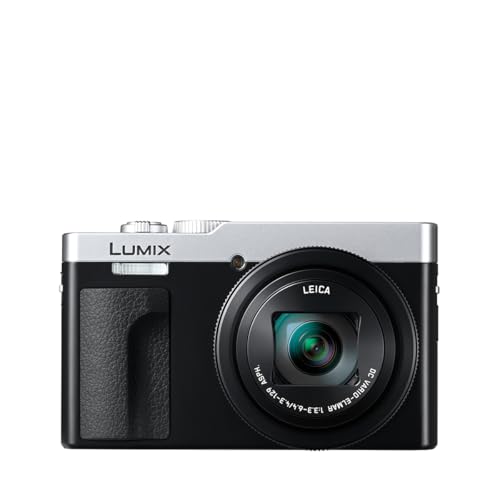
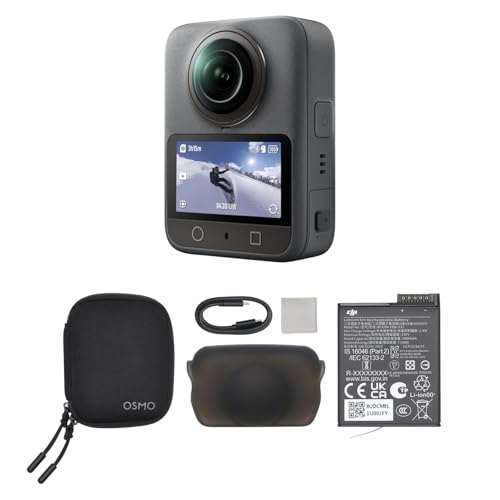
Below, you will find the features that matter most, guidance on choosing the right camera type, a quick buyer checklist, red flags to avoid, and care tips for long days outside. The comparison table below gathers current options in one place, so use it alongside the checklist as you narrow your shortlist.






Key Features to Compare for Panoramic Shooting
Panoramas ask more of a camera than a single snapshot does, because small flaws repeat across every frame in the sequence. If you are still deciding between camera formats in general, see our guide to the best digital cameras for a broader overview before you focus on the panoramic checklist here.
Features That Matter for Panoramic Shots
Start with the panorama mode itself. A good sweep mode guides your movement, warns you when you pan too fast, and stitches the frames in the camera so you can judge the result on the spot. Cameras without a sweep mode can still work well if they offer a clear frame grid and manual exposure lock, because you can stitch the files later on a computer. Look for a built in level gauge as well, since a tilted sweep produces a slanted horizon that cropping cannot fully repair.
Sensor Size and Image Quality
Sensor size shapes how much detail and tonal range a panorama keeps. Compact cameras with a 1 inch sensor handle most travel scenes well and stay light in a bag. APS C sensors gather more light and hold cleaner shadow detail, which matters when a wide scene includes both bright sky and dark foreground. Full frame sensors give the most editing room but add cost and weight. Megapixels matter less than many buyers expect, because a stitched panorama already combines several frames into a very large final file.
Battery Life and Charging
Panoramic shooting drains batteries faster than casual snapshots, since the screen stays on during long sweeps and the processor works hard to stitch each file. Check the rated shots per charge, and treat anything under about 300 shots as a sign you should budget for a spare battery. USB C charging is worth having on trips, because you can top up the camera from a power bank in a car or cafe. Cold weather shortens battery life further, so keep the spare in an inside pocket on winter outings.
Lens and Zoom Range
The wide end of the lens matters more than total zoom magnification for this kind of work. A lens that reaches 24 mm equivalent or wider lets you include tall foregrounds and still finish a sweep without extreme distortion. A moderate zoom up to about 70 mm helps you compose tighter sections of a scene from the same spot. Brighter apertures, shown as lower f numbers, help at dawn and dusk. Landscape shooters comparing options can also see our guide to the best cameras for nature shots, since the lens needs of the two styles overlap a great deal.
Low Light Performance
Many of the best panoramas happen near sunrise or after sunset, when the light is soft but scarce. A sensor that stays clean at higher ISO settings lets you keep shutter speeds fast enough for a steady sweep. Pay attention to how the camera handles a bright sky against a dark landscape in one frame, because noise in the shadow areas becomes obvious once several frames are stitched together. A wide dynamic range matters more here than headline ISO numbers.
Autofocus and Stabilization
Image stabilization smooths the small hand movements that can break a sweep into jagged segments, and it is one of the most useful features for handheld panoramas. Autofocus plays a smaller role, since most panoramic scenes sit at a distance, but fast and reliable focus helps when people or animals cross the frame. If your wide scenes often include motion, see our guide to the best cameras for action shots for cameras built around tracking moving subjects. On a tripod, switch stabilization off, because the system can drift when the camera is already still.
How to Choose the Right Camera Type
The product table above groups cameras in different formats, and the right choice depends on how you travel and how much editing you enjoy. The three decisions below matter more than any single spec.
Fixed Lens Compacts Versus Interchangeable Lens Cameras
A fixed lens compact keeps things simple. You carry one light body, the sweep mode is usually well tuned, and there is no lens swapping in dusty or windy places. The trade off is flexibility, since the lens you start with is the lens you keep. An interchangeable lens camera lets you pair a wide zoom for landscapes with other lenses later, and it gives cleaner files for large prints. Choose the compact if weight and simplicity decide your trips, and choose the system camera if you plan to grow into more styles of photography.
Matching the Camera to Your Subjects
Think about where your panoramas will come from. Mountain and coastal scenes reward a weatherproof body and a lens with strong edge sharpness, because wind and spray are common and detail runs across the whole frame. City scenes reward compact size and quiet operation, since you may shoot from crowded viewpoints. If your trips mix wide scenes with close detail work, see our guide to the best cameras for macro shots as well, because a system camera can serve both interests with a second lens.
Setting a Sensible Budget
Capable panoramic cameras start at around $300, and mid priced models at about $600 and up bring larger sensors, better stabilization, and stronger low light results. Above that range you mostly pay for full frame sensors and pro level build, which only some buyers need. Reserve part of the budget for a spare battery, a fast memory card, and a small tripod, because those items improve real world results more than a small step up in camera class. Avoid spending the whole budget on the body alone.
Quick Buyer Checklist
Run through these questions before you order, and use them to test every candidate among the best cameras for panoramic shots on your shortlist. A camera that earns a yes on most of them will serve you well for panoramic work.
- Does the camera offer a sweep panorama mode or full manual controls for stitching your own frames?
- Does the lens reach 24 mm equivalent or wider at its widest setting?
- Is the sensor at least 1 inch in size for travel use, or APS C if you plan large prints?
- Does the body include image stabilization for handheld sweeps?
- Is the battery rated for about 300 shots or more per charge?
- Can you charge the battery over USB C while traveling?
- Does the screen show a level gauge to keep horizons straight?
- Is the body weatherproof if you plan to shoot in rain, spray, or blowing dust?
Red Flags to Watch For
Some listings look impressive while hiding weaknesses that show up quickly in panoramic use. Watch for these warning signs.
- Vague spec sheets that advertise digital zoom magnification instead of the true optical range, which means the wide end and image quality may both disappoint.
- No mention of a panorama mode, manual exposure lock, or RAW capture, which leaves you with little control over stitching quality.
- Very short battery ratings paired with no USB charging option, which can strand you partway through a day of shooting.
- No weather sealing on a camera marketed for outdoor travel, which raises the risk of damage from a single rain shower.
- A warranty of only a few months from an unknown seller, which often signals gray market stock with no local service support.
Picking the Right Camera for Different Uses
Most buyers fall into a few patterns, and each pattern shifts the checklist slightly. For a focused look at models built around wide scenes, see our guide to the best panoramic cameras, then return here to weigh the travel and video points below.
Best Travel Cameras with Panoramic Shots: What to Check
When you shop among the best travel cameras with panoramic shots in mind, weight and versatility move to the top of the list. A travel body should fit in a daypack with room to spare, start up fast for unplanned stops, and cover wide scenes plus portraits on the same day. Many travel cameras also record 4K video, which pairs nicely with slow panoramic pans of a landscape. Prioritize a strong sweep mode, a zoom that starts wide, and a battery you can charge overnight from a single cable.
Setup and Care Tips for Panoramic Cameras
A few habits keep a panoramic camera ready and its files clean. Wipe the lens with a proper lens cloth rather than a shirt, since shirt fabric can drag grit across the coating and leave marks that repeat in every frame of a sweep. Carry a spare battery and a spare card on any outing longer than an hour. At home, store the camera in a dry, padded bag away from direct sun, and remove the battery if the camera will sit unused for several weeks. Before a big trip, update the firmware and practice two or three sweeps in your yard, so the motion feels natural when the light is changing fast.
Frequently Asked Questions
What features matter most in cameras for panoramic shots?
A reliable sweep mode, image stabilization, and a lens that starts at 24 mm equivalent or wider matter most. One extra feature worth checking is an electronic level on the rear screen, because it keeps the horizon straight during the sweep and saves you from heavy cropping later. Good battery life supports all of this, since a camera that fades midday cannot deliver any of the other features when the light turns beautiful.
What focal length works best for panoramic shots?
A focal length between about 24 mm and 35 mm equivalent works best for most panoramic shots. Wider lenses exaggerate nearby objects and can bend straight lines at the frame edges, while longer lenses need more frames to cover the same view. One useful trick is to hold the camera vertically and sweep across the scene, which gives you a taller final image with more foreground and sky than a single horizontal pass.
Is a smartphone enough for panoramic shots?
A smartphone is enough for panoramic shots you plan to share online or print at modest sizes. Phone sweep modes are quick and easy, and the results look clean on a screen. A dedicated camera pulls ahead when you want large prints, cleaner low light files, or consistent exposure you control yourself. Many photographers start with a phone, learn what they enjoy shooting, and then buy a camera aimed at those exact scenes.
How much should I spend on a first camera for panoramic shots?
Plan on about $300 to $600 for a first camera for panoramic shots, which covers solid compacts and entry level system cameras. At that level you get a capable sweep mode, stabilization, and files that print well at moderate sizes. Set aside a small part of the budget for a compact tripod, because a level and steady base improves panorama quality more than a slightly larger sensor does for most beginners.
Which camera features help panoramic shots in low light?
A larger sensor, a bright lens aperture, and effective image stabilization help panoramic shots in low light the most. Stabilization lets you use slower shutter speeds during a handheld sweep without blurring each frame. One more help is the self timer or a remote release on a tripod, since it removes the small shake caused by pressing the shutter button at the start of the sequence.
Final Thoughts
Strong panoramas come from a short list of things done well: a wide and sharp lens, steady stabilization, a sensor that handles contrast, and a sweep mode you can trust. Check the candidates in the product table above against the buyer checklist, and favor the camera that fits how you actually travel and shoot. Chosen that way, the best cameras for panoramic shots are simply the ones whose files make you want to print the scene at full width. Prices and availability can change, so check the product page before ordering.