Best Cameras for Nature Shots: A Buyer Checklist for 2026
Disclosure: We may earn a commission when you buy through links on this page, at no extra cost to you. As an Amazon Associate I earn from qualifying purchases. Learn more

Run through a plain checklist for the best cameras for nature shots, covering reach, sensor size, autofocus, and the red flags that mark a weak buy.
Nature subjects do not pose, wait, or repeat themselves, so the camera has to be ready before the moment arrives. A heron lifts off once, a flower opens for a day, and the light on a ridge lasts minutes. Listings blur together fast, and the phrase best nature shot cameras covers everything from a pocket compact to a long lens outfit that costs as much as a car. This checklist sorts the best cameras for nature shots by the subject you shoot most, then by the specs that honestly serve that subject.
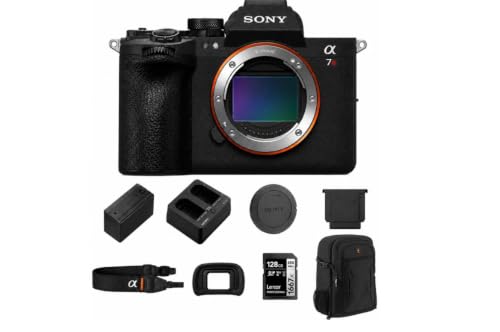
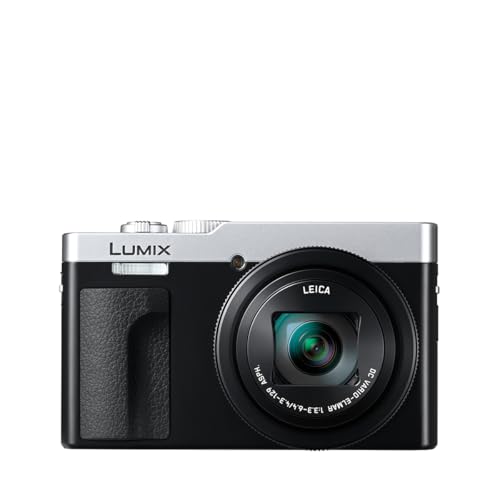
The comparison table below shows the main classes side by side. Work through the subject fork first, because reach, speed, and lens choice all flow from it. Then run the checklist items against any model you are considering, and treat the red flags section as a stop sign rather than fine print. The broader family in our guide to the best nature cameras covers general outdoor use, while this page stays with stills of wild subjects.





Start With the Subject You Shoot Most
Pick the subject class that fills most of your card. A camera tuned for distant birds is a clumsy tool for close flowers, and the reverse is just as true.
Birds and Other Wildlife That Keep Their Distance
Distance is the whole problem here, because wild animals set the working range, and you cannot simply walk closer without changing their behavior or breaking park rules. Long optical reach is the honest answer, paired with autofocus that holds a moving subject and a burst mode that fires several frames during a brief action. Weight becomes the tax on all of it, since long lenses are heavy and the walk to the subject is part of the shoot. Plan the budget around the lens first and the body second for this class.
Flowers, Insects, and Small Details
Close subjects reverse the priorities. A macro capable lens or a camera with a true close focusing mode matters more than reach, and a screen that tilts lets you shoot at ground level without lying in the mud. Working distance is the quiet spec to check, because some close setups force you so near the subject that your own shadow falls across it. Our guide to the best cameras for macro shots goes deeper on that specialty, and for general nature work, a flexible zoom that focuses close covers most plants and insects well.
Landscapes and Wide Open Scenes
Scenery rewards patience and punishes haste less than wildlife does. Dynamic range matters most, because a bright sky over a shaded valley asks the sensor to hold both ends of the light at once. A tripod thread and a self timer or remote option help more than burst speed here, and weather sealing earns its keep when you wait out changing light. Readers drawn to scenery should compare the priorities in the guide to the best cameras nature photography, where slow deliberate work outweighs fast handling.
The Checklist: Five Checks in Order
Run any candidate through these five checks in order. A model that fails an early check rarely redeems itself later, no matter how strong the rest of the sheet looks. The wider market of best digital cameras includes many bodies built for indoor and studio work, so use the checks to filter for field use.
Optical Reach Is the Only Real Zoom
Optical reach is real reach: the lens bends light to magnify the subject before the sensor records it, so detail survives. Digital reach is cropping dressed up as a feature, because it throws away pixels you already captured and adds nothing you could not do later on a computer. Judge a camera by its optical range and by the aperture at the long end, since a slow lens forces high sensitivity settings that smear feather and fur detail. Maker figures are measured in labs, so treat headline zoom numbers as a class label rather than a promise.
Sensor Size and Dim Light
Dawn and dusk are when wild subjects move, and both are short on light. A larger sensor gathers that light more cleanly, holding detail at the sensitivity settings early mornings demand. Small sensors can still serve bright midday work, but they fall behind fast under tree cover, and megapixels alone mislead here, because cramming more of them onto a small sensor can make dim light results worse, not better. Weigh sensor size against lens weight, since the camera only helps if it is in your hands when the light turns.
Autofocus That Finds a Moving Animal
A still landscape forgives slow focus, but a bird crossing a pond does not. Look for subject detection modes aimed at animals and birds, and for tracking that holds focus while the subject moves across the frame. Frame rate and buffer depth decide whether the best moment lands inside your burst or in the gap after it. Fast subjects are a specialty of their own, and the guide to the best cameras for action shots covers the speed first approach; for most nature work, reliable tracking beats a headline frame rate.
Stabilization for Handheld Work
Most nature photos are taken standing, kneeling, or leaning against a tree, with no tripod in sight. Stabilization in the body or the lens buys back shutter speed in that real posture, which keeps sensitivity lower and detail higher. The benefit is largest at long focal lengths, where small shakes grow into large blurs. No system freezes a moving subject, though, because stabilization calms your hands, not the animal, so shutter speed still has to suit the action in front of you.
Battery Life and Card Speed in the Field
Field days are long and outlets are far away, and shot counts on a box are best case figures measured with the screen used gently, so plan a spare battery for any full day out. Cold mornings drain cells faster, and a spare kept in an inside pocket stays closer to working temperature. Card speed matters when bursts stack up, because a slow card fills the buffer and locks the camera at the worst moment. Buy the card for the burst you shoot, not for the biggest number on the shelf.
A Quick Self Check Before You Spend
Answer these honestly before you order. A no on any line points at the fix to make first.
- Do I know which subject class fills most of my card?
- Is the optical reach long enough for the distance my subjects keep?
- Can I hold the full outfit, lens included, for the length of my usual outing?
- Does the budget include a spare battery and a fast card?
- Will the controls work with the gloves I wear on cold mornings?
- Do I have a dry bag or a hard case for the walk back in rain?
- Am I paying for video features I will rarely use?
Red Flags That Should Slow You Down
Walk away, or at least slow down, when you meet these.
- Zoom advertised only as a digital number, with the optical range missing or buried in the fine print.
- Battery life quoted without any test conditions, or far above what rival cameras in the same class claim.
- No weather sealing mentioned at all on a camera sold for outdoor use.
- A lens mount with almost no lenses available beyond the one in the box.
- Warranty terms that exclude the country you live in, or that demand costly shipping for a basic repair.
Simple Habits That Protect a Field Camera
Field gear dies from small neglects more than from single accidents. Wipe grit from the lens with a clean cloth rather than a sleeve, because sand ground into a coating leaves permanent marks. Store the camera in a dry padded bag, and let a cold camera warm up inside a sealed bag after winter outings so condensation forms on the bag instead of the glass. Cycle your batteries instead of letting one sit empty for months, and format cards in the camera after every download.
Questions Answered
What features matter most in a camera for nature shots?
Reach, tracking autofocus, and a sensor that behaves in dim light matter most, in that order for most subjects. One point the spec sheet hides is the viewfinder: on bright days a screen washes out, while an eye level finder lets you follow a moving animal without guessing. Check that the finder is clear and the controls fall under your fingers without looking down. A camera you can run by feel catches moments that a menu diver misses.
How much should a first nature camera cost?
About $400 to $800 covers the class where reach, focus tracking, and low light behavior all become genuinely useful. Keep roughly a third of the total budget back for the lens, a spare battery, and a fast card, because those parts decide field results as much as the body does. Spending the whole sum on the body alone is the classic first buyer error. Below this range, bright midday work still succeeds, so start smaller if your subjects are flowers and scenery rather than wary animals.
Which matters more for nature shots, a big sensor or a long lens?
For distant wildlife, the long lens usually matters more, because a subject that fills the frame beats a clean file of a tiny bird. The sensor takes over when light drops, since reach is useless if dawn shots smear into noise. Landscape shooters should reverse the order again and put the sensor and dynamic range first. Decide by your main subject class, and be wary of advice that ranks the two without asking what you photograph.
Can a phone handle nature photography?
A phone handles landscapes, plants near the path, and record shots of wildlife perfectly well. It falls short when the subject keeps its distance, because phone zoom is cropping, and cropping a small file leaves little detail behind. A phone also earns its place as the backup: it logs where you stood, photographs the trailhead sign, and keeps shooting if the main camera battery dies. Treat it as a field notebook with a lens, and let the dedicated camera do the distant work.
Do nature cameras need weather sealing?
Sealing is helpful rather than mandatory, and its value depends on how often you shoot through drizzle and dust. A sealed body shrugs off the light rain that ends many good mornings, while an unsealed one needs to go under your jacket at the first drops. A simple rain cover costs about $10 to $25 and protects almost any camera for occasional wet outings, so sealing alone rarely justifies a big price jump. Decide by your climate, not by the brochure.
Final Thoughts
Let the subject lead and the specs follow. Reach for distant animals, close focus for small details, and dynamic range for scenery are the three decisions that shape every nature kit. The best cameras for nature shots are not the ones with the longest spec sheet; they are the ones whose checklist answers match the mornings you actually spend outside. Run your shortlist through the product table above one last time, and cross off any model that fails the first check it meets.