
Best Cameras for Outdoor Adventures: A Buying Checklist for 2026
Disclosure: We may earn a commission when you buy through links on this page, at no extra cost to you. As an Amazon Associate I earn from qualifying purchases. Learn more

Compare the best cameras for outdoor adventures with a simple checklist covering durability, image quality, battery life, size, ease of use, and value.
Buying a camera for the trail, the river, or a long road trip goes better when you start with a checklist instead of a spec sheet. The honest summary is this: the best cameras for outdoor adventures are the ones that survive your weather, fit your pack, and still have battery left when the light turns good. This guide walks you through the criteria that matter, the traps that waste money, and the questions to answer before you order.
Use the comparison table below to line up the models you are considering, then score each one against the sections that follow. A camera that wins on paper but fails one of your real needs, such as glove friendly controls or enough zoom for distant wildlife, is not a bargain at any price.

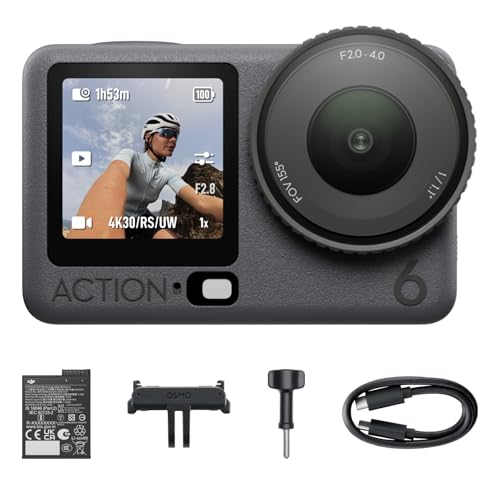


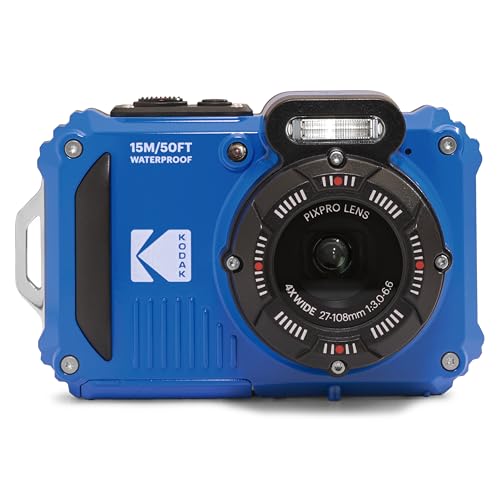



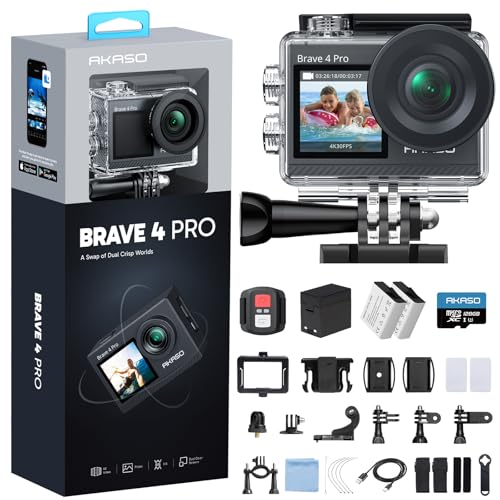

How We Evaluate Cameras for Outdoor Use
Think of this section as a scoring sheet you can apply to any model in the product table above. Work through the factors in order, because the early ones narrow the field before price even enters the picture.
Features That Matter for Outdoor Adventures
Start with the sensor and lens, since they set the ceiling for image quality. A larger sensor gathers more light, which helps at dawn, under tree cover, and inside a tent at night. Zoom range matters just as much outdoors, where you often cannot walk closer to a waterfall, a nest, or a summit view. Look for optical zoom rather than digital zoom, because digital zoom simply crops the picture and throws detail away. Image stabilization also earns its place, since it steadies shots from a moving boat.
Video belongs on the same checklist if you record your trips. Check whether the camera can record while charging from a power bank. If you mostly shoot family events at home instead, see our guide to the best digital cameras, since indoor needs reward different strengths than trail use does.
Intended Use and Who It Is For
Match the camera to the trip you take most often, not the most extreme trip you can imagine. Hikers do better with a compact option that slips into a hip belt pocket. Paddlers and anglers need a body that shrugs off splashes and can be rinsed clean at the dock. Wildlife watchers should put zoom first, while parents on camping trips usually value simple controls and a readable screen.
Readers planning shorter outings can also see our guide to the best cameras for adventure, which takes a narrower travel focused view. Naming your main use first also protects you from paying for strengths you will never touch, such as deep underwater ratings for a camera that will only ever see dry trails.
Keep the job clear in your mind as you shop. A camera you carry on a trail differs from a fixed camera that watches a yard all night. If home monitoring is your real goal, see our guide to the best surveillance cameras outdoor and our guide to the best cameras for outdoor security. Models that stream over a home network are covered in our guide to the best WiFi cameras outdoor.
Warranty and Customer Support
A warranty matters more on a camera that will be rained on, dropped on rock, and carried through dust. Check the warranty length in writing before you buy, and read what it excludes, since many policies refuse claims for water damage even on models sold as water resistant. Keep your receipt and register the product, since proof of purchase is usually required before any repair moves forward.
Ease of Use and Setup
A camera that is hard to run will stay in your pack, so judge ease of use before raw power. Menus should let you change the settings you touch daily, such as exposure and focus mode, without digging through layers. Physical buttons you can feel are a genuine advantage outside, because touchscreens respond poorly to rain, sunscreen, and gloves. Setup should take minutes: charge the battery, set the date, format the memory card in the camera, and take a test shot.
Build Quality and Materials
Build quality decides whether a camera survives the trip or just starts it. Look for honest ratings rather than vague claims: a stated depth rating for water, a stated drop height, and sealing around the battery and card doors. Rubber armor on the corners helps with the knocks that happen at trailheads and in car trunks. The lens cover and screen deserve the same scrutiny, since a scratched lens ends the useful life of an otherwise sound camera.
Price Versus Value
Value means paying for the strengths your trips demand and skipping the rest. Budget options around $150 to $300 usually cover daylight hiking and family camping well, as long as you accept slower focus and weaker low light results. The middle ground, about $300 to $600, tends to buy better sealing, stronger zoom, and longer battery life. Premium models above that range earn their price mainly through larger sensors and tougher bodies.
Buying Guidance: Matching a Camera to Your Trip
Brand names age fast and stock changes weekly, so this guide skips individual picks and gives you profiles instead. Use the three profiles below to judge the best cameras for outdoor adventures for your kind of trip, then check your shortlist against the product table above.
For Hikers and Backpackers Who Count Weight
If you walk long miles, total carry weight and quick handling beat almost everything else. Choose a compact body you can operate with one hand, because the other hand often holds a pole or a rail. Prioritize battery life in shots per charge, and carry the spare in an inside pocket where body warmth helps in cold weather. You can give up extreme zoom and large grips, since both add bulk.
For Water Sports and Rough Weather
If your trips involve kayaks, fishing boats, or snorkeling, water protection is the whole decision. Choose a model with a clear depth rating that exceeds the water you actually enter, and check that the rating assumes the doors are latched and the seals are clean. Buttons should be large enough to press with wet fingers, and a floating wrist strap can save the camera after one slip at the dock.
For Wildlife and Landscape Photographers
If distant animals and wide scenery are your subjects, put the lens first. Long optical zoom brings far subjects close without disturbing them, and a wide setting at the short end captures valleys and group campsites in one frame. A viewfinder helps here, because a rear screen in harsh midday sun washes out detail. Budget for a small tripod as well, because steady support turns fading evening light into sharp pictures.
Weight, Size, and Packing Basics
Size shapes how often the camera leaves your bag, which quietly decides how many good pictures you bring home. A pocketable camera gets used at every stop, while a bulky one tends to appear only at planned viewpoints. Measure your pack pocket or dry bag before ordering, and compare it with the listed body dimensions.
Packing habits protect that investment on the move. Keep the camera in a padded pouch inside your pack rather than loose against metal cookware or tools. In wet conditions, a sealed plastic bag inside the pouch adds a second barrier against splashes.
Quick Buyer Checklist
Run through these questions before you pay. Two or more no answers point you back to the comparison table above.
- Does the water protection match the wettest trip you take each year?
- Can you work the main controls while wearing your hiking gloves?
- Does the battery rating cover your longest day out, with a spare packed?
- Is the zoom range optical, and does it reach the subjects you shoot most?
- Does the body fit the pocket or dry bag where you plan to carry it?
- Is the warranty written, at least a year long, and clear about water damage?
- Have you budgeted for a memory card, a spare battery, and a case?
- Can you read the screen in full sun?
Red Flags to Watch For
Weak cameras rarely hide their flaws completely. Treat the signs below as reasons to walk away.
- The listing claims water resistance but states no depth rating, so you cannot judge what the camera can survive.
- Zoom is advertised as a huge number with no mention of optical zoom, which usually means heavy digital cropping.
- The warranty is far shorter than rival models or missing entirely, which leaves you paying for the first failure.
- Battery life is described with words instead of a shots per charge figure, so a long day can end early.
- Reviews mention doors that pop open or seals that tear within weeks, pointing to weak build quality.
How to Make Your Outdoor Camera Last Longer
Care for an outdoor camera is mostly about water, grit, and storage. Rinse a sealed camera under gentle fresh water after salt water or muddy use, then dry it fully with the doors closed before you open anything. Wipe the lens with a clean microfiber cloth only, because grit dragged across glass leaves fine scratches. Inspect the door seals before every wet outing and remove any sand or hair, since a single grain can break the seal.
Storage habits decide the rest of its lifespan. Keep the camera in a dry place at normal room temperature, out of a hot car and away from damp basements. If you will not use it for a month or more, charge the battery to roughly half and store it outside the body.
Cameras for Outdoor Adventures: Your Questions Answered
What features matter most in a camera for outdoor adventures?
The features that matter most are honest weather sealing, useful optical zoom, and battery life that covers a full day out. Together they decide whether the camera works at the moment a trip turns memorable. One extra point: try the autofocus in dim light before a big trip if you can, because focus speed under tree cover separates pleasant cameras from frustrating ones.
How long does an outdoor adventure camera usually last?
An outdoor adventure camera usually lasts about three to five years of regular trips before wear, battery decline, or both push you toward a replacement. Seals and rubber armor age first, especially after heavy sun and salt exposure. Retire the camera from swimming duty once the doors feel loose or the seals look cracked.
How do I maintain a camera for outdoor adventures?
You maintain one by keeping it clean, dry, and checked before trips rather than serviced after failures. Beyond the cleaning routine covered earlier, update the camera firmware when the maker releases a fix, since updates often improve battery handling and focus behavior. Also replace any memory card that produces a single error, because a failing card on a remote trip costs you irreplaceable pictures.
How much should I spend on a camera for outdoor adventures?
Spend in line with how often the camera travels and how rough your trips get. Occasional campers do well around $200 to $350, while frequent hikers and paddlers get better value about $350 to $600, where sealing and battery life improve together. One extra check: price the replacement battery before you buy, because costly batteries can erase the saving at checkout.
Are expensive outdoor adventure cameras worth the extra cost?
Expensive models are worth it when the added money buys a larger sensor, tougher sealing, or a longer zoom that your trips genuinely use. They are not worth it when the premium only buys styling or extra scene modes. Decide by naming the one upgrade you would feel on your very next trip. If you cannot name one, a mid range model plus good accessories will serve you better.
Final Thoughts
A good outdoor camera is not the one with the longest spec sheet. It is the one that matches your weather, your pack, and your patience, with a written warranty standing behind it. Score your shortlist in the product table above against the checklist, and skip any model showing the red flags.
Do that, and the best cameras for outdoor adventures stop being a confusing category and become a short, confident shortlist built around your trips. Pick the model that answers your checklist with the fewest compromises, and spend your first outing learning its controls instead of fighting them.


