Best Cameras for Nursery for 2026: Matching the Right Model to Your Routine
Disclosure: We may earn a commission when you buy through links on this page, at no extra cost to you. As an Amazon Associate I earn from qualifying purchases. Learn more

Compare cameras for a nursery by use case, night viewing, sound alerts, privacy controls, and ease of use, so you can choose a setup that fits your routine.
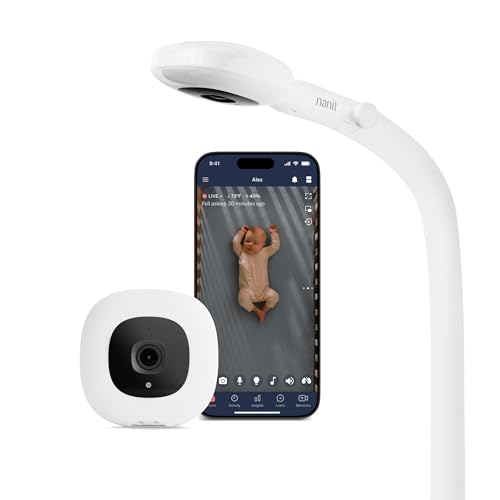
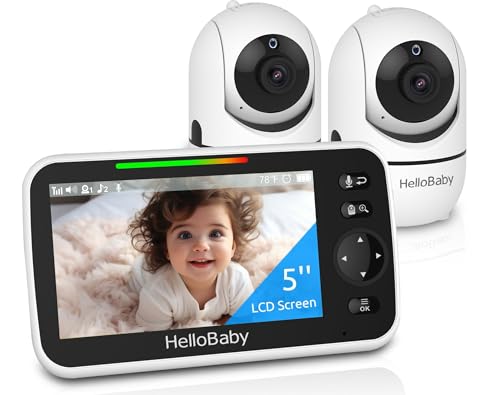
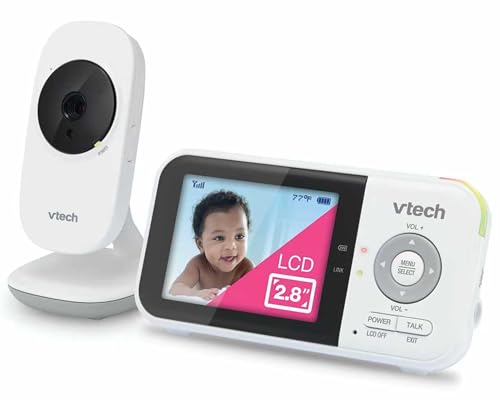
There is no single camera that suits every nursery, because each family uses the room differently through the day and night. This guide to best cameras for nursery matches camera types to real routines, from checking in from another room to capturing first milestones. Use the comparison table below to see the main types side by side before you compare features in detail.
A nursery camera is a monitoring aid, not a substitute for adult supervision, so never leave a child unsupervised because a camera is running. The right setup gives you a clear view, reliable alerts, and controls you can use half asleep at night, without adding clutter or trailing cords near a crib. The sections below start with who benefits from each type, then explain the features that matter most in a nursery setting.
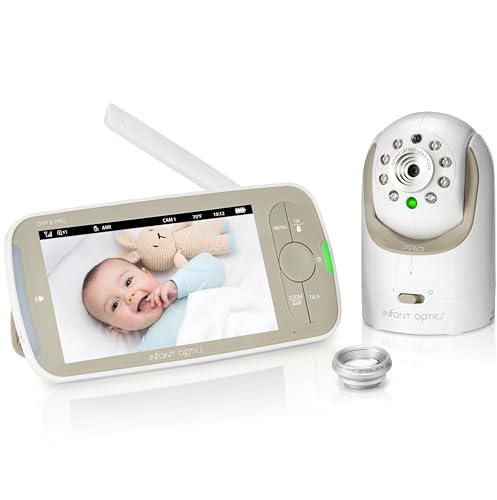

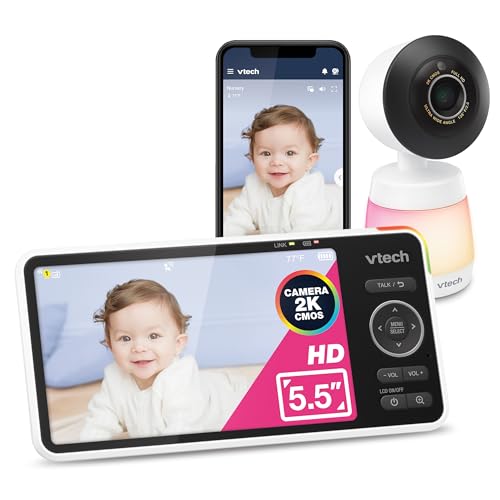
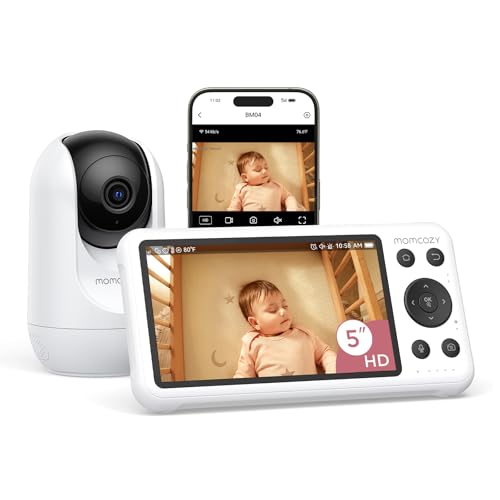

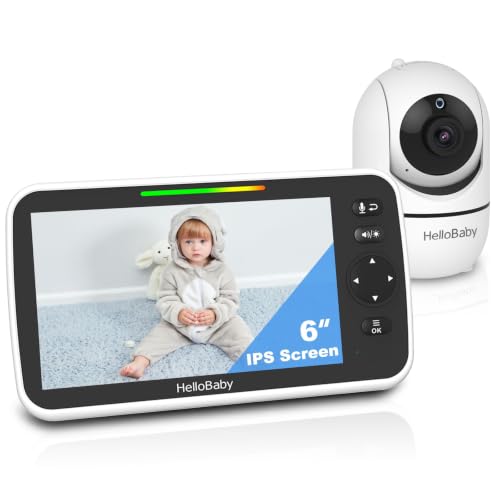

Who Should Buy Which Camera?
Nursery routines differ more than nursery rooms do, so start with how you will actually use the camera. A parent who works from home needs different strengths than a family that wants to record milestones or share care across several adults. The groups below are written for nursery use, not generic camera buyers, and each one names the features that matter most for that routine.
For Parents Checking In From Another Room
If you mainly check in while a child naps in another room, prioritize a clear live view, dependable night viewing, and sound alerts you can hear over household noise. A camera with a dedicated parent unit works well when you do not want to rely on a phone, while an app based camera suits parents who already carry a phone everywhere. Keep the view wide enough to see the whole crib area, and test the alert volume in your actual home before you rely on it overnight.
For Caregivers Sharing the Nursery Routine
When several adults share care, simple sharing controls and a consistent view matter more than advanced features. Look for a camera that lets you add trusted viewers with clear permission settings, and that keeps its view steady when different people open the app. A simple interface helps grandparents and babysitters use the camera without a tutorial. Agree on who can view the feed, and review those permissions whenever a caregiver changes.
For Families Documenting Milestones
Families who want to capture first steps, first words, and everyday play need good video quality and easy clip saving. A camera with smooth video, decent low light performance, and simple clip export makes it easy to keep moments worth sharing. Storage matters here, so check whether clips save locally, in the cloud, or both, and what the ongoing cost looks like. Keep milestone recording separate from overnight monitoring in your mind, because the two uses reward different settings. For a broader look at image quality, see our guide to best quality cameras.
For Everyday Nursery Use
Everyday nursery use rewards reliability over novelty. A camera that starts quickly, holds its connection, and runs through the night without fuss will serve you better than a feature packed camera that needs frequent attention. Look for stable power, a mount that stays put, and controls that are easy to adjust in dim light. A straightforward camera also makes it easier to spot when something changes, because you already know how the normal view should look.
Key Features to Compare
Nursery cameras share many features with general cameras, but the nursery setting changes which ones matter. Night viewing, cord safety, and alert reliability outweigh zoom range or creative modes for most families. Compare the features below against your routine, not against a generic checklist, and give extra weight to anything that affects safety or sleep.
Battery Life and Charging
Power determines whether a nursery camera is useful overnight, so check how long it runs on one charge and how it behaves while plugged in. A camera with a long battery life suits rooms without a nearby outlet, while a plugged in camera suits a fixed mount near a crib. If you choose a battery camera, keep a charging routine, such as charging during daytime play, so the camera never runs out at night. Always route cords well away from the crib and out of reach, and secure them so a curious child cannot pull on them.
Ease of Use for Your Skill Level
A nursery camera should be easy to use when you are tired, in dim light, and in a hurry. Auto modes, a simple app layout, and a clear live view help more than a long menu of advanced settings. Check how quickly you can open the feed, adjust the view, and mute or unmute sound, because those are the actions you will repeat daily. If setup feels confusing in the store or during a trial, it will feel worse at 3 in the morning, so favor simplicity. If you are new to this kind of camera, our guide to best starter cameras explains the basics in plain terms.
Features That Matter for Nursery
Nursery use creates specific needs that general camera guides often miss. Night viewing should show a sleeping child clearly without a bright light that disturbs sleep, and sound alerts should distinguish a cry from background noise when possible. Two way audio lets you soothe from another room, though it never replaces going in person when a child needs you. Temperature and humidity readings can add useful context, but treat them as rough guides, not medical measurements, and check the room yourself when a reading looks unusual.
Sensor Size and Image Quality
Image quality in a nursery depends less on sensor size than on night performance, lens angle, and compression. A wide view covers the crib and the room, while a narrow view may miss movement at the edges. In dim light, a camera with good night viewing and low noise matters more than a high megapixel count, because grainy night video hides detail. Test the night view in a dark room before you commit, and check whether faces and bedding remain clear at the distance you will mount the camera. For general shooting advice, see our guide to best cameras for photography.
Common Mistakes to Avoid When Buying Cameras
- Choosing on price alone, then discovering the night view is too grainy to be useful.
- Ignoring battery life and charging, so the camera runs out during the night.
- Buying a camera that is too large or awkward to mount safely in the nursery.
- Skipping warranty and support checks, then struggling when the app stops working.
- Leaving default passwords unchanged, which weakens account security from the start.
Each of these mistakes is easy to avoid with a short check before you buy. Compare night samples, confirm power options, measure your mounting spot, and read the warranty terms. Security deserves the same attention as image quality, because a nursery feed is private by nature. Change default passwords, turn on two factor authentication when offered, and keep the camera software updated.
Tips to Get the Most From Your Camera
Good habits keep a nursery camera useful long after setup day. Wipe the lens gently with a soft dry cloth, because fingerprints and dust blur the night view. If your camera runs on a battery, keep a charging routine and a spare ready. Mount the camera securely, out of reach, with a clear view of the crib and no cords within reach of a child. Review the view after any room rearrangement, since a shifted shelf or new furniture can block the angle you rely on.
Privacy habits matter as much as placement. Keep the camera feed to trusted viewers only, review who has access from time to time, and follow local placement and recording rules for your home. No camera can guarantee privacy or security, so treat access controls as an ongoing habit rather than a one time setup step. If you ever feel unsure about a setting, check the maker guidance or ask a qualified installer for help.
Frequently Asked Questions
What features matter most in cameras for nursery?
Clear night viewing, reliable sound alerts, and secure access matter most in a nursery camera. Night viewing lets you see a sleeping child without disturbing sleep, while sound alerts tell you when to check in person. Secure access protects a private feed, so change default passwords and use two factor authentication when offered. Battery life and mounting safety come next, because a camera that runs out overnight or sits within reach creates new problems. Judge each feature by how it helps your daily routine, not by how advanced it sounds.
What specs matter most for beginners?
Night viewing quality, field of view, and connection stability matter most for beginners choosing a nursery camera. A wide field of view covers the crib area without constant adjustment, while a stable connection keeps the feed available when you need it. Resolution matters less than many buyers expect, because a clear, well lit night image beats a grainy high resolution one. Check how the camera handles dim rooms and weak WiFi, since those are the conditions that reveal real weaknesses. Simple controls matter too, especially during night checks.
Which is better for low light?
A camera with strong night viewing and low noise performs better in low light than a camera that relies on megapixels alone. Infrared night viewing shows a sleeping child clearly without a visible light, while a larger sensor and good processing reduce grain in dim rooms. Mounting position also affects low light results, because a camera too far from the crib loses detail even with good night viewing. Test the night image at your actual mounting distance before you rely on it. Keep the room dark enough for sleep, and avoid adding bright lights just for the camera.
Is a smartphone enough instead?
A smartphone can work for occasional nursery checks, but it lacks the fixed view, night viewing, and continuous alerts of a dedicated nursery camera. A phone left in the nursery ties up a device you may need elsewhere, and its battery drains quickly during long monitoring sessions. A dedicated camera stays mounted, keeps a steady angle, and sends alerts without occupying your phone. If you only check in briefly during the day, a phone may suffice, but overnight monitoring rewards a dedicated setup. Never rely on any camera as a substitute for adult supervision.
How much should I spend on my first one?
Most families do well spending about $80 to $250 on a first nursery camera, depending on whether they want a dedicated parent unit or app only viewing. Lower priced cameras suit simple daytime checks, while higher priced cameras add better night viewing, two way audio, and more reliable alerts. Check storage costs before you buy, because cloud plans can add a monthly fee on top of the camera price. A spare mount, a longer cord routed safely, and a protective case may add about $20 to $50. Add those extras to the camera price to get your true total.
The Bottom Line
Choose a nursery camera that fits your routine: a steady night view and clear alerts for overnight checks, simple sharing for several caregivers, and easy clip saving for milestones. Prioritize mounting safety, cord safety, and secure access alongside image quality, because those factors shape daily use more than extra features. The best cameras for nursery are the ones that run reliably through the night, show a sleeping child clearly, and stay easy to use when you are tired. Check the product table above once more, compare two or three types that fit your budget, and pick the setup that keeps your nursery routine simple and safe.