
Best Booster High Chair (2026): Types, Fit and Safety Checks
Disclosure: We may earn a commission when you buy through links on this page, at no extra cost to you. As an Amazon Associate I earn from qualifying purchases. Learn more
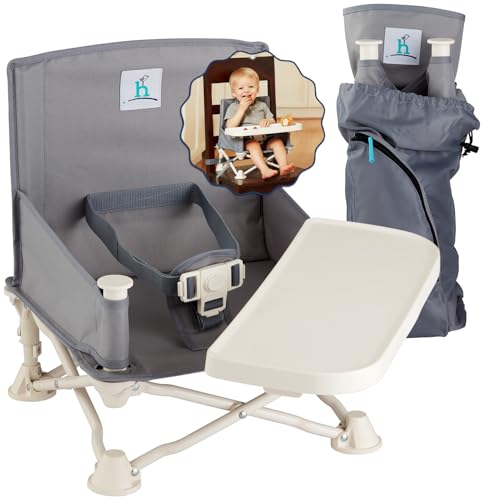
Fit, strap and cleaning advice for choosing the best booster high chair, with tray, tray free and travel boosters compared.
A booster high chair lifts your child to the family table while strapping securely onto a dining chair you already own. It saves floor space and lets your child eat beside everyone else. The best booster high chair for your home depends on your dining chairs, your child size, and how often you will move or store the seat. The product table below lets you compare real boosters so you can narrow your choice fast.



Booster Types Compared at a Glance
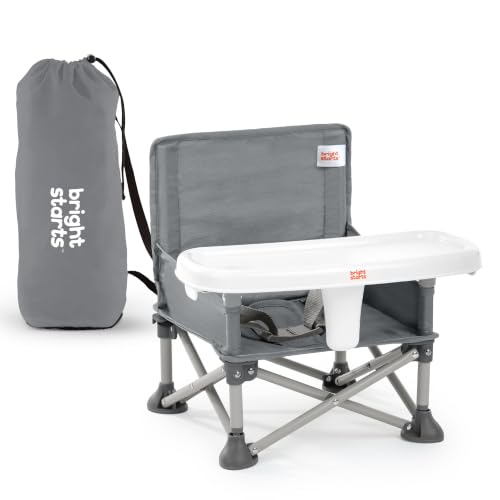
Boosters fall into three broad types. Tray models give a young child a personal eating surface. Tray free models pull right up to the table, which helps an older toddler practice with a regular plate and cup. Travel models fold or pack flat for visits, restaurants, and storage in a closet or car trunk.
Some boosters add height settings or a backrest that removes later so the seat becomes a simple lift for an older child. Treat those extras as bonuses. A booster that fits your dining chair and straps on firmly beats a feature packed model that rocks or slides. If you are still weighing the wider category, our guide to the best high chair covers full size options.
Who Should Buy a Booster High Chair?
Families With Limited Floor Space
A freestanding high chair claims a surprising amount of kitchen floor, and its legs catch feet and chair legs. A booster uses a chair you already have, so the footprint stays unchanged. After the meal, many models slide under the table or come off for storage. If space is your main concern, see our guide to the best high chair for small spaces.
Parents Who Eat Out or Visit Family Often
A light booster travels in a way a full size chair never will. You can carry it to a grandparent home, a rental, or a restaurant where house chairs may be dirty or missing straps. Your child also gets a familiar seat, which can make meals away calmer. Weight, folded size, and straps that pack neatly matter most here.
Caregivers Ready to Move a Toddler to the Table
Many toddlers resist a separate high chair once they notice everyone else at the table. A booster answers that push for independence while still providing a harness and a raised seat that puts food within easy reach. Choose a removable tray so the seat can shift from tray meals to table meals as skills grow.
Key Features to Compare
Safety Standards and Certifications
Look for a JPMA certification mark and a statement that the booster meets current CPSC requirements and the applicable ASTM standard for booster seats. Certification means the design passed independent checks for stability, restraint, and strength. Read the manual before first use and register the product so recall notices reach you. Stop using the seat if a strap frays or a buckle cracks. Never place a booster on a stool, a swivel chair, or a bench without a back.
Harness and Chair Attachment Straps
A booster relies on two strap systems, and both must work well. The child harness, either three point or five point, should adjust smoothly, buckle with a firm click, and sit snug without pinching. The attachment straps wrap under and behind the adult chair and need buckles that hold tension. Test the empty booster by pushing and rocking it. It should not slide forward, shift side to side, or lift at the front edge.
Size, Weight, and Fit on Your Dining Chair
Measure before you buy, because booster fit is mostly a geometry problem. Check the width and depth of your dining chair seat, the height of its backrest, and the distance from the chair seat to your tabletop and any table apron underneath. The base must sit fully on the chair seat with no overhang, and the tray must clear the apron. A seat around 3 to 6 pounds moves easily between rooms, while heavier models travel poorly.
Tray, Foot Support, and Posture
A good tray is wide enough for a plate and cup, has a raised edge to slow spills, and detaches with one hand while your other hand stays on your child. Some trays adjust in and out as your child grows, which keeps food close. Foot support matters more than many parents expect. When feet dangle, children wiggle and slouch, so a footrest or a height setting that lets feet rest on the chair rung supports better posture.
Ease of Use and Daily Adjustment
You will strap and adjust this seat several times a day, so small frictions add up. Buckles should open without a struggle but stay closed when a toddler pulls at them. Height settings, where offered, should change without tools and lock with a clear action. Straps that remove for washing save real time after a spill. A babysitter should also be able to secure your child correctly after one quick demonstration.
Cleaning and Materials
Boosters live in the splash zone, so surfaces decide how much you enjoy owning one. Smooth plastic shells wipe clean in seconds and leave few seams where food can hide. Padded covers feel softer, but they add laundry time, and crumbs collect along stitching. Check whether the tray fits in your dishwasher and whether straps come off for a soak. Avoid deep grooves around the buckle area, since dried food there can stop straps from moving freely.
How to Choose the Right Booster High Chair
Start With Your Dining Chair and Table
Your existing furniture rules out more models than any other factor. The adult chair needs a firm seat and a backrest tall enough for the rear strap to grip. Thick cushions can compress and let the booster shift, and narrow chairs may not support the full base. Test the setup with your child buckled in before removing tags. For more fit checks, see how to choose a high chair.
Check Age, Weight, and Height Limits
Most boosters suit children who can sit up on their own, often around 6 months, and weight limits commonly reach about 40 to 60 pounds. Treat those limits as hard stops, not suggestions. A child who pushes against the table hard enough to move the chair, or who climbs out despite the harness, has outgrown the seat even if the numbers still fit. Always use the harness, even for a short snack.
Portability and Folding
If the seat will move between homes or store in a small closet, compare folded dimensions rather than open ones. Slim folding models tuck beside a refrigerator or hang on a hook. Compare them with the options in our roundup of the best folding high chair designs if folding is your top priority. Car travelers may prefer our guide to the best portable high chair.
How Much Should You Spend?
Basic tray boosters often cost under $50 and cover the essentials well, with a harness, chair straps, and a wipe clean shell. Spending about $50 to $100 usually adds height settings and a larger tray. Models around $100 to $200 tend to offer folding frames or growth features that extend use. Pay for fit, safety hardware, and cleaning ease before looks.
Booster High Chairs Compared With Other High Chairs
A booster wins on space, price, and travel, and it brings your child directly to the family table. It stores easily and often costs far less than a freestanding chair. Many families choose one as their only seat or as a second seat for travel and grandparents.
The trade offs are real. A booster depends entirely on the adult chair beneath it, so an unstable chair makes the whole setup unsafe. Most boosters lack the recline that helps babies who cannot sit fully upright. If your baby is not yet sitting steadily, start with a supportive full size chair and switch later.
- Choose a booster if floor space is tight, travel is frequent, or your toddler wants a place at the table.
- Choose a full size chair if your baby needs recline support or your dining chairs are stools, benches, or swivel styles.
- Choose a hook on seat only if your table is heavy, stable, and within the thickness range the maker allows.
Common Mistakes to Avoid
- Skipping one strap system. Using the child harness without the chair straps, or the reverse, leaves the seat free to slide or tip.
- Placing the booster on the wrong chair. Stools, folding chairs, and chairs with very low backs cannot hold a booster safely.
- Ignoring the weight limit. An over limit child raises the center of gravity and can rock the adult chair backward.
- Letting straps loosen over time. Cushions compress and straps stretch, so a seat that felt firm in week one may wobble by week six.
- Leaving a child unattended. A buckled child can still push off the table or rock the chair, so stay within arm reach at meals.
How to Make Your Booster High Chair Last Longer
Clean the seat after messy meals rather than letting food dry into seams and strap webbing. Warm water and mild soap handle most spills, and a soft brush reaches around buckles. Our guide on how to clean a high chair covers strap soaking and stain removal in depth. Dry every part fully before reassembly, since trapped moisture under pads can cause odors.
Inspect the booster monthly. Run your fingers along straps for fraying, click each buckle, and check the shell and tray for cracks, especially after a drop onto a hard floor. Tighten the chair straps as cushions settle, and store the seat indoors away from direct sun. Pass it on only if all straps, buckles, and instructions are intact and no recall applies.
FAQ
What is the best booster high chair for a small dining area?
Choose a compact tray model with a narrow base that sits fully on your chair and slides under the table when pushed in. Measure your chair seat and table apron first, because those two numbers rule out most poor fits. A removable tray helps too, since you can pull your child right up to the table as they grow.
Are booster high chairs safe for everyday use?
Yes, a certified booster used exactly as the manual directs is safe for daily meals. Confirm the adult chair is stable, both strap systems are snug, and the harness is buckled every time. Recheck strap tension weekly, because chair cushions compress with use. If your child can rock the chair or climb out, stop using the booster and choose a different seating option.
When can a baby start using a booster high chair?
Most babies can start once they sit up on their own with steady head and trunk control, which often happens around 6 months. A booster offers less recline and side support than a full size chair, so a baby who still slumps to one side is not ready. Follow the minimum age and weight in your manual, and ask your pediatrician if you are unsure about readiness.
How do you stop a booster high chair from sliding on the chair?
Tighten both attachment straps until the booster cannot shift when you push it firmly from each side. Sliding often traces back to a slick chair finish, a compressed cushion, or straps routed at a poor angle, so reroute the straps through a lower path if the manual allows it. A thin non slip mat can help on smooth wood chairs. If sliding continues, that pairing is not safe.
How long can a child use a booster high chair?
Many children use a booster from about 6 months until age 3 or 4, but the model limits decide. The end point is whichever arrives first, the maximum weight, the maximum height, or behavior such as climbing out. Some models extend use by removing the backrest and tray to become a plain lift, which can add another year at the table.
Final Thoughts
The right booster brings your child to the table without crowding your kitchen, at home and at family gatherings alike. Focus on certification, strap quality, and an honest fit check against your own chairs and table. Compare the options in the product table near the top against your measurements, and you will land on the best booster high chair for your family. Prices and availability can change, so check the product page before ordering.


