Best Cameras for Non Photographers in 2026: Simple Cameras at Every Budget
Disclosure: We may earn a commission when you buy through links on this page, at no extra cost to you. As an Amazon Associate I earn from qualifying purchases. Learn more

Compare the best cameras for non photographers by budget, focusing on auto modes, steady focus, sensor size and zoom, plus the extras you can safely skip.
Camera prices stretch from under $200 to several thousand dollars, yet spec sheets rarely say what you will actually feel. The best cameras for non photographers earn that label by making good decisions for you, so faces stay sharp and you simply press one button. Use the comparison table below to see how far each budget goes.
You do not need to study exposure to want better family photos, travel shots, or short videos. You need a camera that starts fast, focuses on people, and sends pictures to your phone without a cable. For the wider category view, see our guide to the best digital cameras first.

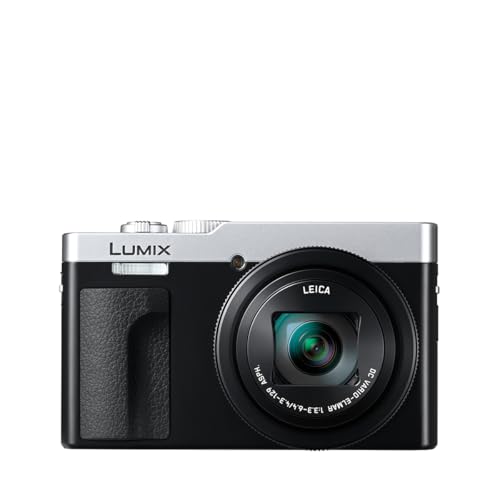


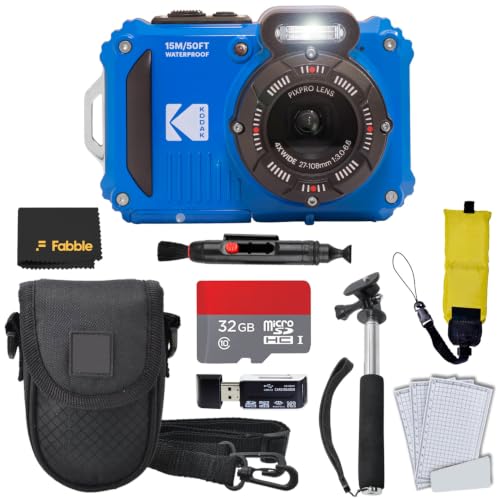

Who Should Buy a Camera That Makes the Decisions?
Your reason for skipping manual control shapes the right choice more than any sensor chart. Match yourself to one group below, then weight the later features in that order.
Families Who Hand the Camera to Anyone Nearby
You shoot birthdays, school plays, and weekend games, often passing the camera to a partner or grandparent mid event. Pick a fully automatic mode that sets everything scene by scene, strong face detection, and a zoom covering both a room and a playing field. A secure one handed grip matters too, since your other hand often holds a drink or a small child.
Travelers Who Pack Light and Shoot All Day
You want one camera in a jacket pocket or small day bag, ready for markets, coastlines, and museum interiors. Prioritize a fixed lens with a useful zoom, stabilization for walking shots, and a battery lasting a full sightseeing day. Weather sealing earns its cost here, because rain and sea spray arrive without warning, while a spare lens adds weight you will resent by afternoon.
Home Video Makers Who Record People Talking
You film family updates, hobby clips, or short pieces for social apps, and you want clear speech and steady framing without a crew. Look for a screen that flips toward you, a microphone input for spoken pieces, and focus that follows faces while you move. Automatic exposure matters too, smoothing the jump when you step from shade into bright sun.
What Each Price Level Simplifies for You
Judge each tier by the problems it removes, not by its spec count. Helpful automation first and deep menus last is what defines the best cameras for non photographers in daily use.
Budget Tier: Honest Simplicity for About $200 to $400
Expect a point and shoot compact with a small sensor, useful optical zoom, and scene modes for portraits, landscapes, and night scenes. Photos beat a phone mainly through real zoom and a proper flash, while dim rooms still show grain. This tier fits casual family use and travel backup duty. Skip models advertising huge digital zoom numbers, because cropping inside the camera adds reach on paper only.
Midrange Tier: Larger Sensors and Focus You Can Trust
Spending about $400 to $800 usually buys a 1 inch sensor, faster and more reliable autofocus, and stronger stabilization, a mix that shows in indoor photos and moving children. Many models add a tilting screen and cleaner video. Most non photographers stop at this tier, because results jump while operation stays simple. If curiosity grows later, see our guide to the best cameras for starting photographers for models that add manual control gradually.
Premium Tier: Better Glass and Calmer Low Light Results
Above about $800, you pay for larger sensors such as APS C or full frame, brighter lenses, and bodies that track eyes through a crowd. Colors hold up at dusk, backgrounds soften in a pleasing way, and burst shooting catches fleeting expressions. The trade off is size and price, and extra dials help only if you enjoy them. Choose it for frequent indoor events or prints you plan to frame.
Key Features to Compare
Rank these factors by your group above, not by how loudly a brand advertises them on the box.
Automatic Modes and Guided Menus You Will Actually Use
A good automatic mode reads the scene and sets focus, exposure, and color without asking you anything, while scene modes add presets for sports, food, or night portraits. Guided menus explain each choice in plain words as you tap. Choose this depth of help if menus make you put a camera down, because a camera left at home takes no photos. Check that auto sits on the dial, not buried three levels deep in menus.
Autofocus and Stabilization That Cover for You
Face and eye detection lock onto people and hold focus as they move, removing the most common cause of ruined family shots. Pair that with image stabilization in the lens or body, which calms small hand movements during zoomed photos and walking video. If you shoot children or pets most, rank this pair first.
Sensor Size and What It Means for Indoor Photos
A sensor gathers light, so a larger one generally keeps indoor and evening photos cleaner, with less grain and softer background blur. Small sensors do fine outdoors, 1 inch sensors lift dim room results, and APS C or full frame sensors give the most margin after dark. Megapixels matter far less, because screens and standard prints need only a fraction of modern resolution.
Optical Zoom Versus the Digital Zoom Trap
Optical zoom uses the lens to bring distant subjects closer at full quality, and a range around 24 to 200 mm in equivalent terms covers groups, travel scenes, and school stages. Digital zoom only enlarges the middle of the image, so detail drops fast. A modest optical range with stabilization beats an extreme range that shakes at full reach. Try the zoom lever in a store before buying if you can.
Controls, Screens, and Sharing Photos to Your Phone
Simple layouts win: a mode dial you can read at a glance, a touchscreen for tapping a focus point, and few buttons you might press by accident. A tilting screen helps with low angles and self recording, while WiFi and Bluetooth move photos to your phone. Check companion app reviews before buying, because a clumsy app quietly turns a good camera into a rarely used one.
Small Ongoing Costs of Simple Cameras
The body price is only part of ownership. Budget for a memory card at about $20 to $40, a padded case, and a spare battery for full days out. Interchangeable lens models can pull you toward a second lens later, so count that cost before choosing one. A fixed lens compact keeps spending predictable, which suits many readers of a guide to the best cameras for novice photographers.
Common Mistakes to Avoid
Each mistake below costs money or photos, and each is easy to dodge once spotted.
- Judging a camera by megapixels alone can leave you with grainy indoor photos despite the impressive number on the box.
- Choosing digital zoom figures over optical zoom leaves distant subjects soft and blocky once you view them on a big screen.
- Picking a large interchangeable lens body for pocketable travel photos means it stays in the hotel safe while your phone does the work.
- Ignoring the sharing steps means finished photos sit on the memory card for months instead of reaching family and friends.
- Leaving the camera in manual mode after a relative experiments with it means dark or blurry shots until someone resets it.
Care and Maintenance for a Camera You Use Casually
Casual cameras fail from neglect more often than from wear. Wipe the lens with a clean microfiber cloth before big events, because fingerprints soften every shot until you spot them that evening. Keep the camera in a padded case, store it somewhere dry, and remove the battery if it will sit unused for several months. After beach days, brush sand from the seams before opening any door or dial.
Once or twice a year, check for camera software updates from the maker, charge the battery fully, and format the memory card in the camera after your photos are safely copied. If the lens will not extend or an error returns after a restart, stop forcing anything and contact a repair service, because grit inside can turn a small fault costly.
Questions Non Photographers Ask Before Buying a Camera
What features matter most in a camera for someone who never changes settings?
Reliable automatic exposure and autofocus that favors faces matter most, followed by stabilization and a lens covering your usual scenes. Also test how the camera behaves in the first five seconds after switch on, because startup speed decides whether candid moments survive. A model that wakes instantly and shoots with one press beats a slower camera with deeper menus.
Is a smartphone enough instead of a separate camera for family photos?
For bright outdoor scenes and instant sharing, a good phone is genuinely enough. A separate camera earns its place when you zoom across rooms, shoot in dim light, or want prints larger than a phone screen shows well. It also keeps others from draining your phone battery at long events, and its bigger grip steadies one handed shots.
Should a non photographer choose a camera with interchangeable lenses?
Only choose interchangeable lenses if you accept a larger bag, higher total cost, and the small chore of swapping lenses for different scenes. Most non photographers get more joy from a fixed lens model that is always ready. If you lean toward learning later, our guide to the best cameras for amateur photographers shows the next step up, where one body grows with extra lenses over time.
Can a simple camera handle night markets and evening street scenes well?
Yes, a simple camera handles evening scenes well when it pairs a larger sensor with stabilization and a sensible automatic night mode. Hold it with both hands, brace your elbows, and take two or three frames of the same scene, because the best of a short burst is often sharper. Bright signs can fool exposure, so tap the screen on your main subject before shooting.
Our Verdict
Start with your group, set a tier, and let automation quality decide between finalists. For most readers, a midrange compact with a 1 inch sensor, trusted eye focus, and easy phone sharing covers family life and travel well. Compare the best cameras for non photographers in the product table above and pick the one you will happily carry every day.