
Best Cameras for Night Pictures in 2026: Which Type Is Right for You?
Disclosure: We may earn a commission when you buy through links on this page, at no extra cost to you. As an Amazon Associate I earn from qualifying purchases. Learn more

Compare camera types for dark scenes by sensor size, lens speed and focus, and find a camera for night pictures that fits your budget and trips.
Night scenes punish the wrong camera. Street lights blow out, faces turn grainy, and focus hunts while your subject moves on. The best cameras for night pictures gather more light, focus in dim scenes, and stay steady at slow shutter speeds. This guide compares types side by side, so you can use the comparison table below with a clear plan.
Start with how you shoot after dark. City walks, indoor gatherings, concerts, and star fields each ask for a different mix of sensor, lens, and size.

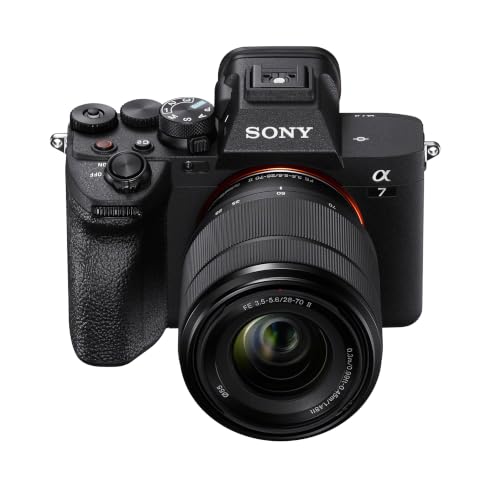




Types of Cameras Compared for Night Pictures
Four camera types cover almost every night need. They differ in sensor size, lens choice, and carried weight, and prices rise with sensor size.
Full Frame Mirrorless Cameras
A full frame sensor is the largest option here, and its large pixels collect light well at high ISO. Paired with a fast prime lens, this type gives the cleanest files for concerts, weddings, and dark interiors, and you can change lenses for each job. The trade off is size and cost, with bodies often about $1,500 to $2,500 before a lens. Choose this type if night quality matters more than a light bag.
APS C Mirrorless Cameras
An APS C sensor is smaller than full frame, yet modern versions still handle dim rooms and evening streets well. Bodies and lenses cost less and weigh less, and you can swap lenses as your skills grow. A fast lens matters more here, since the smaller sensor gathers less light. Kits often cost about $700 to $1,400. Choose this type for strong night results in a light kit.
Point and Shoot Compacts With One Inch Sensors
These fixed lens cameras fit in a coat pocket, yet their one inch sensor is far larger than a phone sensor. The built in zoom covers wide street scenes and closer portraits, and most models open to about f/1.8 to f/2.8 at the wide end, which helps indoors. You cannot change lenses. Prices often run about $500 to $1,000. Choose this type for travel and family events.
Micro Four Thirds Cameras for Travel at Night
This system uses a sensor smaller than APS C, paired with compact lenses and strong stabilization in many bodies. That mix suits long handheld walks through markets, fairs, and lit old towns. Very dark scenes show more noise than larger sensors at the same ISO. Kits often cost about $600 to $1,200. Choose this type if small size matters more than the cleanest files.
Point and Shoot Compacts vs Mirrorless Cameras: Which Should You Choose for Night Pictures?
A compact wins on ease. You carry one small camera and let its lens and sensor work as a matched pair. A mirrorless camera wins on control. You choose each lens, set aperture and ISO yourself, and gain cleaner files in darker places, at the cost of more weight.
Pick the compact for trips and gatherings, where a pocket size camera gets used most. Pick mirrorless if you shoot in dim venues often or plan to print large. If your night subject is wildlife at a feeder, a different tool fits better, so see our guide to the best trail cameras for night pictures.
How to Choose the Right Camera for Night Pictures
When you shortlist the best cameras for night pictures, judge the lens and sensor together, since a great sensor behind a slow lens still struggles after dark. For a wider view first, see our guide to the best digital cameras. Then weigh the five factors below.
Sensor Size and Clean Files After Dark
Sensor size sets your starting point in dim light. Larger sensors spread the same light over larger pixels, so files stay cleaner as ISO climbs and you keep detail in shadows. Megapixels matter less at night, since a crowded small sensor can look noisier than a modest count on a larger one. Full frame leads for very dark scenes, while APS C balances cost and quality. Pick the largest sensor you will truly carry.
Autofocus and Stabilization
Focus systems slow down as light falls, so look for a rated low light focus limit near minus 4 EV or lower, plus face and eye detection for people. Those tools lock onto a face at a candle lit table instead of hunting past it. Stabilization in the body or lens lets you handhold near 1/15 to 1/30 of a second for still subjects. It cannot freeze a moving dancer, so raise shutter speed for action.
Size, Weight and Handling in the Dark
You shoot at night with cold fingers and little light to find buttons. A secure grip, dials you can turn by feel, and a screen that tilts for low angles matter more after dark than on a spec sheet. Small compacts win for long walks and discreet street work. Larger bodies win for balance with long lenses and controls you can learn by touch. Picture a full evening out, not a five minute test.
Power Planning for Long Nights Out
Night work drains batteries fast. Long exposures, screen previews, and cold air all cut the shot count, and mirrorless cameras often rate near 300 to 400 shots per charge in mild weather. Carry at least one spare battery for a full evening, kept warm in an inside pocket. USB C charging helps on trips, since you can top up from a car or power bank between stops.
Features That Matter for Night Pictures
A fast lens is the single biggest upgrade for darkness, so favor a maximum aperture near f/1.4 to f/2.8 over a slow kit zoom near f/3.5 to f/5.6. Manual exposure control, RAW files, and a bulb mode let you shoot star fields and light trails with intent. A standard tripod thread and a remote release option matter for those slow shots. Weather sealing helps in drizzle, but treat it as splash protection only.
Common Mistakes to Avoid
Most poor night photos come from a few repeat errors.
- Buying by megapixel count alone leaves you with noisy files in the dark scenes you care about most.
- Pairing a good body with a slow kit lens starves the sensor of light and forces harsh flash indoors.
- Trusting stabilization for moving subjects gives you sharp backgrounds and blurred faces in the same frame.
- Shooting only JPEG files throws away shadow detail you could have recovered from a RAW file later.
- Leaving home with one battery risks a dead camera before the best night scene of the trip appears.
Setup and Care Tips for Cameras Used at Night
Before you go out, set your camera to RAW, check that stabilization matches your plan for handheld or tripod use, and pack a lens cloth and a small light for controls. On a tripod, turn stabilization off on most models and use a timer or remote so your hand adds no shake. If you monitor a home yard all night rather than carry a camera, see our guide to the best night time cameras for fixed options.
After the shoot, wipe the lens with the cloth rather than your shirt, since grit on fabric can scratch coatings. Let a cold camera warm up inside its closed bag indoors, so condensation forms on the bag instead of inside the lens. Store it in a dry, padded bag.
Frequently Asked Questions
What features matter most in a camera for night pictures?
A fast lens, a larger sensor, and focus that works in dim light matter most. Start with aperture, since an f/1.8 lens gathers about four times the light of an f/3.5 zoom at the same setting. Add one check before you buy: confirm the camera shows a live exposure preview, so you can judge brightness on screen before each shot.
What specs matter most for beginners buying a camera for night pictures?
Beginners should value a bright lens, simple auto ISO limits, and stabilization over long spec lists. Set a top ISO you accept, near 3200 on APS C or 6400 on full frame, and let the camera work within it. A useful first test is your living room with lamps only. If faces look clean there, lit streets feel easy by comparison.
Is a smartphone enough instead of a camera for night pictures?
A smartphone is enough for lit streets, signs, and quick shares, since its software blends frames to lift shadows. It falls short when you zoom, print large, or shoot moving people in dim rooms, where small sensors show their limits. Many owners keep the phone for casual nights and carry a dedicated camera when the photos are the point.
How much should you spend on a first camera for night pictures?
Plan on about $600 to $1,200 for a first setup that feels strong after dark. That range covers a good one inch compact or an APS C body with money left for a fast prime lens, which often improves night results more than a pricier body with a slow zoom. Spend on the lens first and skip costly video extras you will not use.
Do you need a tripod for night pictures with a modern camera?
You need a tripod only when your subject holds still and you want the lowest ISO and slowest shutter speeds, as with star fields and skylines. For people and street scenes, stabilization and a fast lens usually serve you better, since a tripod slows you down. A mini tripod in your bag covers occasional long exposures on walls or tables.
Which sensor size is better for low light night pictures, full frame or APS C?
Full frame is better in the darkest scenes, giving cleaner files at very high ISO and more room to lift shadows later. APS C is the better value for most owners, since its smaller lenses cost less and its results in lit streets come close. Choose by your darkest regular scene, not by a rare extreme.
Our Verdict
Match the sensor you can carry to the darkest scene you shoot often, put a fast lens ahead of extra megapixels, and demand focus that still works when light falls. Use the product table above to compare types against that short list, and browse our guide to the best cameras for pictures if you shoot mostly in daylight.
Chosen that way, the best cameras for night pictures become the camera you bring, set with confidence, and trust after dark.


