Best Cameras for Newbies in 2026: A Simple Buying Guide for First Photos
Disclosure: We may earn a commission when you buy through links on this page, at no extra cost to you. As an Amazon Associate I earn from qualifying purchases. Learn more

Find cameras for newbies with clear help on sensors, lenses, video, size and price, so you can pick a first camera that feels simple to learn and use.
Your phone takes decent photos, yet you want richer color, sharper detail in dim rooms, and more control over blur and focus. The best cameras for newbies give you that step up without a steep learning curve. This guide explains sensors, lenses and autofocus in plain terms, so you can read the comparison table below with confidence.
Start with how you will actually shoot. Travel, family events, pets and short video clips each favor a different type and lens. The sections below match those habits to key features.

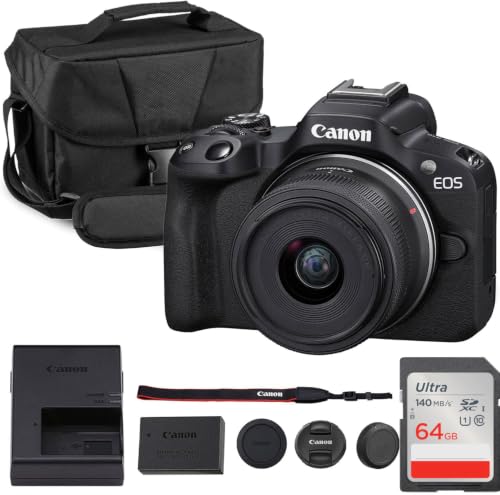


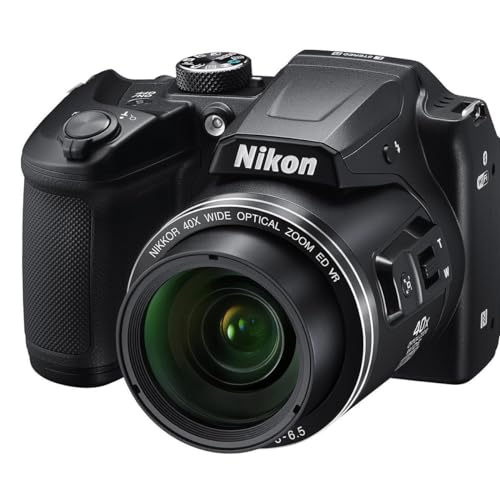
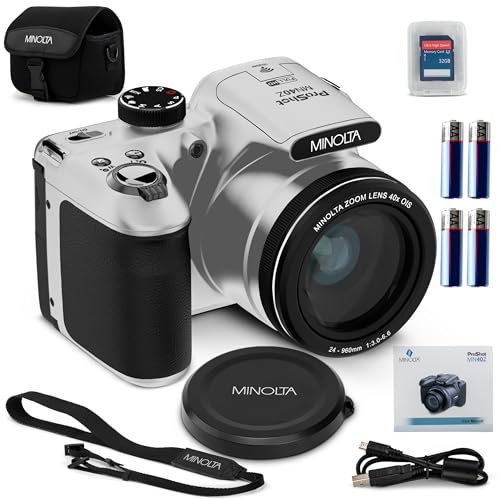
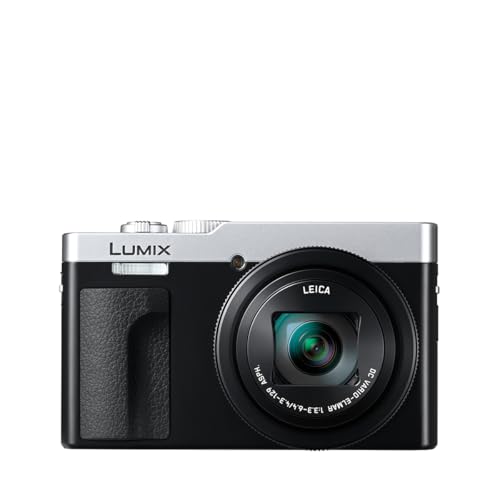
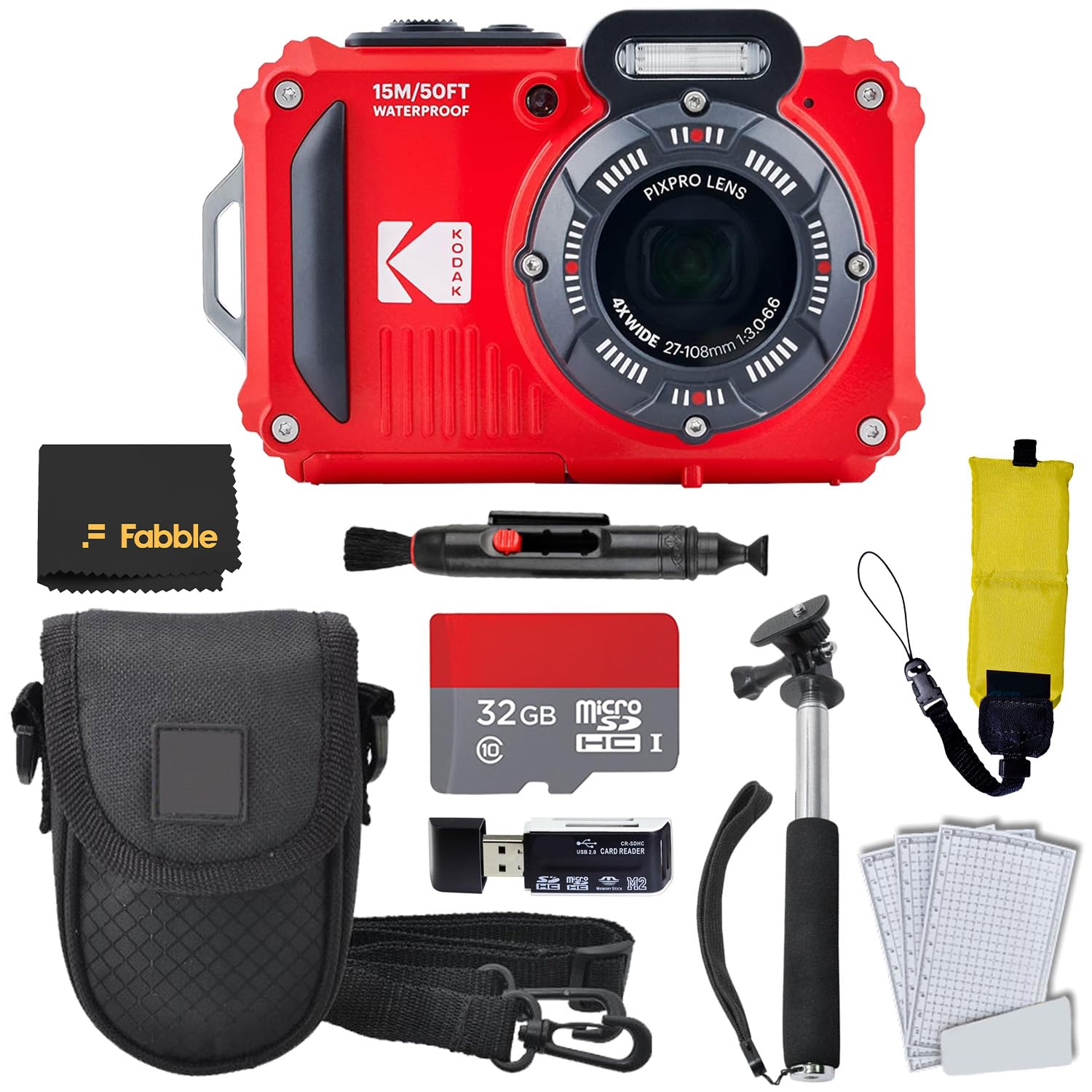
Who Should Buy Which Camera as a Newbie?
Newbies are not one group. Your subject, patience for settings, and how much you want to carry shape the right first camera more than any single spec does.
Newbies Who Mostly Photograph Family and Travel
You need a camera that is ready in seconds and forgiving when light changes. Choose a compact or a small mirrorless body with a strong full auto mode, face detection, and a zoom lens that covers wide scenes and closer portraits. Light weight matters, because a camera left at home takes no photos.
Newbies Who Want to Learn Photography Step by Step
You enjoy control and plan to grow beyond auto mode. Choose a mirrorless camera with dials for aperture and shutter speed, plus a lens mount with many affordable lenses, so you can add a bright prime lens later. See our guide to the best starter cameras for models built around learning.
Newbies Who Shoot Action, Outdoors and Video Clips
You film hikes, pets in motion or clips for sharing online. Choose a camera with image stabilization, fast tracking autofocus, and a screen that flips toward you for self recording. A rugged action camera suits water and rough handling, while a larger body suits longer clips.
Key Features to Compare
Compare these factors in order. For newbies, ease of use and autofocus come first, because a camera that focuses reliably and feels simple teaches you faster than a complex body does.
Sensor Size and Image Quality for Newbies
The sensor records light, and a larger sensor generally gathers more light, which helps in dim rooms and at night. Common sizes run from small compact sensors to 1 inch, APS C and full frame. More megapixels add detail for large prints, but sensor size and lens quality shape everyday results more. For most newbies, a 1 inch compact or an APS C mirrorless camera balances quality, size and price well.
Autofocus and Image Stabilization for Newbies
Autofocus decides how many of your early photos stay sharp. Look for face and eye detection for people and pets, plus subject tracking that follows movement across the frame. Tap to focus on a touchscreen feels natural if you come from a phone. Image stabilization steadies handheld shots and video, which helps at slower shutter speeds and longer zoom settings.
Lenses, Optical Zoom and the Objective Lens
The objective lens is the glass that forms the image, and it affects sharpness as much as the sensor does. Fixed lens cameras keep things simple and cost less to start. Interchangeable lens cameras let you swap a kit zoom for a bright portrait lens later. Optical zoom changes magnification with glass, so detail holds up, while digital zoom only crops the image. A kit zoom of about 24 to 70 mm covers most first year subjects.
Size, Weight and Ergonomics for New Hands
A camera you enjoy holding gets used more. Small compacts slip into a jacket pocket but offer tiny buttons that can feel fiddly with gloves. Mirrorless bodies add a proper grip, larger dials, and a viewfinder that helps in bright sun. Picture a full day of carrying the kit, lens and spare battery included. If weight worries you, favor an APS C body and one versatile zoom.
Battery Life, Charging and Sharing Photos
Battery ratings are given in shots per charge, and mirrorless cameras often manage about 300 to 500 shots, while video and WiFi transfer drain power faster. A spare battery is a smart first accessory. USB C charging helps on trips because you can top up from a power bank. Built in WiFi and Bluetooth send photos to your phone through an app.
Video, Screens and Weather Sealing for Newbies
Many newbies record as much video as stills. 4K video gives crisp clips and room to crop, while good 1080p video is enough for most family use. A flip screen helps with self recording and low angle shots, and a mic input matters if voices are central to your clips. Weather sealing, often described as weatherproof construction, guards against light rain and dust, but not underwater use.
Camera Types Compared for Newbies
Type comes before brand. That is why the best cameras for newbies can look very different from each other, and each type below suits a different first year of shooting. See our guide to the best digital cameras for a wider view.
Mirrorless Cameras for Newbies
Mirrorless cameras use an electronic viewfinder or the rear screen and accept interchangeable lenses. They offer the best balance of image quality, autofocus and growth for most newbies. Start with a kit zoom and add lenses only when a real need appears. See our guide to the best cameras for photography for the next steps.
Point and Shoot Compacts for Newbies
Point and shoot compacts have a fixed lens and a small body you can carry daily. Better models use a 1 inch sensor, a clear step up from a phone in dim light. You give up lens swaps and some manual control, and in return you get simplicity and low weight.
Action Cameras for Newbies
Action cameras are small, rugged and usually waterproof to a rated depth without a housing. Wide lenses, strong stabilization and simple controls suit sports, water and travel clips. Stills are decent in bright light, but small sensors limit dim room quality.
Instant Cameras for Newbies
Instant cameras print a photo seconds after you press the shutter, which makes them fun at parties and family events. Auto exposure keeps use simple, and prints give you a keepsake with no editing steps. Running costs are higher because every shot uses film.
Common Mistakes to Avoid
These early errors cost money a short check can prevent.
- Buying the largest sensor you can afford leaves no budget for a lens, card and bag, so results suffer.
- Judging a camera by megapixels alone ignores sensor size and lens quality, so dim light photos look noisy.
- Choosing digital zoom numbers over optical zoom gives you cropped images with less detail.
- Skipping a spare battery and a fast memory card means missed moments when power or storage runs out.
- Buying many lenses at once overwhelms new habits, so you carry more weight and learn less.
- Ignoring grip comfort leaves you stuck with a camera that feels awkward in your hands.
Care and Maintenance for Your First Camera
Clean the lens with a soft lens cloth, not your shirt, because grit on fabric can scratch coatings. Use a blower for loose dust, keep fingers off glass, and wipe the body dry after rain. Let a damp camera dry in open air first.
Store your camera in a dry, padded bag away from direct sun and car heat. Update firmware when the maker offers autofocus or stability improvements. Format cards in the camera after you copy files safely, and keep a backup of favorite photos elsewhere.
FAQ
What features matter most in a first camera for newbies?
Reliable autofocus, simple auto modes and image stabilization matter most in a first camera for newbies. These features decide how many early photos come out sharp and well exposed while you learn. A useful extra is an on screen guide that explains each mode as you select it, which shortens early trial and error far more than extra megapixels do.
How much should newbies spend on a first camera?
Newbies should expect to spend about $300 to $800 for a strong first digital camera kit. Compacts with a 1 inch sensor sit near the lower end, while mirrorless kits with a zoom lens sit higher. Budget for a memory card, a bag and a spare battery within that total.
Is a smartphone enough instead of a dedicated camera for newbies?
A smartphone is enough for casual snapshots in good light, but a dedicated camera pulls ahead in dim light, at longer zoom distances and for blurred backgrounds. A practical test is to review your recent phone photos and count how many failed from blur, noise or missed focus. Frequent failures signal that a camera will help.
Which camera type handles low light best for newbies?
Mirrorless cameras with APS C or full frame sensors handle low light best for newbies, and a bright lens with a wide maximum aperture helps even more. As a new habit, raise the ISO setting in steps during an indoor shoot and review results on a larger screen at home. That teaches you the noise level your camera handles well.
Do newbies need interchangeable lenses on a first camera?
No, newbies do not need interchangeable lenses on a first camera. A fixed lens compact removes decisions and keeps the kit light, which helps you build a daily shooting habit. Choose interchangeable lenses only if you already want portraits with strong background blur or a gradual upgrade path. Borrowing a second lens for a weekend tests that interest cheaply.
What should newbies check before buying a camera for build quality?
Newbies should check grip comfort, button placement and screen movement before buying a camera for build quality, with the kit lens fitted so balance feels true. Readers who rank durability highly can see our guide to the best quality cameras for solid construction. Also confirm that a strap attaches securely, since a first drop often happens early.
Wrapping Up
Match the camera type to your subjects first, then weigh sensor size, autofocus and lens options against size and total cost. A simple camera you carry daily teaches you more than a complex body at home. Use the product table above to compare weight and price.
When you judge best cameras for newbies by ease of use and reliable focus, the right first choice becomes clear. Start with one versatile kit, shoot often, and add gear only when a real limit shows up.