
Best Cameras for Musicians 2026: Every Type Explained Side by Side
Disclosure: We may earn a commission when you buy through links on this page, at no extra cost to you. As an Amazon Associate I earn from qualifying purchases. Learn more

Confused by all the options? We compare every type of camera side by side so you can choose the best cameras for musicians for your space and budget.
Choosing a camera as a musician feels confusing because a stage, a studio and a bedroom ask for different things. The best cameras for musicians must handle dim light, capture clean sound and keep recording through a full song. This guide compares types and features, so you can use the comparison table below.
Think first about your main job for the camera. Filming gigs needs reach and steady handheld footage, while lessons and rehearsals need simple controls and honest audio. Touring adds weight and battery limits, and the sections below match each job to its type and specs.

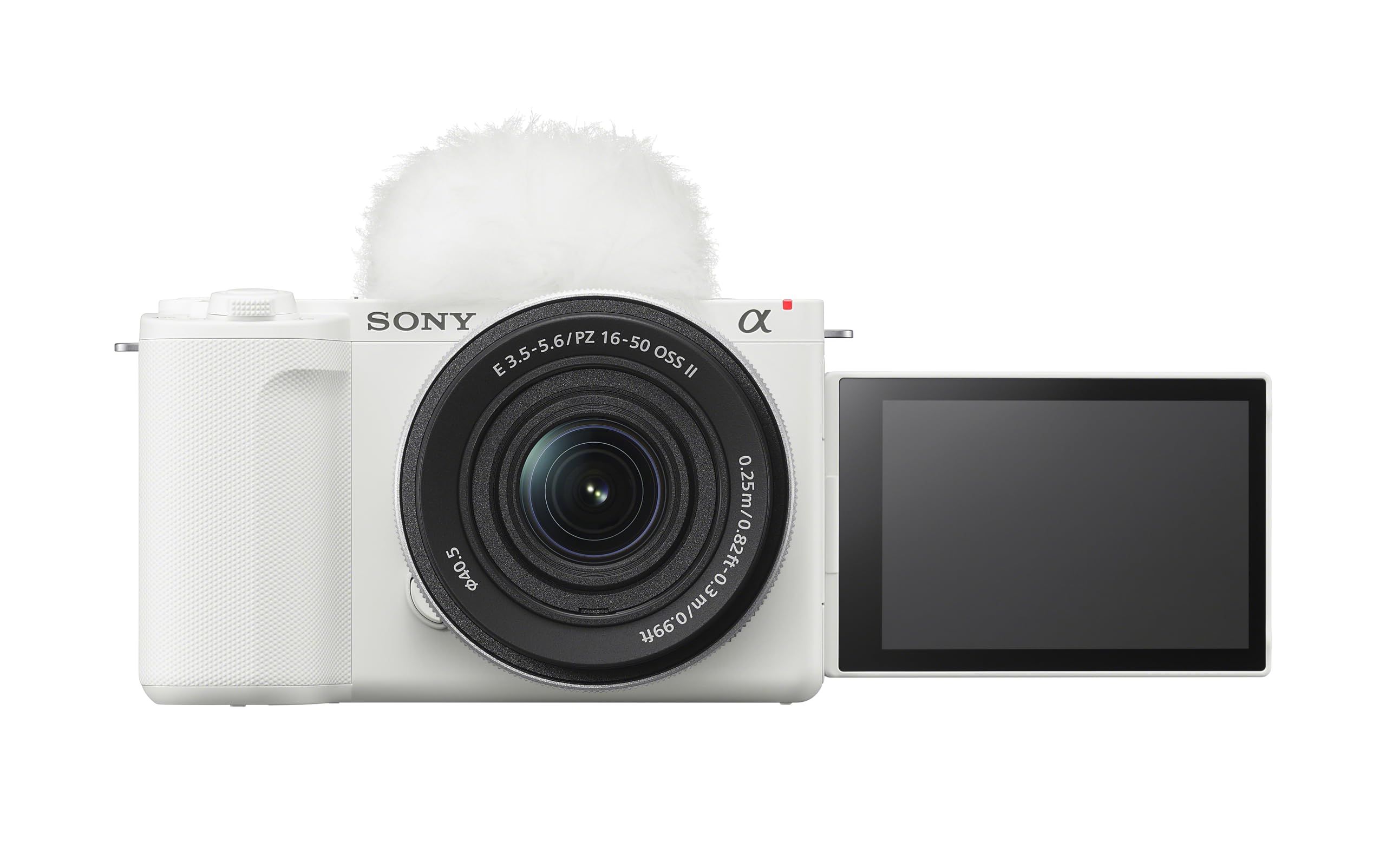




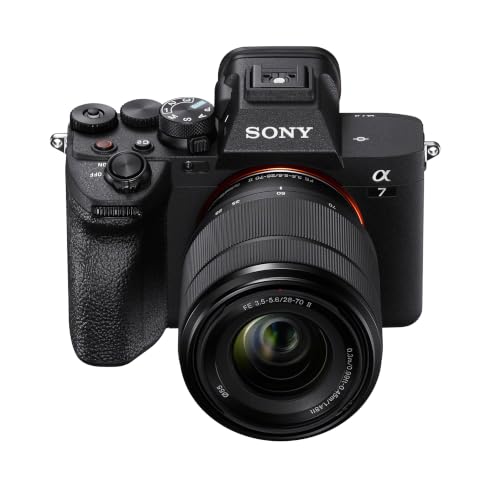


Who Should Buy Which Cameras for Musicians?
Start with the setting where you will film most often. A camera that shines in a quiet studio can struggle under stage lights, and a travel camera can feel limited at home.
Live Performers Filming Gigs and Concerts
You film from the crowd or stage side, in dim and changing light. Prioritize strong low light quality, image stabilization and a zoom that reaches faces from your spot. Long battery life matters because a set rarely pauses for a swap.
Session and Studio Musicians Recording Rehearsals and Lessons
You record in one room where you can control light and place the camera once. Prioritize a microphone input, headphone monitoring and a clean HDMI output for capture into a computer. Simple menus and reliable autofocus matter most because your attention belongs on playing, not on settings.
Touring Musicians and Creators Posting From the Road
You film in vans, green rooms and small venues, then post clips the same day. Prioritize small size, fast WiFi transfer and USB C charging from a power bank. A compact camera suits this group, and a tough padded case matters as much as image quality on tour.
Three Camera Types for Stage and Studio Work
No single type wins on every stage, and the best cameras for musicians are the ones that fit your sound, light and travel pattern. The three types below cover most budgets. For formats beyond music use, see our guide to the best digital cameras.
Mirrorless Bodies With Swappable Lenses
Mirrorless cameras use interchangeable lenses and large sensors, so they give you the most control over light and lens choice. A fast prime lens helps in dark clubs, while a zoom covers a full stage. They cost more and weigh more than compacts, and menus take practice. Choose this type if filming is a serious part of your music work.
Pocket Compacts With a Fixed Lens
Point and shoot compacts keep the lens fixed to the body, so you turn the camera on and record with little setup. Better models use a 1 inch sensor, offer optical zoom and include a microphone input on some versions. They fit a jacket pocket and suit rehearsals, covers and song ideas. Choose this type if you want good clips without carrying a separate lens kit.
Dedicated Video Cameras and Camcorders
Dedicated video cameras, often called camcorders, are built for long recording first and photos second. They offer long optical zoom, built in neutral density filters on some models and controls shaped for filming. Many record for hours without a short clip limit, which suits full sets and recitals. Choose this type if your main goal is complete concert footage from a fixed seat.
Mirrorless Cameras vs Point and Shoot Compacts: Which Should You Choose?
Mirrorless cameras win on low light quality, lens choice and audio options, because larger sensors and separate microphones give you more control. Compacts win on speed, size and price, because the fixed lens removes decisions. For a dark venue, the mirrorless advantage is real. For a rehearsal clip, the compact is often recording while a larger kit is still being set up.
Choose mirrorless if you film full gigs, need shallow depth or plan to grow your lens kit. Choose a compact if you travel light, film mostly lessons and covers or share clips the same day. If build and lens quality matter above size, see our guide to the best quality cameras. Let venue light and patience for settings decide, not the spec sheet alone.
Key Features to Compare
Compare these five factors in order, because sound and light shape a music video more than headline resolution alone.
Video Capabilities for Long Songs and Full Sets
Look for 4K recording for room to crop, and check the clip limit before you buy. Some cameras stop at about 30 minutes per clip, while others record until the card or battery ends, and heat can shorten long takes. A flip screen helps you frame yourself for lessons. If video is your job, see our guide to the best video cameras for musicians in more depth.
Audio Inputs and Monitoring for Musicians
Built in microphones capture room echo and handling noise, so a 3.5 mm microphone input is close to essential for clear vocals and instruments. Manual audio levels stop loud choruses from distorting, and a headphone socket lets you check sound before the take. Place an external microphone closer to the amp or voice than the camera sits.
Sensor Size and Clean Footage in Dim Venues
Sensor size controls how clean footage looks in dim venues. A 1 inch sensor suits most rooms, APS C sensors gather more light, and full frame sensors give the cleanest results at high ISO. Megapixels matter less, because a fast lens with a wide aperture improves a dark stage more than extra pixels. For still photos, see our guide to the best cameras for photography.
Autofocus and Image Stabilization on Stage
Stage light changes fast and singers move, so autofocus must track faces and eyes without hunting in the dark. Clips in mixed color light tell you more than a bright store demo. Image stabilization smooths handheld filming from the crowd and lets you follow a solo without a tripod. Strong stabilization matters most with longer zoom, because small hand movements grow larger as you zoom in.
Size, Weight and Ergonomics for Long Sessions
A camera you carry everywhere beats a heavier kit left at home. Check grip depth for one handed filming, button reach in the dark and screen brightness under stage lights. Weight grows once you add a lens, a microphone and a spare battery, so weigh the full kit in your mind. If you are buying a first kit, see our guide to the best starter cameras for simpler options.
Common Mistakes to Avoid
Each mistake below costs footage or sound that you cannot recover after the show.
- Trusting built in microphones from the back of a loud room leaves vocals buried under echo and crowd noise.
- Choosing a camera with a short clip limit for full sets leaves gaps where songs cut off.
- Filming a dark stage with a slow zoom lens forces high ISO that leaves footage noisy and soft.
- Skipping a sound check with headphones means distortion from a loud chorus is found only after the gig ends.
- Carrying no spare battery or card means the encore and the best crowd reaction go unrecorded.
- Placing the camera beside a loud speaker stack shakes the image and overloads the microphone.
Setup and Care Tips for Cameras for Musicians
Before a show, format the card, set audio levels during the sound check and lock white balance if stage colors shift. Charge two batteries, pack a lens cloth and keep a small tripod where venue rules allow it. Arrive early enough to test your framing from the spot you will actually use.
Clean the lens with a lens cloth, not your shirt, because grit on fabric can scratch the coating. Store the camera in a dry, padded bag away from drink spills and stage dust, and keep a spare battery in a case, not loose in a pocket. Wipe the body after humid gigs and let it dry before you close the bag.
Frequently Asked Questions
What features matter most in cameras for musicians?
Clean audio, low light quality and reliable autofocus matter most in cameras for musicians. Start with a microphone input and manual levels, then choose sensor size for your venue light. One point many buyers miss is screen brightness during quiet songs, so check that the screen can dim without stopping the recording.
What specs matter most for musicians buying a first camera?
A first camera for a musician needs simple menus, a microphone input and recording that runs past one song. Resolution beyond 4K matters less than a lens that suits your room size. Buy from a store with a clear returns window, because handling the grip at home tells you more than a spec list does.
Which camera type is better for low light filming at gigs?
A mirrorless camera is better for low light filming at gigs because its larger sensor and fast interchangeable lenses gather more light. A compact can work if you stand closer and the stage is lit evenly. In dark rooms, ask the venue if a small extra light is allowed, because a modest light improves focus and color.
How much should a musician spend on a first camera?
A musician should expect to spend about $400 to $800 for a first camera, with about $800 to $1,500 opening stronger audio and low light options. Keep part of the budget for a microphone, a card and a spare battery, because those items shape daily results. Spending the full budget on the body alone often leaves sound weak.
Do musicians need a separate microphone with a camera?
Yes, most musicians need a separate microphone because the camera rarely sits where the sound is best. A small shotgun or stereo microphone placed closer to the voice or amp captures detail that distance removes. Test placement during rehearsal with a short clip, because a few inches can change echo more than a new camera would.
Final Thoughts
Match the camera to your setting first, then to your sound, then to your travel load. Mirrorless suits dark stages and growth, compacts suit speed and small bags, and dedicated video cameras suit complete sets from one seat. Use the product table above to check recording limits, audio sockets and weight.
When you compare best cameras for musicians with those three points clear, the right type usually stands out fast. Choose the simplest kit that records your music honestly, and spend the time you save on the music itself.


