Best Cameras for Modeling: Budget, Midrange, and Premium Bands for 2026
Disclosure: We may earn a commission when you buy through links on this page, at no extra cost to you. As an Amazon Associate I earn from qualifying purchases. Learn more

Compare the best cameras for modeling by price band, with the focus, lens, and lighting features that matter and the extras you can safely skip.
Modeling work puts a camera under a particular kind of pressure: a person moves, expressions change in a blink, and clients judge every frame by skin tone and sharp eyes. Prices for the best cameras for modeling run from a few hundred dollars to several thousand, and the gap is not just about prestige. Each band buys a different level of focus speed, lens choice, and light control.
This guide sorts the market by budget band first, then by the features that actually change a modeling photo. Use the comparison table below to see how current options line up by band, and read on to learn where extra money pays off and where it simply does not.
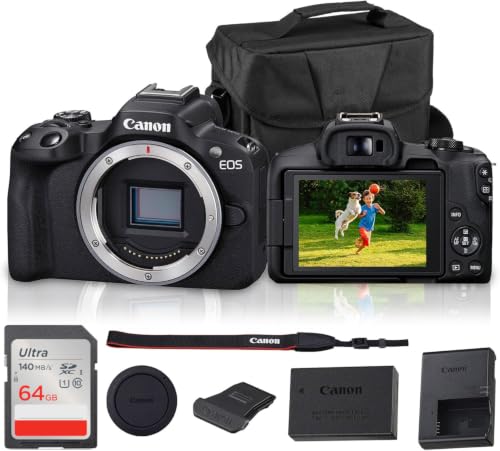
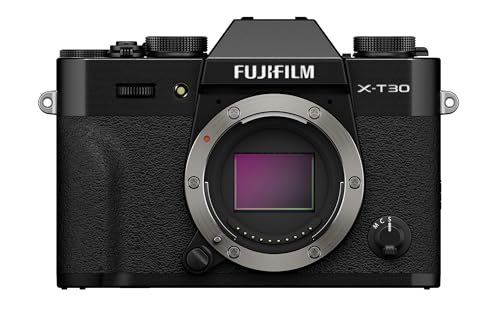


What Your Money Gets You at Each Price Band
Bands are a promise about capability. A budget band camera can teach you composition and posing direction, a midrange band camera can carry paid portfolio work, and a premium band camera adds headroom for large prints and fast paced sets.
Budget Band: Honest Basics for Learning the Craft
For under about $600, expect an entry level mirrorless or DSLR body with a kit zoom, a smaller APS C or Micro Four Thirds sensor, and autofocus that finds faces but may not lock onto eyes. That is enough for practice shoots, natural light portraits, and learning how posing changes a frame. Many new shooters start here, and guides to the best starter cameras show how far this band stretches when the light is kind. The trade off is low light reach: raise the ISO far and files get noisy, so budget buyers should plan shoots around good light.
Midrange Band: Where Most Working Kits Sit
Between about $600 and $1,500, cameras add reliable eye detection autofocus, better dynamic range, and access to fast prime lenses. This is the band where a kit starts to feel professional: skin tones hold up in mixed light, and a session produces far fewer missed frames. Bodies here pair well with an 85 mm or 50 mm prime, and the wider camera market covered in our guide to the best digital cameras shows how crowded and competitive this band has become. For most portfolio and small client work, midrange is the sensible ceiling.
Premium Band: Headroom for Paid Work
Above about $1,500, you are paying for full frame sensors, faster burst rates, dual card slots, and autofocus that tracks eyes through hair, hats, and motion. Those gains matter when a client is paying by the hour and a missed moment cannot be restaged.
Premium bodies also hold value and support longer, since lens systems at this level stay current for years. Readers comparing the top shelf across categories can see how the best quality cameras trade price against build and support. If modeling is a hobby, this band is a want, not a need.
Features Worth Paying For (and Ones to Skip)
Within any band, a few features change modeling results every single session, while others mostly change the spec sheet. Spend on the first group and let the second group go.
Eye Focus Comes First
For modeling, the single most valuable feature is eye detection autofocus, and it should be stated plainly: an eye focus class governs the portrait class. When the camera finds and holds the nearest eye, you can direct poses and watch expressions instead of babysitting focus points. Test this feature first when you compare bodies, because a camera that nails focus at f/1.8 saves more frames than any megapixel count. Midrange and premium bands do it best, but even some budget bodies now track eyes well in good light.
The Lens Decides the Look
A lens class governs the background class: a fast prime at f/1.8 melts a backdrop into a soft blur that makes a model stand out, while a slow kit zoom keeps everything equally sharp and flat. Focal length shapes the face too, since 85 mm flatters features, 50 mm suits half length shots, and wide lenses stretch proportions near the edges. Budget for one fast prime before you budget for a bigger body. A modest body with a great lens outshoots a flagship body with a slow zoom on almost every modeling set.
Lighting Is Half the Studio
Light is half the studio class, and camera money spent before lighting money is often spent in the wrong order. A camera that handles a flash trigger or a continuous LED panel well gives you control over shadows, catchlights, and skin texture that no sensor can fake later. Window light is free and beautiful, but it changes by the minute, so a basic off camera light setup makes results repeatable. When you plan a kit, reserve part of every band for light: a stand, a modifier, and a simple trigger change modeling photos more than one sensor size step.
Sensor Size, in Plain Terms
Sensor size sets your ceiling for print size and low light cleanliness. One inch sensors live in compact cameras and suit casual test shoots. APS C is the modeling workhorse, balancing cost, lens prices, and file quality. Full frame adds cleaner high ISO files and shallower depth at the same aperture, which helps in dim studios.
Megapixels alone mislead: a 24 megapixel full frame file usually beats a 40 megapixel small sensor file for portraits. Our broader guide to the best cameras for photography explains how sensor classes compare across genres.
Battery, Cards, and Comforts Worth Having
A modeling session can run hundreds of frames, so battery life of at least 300 to 400 shots per charge and USB C charging matter more than spec sheet glamour. Dual card slots earn their keep on paid work by writing a backup copy of every frame. Skip paying extra for 8K video if you shoot stills, and skip extreme burst speeds past about 10 frames per second unless you shoot runway movement. Money saved there buys the prime lens and the light that actually change your results.
Choosing Cameras for Your Situation
Your situation decides which band and which features deserve the money. A student building a first portfolio, a content creator shooting weekly, and a working portrait photographer all photograph the same subject with very different stakes.
Best Photography Cameras for Modeling
The photography side of modeling is stills first: posed frames, deliberate light, and files that may be printed or retouched. For that work, choose a body with strong eye focus, a hot shoe for flash control, and a lens mount with affordable fast primes. Video extras matter little here, so a stills focused body in the midrange band often beats a video focused body at the same price. The sibling guide to best cameras for modeling photography walks through the full buying process step by step.
Long Term Costs to Factor In
The body is only the first invoice. Lenses usually outspend it within a year or two, and lighting, stands, memory cards, a spare battery, and a decent bag add up quietly. Plan on setting aside about a third of your total budget for these extras from the start.
Warranty and sensor cleaning costs are minor but real, and a camera that stays in service for five years costs less per shoot than a cheap body replaced twice. Total cost of ownership, not the sticker, is the honest number to compare across bands.
Cameras for Modeling: Questions Answered
What features matter most in cameras for modeling?
Eye detection autofocus and a fast prime lens matter most, because they decide whether eyes stay sharp and backgrounds stay soft. After those, look at skin tone rendering in sample galleries and how the camera handles mixed light. One point buyers miss: check how the grip feels with a heavier lens mounted, since a front heavy kit tires your hands during a long session and quietly changes how steadily you shoot.
Is a smartphone enough for modeling photos?
A smartphone is enough for social posts and quick casting snapshots, and its computational processing handles tricky light well. It falls short when you want shallow depth without software blur, large prints, or flash control. A practical middle path is to learn posing and light on a phone, then buy a budget band camera with a fast prime when clients or print work enter the picture.
How much should I spend on my first camera for modeling?
Spend enough to reach reliable eye focus and one fast prime lens, which usually means the top of the budget band or the middle band. A sensible first kit lands at about $700 to $1,200 all in, leaving room for a simple light. Spending less often means upgrading within a year, which costs more than buying the midrange body once.
Which sensor size is best for modeling work?
APS C is the best value for most modeling work, and full frame is the step up when you print large or shoot in dim spaces often. Sensor size also changes lens behavior: an 85 mm lens on APS C frames like a longer lens, which can help in small rooms or hurt in tight ones. Match the sensor to your room size and print plans, not to status.
Do I need studio lights to get good modeling photos?
No, you can start with a large window and a white wall as a reflector, and many strong portfolio shots come from that simple setup. Lights earn their cost when you need the same look twice, shoot after dark, or work in rooms with weak daylight. Buy one light and one modifier first, learn its angles, and add a second only when a real shoot asks for it.
Wrapping Up
Sort by band, then by focus, lens, and light. That order keeps you from overspending on a body while starving the parts of the kit that show in the frame. Compare your shortlist with the product table above, choose the band that matches your stakes, and the best cameras for modeling for your work will be the ones whose strengths you actually use every session.