Best Cameras for Makeup Pictures for 2026: Which One Fits the Way You Use It?
Disclosure: We may earn a commission when you buy through links on this page, at no extra cost to you. As an Amazon Associate I earn from qualifying purchases. Learn more

Compare the best cameras for makeup pictures by true color, sharp detail, eye focus, flip screens and close focus so your looks read clearly on screen.
There is no single camera that suits every makeup photo. A look that reads well in a portfolio can fall flat in a quick social post if the colors shift or the focus lands on an eyelash instead of the eye. The best cameras for makeup pictures are the ones that match how you shoot, and the comparison table below helps you weigh them by use.
Start with your setting. A makeup artist shooting client work needs faithful color above all else. A creator working alone needs a screen that flips toward the face and focus that finds the eyes without help. An everyday user may value small size and fast sharing most.

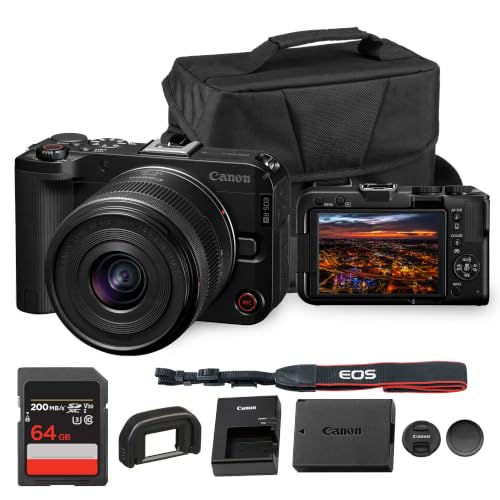
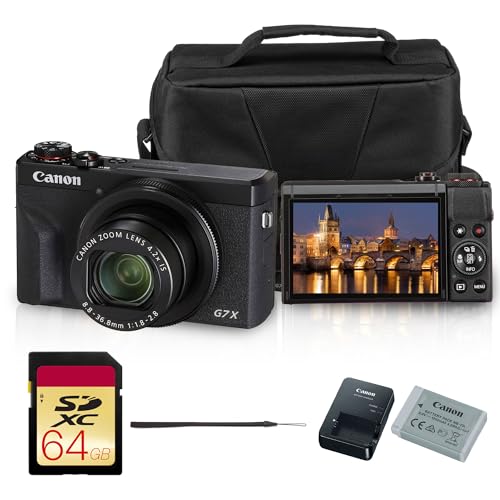
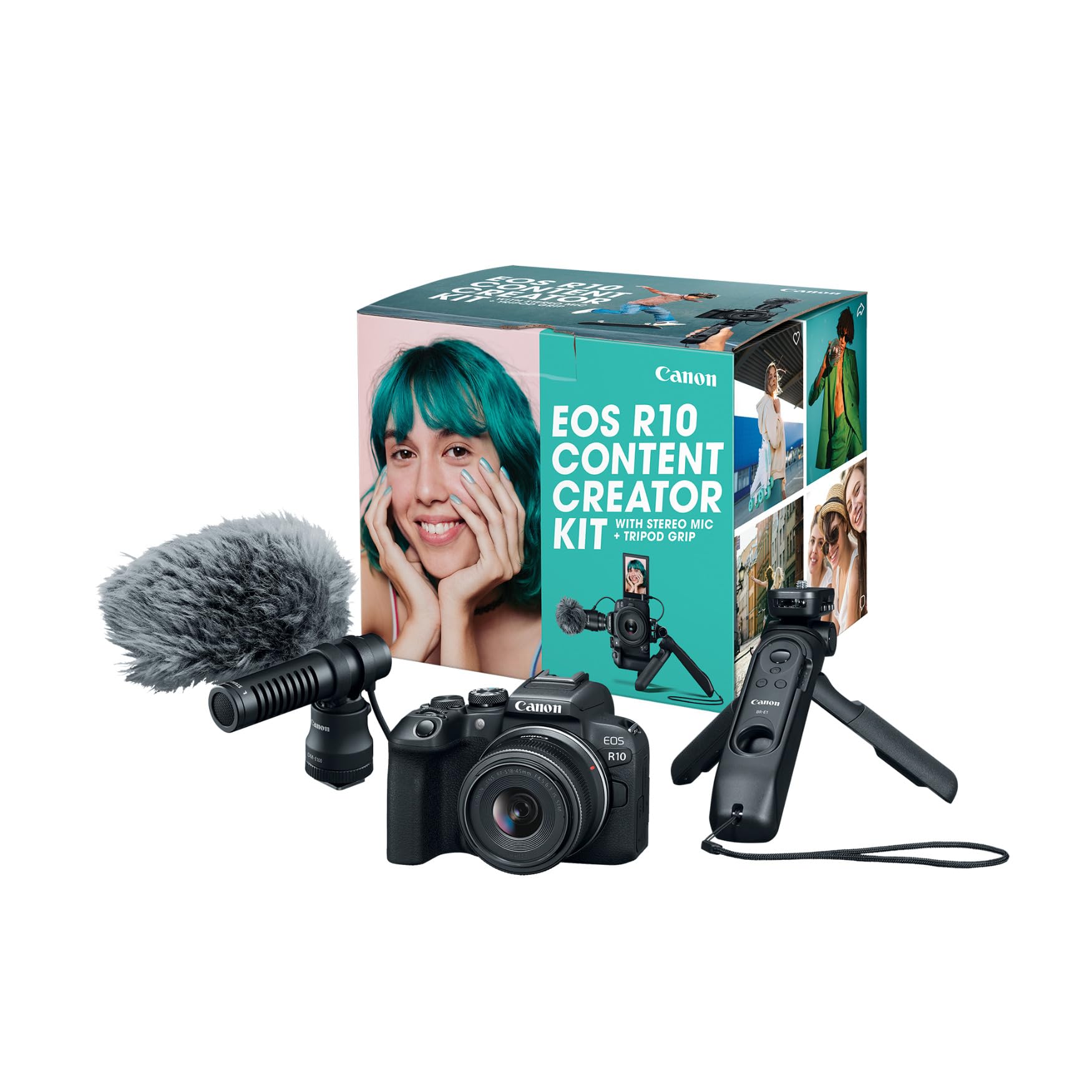


Who Should Buy Which Camera for Makeup Work?
Pick by the photos you take most often. Your usual distance, light and audience will point you to the right type faster than any single spec.
Makeup Artists Building a Client Portfolio
You shoot other people at close range, and clients judge your blending, liner work and color choices from the photo. Prioritize faithful color, a sharp lens and a larger sensor that holds detail in skin and powder. A camera with interchangeable lenses lets you add a portrait lens later. If your work centers on faces rather than products, see our guide to the best cameras for makeup as well.
Creators Who Photograph Their Own Looks
You are both artist and model, so framing and focus help matter more than raw power. Choose a screen that flips fully toward you, reliable eye focus and a remote control or phone app so you can trigger the shutter without reaching for the camera. Video features can stay secondary, because still photo quality is what sells the look here.
Everyday Users Who Want Clear Social Photos
You want a finished look to read clearly without a long editing session. A compact camera with a good automatic mode, honest color and fast phone transfer will serve you better than a large body you leave at home. Look for simple menus and a price that leaves room for a small light. Our guide to the best digital cameras covers that wider category.
Key Features to Compare
Compare these factors in the same order each time, and hold every candidate to the standard the best cameras for makeup pictures have to meet on color and focus.
True Color and White Balance Control
Color accuracy decides whether a warm foundation looks warm or turns orange on screen. Look for preset white balance options for daylight and common indoor bulbs, plus a custom setting you can save from a plain white card. Faithful color matters most for foundation matching, blush and lip shades, where a small shift changes the whole read. Raw files give you more room to correct color later, while good jpeg color saves time if you post straight from the camera.
Sharp Detail From Sensor and Lens
Sharpness in a makeup photo comes from the lens as much as from megapixels. A larger sensor, such as a one inch type or larger, gathers more light and holds fine detail in brows, lashes and skin texture indoors. A lens with a wide maximum aperture, around f/1.8 to f/2.8, keeps shutter speeds up and softens the background behind a face. High megapixel counts help if you crop, but they cannot rescue a soft lens.
Eye Focus and Face Detection
Modern focus systems can find a face and then lock onto the nearer eye, which is exactly where a makeup photo needs its sharpest point. This matters most at wide apertures, where the zone of sharp detail is thin and a small error puts the nose or lashes in focus instead. Check that eye focus works in still photo mode, not only in video, and that you can switch between eyes with a button or touch.
Close Focus for Eye and Lip Detail
Detail shots of an eye look or a lip color need a lens that focuses close without forcing you to crop a soft frame later. Check the minimum focus distance in the lens specs, since some zoom lenses focus closest only at their widest setting. A true macro lens suits product and texture shots, while most portrait work is fine with focus down to about 12 to 20 inches. For broader still photo needs beyond faces, see our guide to the best cameras for pictures.
A Screen That Flips Toward You
A fully turning screen lets you check framing, flyaway hairs and shine on the forehead while you sit in front of the camera. A screen that only tilts up can work at a desk, but it limits low and high angles. Touch focus on the screen also helps, because you can tap an eye or a lip corner to set the focus point before the timer runs.
Indoor Light Performance and Flash Options
Most makeup photos happen indoors, where light is limited and mixed. A camera that keeps detail clean at higher ISO settings, roughly ISO 800 to 3200, lets you shoot without flash in a bedroom or studio corner. A built in flash can fill shadows in a pinch, though its direct light often looks flat on skin. A hot shoe matters if you plan to add a small flash later.
How to Set Up a Camera for Makeup Photos
Set the camera at eye level and about an arm length to four feet from the face for a natural view of features. Closer than that, a wide lens stretches the nose and forehead, while a longer distance with a mild zoom keeps proportions honest. Sit facing a large window or a soft light placed just to one side.
Before a full session, take trial shots of one bold lip color and one soft neutral look. Zoom in to check that lashes are sharp, then view the files on a larger screen to judge color against the products in your hand. If reds bleed or skin looks grey, adjust white balance and repeat, because fixing color at capture is faster than correcting a full set later.
Build a simple transfer habit as well. WiFi or Bluetooth transfer to your phone suits quick posts, while a card reader is faster for a full client set. Folder your files by look and date on the day you shoot, since unnamed files make portfolio picks slow.
Common Mistakes to Avoid
- Judging a camera by megapixels alone leaves you with huge files that still look soft from a weak lens.
- Leaving skin smoothing on its highest setting erases the texture and blending your photo was meant to show.
- Shooting very close with a wide lens distorts the nose and forehead and misrepresents the makeup.
- Ignoring white balance under mixed room light turns foundation shades orange or grey in the final image.
- Buying a large camera body with no flip screen makes solo shooting slow and frustrating.
Protecting Your Camera in a Powder Filled Room
Makeup rooms are hard on cameras, because loose powder and spray settle on glass and dials. Keep the lens cap on between looks, change lenses only away from open powder, and wipe the lens with a clean microfiber cloth made for optics. A small blower clears dust without touching the glass.
Store the camera in a closed bag away from heat and damp, and remove the battery if you will not shoot for several weeks. Keep memory cards in their cases and format them in the camera after your files are safely copied. Powder on your hands transfers easily, so wash and dry them before you handle the camera.
FAQ
What features matter most in a camera for makeup pictures?
Faithful color, eye focus and a sharp lens matter most in a camera for makeup pictures. Those three decide whether shades and blending read as they do in person. After them, consider close focus and screen style. A useful extra check is the file format menu, since cameras that offer both raw and jpeg let you start simple and add editing control later.
Can a camera for makeup pictures show skin texture without looking harsh?
Yes, a camera for makeup pictures can show skin texture without looking harsh when the light is soft and large. A window or a diffused lamp spreads light so pores read as texture rather than shadow. In camera, lower strong sharpening settings for portraits. This keeps detail honest while avoiding the brittle look that hard direct light creates.
Is a flip screen necessary for taking makeup pictures alone?
No, a flip screen is not strictly necessary, but it makes solo makeup pictures far easier to frame. Without one, you can use a phone app as a live monitor if the camera supports it, or place a mirror behind the camera as a rough guide. The app route has one edge over a mirror, since you can tap to focus and start a timer from where you sit.
Does lighting matter more than the camera for makeup pictures?
Yes, lighting often matters more than the camera body for makeup pictures. Even a modest camera records clean color and detail when the face is lit by one large, soft source. Money spent on a diffused lamp usually improves results more than the same money spent on extra megapixels. Keep the light slightly above eye level so catchlights appear in the eyes.
Is it worth paying more for a camera for makeup pictures?
It is worth paying more only when the step up buys a larger sensor, a sharper lens or eye focus you will use daily. Higher prices that mainly add video specs or faster burst rates do little for still makeup work. A sensible budget split puts about a third aside for lens and light, because the body alone does not make the photo.
Our Verdict
Match the camera to your role first, then judge color, eye focus and close focus in that order. Artists need faithful shades, solo creators need a turning screen, and casual users need simplicity and fast sharing. Use the product table above to compare the finalists.
Chosen that way, the best cameras for makeup pictures stop being a spec contest and become a fit for your routine. Buy the simplest model that keeps your shades honest and your eyes sharp, and spend the savings on light.