Best Cameras for Macro Photos 2026: Every Type Explained Side by Side
Disclosure: We may earn a commission when you buy through links on this page, at no extra cost to you. As an Amazon Associate I earn from qualifying purchases. Learn more

Compare camera types and cameras for macro photos by subject, from insects to flowers, with plain notes on ratio, light, focus help, and price.
Every macro subject asks for something different. A still coin on a table, a restless bee on a flower, and a dewdrop at dawn each punish a different weakness in a camera, so one ranking for everyone helps no one. Finding the best cameras for macro photos starts by naming what you actually photograph, then matching a camera type to that subject, and the comparison table below sets the main types side by side for exactly that job.
This guide works subject first, judging each type by the subjects it serves best and the subjects it struggles with. Readers who want the broad class picture can start with our guide to best photo cameras and then return for the close range detail. Read your own subject into every section as you go.


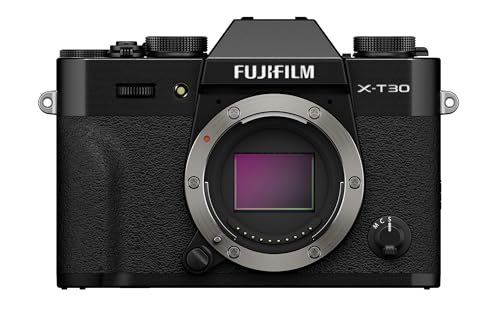


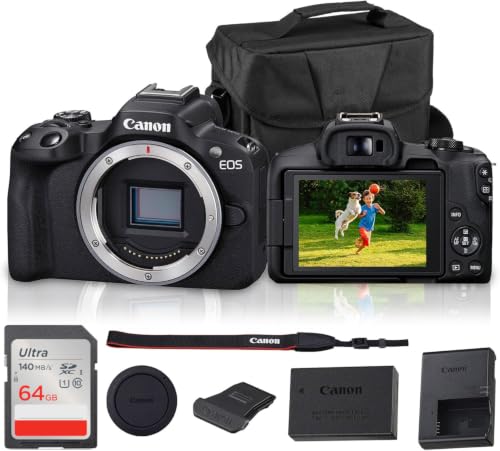
Types of Cameras Compared
Start with the subject box, because your subject sets the rules before any spec does. A subject that sits still forgives slow focus and a small sensor, while a subject that breathes, sways, or flies away demands fast focus help and light in reserve. The magnification ratio still tells the macro truth inside this subject frame: a true macro class reaches life size, showing the subject as large on the sensor as it is in life, while lesser classes are close up classes. Name your main subject first, and the honest ratio for that subject follows from it.
Light is the second subject rule, stated plainly. At macro distance the working space between lens and subject is small, the lens and your hands block the sun, and the light runs out as soon as you stop down for depth. A light class therefore belongs in the kit for nearly every subject, from a diffuser that softens noon sun on petals to a small panel that lifts a beetle out of shade. Plan the light with the camera rather than after it, and every subject on your list will benefit.
The lens rule sits under both, and it is just as plain. The lens is the macro product, since a camera body alone does no macro, so the lens class paired with the body is the real purchase. A body with lovely menus and the wrong lens class stays a normal camera, while a plain body with a true macro lens class makes true macro pictures. Our guide to best macro cameras sorts complete setups by that lens first logic.
For orientation, every type compared here sits inside the wider class set out in our guide to best digital cameras.
| Type | Best For | Pros | Cons | Typical Price |
|---|---|---|---|---|
| Pocket Compact | Still subjects such as flowers and coins | Tiny kit, close focus at wide settings, low cost | Ratio stays in the close up classes | about $250 to $800 |
| Mirrorless System | Moving subjects such as insects | True macro lens classes, strong focus aids | Highest full kit cost | about $900 to $2,500 |
| Vlogging Camera | Video led close subjects | Strong video tools, screens that face the subject | Lens classes rarely reach life size | about $500 to $1,200 |
| Action Camera | Rugged close video in wet places | Tough build, tiny size, simple controls | Fixed wide lens suits fine detail poorly | about $200 to $500 |
Compact Cameras for Still Subjects
A pocket compact earns its macro reputation on subjects that wait for you. Flowers, coins, stamps, and food sit still while its fixed lens focuses down to a few centimeters at the wide end, and its small sensor keeps more of the subject sharp at once. That deep sharpness flatters flat subjects such as leaves and labels.
The ceiling is real, since this class stays in close up territory rather than reaching life size. Buy it for walks, markets, and garden stills where carrying little matters more than printing huge. Skip it for insect portraits, where its working distance is simply too short.
Mirrorless Cameras for Moving Subjects
A mirrorless system is the subject chaser of this group, built for insects, spiders, and other subjects with their own plans. Its mount accepts true macro lens classes, and its focus aids, from peaking to subject detection, help you hold a wandering eye or wing in the sharp plane. A longer macro lens class also buys working distance.
Shooters who split their time between tiny subjects and distant animals can compare the far subject classes in our guide to best cameras for wildlife photos. The same mount often serves both pursuits with different lens classes. Expect the highest full kit cost here, plus a bag that grows over time. For living subjects, that cost buys the only ceiling that truly fits the work.
Vlogging Cameras for Video Led Subjects
A vlogging camera approaches close subjects as moving pictures first. Its screen flips to face the person filming, its autofocus favors faces and products held toward the lens, and its video tools, often including 4K video, run deeper than its stills tools. For unboxing clips, craft tutorials, and food channels, that mix shows small details clearly while the presenter talks.
Judge this class with care for still macro work, because its lens classes rarely focus to life size and its close focus often works only at wider settings. It suits subjects that are demonstrated rather than studied. A creator who films more than they photograph will feel at home here.
Action Cameras for Rugged Close Video
An action camera is the tough outlier, sealed against water and knocks and small enough to mount almost anywhere. Its fixed wide lens records a broad scene, which suits close video of hands at work, tide pool life at arm length, or a tool in use. Subjects stay recognizable rather than enlarged, and that honesty matters. This is a scene camera that can go close, not a macro camera in any strict sense.
Choose it when the place matters more than the detail, such as surf, rain, or a dusty workshop. Its stills suit sharing rather than printing, and fine textures soften quickly. For true small subject work, look elsewhere in this section first.
Compact Cameras vs Vlogging Cameras: Which Should You Choose?
These two small classes split on one question: do your close subjects sit for a still portrait or perform for a moving clip? On stills quality the compact wins, with closer focus, simpler handling, and files that hold up better when cropped. On video craft the vlogging camera wins, with a screen that faces the presenter, stronger sound options, and autofocus tuned for products held to the lens. On price the two overlap, so the budget alone cannot settle it.
Light handling also differs, since the vlogging class often pairs a brighter fixed lens with video friendly settings, while the compact leans on its flash or a small panel for stills. So let the subject decide in its own terms. Photograph flowers, coins, and food as finished stills and the compact is your camera, while filming your hands making, cooking, or mending things points straight to the vlogging class.
How to Choose the Right Camera
Once your subject picks the type, five checks fine tune the choice. Work through them in this order and you will grade each candidate in the same fair way. A camera that passes for your subject beats a famous name that fails it.
Sensor Size and Image Quality
Judge sensor size by what your subject does to your crop. Still subjects let you fill the frame carefully, so a one inch compact sensor can deliver clean, detailed files. Moving subjects force quick grabs and later cropping, and an APS C or full frame sensor keeps detail alive after that crop, which matters more than megapixel counts. If you print large or crop hard, size the sensor for the crop, not for the first frame.
Low Light Performance
Low light follows your subject schedule more than any lab chart. Dawn insects, shaded woodland fungi, and indoor product shots all starve the sensor once you stop down for depth of field. A body that holds color and detail at raised ISO settings keeps those subjects usable. Check results at the settings your subjects demand, since twilight claims mean little beside files that stay clean where you actually shoot.
Features That Matter for Macro Photos
The features that matter serve the subject in front of you. A tilting screen helps with ground level subjects, focus bracketing rescues stacked detail on still subjects, and a quiet shutter protects shy ones. For contrast, instant cameras trade all of this control for an immediate print, as our guide to best instant photo cameras shows, which charms at parties and fails at careful close work.
Autofocus and Stabilization
Autofocus earns its place when the subject moves, and stabilization earns its place when you do. Subject detection and a movable focus point help with insects that shift between breaths, while image stabilization steadies handheld framing of flowers in a breeze. On a firm tripod both matter less, and a two second timer or remote release takes over the job. Match the help to the movement in your scene, since paying for both at full strength suits only the most restless subjects.
Durability and Weather Sealing
Weather follows macro subjects outdoors, since dew, drizzle, and sea spray all gather where small things live. Weather sealing on the body and lens mount guards against that damp, and a weatherproof rating on a compact or action class goes further for beach and boat work. If your subjects live indoors on a table, treat sealing as a bonus and put the money toward a better light.
Care and Maintenance Tips
Macro kits pick up the field they work in, so a short routine after each outing pays off. Blow pollen and dust off the front element with a blower first, then use a lens cloth, not your shirt, for any marks that remain. Carry a spare battery on cold mornings, because screen heavy focus work drains power just when subjects sit still. Store everything in a dry, padded bag, and let a dewed up camera dry open at room temperature before you close the bag.
Check the sensor for spots after dusty shoots by photographing a plain pale surface at a small aperture. Clean only with tools made for sensors, or send the body to a service desk. A clean sensor saves hours of fixing the same mark on every frame.
FAQs: Questions Answered
What features matter most in cameras for macro photos?
The features that matter most are close focus ability with an honest stated ratio, focus aids you can trust, and light control for small apertures. A tilting screen and a quiet shutter help with real subjects in real places. One point buyers often miss is color handling, since petal reds and product colors shift easily at close range. A camera with a custom white balance setting and a plain gray card in your bag will keep those colors truthful.
Which camera type is better for low light macro work?
A larger sensor mirrorless system is better for low light macro work, because it keeps detail and color clean at the raised settings small apertures require. Compacts cope well with still subjects on a tripod, where slow speeds replace high settings. If your favorite subjects wake before the sun does, grade low light results first and let other features follow.
What does a one to one ratio mean when photographing small subjects?
A one to one ratio means your subject appears on the sensor at its true size, so a beetle two centimeters long spans two centimeters of the sensor. That mark is what makes a setup true macro rather than close up. One subject based way to feel it is framing a postage stamp, which fills the frame edge to edge at life size on most sensors. If the stamp floats small in a wide scene, the setup is showing you close up work instead.
How much should I spend on my first macro camera?
Spend about $250 to $500 on a first macro camera if your subjects are still and your prints stay modest, which buys a capable compact class with real close focus. Move toward about $800 to $1,500 when living subjects enter the picture, since that band covers an entry mirrorless body with a macro lens class. Hold back part of any budget for a light and a tripod. First kits fail more often from missing support gear than from a modest body.
Is a smartphone enough instead of a camera for macro photos?
A smartphone is enough for sharing quick close ups of flowers, food, and found details with friends. Its macro mode works best on bold subjects in good light, and it struggles with tiny detail, shy insects, and printing beyond small sizes. Its lens also sits almost on the subject, which blocks light and warps edges. Keep the phone for scouting and notes, and buy a dedicated camera when a subject starts to matter to you.
What specs matter most for beginners choosing a macro camera?
Beginners should put stated ratio, closest focus distance, and screen quality at the top of the spec list. Those three decide what subjects you can frame and how clearly you can focus on them. Weight deserves a place on that list too, because a light kit goes on every walk while a heavy one stays home.
Wrapping Up
Subject first buying ends in a short checklist. Name your main subject, demand the honest ratio that subject needs, pair the body with the right lens class, and plan a light for the small working space. Then let sensor size, focus help, and build settle the finalists inside your price band. The best cameras for macro photos for you are simply the type that fits your subjects without fighting them, so test your shortlist against the product table above before you order. Use these points each time you weigh best cameras for macro photos for your own situation.