Best Cameras for Macro of 2026: Complete Buying Guide
Disclosure: We may earn a commission when you buy through links on this page, at no extra cost to you. As an Amazon Associate I earn from qualifying purchases. Learn more

Compare macro camera types, true 1:1 magnification, lenses, lighting and focus tools, with price bands and plain advice for your first macro setup.
Macro photography fills the frame with subjects the eye normally passes over: the veins of a leaf, the gears of a watch, the eyes of a garden spider. The catch is that ordinary cameras cannot focus closely enough to do it. The best cameras for macro solve that with true close focusing, and this guide explains the specs that decide your results.
One term unlocks the whole category. A magnification of about 1:1, read as one to one, governs true macro work, because the subject is recorded on the sensor at its real size. Anything weaker is close up photography, which can still look good but will not deliver the same detail. Keep that ratio in mind as you compare the types in the comparison table below.


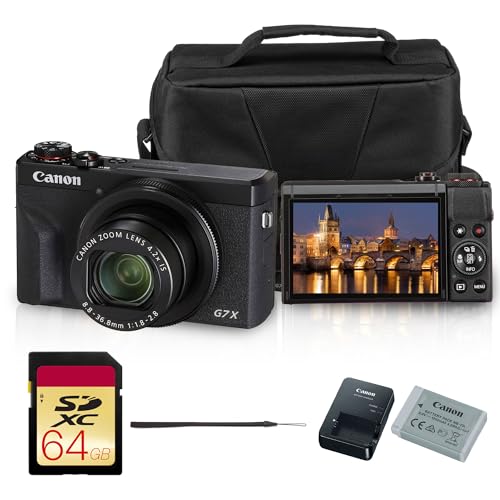

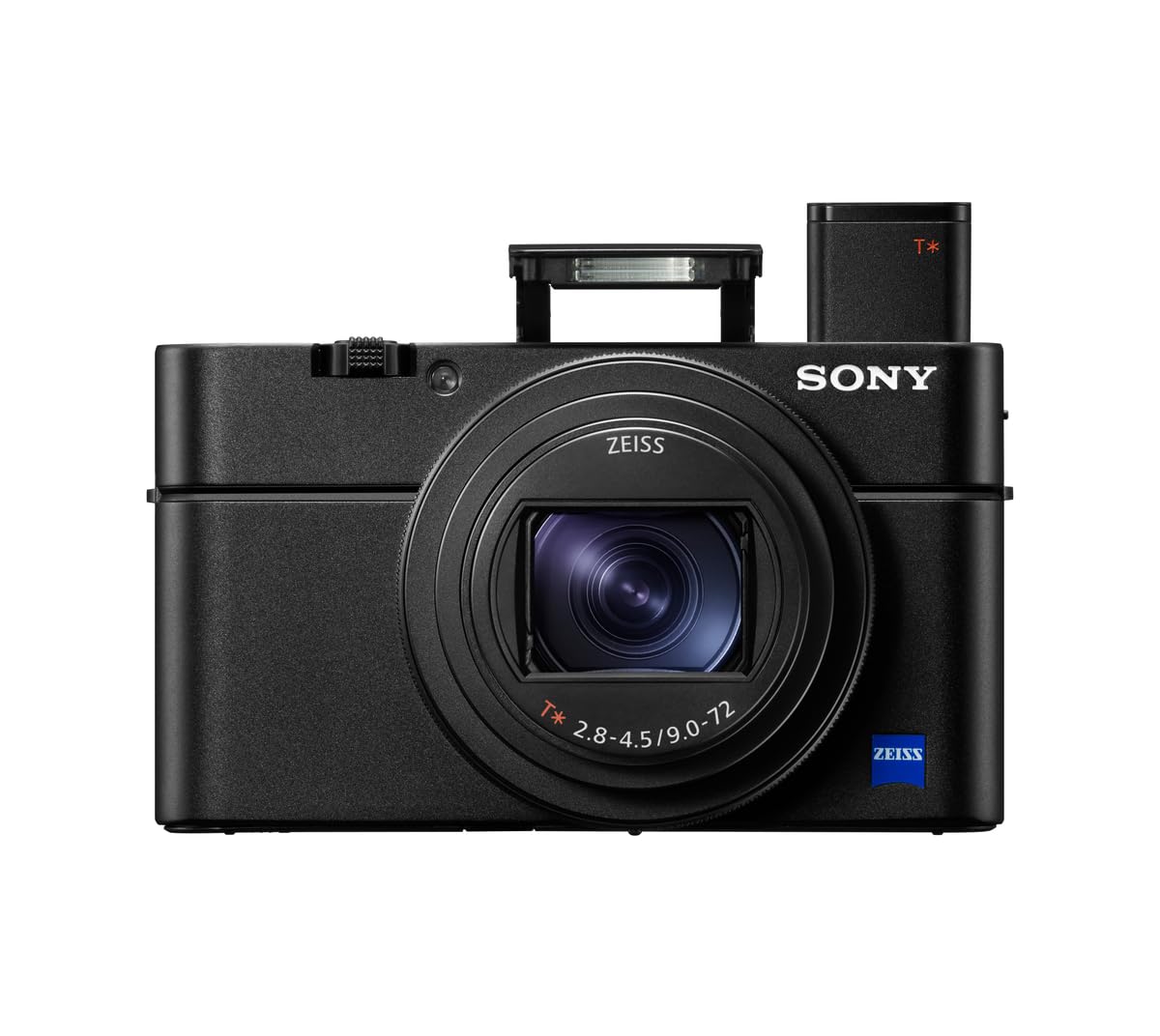


What Your Money Buys: Three Macro Budget Bands
Macro budgets should be planned as a body plus lens decision, since the lens does most of the close work. These bands describe setups, not specific models.
Entry Band: Learning the Basics
Expect to spend about $300 to $600 for a starter route into macro. Most beginners pair an affordable interchangeable lens body with the kit lens plus extension tubes or a screw on close up filter, which raise magnification without a dedicated lens. A compact camera with a genuine macro mode also fits this band. Results are real macro at modest magnification, and the limits teach you the focus and lighting skills every band above still needs.
Midrange Band: A Dedicated Macro Lens
Budgets of about $600 to $1,400 usually buy the setup most hobbyists keep for years: a midrange body and a true 1:1 macro lens. This band adds comfortable working distance, sharper optics at close range, and focus tools such as peaking and magnification assist. It also leaves room in the budget for a tripod and a basic light, which matter more at this level than a newer body would.
Advanced Band: Room to Grow
Spending about $1,400 to $2,500 and up buys larger sensors, in camera focus stacking, and lenses with longer working distances for shy subjects. This band suits product work, frequent insect photography, and printing large. The picture gains are real but smaller than the jump from the entry band, so most readers should only land here after a season of shooting shows them exactly which limit they keep hitting.
How to Choose: The Macro Buying Guide
Shoppers comparing best macro photography cameras often start with megapixels, but macro results hinge on magnification, focus control, and light. Work through the factors below in order.
Features That Matter for Macro
Magnification is the defining spec, so read it before anything else. A lens marked 1:1 reaches true macro, 1:2 reaches half size and suits flowers and larger subjects, and 1:4 is close up territory for general still life. Also check the minimum focusing distance and whether it is measured from the sensor or the front of the lens, because makers quote both. A shorter distance sounds better, yet it can leave no room for light or for a living subject.
Sensor Size and Image Quality
Sensor size shapes macro work in two opposite ways. A full frame sensor gathers more light and holds detail when you crop, while an APS C sensor crops the view for you, which makes a distant insect fill more of the frame at the same magnification. Megapixels matter less than either point. One warning applies to every sensor: at the narrow apertures macro needs, diffraction softens images, so chasing the highest pixel count buys less than it promises.
Autofocus and Stabilization
Autofocus slows down and hunts at macro distances, so manual focus support matters more than focus speed. Focus peaking, which outlines the sharp zone on screen, and a magnified view for checking focus are the tools you will actually use. Focus bracketing, where the camera steps focus through the subject for later stacking, is the most valuable automation in this category. Stabilization helps for handheld flower shots at moderate magnification, but at 1:1 a tripod governs sharpness far more.
Lens Choice and Working Distance
Focus control and working distance together govern which subjects you can approach. Working distance is the gap between the front of the lens and the subject at closest focus: a 60 mm macro lens may leave only about 2 to 3 inches, a 90 to 105 mm lens leaves about 5 to 6 inches, and a 180 mm lens leaves much more. Longer lenses suit insects that flee from shadows, while shorter ones suit coins, stamps, and studio still life where nothing runs away.
Lighting and Depth of Field
Light governs depth at close range, because depth of field at 1:1 can shrink to a few millimetres even at moderate apertures. More light is what lets you stop the lens down and win some of that depth back. A ring light or a small diffused panel close to the subject is the standard answer, and it also freezes slight subject movement. Window light alone works for still subjects, but it forces slow shutter speeds that punish any sway.
Battery Life and Charging
Macro shooting drains batteries faster than general photography, because you compose on the screen, magnify the view, and review focus often. Mirrorless bodies typically rate about 300 to 500 shots per charge, and a long stacking session uses more. USB charging is convenient for topping up from a power bank in the field. Carry one spare battery as a habit, and treat any maker figure as a best case rather than a promise.
Ease of Use for Your Skill Level
Beginners should value a clear magnified view and simple focus aids over advanced automation. A tilting screen earns its place quickly, since macro subjects often sit low and a fixed screen forces you to kneel or lie down. Guided exposure modes help while you learn, but plan to move to aperture priority or manual mode, because depth decisions are the craft of this genre. App transfer for sharing is nice, though it changes nothing about your photographs.
Video Capabilities
Video adds two macro specific checks to the usual list. Focus breathing, where the frame size shifts as focus changes, shows up strongly at close range and can spoil a slow focus pull. A flip screen helps you frame low subjects without lying on the ground. Resolution of 4K is common and useful, but focus tools and lighting will limit your clips long before pixels do.
Types of Cameras for Macro Work
Every camera family can shoot close in some form, and roundups of best macro digital cameras mix them freely. Here is how the families divide.
Mirrorless Cameras
Mirrorless bodies are the default choice for new macro shooters. Their screens show focus peaking and a magnified view exactly as the sensor sees them, and most accept dedicated macro lenses from several makers. They pair well with focus bracketing for stacked images. The trade off is battery life, which trails older designs when the screen runs all day.
DSLR Cameras
DSLR bodies remain capable macro tools, especially on the used market where prices have fallen. The optical viewfinder is less helpful for precise close focus, so you will compose on the rear screen, which cancels much of the battery advantage. Lens choice is enormous and includes older macro lenses at fair prices. Choose this route when a bargain body and lens set beats a newer mirrorless kit on total cost.
Bridge and Superzoom Cameras
Bridge cameras carry one fixed lens with a long zoom range and a small sensor. That small sensor gives generous depth of field at close range, which forgives focus errors on flowers and products. Their macro modes focus very closely at the wide end of the zoom. The limits are image quality in dim light and no path to a better lens later.
Compact Cameras and Phones
Compact cameras and phone macro modes serve casual close ups of food, crafts, and garden finds. They focus closely with almost no setup, and the phone is the camera you already carry. Magnification and manual control are limited, and small sensors soften fine detail. Treat this family as a starting point that tells you whether the genre holds your interest before you spend on a system.
Picking the Right Camera for Different Uses
Best Video Cameras for Macro
Dedicated video use adds heat and recording limits to the macro checklist. Look for bodies with no short recording cap, focus peaking you can see while recording, and a headphone socket for monitoring sound. Slow, controlled focus pulls matter more than fast autofocus here. A small continuous light with adjustable brightness completes the kit, because video cannot borrow the punch of a flash.
Best Bridge Cameras for Macro
A bridge model earns its place when its macro mode focuses close at the wide end, where some reach about 1 cm from the subject. That working distance is tiny, so it suits coins, jewellery, and still life rather than insects. Check that the lens barrel does not shade the subject at that range and block your light. The deep depth of field from the small sensor is the honest advantage of this class.
Best Cameras for Macro Video
Shooting macro as moving footage rewards high frame rates, since a slow motion clip of a drinking bee or a bursting seed pod needs 60 frames per second or more. Watch for flicker under household lighting at those rates, and prefer bodies that let you set shutter speed manually. Rolling shutter skew is minor at macro distances because subjects move slowly. Budget for light first, because video at high frame rates is hungry for it.
Best Cameras for Macro Work
Paid or repeated macro work, such as product listings and documentation, values consistency over novelty. Tethered shooting to a computer keeps exposure and focus identical across a long run of items. In camera focus stacking saves real time on static subjects. Colour accuracy and a reliable screen matter more than burst speed, and a copy stand or rail turns repeat jobs into a routine instead of a fresh setup each time.
Care and Maintenance Tips
- Clean the front element with a lens cloth, not your shirt. Shirt fabric traps grit that scratches coatings, and macro lenses work so close that every smudge sits near the focus zone.
- Blow dust off before you wipe. Narrow apertures make sensor dust spots visible in plain backgrounds, so a blower is the first tool, not the cloth.
- Carry a spare battery. Screen based focusing drains packs quickly during stacking sessions, and a spare keeps a good subject from being a missed one.
- Store the kit in a dry, padded bag. Macro gear lives near soil and water outdoors, so dry storage guards against fungus on lens elements.
- Update firmware when makers release it. Updates often improve focus peaking behaviour and bracketing options, which are core macro tools.
Cameras: Your Questions Answered
What features matter most in cameras for macro?
True 1:1 magnification, focus tools, and light matter most, in that order. One check buyers often miss is where the minimum focusing distance is measured from, since a figure taken from the front of the lens flatters the spec. Ask how much working distance remains at closest focus. That single number predicts whether your light and your subject both fit in front of the lens.
What does a 1:1 magnification ratio actually show?
A 1:1 ratio means the subject is recorded on the sensor at exactly its real size. A one inch insect therefore covers one inch of the sensor, which is most of the frame on smaller sensors and a large share on full frame. This is why macro frames feel so full from such small subjects. Ratios like 1:2 show the subject at half size and suit larger flowers and objects.
Which is better for macro in low light?
Adding light beats buying a larger sensor for most macro work in dim conditions. A small panel or ring light placed close to the subject raises shutter speed and lets you stop down for depth, solving two problems at once. A larger sensor still helps for available light shots of still subjects on a tripod. Spend on the light first and judge the sensor question after a season of shooting.
Is a smartphone enough instead of a macro camera?
A smartphone is enough for casual close ups and for testing whether the genre interests you. Phone macro modes crop heavily or use a secondary lens, so fine detail and print quality fall behind a dedicated setup. For a closer look at how phone options compare, see best macro camera phones. Move to an interchangeable lens camera when magnification, working distance, or light control starts limiting your ideas.
How much should I spend on my first macro setup?
Most first time buyers do well between about $400 and $900, weighted toward the lens rather than the body. A modest body with a true macro lens outperforms a premium body with a kit lens at close range every time. Reserve part of the budget for a tripod and a basic light from the start. Upgrade the body later only when a specific missing feature, such as focus stacking, blocks a shot you take often.
What specs matter most for beginners?
Focus peaking, a magnified view, and a tilting screen matter most for beginners, ahead of megapixels. These aids make correct focus visible while you learn, which is where most early macro attempts fail. A lens that reaches at least 1:2 magnification keeps the first months rewarding. Treat burst rates and video resolution as background specs until your still images are consistently sharp.
The Bottom Line
Buy for magnification first, focus tools second, and light third, and the rest of the spec sheet falls into place. Match the lens length to your subjects, insects wanting distance and still life wanting none, then set your budget by the bands in the product table above. Chosen that way, the best cameras for macro for your work will be obvious from a short list.