Best Cameras for Indie Filmmakers: Every Type Explained for 2026
Disclosure: We may earn a commission when you buy through links on this page, at no extra cost to you. As an Amazon Associate I earn from qualifying purchases. Learn more

Camera types, strengths, limits and price ranges compared for the best cameras for indie filmmakers.
Choosing a camera for an independent film is confusing because every type promises a cinematic image while asking for different budgets, crews and working styles. The best cameras for indie filmmakers are not the bodies with the highest resolution. They are the ones you can power, rig, focus and record sound with on a small set. Use the comparison table below to see how the main types differ.
This guide compares camera types side by side, then covers the sensor, color, focus, lens and audio choices that shape an indie production. It favors control you can repeat take after take over features you will rarely touch.



Who Should Buy Which Camera for an Indie Film?
Crew size, location light and carrying limits will narrow the field faster than any spec sheet.
Solo Shooters and Tiny Crews
You write, direct, shoot and often record sound alone or with one helper, so the camera must be quick and forgiving when a take cannot be repeated. A mirrorless body with reliable eye autofocus, a flip screen and in body stabilization suits this pace. If this is your first narrative project, see our guide to the best cameras for beginner filmmakers for a simpler start.
Documentary Makers on Real Locations
You film in homes, streets and workplaces where light is uncontrolled and moments cannot be repeated. Long recording times, strong battery life and clean sound inputs matter more than the shallowest depth of field. A camcorder style body or a mirrorless camera with dual card slots helps you keep filming while the story unfolds.
Narrative Crews Who Light Every Scene
You work with a small crew, a shot list and time to light each setup, so manual control and image quality come first. A dedicated cinema body or a full frame mirrorless camera gives you precise focus tools, rich color and ports for a monitor and separate audio. You trade speed for control, which pays off on planned scenes.
Camera Families for Independent Productions
Three types cover almost every independent production, and they differ less in resolution than in handling, audio, lenses and support gear.
Mirrorless Cameras and Their Lens Mounts
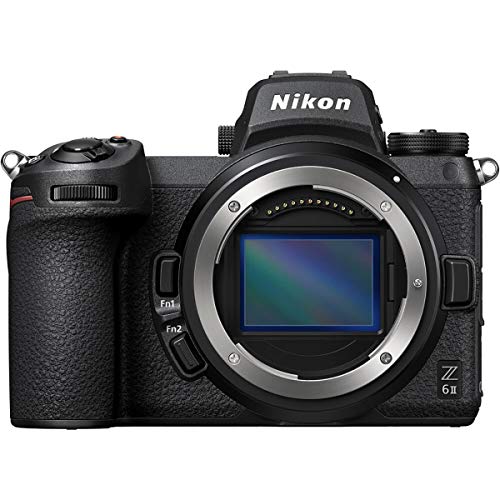
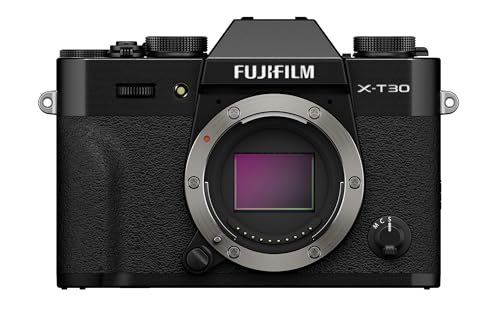
Mirrorless cameras use interchangeable lenses and large sensors in bodies that also shoot stills. They offer the widest lens choice for the money, strong low light results and compact rigs for small gimbals. Limits include basic native audio, rolling shutter on some bodies and heat during long 4K takes. Most bodies cost about $700 to $3500 before lenses. See our guide to the best indie cameras.
Dedicated Cinema Cameras
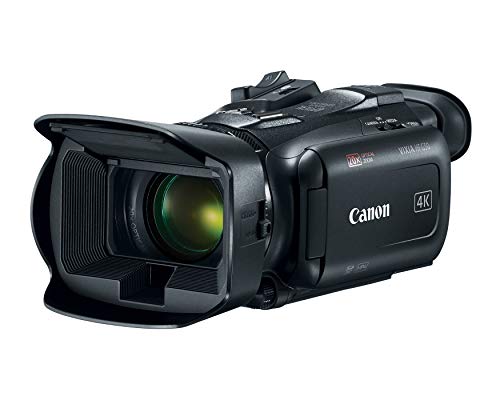
Cinema cameras are built only for motion work, with box or camcorder shapes, cooling fans for long takes, neutral density filters and full size ports on higher tiers. Color and monitoring tools are deeper, and bodies rig cleanly with matte boxes and follow focus units. They cost more and need more support gear. Bodies often run about $1800 to $6000. See our guide to the best video cameras for indie filmmakers.
Action Cameras and Small Compacts as Support Cameras
Action cameras and small compacts are rarely main cameras, but they earn their place for car mounts, tight corners and risky angles. Fixed wide lenses, tough housings and simple controls make them fast to place. Small sensors limit low light quality and lens choice, and audio is basic. Expect about $250 to $500.
Key Features to Compare
When you compare the best cameras for indie filmmakers, price the whole working kit, not the body alone. The five factors below decide how your footage and sound will feel on set.
Sensor Size and Low Light Performance
Sensor size shapes depth of field, low light cleanliness and lens size. Full frame sensors gather the most light and blur backgrounds, which helps in practical locations at night, but lenses cost and weigh more. Super 35 and APS C sensors balance quality and price, while Micro Four Thirds bodies use smaller lenses. Judge high ISO samples at your planned settings, since a clean working image beats the top number on a box.
Resolution, Frame Rates and Color Depth
Most indie projects finish well in 4K, so frame rates and color depth often matter more than pixels. Slow motion at 60 or 120 frames per second needs strong light and raises media use. Ten bit color and a log profile hold more shadow detail for grading, while eight bit files break sooner under heavy grading. Check your shooting mode, since some cameras crop the sensor or drop bit depth at high frame rates.
Autofocus and Stabilization for Small Crews
Reliable face and eye autofocus lets a solo operator watch performance instead of chasing focus, while manual focus with magnification and peaking suits blocked scenes on sticks. In body stabilization smooths handheld work without a gimbal, but it cannot fix poor footwork. Test focus in dim light before you commit, because a system that wanders during dialogue will cost you takes you cannot repeat.
Lens Mount, Zoom Range and Aperture
The mount decides which lenses you can buy, rent or borrow. A common mount lowers total cost and makes a spare lens easy to find locally. A versatile zoom in the 24 to 70 mm range covers most dialogue scenes, while a fast prime near f1.8 helps in dim rooms. Wider apertures admit more light, but they make focus less forgiving and raise the need for neutral density control outdoors.
Audio Inputs, Ports, Battery Life and Media
Good dialogue needs a microphone input, a headphone jack and manual levels. Larger bodies add XLR inputs through a handle or adapter and full size HDMI for a monitor, while small bodies may use mini ports and one card slot. Plan battery life around your longest scene, not the maker rating, and price fast cards into the kit. Dual slots recording to both cards protect a day from one card failure.
Mirrorless Cameras vs Cinema Cameras: Which Should You Choose?
Choose a mirrorless camera when you need speed, stills, a small rig and the lowest total cost. It suits solo work and travel between locations.
Choose a cinema camera when you light scenes, record long takes and build a rig with a monitor and matte box. If that style matches your next film, see our guide to the best indie film cameras for bodies built around that workflow.
Common Mistakes to Avoid
These errors waste money or footage.
- Spending the whole budget on a body leaves nothing for lenses, sound and light, so the finished film looks and sounds thin.
- Choosing the highest resolution mode without checking bit depth gives large files that fall apart when graded.
- Trusting autofocus for rehearsed dialogue without a test take lets focus drift from the eyes to the background.
- Mounting a heavy rig on a small gimbal overloads the motors, so pans stutter and the battery drains early.
- Recording dialogue on the camera microphone across a room buries voices in echo and handling noise.
Care and Maintenance for Film Cameras
Clean every lens with a lens cloth and a blower, never your shirt, because grit in fabric can scratch coatings. Keep a spare charged battery and a spare card in the kit bag. Store gear in a dry padded bag away from heat, and let cold gear warm slowly indoors so condensation dries before use.
Back up cards to two drives before formatting them in the camera you will shoot with next. Clean the sensor only with tools made for its size, or use a service if dust spots persist. Check cables, mounts and plates before each shoot day, since small play adds shake no stabilizer can fully remove.
FAQ
What features matter most in cameras for indie filmmakers?
The features that matter most are clean low light video, trustworthy sound inputs and a lens mount you can afford to build on. Also check recording limits and heat behavior, since a long speech can outlast a short clip limit. A camera that stops mid scene is a poor fit.
Which camera type is better for low light scenes in indie films?
A full frame mirrorless or cinema camera is usually better for low light scenes because its larger sensor keeps shadows cleaner at high settings. On set, place practical lamps in frame, since a visible lamp justifies brighter faces and lets you lower sensitivity instead of lifting noisy shadows later. Lamp placement often saves more quality than a new body.
How much should indie filmmakers spend on a first camera kit?
Most first kits work well at about $1200 to $3000 for the body, one versatile lens, cards, batteries and basic sound gear. When people search for the best cameras for indie filmmaker starter kits, they often price only the body. Reserve one third of the budget for lens and audio, since viewers forgive a softer image sooner than unclear dialogue.
Do indie filmmakers need to shoot in a log profile?
No, indie filmmakers do not need a log profile for every project, and a standard profile is often the safer choice. Log files look flat on set and need careful exposure and extra edit time to restore contrast and color. Use log when you plan to grade and can monitor with a preview LUT. For fast work, a standard profile protects skin tones and saves hours.
Is a smartphone enough for an indie film instead of a dedicated camera?
A smartphone can be enough for a short proof of concept or a found footage style story. Its limits show in changing lenses, manual exposure during a take and clean sound without extra gear. Many phones record at a variable frame rate, which can drift out of sync with separate audio over a long take. A dedicated camera gives control that phones cannot match.
Our Verdict
Match the camera type to your crew, your locations and your sound plan first, then compare sensors and color inside that type. Mirrorless bodies give the most flexibility per dollar, cinema bodies give the most control and small cameras fill angles your main body cannot reach. Use the product table above to confirm price, ports and recording modes.
When those basics fit your way of working, the best cameras for indie filmmakers stop being a spec contest and become a tool you trust on set. Choose the simplest kit you can run well, leave budget for sound and light, and let the story carry the film.