
Best Cameras for Homekit in 2026: A Practical Smart Home Guide
Disclosure: We may earn a commission when you buy through links on this page, at no extra cost to you. As an Amazon Associate I earn from qualifying purchases. Learn more

Compare cameras that work with Apple HomeKit by field of view, night vision, power and storage, and learn how to place them for clearer coverage at home.
Choosing best cameras for homekit starts with a simple question: what do you want the camera to notice, and where will it live? A camera that watches a front door faces different light, weather and foot traffic than a camera that watches a nursery or a garage. The right choice depends on placement, power, video quality and how you want alerts to work, not on chasing the largest specification number on the box. This guide compares types and features so you can match a camera to a real spot in your home.
The comparison table below gives a side by side view of camera types, while the sections that follow explain the tradeoffs. You will learn which features matter for a smart home setup, which ones add cost without adding much value, and how ongoing costs can change the total price over time. By the end, you should be able to narrow the field to one or two sensible types before you compare individual options.
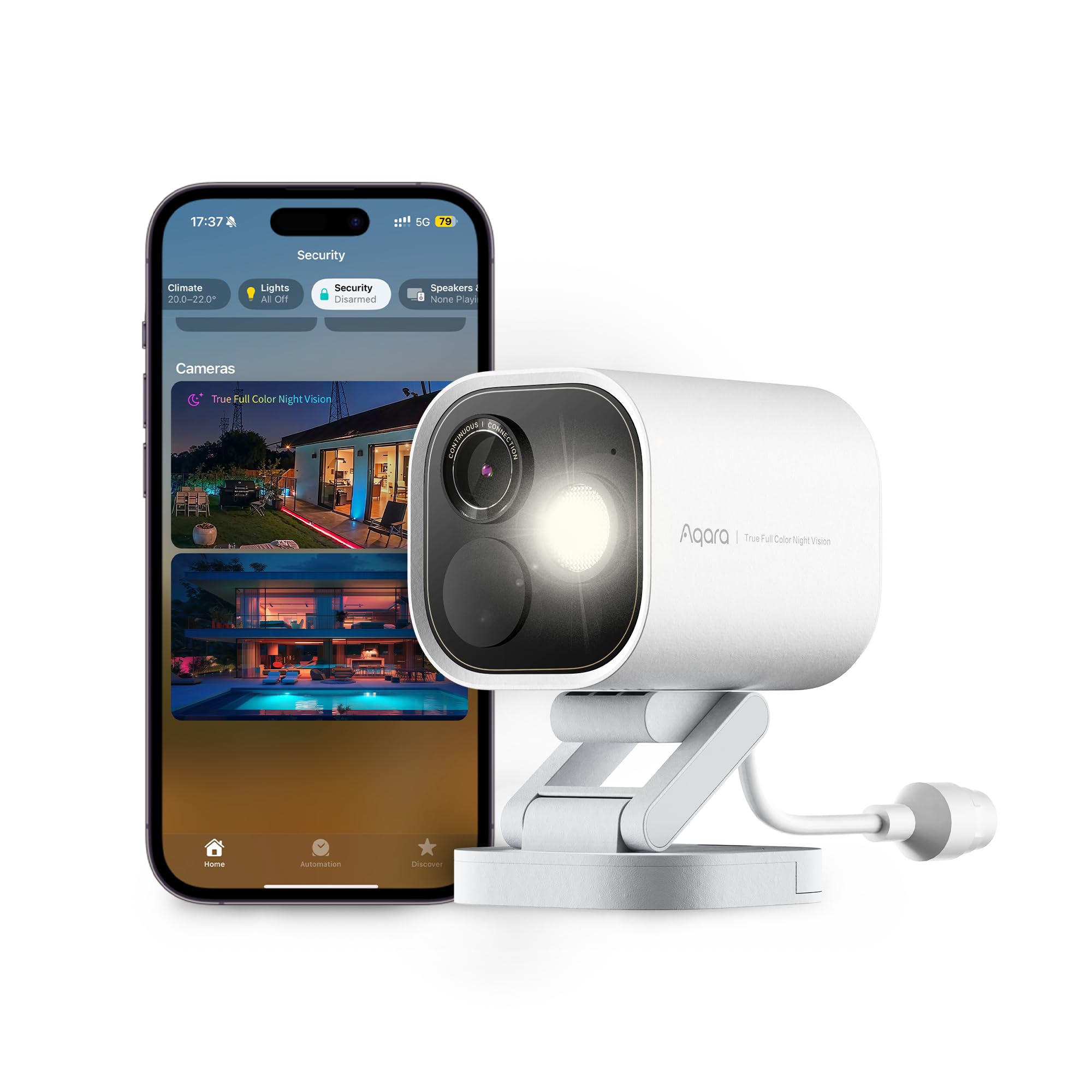

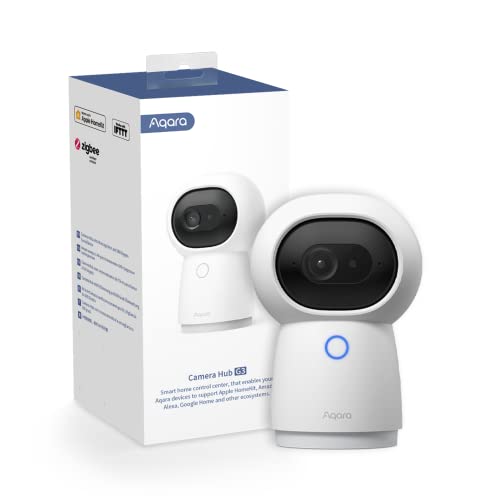


Spending Levels at a Glance
At a lower spending level, about $50 to $120, you can expect solid daytime video, basic night vision and motion alerts. These cameras often use WiFi, plug into a nearby outlet or use a rechargeable battery, and store clips in the cloud or on a hub. The main tradeoff is usually a narrower field of view, less detailed night video and fewer smart home automation options. For a single indoor room or a sheltered porch, that level can be enough.
In the middle range, about $120 to $250, video sharpness, night performance and build quality usually improve. You may get wider coverage, better sound pickup, smarter motion zones and more reliable performance in rain or cold. This level suits a front door, a driveway or a main living area where you want to identify people and activity clearly. Many buyers find this range gives the best balance of clarity and cost.
What Your Money Gets You at Each Price Tier
Lower Cost Tier: The Essentials Covered
A lower cost camera should still cover the basics well. Look for clear 1080p video in daylight, usable night vision to at least the distance of a porch or hallway, and alerts that arrive promptly. Check that the camera can connect reliably to your home network from its intended spot, because a weak signal causes missed clips and slow live views.
Middle Tier: Better Detail and Control
The middle tier is where detail and control start to feel noticeably better. Faces and license plates at moderate distance become easier to read, and night video shows more shape and movement instead of flat dark blobs. You also tend to get finer controls, such as activity zones that ignore a busy street while watching a walkway.
Higher Tier: When Extra Spending Pays Off
Higher priced cameras justify their cost when the scene is hard, whether a long driveway, a dark side yard or a wide backyard needing better light handling and a wider view than a hallway does. Extra spending can also buy sturdier mounts, better sealing against dust and rain, and longer lasting power options. Before paying more, ask whether the scene actually needs that extra reach. If it does not, the middle tier will serve you just as well.
Features Worth Paying For and Ones to Skip
Features That Matter for a Smart Home Camera
For a smart home camera, reliable integration matters more than a long feature list. The camera should appear in your home app, respond to automations and respect the privacy settings you choose. Look for clear information about how recordings are stored, whether clips stay on a local hub or go to a cloud service, and how long clips are kept. A camera that fits your existing setup will feel simpler every day than a camera with impressive specs that fights your system.
Sensor Size and Image Quality
Sensor size affects how much light a camera can gather, which shows up most at dawn, dusk and night. A larger sensor usually produces cleaner video in dim light, with less grain and more visible detail. Resolution still matters, but it is not the whole story. A high resolution camera with a small sensor can produce a sharp looking daytime image that turns noisy at night, while a modest resolution camera with a better sensor can stay clearer after dark.
Video Capabilities
For most homes, 1080p video is enough to identify a visitor at a door or to check whether a package arrived. Higher resolution helps when you need to read detail at distance, such as across a yard, but it also uses more bandwidth and storage. If your internet upload speed is modest, a very high resolution stream can stutter or delay alerts. Choose a resolution your network can support steadily, not just the highest number available.
Low Light Performance
Low light performance depends on sensor quality, lens brightness and infrared illumination. Infrared light lets a camera see in darkness, but its useful range is limited, and bright nearby objects can wash out the image. A porch light or a well placed outdoor light often improves night video more than a higher infrared rating does. If the camera faces a dark street, look for a model that handles mixed light well, with bright spots and deep shadows in the same frame.
Power, Placement and Recording Choices
Power decides where a camera can realistically go. A plug in camera is simple indoors and near an outdoor outlet, but it needs a cable route that stays safe and tidy. A battery camera can go almost anywhere, yet it needs recharging and may record shorter clips to save power. A wired camera that draws power over a cable can run continuously, but installation is more involved and may need help from a qualified installer if wiring runs through walls.
Recording and storage choices affect both cost and privacy. Some systems store clips on a hub at home, which keeps recordings local and avoids a monthly fee. Others store clips in the cloud, which makes them accessible from anywhere but may require a subscription for longer history. Decide how long you need clips kept, who should be able to view them, and whether you are comfortable with cloud storage before you commit.
When you compare options for outdoor use, a guide to best homekit outdoor cameras can help you weigh weather sealing and mounting against indoor only designs. For broader home protection planning, see our guide to best homekit security cameras and think about how each camera fits the rooms and entry points you actually use. If you already use Apple devices at home, our guide to best cameras for apple homekit explains how different models fit into that ecosystem.
Long Term Costs to Factor In
The purchase price is only part of the total cost. Cloud storage subscriptions, extra mounts, longer cables, spare batteries and replacement parts can add up over a few years. Battery cameras may need new batteries or charging accessories, while wired cameras may need a one time installation cost. Check whether features such as person detection or longer clip history require a paid plan, and whether basic alerts still work without one.
Common Mistakes to Avoid
- Buying for resolution alone and ignoring night performance, field of view and network reliability.
- Mounting a camera too high to see faces clearly, or aiming it at glare from a window or a bright light.
- Assuming a battery camera will record continuously, when many battery models record only on motion to save power.
- Paying for cloud storage without checking how long clips are kept or whether basic alerts work without a plan.
- Placing a camera where the WiFi signal is weak, which causes delayed alerts and missing clips.
- Forgetting privacy and local rules, such as avoiding views into a neighbor living space and informing household members.
Frequently Asked Questions
What features matter most in cameras for a smart home?
Reliable connection, clear night video and sensible alert controls matter most, because a camera that misses events or floods you with false alerts is not useful. Start with field of view and placement, then check power, storage and privacy controls. A camera that integrates cleanly with your home app and lets you set activity zones will feel more dependable day to day than a camera with a long list of extras you never use. Also confirm that the camera works from its exact mounting spot, since signal strength varies by wall material and distance.
What specs matter most for beginners?
Beginners should focus on resolution that suits the viewing distance, infrared range that covers the scene, and a field of view that includes the walkway or room without shrinking people to tiny figures. Storage matters too, so check whether clips are stored locally or in the cloud and how long they are kept. Avoid getting lost in sensor jargon at first. A clear daytime image, usable night video and alerts you can understand are a better starting point than chasing the highest numbers.
How much should I spend on my first smart home camera?
Most first time buyers do well in the middle range, about $120 to $250, where video quality and alert controls are noticeably better than at the lowest prices. A lower cost camera can still work for a single indoor room or a sheltered porch. Spend more only when the scene is large, dark or far from the camera, or when you need stronger weather sealing. Add any subscription cost to the purchase price before you decide, so the total over two years is clear.
Which camera type is better for low light?
A camera with a larger sensor and good infrared illumination usually performs better in low light than a camera that relies on resolution alone. Look for a lens that gathers light well and a design that handles mixed bright and dark areas in one frame. Adding a porch light or a modest outdoor light often improves results more than upgrading resolution. If the scene is fully dark, expect black and white infrared video, which is usually clearer than color video in those conditions.
Can a smart home camera work without a subscription?
Many cameras offer basic live viewing and motion alerts without a paid plan, but longer clip history and advanced detection often require one. Some systems store clips on a local hub, which can avoid a monthly fee while keeping recordings at home. Before buying, check exactly which features stop working without a plan. That detail changes the real cost and may change which system fits your budget.
Our Verdict
The best choice balances placement, power, night performance and storage, not just resolution. Start with the spot you need to watch and test the network signal there, then choose a tier that covers that scene well. A middle range camera suits most doors, porches and living areas, while higher spending makes sense for large or dark outdoor areas. Keep privacy and local recording rules in mind, follow the maker electrical safety guidance, and remember that no camera alone guarantees security. Check your shortlist of best cameras for homekit against the points above and use the product table above to compare types side by side.


