
Best Cameras for Holidays in 2026: Types Compared and How to Choose
Disclosure: We may earn a commission when you buy through links on this page, at no extra cost to you. As an Amazon Associate I earn from qualifying purchases. Learn more

Compare cameras for holidays by type, sensor, zoom, weight and battery life, with a clear checklist for beach trips, city breaks and family travel.
Choosing a camera for a trip can feel confusing because every type promises sharp photos in a small body. The best cameras for holidays are the ones that match how you actually travel, from beach days and city walks to family visits and boat tours.
Think about your next trip first. Note how much you walk each day, how often you shoot after dark, and whether you record video. Then use the comparison table below to match those habits to a type, a sensor size and a price range.

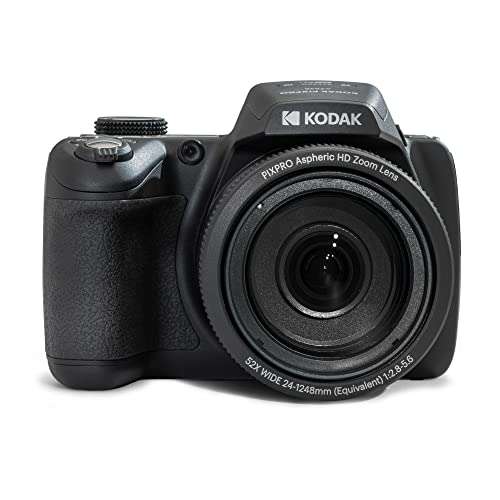


Types of Cameras Compared for Holiday Travel
Three types cover almost every holiday. Point and shoot compacts favor speed and small size. Bridge cameras favor long zoom reach in one fixed lens body. Vlogging cameras favor video, clear sound and a screen you can turn toward yourself.
Point and Shoot Compacts for Simple Holiday Photos
A point and shoot compact has a fixed lens and automatic settings that handle focus and exposure for you. You switch it on, frame the scene and press one button, so it suits travelers who want photos without a bag of gear. Most models slip into a jacket pocket and weigh about 7 to 12 ounces. Zoom is modest, often about 4 to 10 times, and low light results are softer than larger sensor types. Choose this type for family days where speed matters more than control. For a broader view of this category, see our guide to the best digital cameras.
Bridge Cameras With Long Zoom for Distant Holiday Subjects
A bridge camera looks like a small interchangeable lens camera but keeps one fixed lens with very long reach. That lens gives strong magnification, so a lighthouse, a safari animal or a stage performer fills the frame from far away. The body is larger, often about 1 to 2 pounds, and it needs a shoulder bag rather than a pocket. You also gain a viewfinder for bright sun. Choose this type for cruises, wildlife stops and scenic tours where your subject stays out of reach.
Vlogging Cameras for Holiday Video and Self Recorded Clips
A vlogging camera is built around video first. It pairs a wide lens with a screen that flips to face you, steady image stabilization and a strong built in microphone array. Many record 4K video, which keeps clips sharp on a large television at home. Still photos are good, though manual photo controls can feel limited next to a bridge model. The body stays light for handheld filming on long walks. Choose this type if you share travel videos or narrate your trip as you go.
Point and Shoot Compacts vs Vlogging Cameras: Which Should You Choose for Holidays?
These two types overlap in size, so the choice turns on four points. For still photos, a compact usually offers more zoom and simpler controls, while a vlogging model often has the larger sensor and cleaner results after dark. For video, the vlogging camera wins on its flip screen, steadier handheld footage and better sound. For price, simple compacts start lower, at about $150 to $300, while capable vlogging models often cost about $400 to $800. Pick the compact for photos of family and places, and the vlogging camera when moving pictures carry the story. See our guide to the best cameras for photography if you shoot mostly stills.
How to Choose the Right Camera for Holidays
When you shop for the best cameras for holidays, work through the factors below in order. Size and weight decide whether the camera leaves the hotel room at all. Sensor and lens choices then decide how your photos look, and sealing and battery life decide how it copes with a full day out.
Sensor Size and Image Quality for Holiday Photos
Sensor size shapes image quality more than megapixel count does. A 1 inch sensor, common in better compacts and vlogging models, gathers more light than the small sensors in basic compacts, so indoor and evening shots hold more detail with less grain. APS C and full frame sensors give the cleanest low light results, but they sit in larger bodies and add cost, weight and extra lenses to pack. A count of about 20 megapixels is plenty for prints and sharing. See our guide to the best quality cameras if image quality is your top priority.
Zoom Range and Lens Reach for Holiday Scenes
Zoom tells you how close distant subjects appear. A wide end of about 24 mm suits buildings, group photos and tight streets, while a long end of 100 mm or more helps with portraits and details across a square. Bridge models reach far beyond that, which is why they suit wildlife and ships at sea. Optical zoom keeps detail because the lens itself magnifies the scene. Digital zoom only crops the image, so detail falls quickly.
Autofocus and Image Stabilization on the Move
Autofocus speed decides whether you catch a child running, a street performer turning or a bird lifting off. Look for eye detection for people and a tracking mode that follows a moving subject across the frame, because holiday scenes rarely stand still. Image stabilization steadies the lens or sensor to counter small hand movements, which helps in museums, on boats and during handheld video. It cannot freeze a fast subject, so you still need a fast enough shutter speed for action.
Durability and Weather Sealing for Beach and Mountain Holidays
Holiday cameras face sand, spray, rain showers and cold wind, often in a single trip. Sealed bodies and lens joints resist dust and light rain, and some rugged compacts are fully weatherproof, built to survive shallow dives and drops onto hard ground. A standard sealed camera is not waterproof, so keep it under cover in heavy rain and never submerge it unless the maker rates it for diving.
Size, Weight, Battery Life and Sharing While Traveling
A camera you carry all day should feel easy in one hand and hang from a strap without pulling at your neck. Battery life varies widely, from about 250 shots per charge on small models to 500 or more on larger ones, and video drains a battery far faster. USB charging helps because you can top up from a power bank on a train. Built in WiFi or Bluetooth sends photos to your phone for sharing, and a spare memory card keeps you shooting when one fills.
Common Mistakes to Avoid When Choosing a Holiday Camera
- Buying the longest zoom you can find adds weight you carry all day for reach you may use twice.
- Judging a camera by megapixels alone leads to grainy evening photos from a tiny sensor.
- Ignoring battery life leaves you with a dead camera before the evening meal and lights.
- Taking a standard sealed camera into the sea ruins it, because sealing against rain is not waterproofing.
- Leaving the camera in a hotel safe defeats the purchase, so a body that feels too heavy is the wrong body.
- Waiting until the trip to learn the controls means missed moments while you hunt through menus.
Care and Maintenance for Holiday Cameras
Clean the lens with a soft lens cloth, never your shirt, because shirt fabric can hold grit that scratches the coating. Wipe salt spray and sunscreen from the body with a slightly damp cloth after each beach day, then dry the camera fully before you close it in a bag. Store it in a dry, padded bag with the lens cap on.
Carry a spare battery and keep both charged. After a wet outing, open the battery and card doors in a dry room so trapped moisture can escape. Brush sand off gently with the camera facing downward, and back up your cards each evening so a lost card does not take the whole trip with it.
FAQs About Choosing a Camera for Holidays
What features matter most in a camera for holiday travel?
Fast autofocus, image stabilization and a sensor of 1 inch or larger matter most for holiday travel. Together they cover moving family scenes, dim restaurants and handheld shots on boats. One point many buyers miss is screen brightness, because a dim screen is hard to frame with in strong sun. A tilting screen also helps for low shots of children and pets.
What specs matter most for beginners choosing a holiday camera?
Beginners should look at sensor size, a simple automatic mode and a zoom range of about 24 to 100 mm first. Those three cover most holiday scenes without menu diving. Our guide to the best starter cameras explains first camera choices in more depth.
Is a smartphone enough instead of a dedicated holiday camera?
A smartphone is enough for casual sharing if you travel light and shoot mostly in daylight. A dedicated camera pulls ahead with true optical zoom, stronger low light results and physical controls that work with gloves or wet hands. It also saves your phone battery for maps and messages.
How much should you spend on a first holiday camera?
Most first time buyers get strong results at about $250 to $600. That range covers good compacts and entry vlogging models with 1 inch sensors. Spend toward the top if you shoot video or travel several times a year. Keep part of the budget aside for a spare battery, a padded bag and memory cards, because those items shape daily use too.
Which type of holiday camera is better for low light photos?
A camera with a larger sensor and a bright lens is better for low light holiday photos. Vlogging models and better compacts with 1 inch sensors usually beat long zoom bridge cameras after dark, because bridge lenses gather less light at full reach. For evening markets, stand still, brace your elbows and let the camera use a slower shutter speed.
Wrapping Up
Match the type to your trip, the sensor to your light and the weight to your walking, and the choice gets simple. Compacts serve quick family photos, bridge models serve distant subjects, and vlogging cameras serve video stories. Use the product table above to confirm zoom, battery life and price before you order.
Chosen well, the best cameras for holidays disappear into your day and come home full of sharp, honest memories. Buy for the trip you take most often, and learn the basic controls before you leave.


