Best Cameras for High Quality Pictures: Our 2026 Checklist for Sharper Photos
Disclosure: We may earn a commission when you buy through links on this page, at no extra cost to you. As an Amazon Associate I earn from qualifying purchases. Learn more

Use this checklist to compare the best cameras for high quality pictures by sensor, lens, low light skill and handling, then choose with confidence.
A camera can advertise a huge megapixel count and still produce soft, noisy photos, while a modest model with a larger sensor and a good lens looks crisp on a big print. This guide treats best cameras for high quality pictures as a checklist question rather than a brand contest. You will learn which specs actually change sharpness, color and detail.
Work through the criteria below, then use the comparison table below to match each camera type against your budget and subjects. By the end you will know whether a compact, a mirrorless body or a DSLR fits the way you shoot.


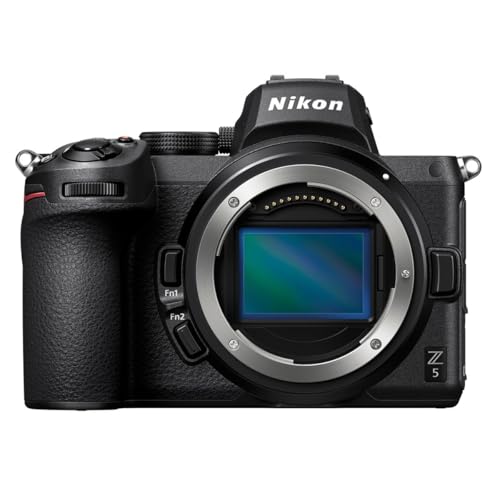


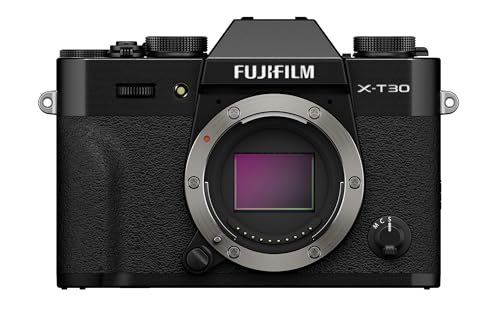
Who Should Buy a Camera Built for Picture Quality
Families and Portrait Shooters Who Want Fine Detail
If you photograph children, grandparents and family events, you want files that stay clean when you crop or print at 8 by 10 inches and larger. A sensor of 1 inch or larger plus a lens with a wide maximum aperture keeps faces sharp while the background softens.
Travelers and Hobbyists Who Print and Share Large Files
Landscape and street shooters ask the most of a sensor, because shadow detail and highlight detail often sit in the same frame. Look for strong dynamic range, a lens that stays sharp at the edges, and a body light enough to carry all day. A weatherproof build earns its place near coasts, waterfalls or dusty trails.
Phone Owners Ready for a Clear Step Up in Quality
Your phone already handles quick snapshots well, so a dedicated camera only earns its cost where phones struggle: dim rooms, fast action and big enlargements. Choose a model with a larger sensor and simple controls you will actually learn. If you want a simpler shortlist first, see our guide to the best cameras for pictures.
Key Features to Compare
Score every candidate against the same six criteria, in this order, and weak models usually reveal themselves fast. Readers who want a second shortlist built on the same criteria can also see our guide to the best high quality cameras.
Sensor Size and the Detail Your Prints Show
Sensor size is the strongest predictor of picture quality. A full frame sensor gathers far more light than the sensor in a phone, an APS C sensor sits in the middle, and a 1 inch sensor is the smallest size that shows a clear jump over a phone. That is why the best cameras for high quality pictures are almost always sorted by sensor size first, while megapixels matter less: 24 megapixels is plenty for large prints, and extra pixels on a small sensor add noise rather than detail.
Lens Quality and Zoom Range
The lens decides how much detail reaches the sensor, so a modest body with a sharp lens beats a costly body with a weak kit lens. Check the maximum aperture, written as an f number such as f/2.8: a lower number lets in more light and blurs backgrounds more. Prefer optical zoom figures over digital zoom, because digital zoom only crops the image. A range of about 24 to 70 mm in full frame terms covers most family and travel subjects.
Low Light Performance
Low light quality comes from the sensor and the lens working together. A large sensor and a fast lens let you keep the ISO setting lower, and lower ISO means less grain and cleaner color. Ignore the maximum ISO number on the box, because the top settings are usually too noisy to use. Instead, look at sample photos at ISO 1600 and ISO 3200 and check faces for smearing.
Sharp Focus and Steady Shots
Sharp pictures depend on focus landing where you intend. Modern autofocus with eye detection locks onto people reliably, while subject tracking follows pets and players across the frame. For action, burst speed and tracking matter more than resolution, which is why our guide to the best cameras for sports pictures weighs those traits first. Stabilization in the body or the lens steadies handheld shots and is worth real money if you rarely use a tripod.
Video Recording as a Bonus Feature
If you record family events or social clips alongside stills, look for 4K video, a microphone input and a screen that flips for filming yourself. A log profile gives editors more room to adjust color, but it needs grading work, so new owners may prefer the standard color modes. Also check the recording limit, because some cameras stop a single clip after about 30 minutes.
Size, Weight and Ease of Use
The best specified camera is the wrong choice if it stays home. Compact bodies under about 500 grams travel easily, while larger bodies balance better with long lenses. Guided auto modes and clear menus help new owners learn, and wireless transfer to a phone app makes sharing painless. Battery life counts here too, because a camera that fades by lunch changes how you plan a day out.
Camera Types Compared: Mirrorless, DSLR, Compact and Bridge
Four body styles cover nearly every buyer, and the wider world of best digital cameras sorts neatly into them. None is best at everything, so match the style to your subjects, your bag and how much control you want while you shoot.
Mirrorless cameras pair large sensors with modern autofocus and compact lenses, and they suit most buyers who want top stills quality. DSLRs use an optical viewfinder and a deep pool of lenses, often at lower used prices, but the bodies are bulkier. Both styles let you change lenses as your interests grow.
Compact cameras with a 1 inch sensor trade lens choice for pocket size, and they fit travelers who refuse extra bags. Bridge cameras add a long optical zoom in one fixed package, handy for birds and school sports from the stands. If you prefer a physical print the moment you shoot, see our guide to the best instant picture cameras instead.
Checks to Run Before You Commit
Answer these questions before you order. Three or more no answers means keep looking.
- Is the sensor 1 inch or larger, APS C or full frame?
- Does the lens reach your most common subjects without digital zoom?
- Is the widest aperture f/2.8 or wider on your main lens?
- Can you find clean sample photos taken at ISO 3200?
- Does autofocus include eye detection for people or animals?
- Will the body and one lens fit the bag you already own?
- Does the price leave room for a card, a spare battery and a case?
Common Mistakes to Avoid
- Chasing the highest megapixel count on a small sensor buys noisy files and giant storage bills instead of visible detail.
- Trusting digital zoom figures on the box leads to cropped, soft pictures that disappoint the moment you view them large.
- Ignoring lens costs when you price a body leaves no budget for the glass that actually decides sharpness.
- Skipping sample images and trusting spec sheets hides weak autofocus and smeared low light files until after you buy.
- Treating a wave of short, similar glowing reviews as proof of quality can hide a mediocre camera behind paid praise.
- Buying a body with a warranty of only a few months and no clear listing of its features risks an import with no local support.
Setup and Care Tips for Your Camera
Before your first outing, charge the battery fully, format the memory card in the camera, and set the date so your files sort correctly later. Clean the lens with a proper lens cloth or a blower, never your shirt, because grit caught in fabric can scratch the coating. Carry a spare battery, since cold weather and video drain a pack faster than stills alone.
At home, store the camera in a dry, padded bag, and remove the battery if it will sit unused for months. Wipe off rain or sea spray the same day, and keep the lens cap on whenever the camera is not in your hands.
Frequently Asked Questions
What features matter most in a camera bought for picture quality?
Sensor size matters most, followed by lens quality and autofocus accuracy. A larger sensor records cleaner detail, while a sharp lens delivers that detail to the sensor. One point buyers often miss: the rear screen can flatter a weak photo, so judge sample shots on a computer monitor at full size before you decide.
Can a smartphone replace a dedicated camera for high quality pictures?
For daylight snapshots shared on a phone screen, yes, a good smartphone is enough. A dedicated camera pulls ahead when you print large, shoot in dim rooms or want blurred backgrounds without software tricks. Its larger sensor and real optical zoom hold detail that phone processing can only guess at.
Which camera specs should a beginner check first?
Start with sensor size, lens aperture and guided auto modes that explain each setting as you use it. Skip long lists about burst rates and video codecs for now. One beginner friendly detail worth checking is the weight with the kit lens fitted, because a heavy starter camera often gets left behind.
How much should you spend on a first camera for high quality pictures?
Plan on about $500 to $900 for a capable compact or an entry level mirrorless kit, and keep roughly a fifth of your budget aside for a card, a spare battery and a bag. Spending more mainly buys low light headroom, not an instant jump in skill. A used body from a reputable dealer can stretch the same budget one tier higher.
Which camera type takes the best pictures in low light?
A full frame mirrorless camera or DSLR with a fast prime lens leads in low light, because the large sensor and wide aperture keep ISO low. A 1 inch compact still beats a phone after dark, but it cannot match full frame files at ISO 3200. Whichever type you choose, a small tripod improves night shots more than any menu setting.
The Bottom Line
Judge by sensor size first, then lens quality, then how the camera feels in your hands. Travelers and families are usually happiest with a 1 inch compact or an APS C mirrorless kit, while enthusiasts who print large should look at full frame. The right best cameras for high quality pictures choice is the one whose files still impress you at full size, so compare your finalists in the product table above before you order.