Best Cameras for Family Photos for 2026: Types Compared Side by Side
Disclosure: We may earn a commission when you buy through links on this page, at no extra cost to you. As an Amazon Associate I earn from qualifying purchases. Learn more

Compare camera types for family photos, from mirrorless models to simple compacts, and learn which features matter most for sharp, natural everyday pictures.
Choosing best cameras for family photos can feel confusing because every type promises better pictures, yet each one suits a different kind of family life. Some families want a camera that grows with a new hobby, while others want something small enough to carry to the park without a second thought. This guide compares the main types side by side so you can match the camera to the way your family actually takes pictures.
Use the comparison table below to see the strengths and limits of each type at a glance, then read the detail that matters for birthdays, holidays, school events, and quiet moments at home. Prices and availability can change, so check the product page before ordering.
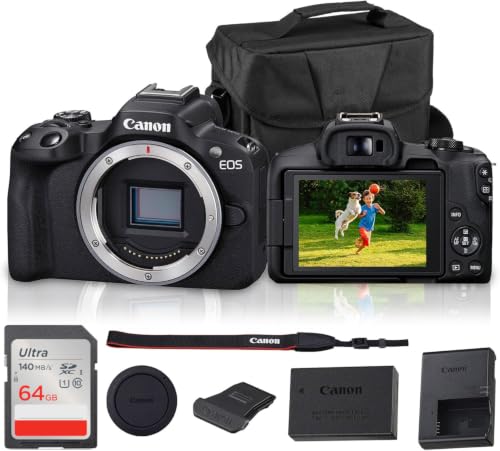


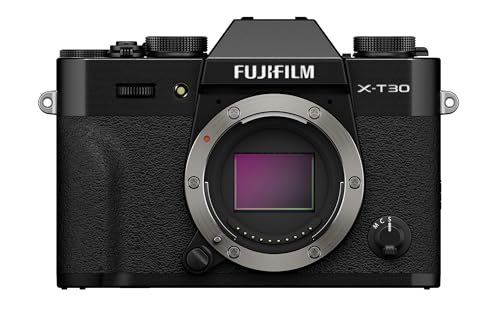

Types of Cameras Compared
The table below gives a quick overview. The sections that follow explain what each type does well, where it falls short, and which families tend to enjoy it most.
| Type | Best For | Pros | Cons | Typical Price |
|---|---|---|---|---|
| Mirrorless cameras | Families who want room to grow | Strong image quality, fast focus, lens choices | Larger size, more to learn | around $600 |
| Point and shoot compacts | Simple everyday pictures | Small, light, easy to use | Less control, smaller sensor | around $300 |
Mirrorless Cameras
A mirrorless camera uses an electronic viewfinder or a rear screen instead of a mirror, which keeps the body smaller than older interchangeable lens designs while still offering strong image quality. You can change lenses for wide rooms, portraits, or distant school plays, and fast autofocus helps with children who rarely sit still. The trade off is size and learning curve: the body plus a lens takes more bag space than a compact, and the menu system rewards a little practice. Families who enjoy photography as a shared hobby often find this type the most satisfying over time.
Look for a comfortable grip, a tilting screen for low angles, and a kit lens that covers everyday scenes without extra purchases. A camera that feels good in your hand will get used far more than a more capable model that stays on a shelf. If you plan to print large photos or crop heavily, a larger sensor is worth the extra cost.
Point and Shoot Compacts
A point and shoot compact puts the lens, sensor, and screen in one small body, so you can slip it into a pocket and start shooting in seconds. Controls stay simple, zoom covers most family scenes, and automatic modes handle exposure in changing light. Image quality will not match a larger sensor camera in dim rooms, and you cannot swap lenses, but for birthdays, park visits, and vacations the convenience often matters more. This type suits families who want better pictures than a phone without carrying extra gear.
Check the zoom range, the size of the screen, and how the camera handles indoor light before you buy. A compact with a bright lens will do better at parties and evening gatherings than one that relies on a flash. Also confirm the battery charges by USB, which makes travel packing much simpler.
Mirrorless Cameras vs Point and Shoot Compacts: Which Should You Choose?
Start with how you shoot. A mirrorless camera wins when you want control over depth of field, better low light results, and the option to add lenses later. A compact wins when you want the smallest possible camera, the simplest controls, and a price that leaves room for a case, a memory card, and a spare battery. Image quality differences show most in dim rooms and large prints; in bright daylight, both types produce pleasing family pictures.
Consider who will use the camera most. A parent who enjoys learning settings will appreciate the mirrorless menu, while grandparents, older children, and busy parents often prefer the compact habit of point, zoom, and shoot. If only one camera serves the whole family, the simpler model usually gets more use. You can always move up later, and the product table above can help you compare the two paths before you decide.
How to Choose the Right Camera
Features That Matter for Family Photos
Family photos reward speed, simplicity, and reliable color more than exotic specifications. Fast autofocus that locks onto faces keeps children sharp even when they move, and good automatic white balance keeps skin tones natural under mixed indoor light. A tilting screen helps you shoot from a child eye level without crouching, and a quiet shutter keeps the moment relaxed. These features matter because family pictures happen in real rooms and real weather, not in a studio.
Lens and Zoom Range
For family use, a zoom that starts wide enough for a whole room and reaches far enough for a stage or a sports field covers most needs. A bright maximum aperture, written as a small f number, helps indoors by letting in more light and softening busy backgrounds. Judge a camera lens by its focal length range and its aperture instead.
Sensor Size and Image Quality
Sensor size shapes low light performance and background softness more than the megapixel count alone. A 1 inch sensor beats a tiny phone style sensor indoors, an APS C sensor gives a clear step up again, and a full frame sensor offers the best low light results at the highest price. More megapixels help when you crop or print large, but they do not rescue a blurry or poorly exposed picture. For most families, a mid size sensor with good autofocus delivers the best balance of quality, size, and cost.
Autofocus and Stabilization
Eye autofocus tracks a face and keeps it sharp while children move, which is the single most useful feature for family photography. Image stabilization, whether in the body or in the lens, steadies handheld shots in dim light and smooths casual video clips. A gimbal is a separate accessory for serious video work and is rarely needed for family clips. Together, reliable focus and stabilization raise the share of keepers far more than a higher megapixel count.
How to Make Your Camera Last Longer
Use a lens cloth, not your shirt, to clean the front glass, since fabric with grit can scratch coatings over time. Carry a spare battery so a long day does not end early, and store the camera in a dry, padded bag away from sand, dust, and damp. Keep the camera out of direct sun in a hot car, and wipe it dry after rain or a beach visit. Small habits like these protect the lens, the sensor, and the moving parts for years of family memories.
Frequently Asked Questions
What features matter most in cameras for family photos?
Face and eye autofocus matters most, because it keeps moving children sharp without constant adjustment. A tilting screen, reliable automatic exposure, and good color in mixed indoor light come next, since most family pictures happen in living rooms, kitchens, and school halls. Battery life and a comfortable grip matter too, because a camera that tires your hand or dies early stays home. For video clips, look for steady handheld footage and clear sound from the built in microphone.
Is a smartphone enough instead?
A smartphone is enough for many everyday snapshots, especially in bright light and for quick sharing with relatives. A dedicated camera pulls ahead for zoom range, low light quality, large prints, and long sessions where a phone battery and storage run short. Families who print photos, shoot school plays from the back rows, or want a camera children can use without a phone often prefer a separate camera. The best choice is the one you will carry and use often, not the one with the longest specification list.
What specs matter most for beginners?
Beginners should focus on sensor size, autofocus speed, and a simple menu rather than chasing the highest megapixel count. A zoom range that covers rooms and stages, a bright lens for indoor light, and image stabilization for handheld shots will shape daily results far more than exotic modes. Check the weight with the lens attached, since a heavy setup discourages carrying it. Also confirm the memory card type and charging method so accessories stay simple and affordable.
Which is better for low light?
A larger sensor camera with a bright lens is better for low light, because it gathers more light and produces cleaner pictures at higher sensitivity settings. Image stabilization helps by letting you use slower shutter speeds without blur, and a flash can fill a dark room but often flattens faces. For birthday candles and evening gatherings, stand closer to the light source and avoid digital zoom, which magnifies noise. If low light pictures matter most, spend on sensor and lens quality before extra features.
How much should I spend on my first one?
Most families do well spending about $250 to $600 on a first dedicated camera, with compacts near the lower end and mirrorless kits near the upper end. That range buys reliable autofocus, decent low light performance, and a zoom useful for everyday scenes. Spending more mainly buys larger sensors, faster focus, and lens choices that matter once photography becomes a hobby. Reserve part of your budget for a memory card, a protective case, and a spare battery, since those accessories affect daily use.
Wrapping Up
For most families, the right camera is the one that balances image quality with size, simplicity, and budget. A mirrorless camera suits families who want room to grow, while a compact suits families who want a camera that is always at hand. Use the product table above to compare types once more, then choose the camera your family will actually carry to the next celebration. With best cameras for family photos as your guide, focus on face autofocus, a useful zoom, and a comfortable grip, and the pictures will follow.
See our guide to best photo cameras for a broader look at stills cameras, and our guide to best cameras for families for more family focused advice. If you like instant prints, read our guide to best instant photo cameras, and for general buying advice see our guide to best digital cameras. Use these points each time you weigh best cameras for family photos for your own situation.