Best Cameras for Ebay Pictures for 2026: Match the Camera to Your Listing Routine
Disclosure: We may earn a commission when you buy through links on this page, at no extra cost to you. As an Amazon Associate I earn from qualifying purchases. Learn more

Learn how to choose a camera for clear, honest Ebay listing photos, from sensor size and close focus to lighting, color accuracy, and battery life.
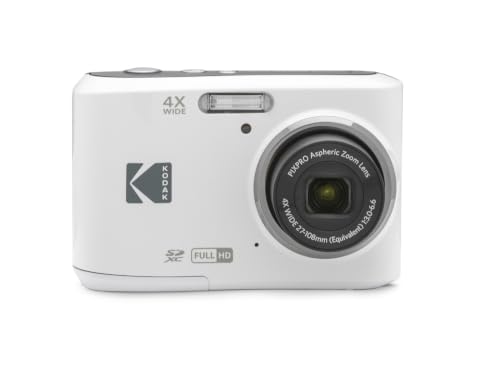
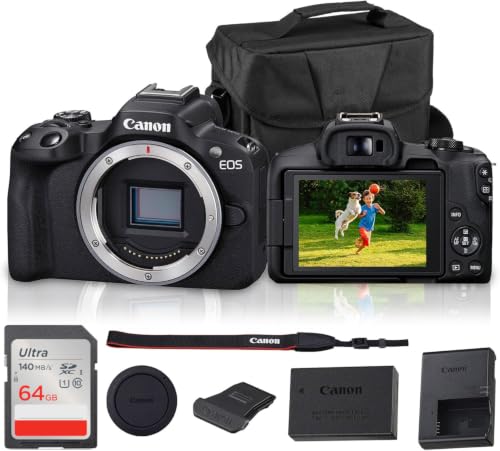
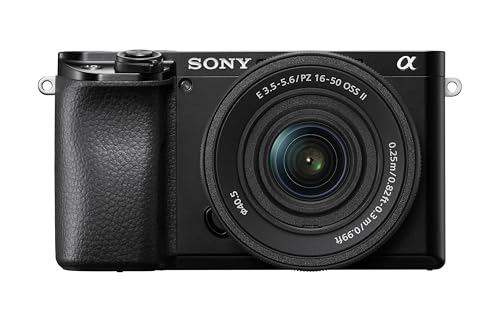
There is no single camera that suits every seller, because a seller who photographs jewelry at a desk has different needs from a seller who photographs furniture in a garage. The best cameras for ebay pictures are the ones that give you sharp detail, true color, and a simple shooting routine for the items you sell most often. Use the comparison table below to weigh the main camera types side by side before you read the details.
A good listing camera does not need to be expensive or complicated. It needs to focus close enough for small items, handle indoor light without harsh color shifts, and let you repeat the same setup day after day. When those basics are right, buyers can see condition, texture, and scale clearly, and you spend less time retaking photos.





Who Should Buy Which Cameras for Listing Photos?
Start with how and where you shoot. Your routine decides which features matter most, and it also decides which features you can safely skip.
For Home Studio Sellers
If you shoot at a table with lamps or a light tent, size and weight matter less than control. Look for a camera with manual exposure, a reliable white balance setting, and a close focusing distance that suits small items. A screen that tilts can help when you shoot from above a flat item. See our guide to best cameras for pictures for a broader look at still photo types before you narrow the choice to listing work.
For Fast Volume Sellers
If you list many items each week, speed matters as much as image quality. A camera that starts quickly, focuses fast, and moves files to your phone or computer without fuss will save real time. Simple controls help too, because a long menu hunt for every shot slows a whole batch. Keep one shooting setup ready so each item takes the same few steps from table to listing.
For Video Listing Creators
Some sellers add short clips that show an item working, moving, or opening. For that routine, steady video, clear sound, and a screen you can see while you record matter more than still photo extras. A microphone input helps when room noise competes with your voice. Keep clips short and honest, and show the same condition details you show in still photos.
For Casual and Occasional Sellers
If you list a few items a month, a simple camera with good automatic settings may be enough. You still want accurate color and sharp close detail, but you do not need advanced controls you will rarely touch. A compact camera that fits in a drawer and is easy to charge will get used more often than a larger camera that feels like a chore to set up.
Key Features to Compare
Compare features in terms of listing results, not spec sheet bragging rights. The question to ask for each feature is whether it makes a buyer trust what they see.
Video Capabilities
Video helps when motion, sound, or function matters, such as a watch ticking, a zipper sliding, or a lamp switching on. Look for smooth motion, a flip screen so you can frame yourself or the item, and a microphone input if you narrate. High resolution alone does not help if the clip shakes or the sound is muffled. For most listings, steady standard video with clear audio beats an unsteady clip at a higher resolution.
Durability and Weather Sealing
Sealing matters mainly if you shoot outdoors, at markets, or in dusty workshops. A sealed body and a covered battery door resist rain and dust better than an unsealed body, but sealing does not make a camera waterproof for swimming or drops. For indoor table work, a sturdy grip and a lens cover matter more. Store the camera in a padded bag when it travels, and wipe dust from the lens before each batch.
Sensor Size and Image Quality
A larger sensor usually gathers more light and shows smoother detail in dim rooms, while a smaller sensor keeps the camera compact and affordable. Megapixel count alone does not decide quality, because lens sharpness and light matter just as much. For listings, look for clean detail at the sizes buyers actually view, honest color, and low noise in indoor light. See our guide to best digital cameras when you compare sensor sizes across camera types.
Features That Matter for Ebay Pictures
Listing photos live or die on close focus, color accuracy, and consistent light. Check the closest focusing distance for the smallest items you sell, and test whether colors stay true under your lamps. A camera with a custom white balance setting helps when your room light warms every photo.
Fast, accurate focus on a small subject also matters, because a soft photo hides flaws and invites returns. Choose controls you can repeat for every item, so your listings look consistent from week to week.
Battery Life and Charging
Nothing slows a listing session like a dead battery halfway through a batch. Check how many shots you can expect per charge, and whether the camera charges over USB C so you can top it up from a laptop or phone charger. A spare battery is a cheap fix for long sessions, and it also helps when you shoot away from home. Keep a routine of charging after each batch so the camera is ready for the next one.
Common Mistakes to Avoid When Buying Cameras
- Judging by price alone, so you pay for video or zoom features your listings never use.
- Ignoring video and sound, then finding your clips shake or your voice is lost in room noise.
- Buying a camera that is too large for your table or too small to hold steady for long sessions.
- Skipping the warranty and return terms, then finding a fault after the return window closes.
- Forgetting close focus, so small items photograph soft even when the camera looks strong on paper.
How to Make Your Camera Last Longer
Use a lens cloth, not your shirt, because fabric can drag grit across the glass and leave fine marks. Carry a spare battery so you never force a weak battery through a long session, and store the camera in a dry, padded bag away from dust and damp. Keep the lens cap on between shots, and check the battery door and card slot for dust before you close them. These small habits protect image quality as much as they protect the camera itself.
Frequently Asked Questions
What features matter most in cameras for ebay pictures?
Close focus, accurate color, and reliable focus matter most, because buyers judge condition from detail and tone. A camera that focuses close and keeps colors true under your lamps will serve listings better than a camera with a longer zoom you rarely use. Steady handling and simple controls also matter, since a repeatable setup gives every listing the same clean look. Add a spare battery and a lens cloth to the kit, and test the camera on your smallest and shiniest items before you commit to it for daily use.
What specs matter most for beginners?
Beginners should focus on close focusing distance, sensor size in broad terms, and battery life per charge. A clear screen, simple automatic settings, and a direct way to move photos to a phone or computer matter more than advanced video formats. Look for a camera that feels comfortable to hold and easy to charge, because a camera that is simple to use gets used for every listing. Skip features you cannot explain in one sentence, and spend the savings on better light for your table.
How much should I spend on my first one?
Most first time listing sellers do well at about $150 to $400, with the lower end suiting casual sellers and the higher end suiting sellers who shoot daily. Spend more only when you need a larger sensor for dim rooms, a microphone input for video, or weather sealing for outdoor work. Before you stretch the budget, check whether better lamps or a plain backdrop would improve your photos more. A modest camera with good light often beats a costly camera used in poor light.
Which is better for low light?
A larger sensor and a bright lens usually perform better in low light, because they gather more light with less noise. A steady hand or a small tripod helps too, since it lets the camera use a slower shutter without blur. For listings, though, the best fix is usually more light, not a more expensive camera. Add a second lamp, move closer to a window in daylight, or use a light tent to soften shadows.
Is a smartphone enough instead?
A recent smartphone can be enough for casual listings, especially when light is good and items are not very small. Phones focus close, handle color well, and move photos straight to a listing app. A dedicated camera earns its place when you shoot many items, need a microphone input, want a larger sensor for dim rooms, or prefer physical controls for repeated setups. If your phone photos already look sharp and true to color, spend on light and backdrops before you buy a separate camera.
The Bottom Line
Match the camera to your routine, not to a spec list. Home studio sellers need control and close focus, volume sellers need speed and simple file transfer, and video creators need steady motion and clear sound. The best cameras for ebay pictures are the ones that make your listings sharp, honest, and consistent without slowing you down. Check the product table above once more, then choose the type that fits the items you sell most often. Use these points each time you weigh best cameras for ebay pictures for your own situation.