
Best Cameras for Dynamic Range at Every Price in 2026
Disclosure: We may earn a commission when you buy through links on this page, at no extra cost to you. As an Amazon Associate I earn from qualifying purchases. Learn more

Learn what dynamic range really means, which sensor and video features protect highlights and shadows, and how to match a camera to your budget.
Choosing the best cameras for dynamic range starts with one simple idea: a good camera keeps detail in bright skies and dark shadows in the same frame, instead of forcing you to sacrifice one for the other. The comparison table below lays out the main types side by side, so you can see how budget, sensor size, and video features relate before you spend anything.
Price gaps in this market are wide, and a higher price does not always buy a wider range. What matters is how the sensor, the processing, and the lens work together in the light you actually shoot in, from harsh midday sun to dim indoor rooms. This guide explains each factor in plain language, shows what each spending level usually delivers, and helps you put your money where it changes your pictures most.

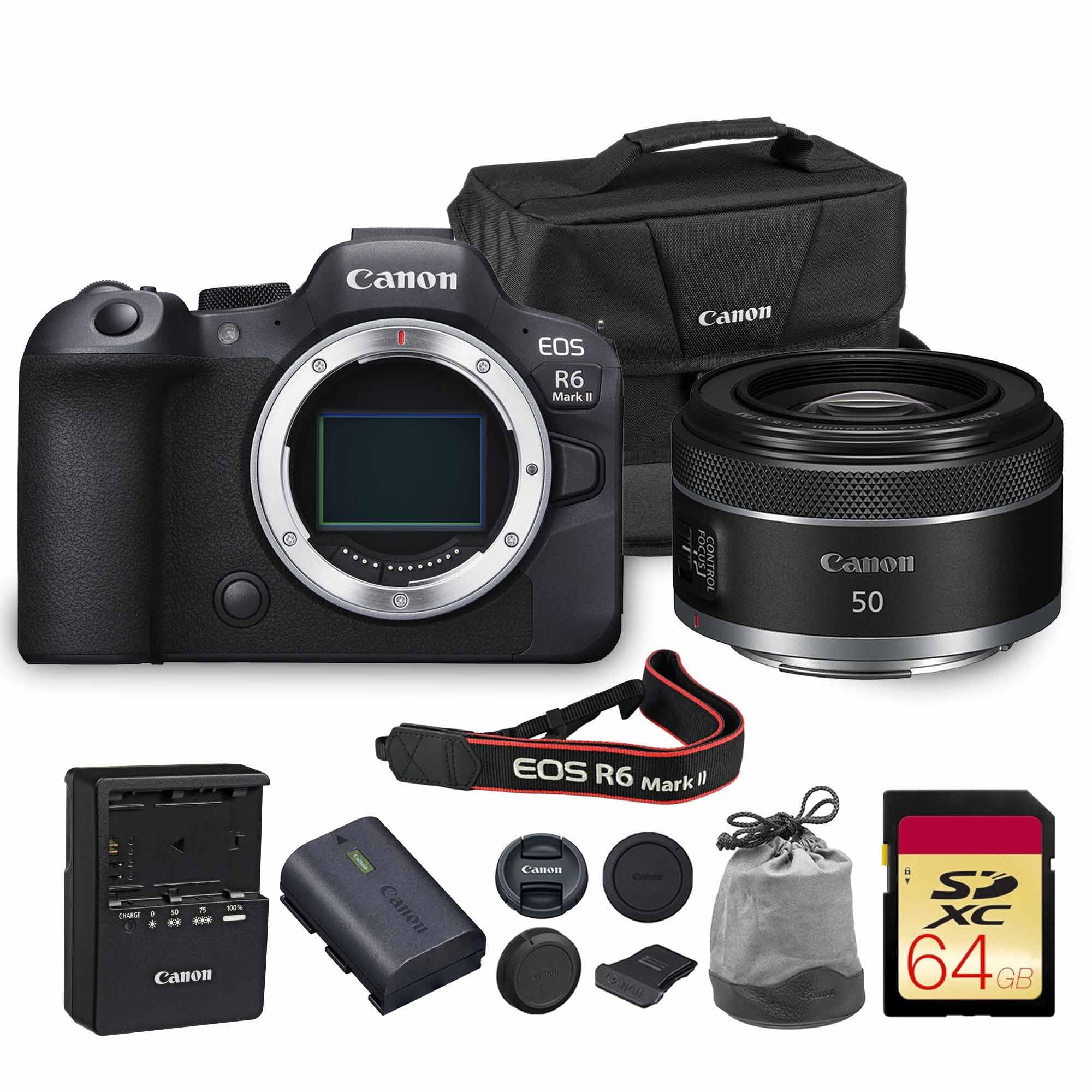


Spending Levels for Dynamic Range Cameras
The outline for this guide once listed individual picks by budget, but a buying guide serves you better when it explains what each level buys. Use the three levels below as a planning tool, not as a ranking of worth. Your light, your subjects, and your output matter more than the label on a price band.
Starter Budgets: The Basics Done Well
At a starter budget, look for a camera that handles contrast sensibly rather than one that promises extreme range on paper. A modern sensor with good highlight recovery, a usable raw file option, and a lens that stays sharp when stopped down a little will cover travel, family, and everyday outdoor scenes. Spend the rest of your starter budget on a fast memory card and a spare battery, since a camera you cannot keep shooting is no bargain at any price.
Middle Budgets: The Sensible Step Up
The middle band is where dynamic range usually improves in ways you can see, because larger sensors and better processing enter the picture. You may gain cleaner shadows at higher sensitivities, more flexible log video profiles, and stronger highlight rolloff that keeps skies from turning flat white. This level suits photographers who print their work, edit heavily, or shoot in mixed light often enough that rescue work in editing has become a chore.
Higher Budgets: The Fullest Control
Higher budgets buy control more than magic. You get finer gradation between tones, more room to lift shadows without noise swamping detail, and video tools that hold color and tone through grading. That control pays off for paid work, large prints, and demanding video, but it only helps if you use the extra files properly. A high end file that is never graded or printed carefully wastes the very advantage you paid for, so weigh your workflow honestly before stepping up.
What Your Money Gets You at Each Price Tier
Price tiers in cameras are rough bands, not fixed lines, and the same money buys different strengths depending on the type of camera. Treat the bands below as typical patterns on the United States market, using approximate prices, and always check current listings before ordering.
Budget Tier: The Essentials Covered
Around $500 to around $900, expect a capable all round camera with decent range in good light and useful recovery in raw files. Shadows may show noise sooner, and very bright highlights may clip faster than on larger sensor models, but careful exposure and a lens hood go a long way here. This tier suits new photographers, travelers, and anyone learning to read light before committing more money.
Midrange Tier: The Balanced Step Up
About $900 to about $1,800, sensors grow larger or processing grows smarter, and the difference shows in backlit portraits, sunsets, and dim rooms. You often gain log video, better stabilization, and more reliable autofocus in low light, which protects both stills and footage. For many buyers this is the point where extra spending stops feeling abstract and starts showing up in finished work.
Premium Tier: The Fullest Control
Above about $1,800, cameras tend to offer the widest usable range, the cleanest shadows, and the most flexible files for heavy editing. You may also get better weather sealing, longer battery life, and faster handling that matters on a long shoot. The product table above can help you compare these strengths, but remember that lenses, lighting skill, and editing habits still decide much of the final image.
Features Worth Paying For (and Ones to Skip)
Not every headline feature improves dynamic range, and some add cost without adding usable tone. The four factors below deserve your attention, followed by a short note on features you can usually skip when range is your priority.
Sensor Design and Dual Gain
Sensor size matters because a larger sensor gathers more light, which generally gives cleaner shadows and smoother tone steps. Some sensors also use a dual gain design, which reads the signal at two levels and blends them to keep both highlights and shadows usable. Ask how the camera behaves at the sensitivities you actually use, not only at its lowest setting, since range often narrows as sensitivity rises.
Log Profiles and Raw Capture
For video, log profiles record a flatter image that preserves more highlight and shadow detail for grading later, while raw still files give the most room to adjust exposure and tone after the shot. Both tools reward a careful workflow: log footage looks dull until graded, and raw files need storage space and editing time. If you share straight from the camera, a good standard profile may serve you better than a flat one you never grade.
Features That Matter for Dynamic Range
Dynamic range is measured in stops, and each stop doubles or halves the light, so a camera rated a stop wider can hold noticeably more detail at both ends of the scale. Look for highlight priority metering, zebra warnings that show clipped areas before you shoot, and histograms you can read quickly in bright light. Bracketing, which shoots several exposures to blend later, also helps for still scenes, though it cannot rescue moving subjects. For a closer look at general camera choices, see our guide to best digital cameras for everyday shooting needs.
Lens Choice and Exposure Control
A lens shapes dynamic range in practice because flare, contrast, and sharpness decide how much tone survives to the sensor. A good hood, clean front glass, and a lens that holds contrast against bright light will protect highlights better than a bargain lens on a fine body. Manual exposure control matters too: the ability to expose for highlights and lift shadows later often beats any automatic mode in harsh light. When comparing mid priced options, our guide to best mid range cameras explains how sensor and lens pairings differ at that level.
Features worth skipping when range is the goal include extreme zoom ranges that sacrifice contrast, gimmicky scene modes you will never use, and megapixel counts far beyond your printing needs. None of these widens usable range, and each can distract from the sensor, lens, and exposure habits that actually do. Spend instead on a lens with good flare control and a tripod or support that lets you bracket carefully.
Choosing Cameras for Your Situation
Your situation decides which strength matters most. A landscape shooter needs highlight headroom for skies, a portrait shooter needs gentle highlight rolloff for skin, and a video shooter needs consistent tone across moving scenes. List your three most common lighting problems before you compare models, then match the camera to those problems rather than to a spec sheet.
Best Video Cameras for Dynamic Range
The phrase best video cameras for dynamic range points to a narrower need than stills: smooth tone that survives motion, grading, and compression. For video, favor log or high bit depth recording, reliable exposure tools such as zebras and false color if offered, and stabilization that keeps the frame steady without cropping away too much of the scene. Audio matters as well on a video shoot, but it does not widen range, so keep it as a separate checklist item. If your subjects move between sun and shade, a camera that holds skin tones through those changes will serve you better than one with a wider rating that falls apart in grading.
Long Term Costs to Factor In
The body is only part of the total cost. Lenses, memory cards fast enough for high bit depth video, spare batteries, and storage for large raw and log files all add up over the first year. Editing software, monitor calibration, and backup drives also shape whether you can actually use the range you bought. Budget for these items at the start, and check warranty and repair support, since a camera that travels and works hard will eventually need service, keeping the product table above in mind as total ownership cost is what your bank account will feel.
Cameras: Your Questions Answered
What features matter most in cameras for dynamic range?
Sensor size, dual gain design, raw and log recording, and usable exposure tools matter most, because together they decide how much tone survives from capture to final image. A larger sensor usually gives cleaner shadows, while log and raw files give more room to adjust highlights later. Exposure aids such as zebras and histograms help you protect bright areas before you press the shutter. Lens contrast matters too, since flare can wash out exactly the shadow detail you hoped to keep, so test the lens in backlight before judging the body alone.
What does dynamic range mean in stops?
Dynamic range in stops describes how many doublings of light a camera can record between the darkest usable shadow and the brightest usable highlight. A camera rated at 12 stops can hold twice the brightness range of one rated at 11 stops, at least on paper, though real world results depend on noise and processing. Ratings from different makers are not always measured the same way, so treat them as a rough guide rather than a precise promise. Sample images in harsh light tell you more than a single number ever will.
Do I need raw or log files to benefit?
You do not need raw or log files to benefit, but they give the most room to recover highlights and lift shadows after shooting. Standard JPEG photos and standard video profiles already include sensible tone mapping, and they suit quick sharing and straightforward scenes. Raw and log files earn their keep when light is harsh, when you print large, or when you grade video carefully. If you never edit beyond a quick crop, the extra files may only add storage work without visible gain.
How long does a camera last?
A well cared for camera often serves for many years, with shutter life, battery health, and physical wear setting the practical limits rather than the sensor itself. Mirrorless and compact models have fewer moving mirror parts, but shutters still wear and batteries lose capacity over time. Keep firmware updated, store the camera dry and padded, and clean contacts gently when performance feels off. For help weighing simpler options, see our guide to best low range cameras alongside more ambitious models before deciding how much range you truly need.
Does sensor size matter more than megapixels?
Sensor size usually matters more than megapixel count for dynamic range, because larger light gathering area gives cleaner shadows and smoother tone steps. More megapixels help only when you print very large or crop heavily. A moderate resolution sensor with good processing often beats a crowded small sensor in harsh light. Judge sample files at your usual print or screen size, and see our guide to best cameras for photography for how sensor choices play out across stills work.
Wrapping Up
The best cameras for dynamic range are the ones that match your light, your workflow, and your budget at the same time. Prioritize sensor behavior in harsh light, raw or log flexibility if you edit, and a lens that holds contrast, then let price tier follow those needs rather than lead them. Check the product table above once more, list your three most common lighting problems, and choose the camera that solves those problems first. Prices and availability can change, so check the product page before ordering.


