
Best Cameras for Documentary Photography: Our 2026 Checklist and Buying Guide
Disclosure: We may earn a commission when you buy through links on this page, at no extra cost to you. As an Amazon Associate I earn from qualifying purchases. Learn more

Compare cameras for documentary photography by sensor, lens, video, audio and handling, with a checklist for field work, travel and quiet shooting.
Documentary work asks a lot from one camera. You shoot in dim rooms, busy streets and bad weather, often with no second chance at the moment. The best cameras for documentary photography stay quiet, focus fast and keep working all day. Use this checklist to judge each model in the comparison table below.
Start with your subject, not with a spec sheet. A street project rewards a small body and a silent shutter, while a long rural assignment rewards battery life and strong sealing. The sections below match each kind of work to sensor, lens, video and handling choices.


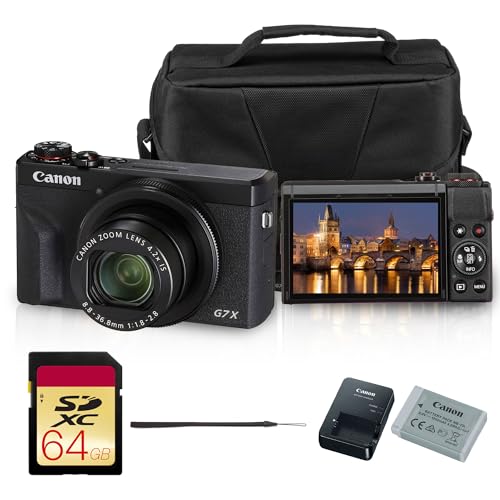

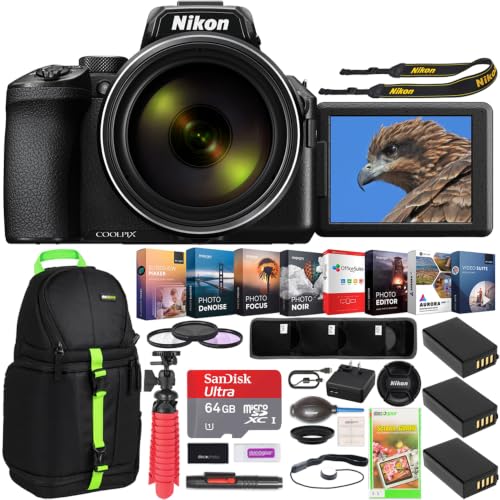
Who Should Buy Which Documentary Camera?
Your shooting pattern should decide the camera, because the right tool for a quiet portrait series is rarely right for fast public events. Think about light, distance and how much attention you can draw.
Street Photographers Who Need to Stay Unnoticed
You work close to strangers in public places, and a large camera changes how people act. Choose a compact body with a silent electronic shutter, a small prime lens and a tilting screen. Fast autofocus matters, but modest size matters more, because a camera that feels ordinary helps subjects relax.
Travel and Field Workers on Long Assignments
You may shoot for weeks far from a shop, in dust, rain and heat. Choose a weather sealed body, two memory card slots and charging over USB C. A midsize zoom covers most scenes without lens changes in dirty air. Weight still counts, because a kit you leave at camp records nothing.
Hybrid Shooters Who Record Interviews and Stills
You gather voices as well as pictures, and editors may ask for short clips beside your stills. Choose a body with clean 4K video, a microphone input, a headphone socket and image stabilization. If you mostly shoot stills, our broader guide to the best cameras for photography shows how general purpose models differ.
Key Features to Compare
When you compare the best cameras for documentary photography, judge each feature by the moment it saves or loses. The five factors below shape daily field work far more than megapixel counts.
Sensor Size and Image Quality in Low Light
Sensor size controls how much light the camera gathers and how clean files look indoors and at dusk. Full frame sensors usually give the cleanest results at high ISO settings, which suits night markets and dim homes. APS C sensors balance quality with smaller lenses, while 1 inch sensors fit pocketable bodies. About 20 to 30 megapixels already print large.
Autofocus and Silent Shooting for Candid Moments
Documentary scenes rarely pause while you focus. Look for autofocus that tracks faces and eyes across the frame and keeps working in low light, rated to about minus 4 EV or better on stronger bodies. A silent electronic shutter lets you shoot ceremonies and quiet rooms without a click that turns heads.
Lens Choice and Zoom Range for Documentary Stories
Your lens decides how close you must stand and how a scene feels. Many documentary photographers rely on a 35 mm or 28 mm prime lens, because those views include the setting around a subject. A standard zoom of about 24 to 70 mm adds flexibility for travel, and its optical zoom keeps quality steady across the range. Fast glass near f 1.8 to f 2.8 helps in poor light.
Video, Audio and Image Stabilization
Short clips now sit beside stills in many projects, so check video tools before you buy. Useful 4K video at 30 or 60 frames per second, a flat log profile and a microphone input cover most field needs. Image stabilization in the body or lens steadies handheld clips and slower shutter speeds. Clean audio matters as much as sharp footage, so plan for a small external microphone for interviews.
Battery Life, Storage and Weather Sealing
A documentary day can run from dawn to a night train, and missed power means missed pictures. Look for a rating of about 400 shots or more per charge and room for a spare battery. Two card slots let the camera write a backup copy as you shoot, protecting work you cannot stage again. Weather sealing guards against drizzle and dust, although no seal makes a camera safe to soak.
Camera Types Compared for Documentary Work
Three camera families cover nearly every documentary brief. Match the family to your subject, travel style and budget before comparing single models. Readers comparing near identical intent may also see our guide to the best documentary cameras, which approaches the same work from a filming first angle.
Mirrorless Cameras With Interchangeable Lenses
This family offers the widest choice of sensors and lenses, strong autofocus and good video in one body. It suits long projects where you build a kit over time, starting with one zoom and adding a fast prime later. The cost is size and price, because each added lens adds weight.
Fixed Lens Compacts for Quiet Daily Carrying
A fixed lens compact trades flexibility for calm. It fits a coat pocket, starts quickly and rarely alarms a subject, which makes it ideal for daily life projects in your own town. You frame with your feet instead of a zoom ring. A damaged lens, though, ends the whole camera rather than one part.
Film and DSLR Bodies for Slow, Deliberate Projects
Some photographers still choose film or an older DSLR for a deliberate pace and a distinct look. Film slows each frame and adds lab costs, yet it can suit a personal project with no deadline. If that route appeals, see our guide to the best film photography cameras for formats and upkeep. Most new development now sits with mirrorless systems.
Final Checks Before Buying a Camera for Field Stories
Run through these questions with an honest yes or no before you pay. A camera that fails two or more lines will likely frustrate you in the field.
- Can you hold the body and reach every main dial with one hand?
- Does the lens range cover your usual working distance without cropping?
- Will the battery last your longest shooting day, with one spare?
- Does the body offer two card slots if the work cannot be repeated?
- Can you charge the camera from a power bank while travelling?
- Is the full kit light enough to carry for six hours?
- Do the video and audio ports match the clips you plan to deliver?
Watch for red flags while you shop. Vague claims about digital zoom, missing lens mount details, very short warranty cover and unusually low prices all deserve caution.
Common Mistakes to Avoid
Most poor purchases come from chasing specs that the work never uses.
- Buying the largest sensor but only one slow zoom leaves you stuck in dim rooms where fast glass would shine.
- Choosing a big, loud camera for candid street work makes subjects pose or turn away, so natural moments vanish.
- Ignoring audio ports on a hybrid project forces you to record interviews on a phone with thin sound.
- Carrying a single memory card on an unrepeatable assignment risks losing the whole story to one card failure.
- Skipping weather sealing for outdoor field work lets one rain shower end a camera you still need.
- Judging a camera only by sample portraits hides weak autofocus that will miss fast, unposed action.
Care and Maintenance for Documentary Cameras
Field gear lasts longer with small daily habits. Wipe the lens with a clean microfiber cloth, never your shirt, because grit in fabric can scratch coatings. Blow dust off the sensor area only with the mount facing down.
Carry a spare battery and rotate your cards, formatting them in the camera after each safe backup at home. Store the body in a dry, padded bag, and dry a damp camera slowly at room temperature. Check strap lugs each month, because a loose strap causes more field damage than rain.
FAQ
What features matter most in cameras for documentary photography?
Fast, reliable autofocus and a quiet shutter matter most, because documentary moments rarely repeat. After those, rank a lens that suits your working distance and a battery that lasts your full day. One point buyers often miss is menu speed, since a camera that buries key settings slows you down. For a first body, our guide to the best beginning photography cameras covers simpler controls.
Which sensor size is better for documentary photography in low light?
A full frame sensor is usually better in low light, giving cleaner files at the high ISO settings that indoor stories demand. Still, lens speed can close much of the gap, because an APS C body with an f 1.8 prime gathers more light than a full frame body with a slow zoom.
Is a smartphone enough for documentary photography projects?
A smartphone is enough for learning composition and for web only stories, and its small size can win access where cameras draw questions. Its limits appear in dark rooms, at longer distances and when you need large prints. Many photographers start a project on a phone, then buy a dedicated camera once they see which scenes the phone keeps failing to capture well.
How much should a first documentary camera cost?
A sensible first documentary kit usually costs about $500 to $1,200, including one useful lens. Below that range, used bodies can still work well if the shutter count is modest and the sensor is clean. Spend the larger share on the lens, because you will keep good glass through your next upgrade while bodies age faster.
Do documentary photographers need 4K video in a documentary camera?
No, documentary photographers who deliver only stills do not need 4K video at all. It earns its place when editors request clips or when you record interviews for reference. One quiet benefit is frame grabbing, since a short 4K clip can supply a usable still from a fast moment. If your brief is print only, put that money toward a faster lens instead.
The Bottom Line
Choose by subject first. Street work rewards a small, silent body, field assignments reward sealing and battery life, and hybrid projects reward strong video and audio. Let sensor size and lens speed follow those needs.
When you judge the best cameras for documentary photography with this checklist, the right family becomes clear quickly. Compare your shortlist in the product table above, and pick the camera you will happily carry daily.


