
Best Cameras for Documentary Filmmaking: What Actually Matters Before You Buy in 2026
Disclosure: We may earn a commission when you buy through links on this page, at no extra cost to you. As an Amazon Associate I earn from qualifying purchases. Learn more

Documentary work needs stamina, sound, low light ability, and tough builds. This guide explains how to judge cameras for long days, real locations, and footage.
Documentary shoots rarely follow a script, so a camera must cope with long days, changing light, and subjects who will not repeat a moment. Choosing best cameras for documentary filmmaking means weighing stamina and sound as carefully as image quality. The comparison table below sets out the main tradeoffs so you can compare bodies on the factors that matter in the field.
This guide focuses on practical field needs: how a camera handles interviews, how it survives weather and travel, and how its files fit a long editing process. Use it to match a body to the stories you film, not to the most impressive spec sheet.

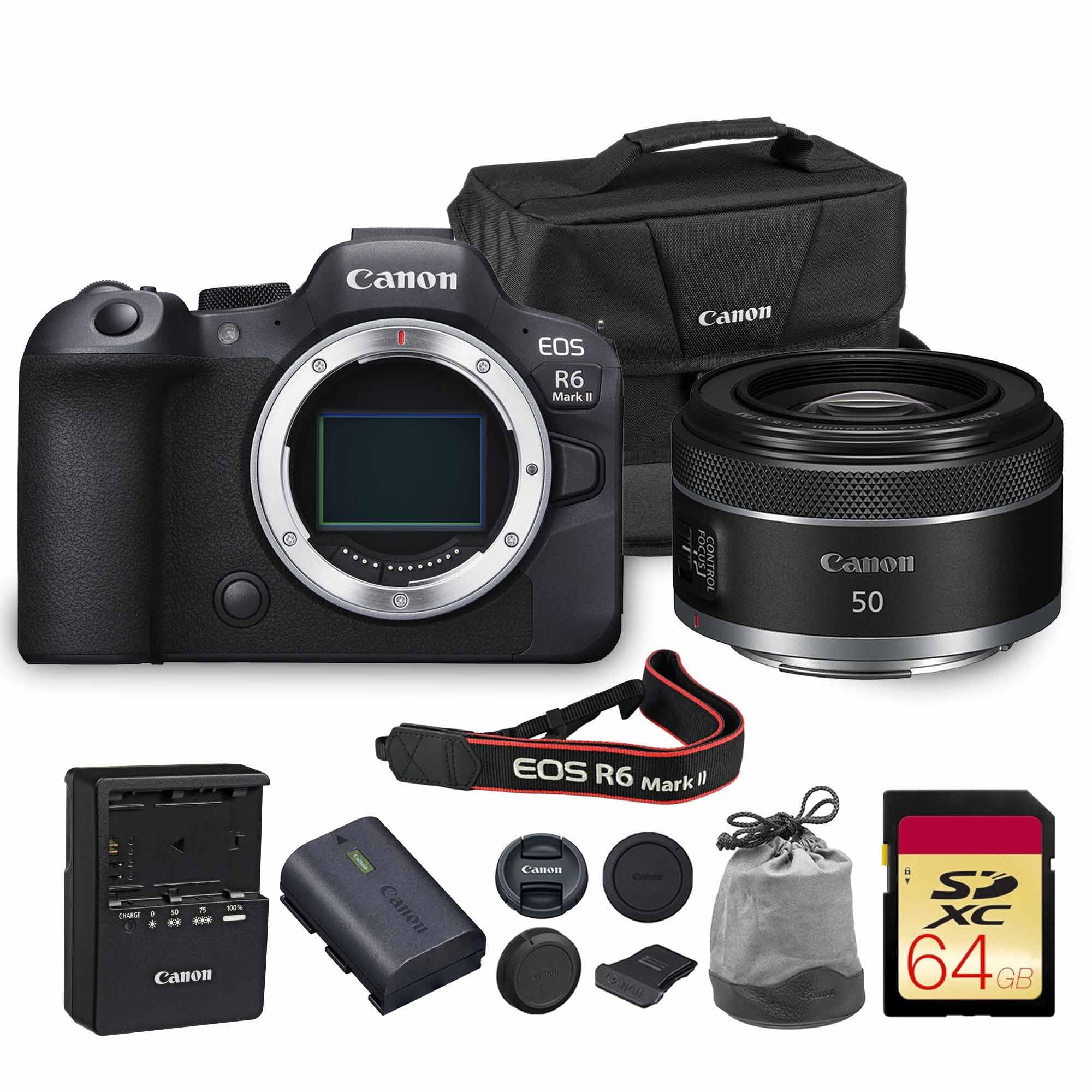


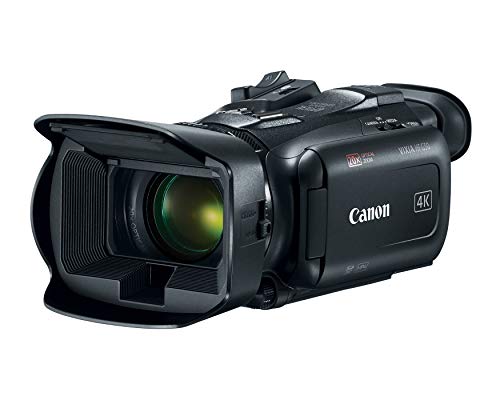

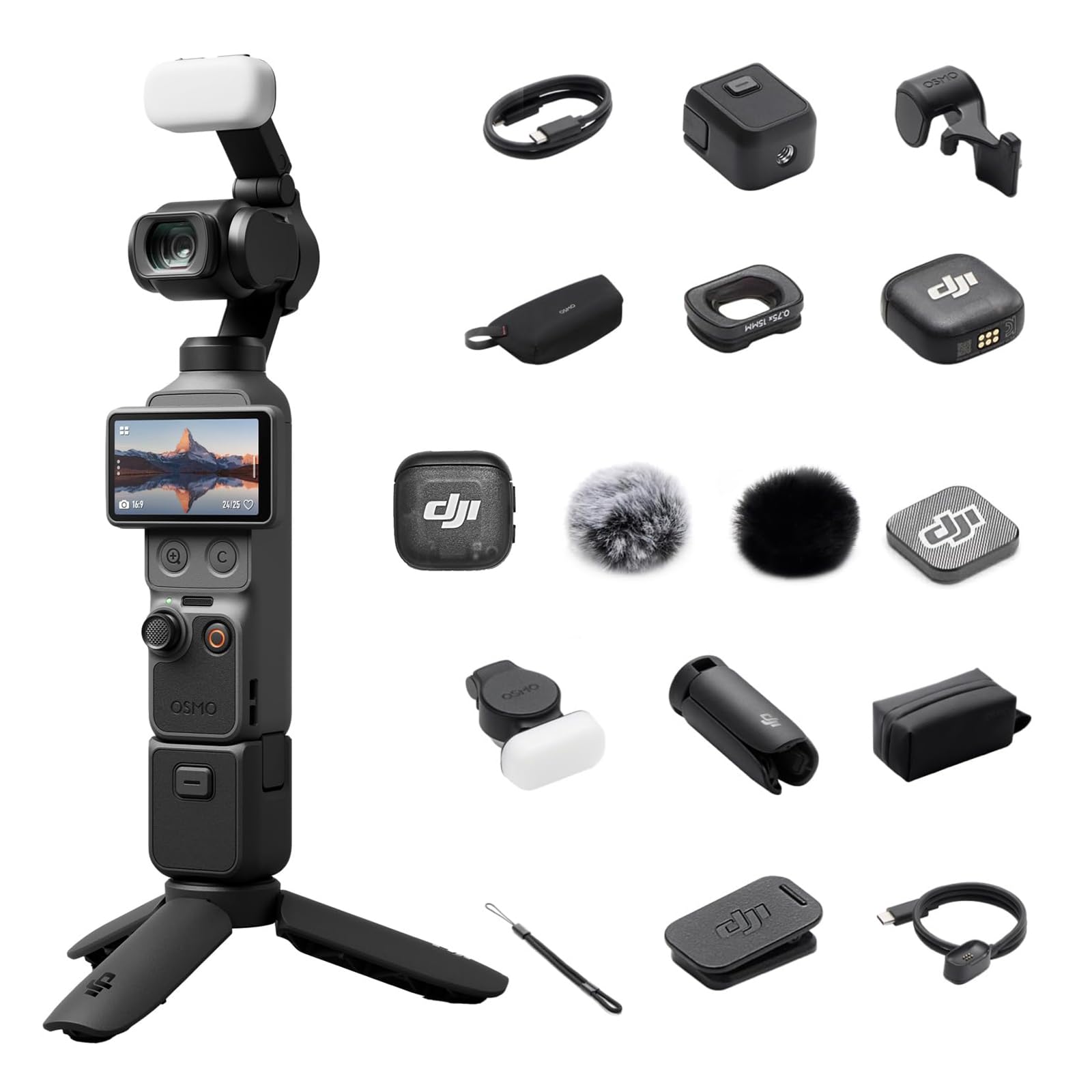
Who Should Buy Which Documentary Camera?
Solo Filmmakers Working in the Field
If you film alone, you need a camera you can operate while also listening, watching, and talking to people. Reliable autofocus, clear audio monitoring, and controls you can reach without looking away all help. A lighter kit also matters, since you may carry it for hours and set it up quickly when a scene unfolds.
Small Crews Filming Interviews and Events
If you work with one or two helpers, you can split roles and use a larger body with more inputs and monitoring options. Two audio channels help when an interviewer and a subject speak, and a strong tripod head keeps pans smooth. In this setup, file consistency across cameras matters, since mixed footage can slow editing.
Filmmakers in Harsh or Remote Locations
If you film in rain, dust, heat, or cold, sealing, battery life, and simple controls matter more than small gains in resolution. A body that keeps working when conditions turn bad protects irreplaceable footage. Carry spare batteries and cards, and choose a kit you can service or replace without a long wait.
Key Features to Compare
Sensor Size and Image Quality
Sensor size shapes low light results, depth of field, and how much you can crop in editing. Larger sensors often give cleaner images in dim interiors and at dusk, which are common in documentary work. Megapixels matter less than usable dynamic range, since real locations mix bright windows with dark corners. Judge image quality on ungraded footage in varied light, not only on bright outdoor samples.
Video Quality and Recording Stamina
Check resolution and frame rate together with recording limits and heat behavior. Long interviews and events need takes that run without unexpected stops, so a body that overheats quickly can cost you key moments. Also confirm the codec and file size, since heavy files fill cards fast and slow editing on a modest computer. A steady, reliable recording path beats a headline resolution you rarely use.
Audio Inputs and Monitoring
Documentary sound carries story, so audio inputs deserve close attention. Two mic inputs, manual levels, and a headphone jack let you catch problems while you still can fix them. A lapel mic suits interviews, while a shotgun mic suits scenes where you cannot get close. If you film people in sensitive settings, follow local recording and consent rules and tell subjects when you are recording.
Low Light Performance
Low light ability decides whether evening scenes, dim rooms, and night streets stay usable. Look at usable ISO range and noise character rather than the maximum figure alone, since extreme settings often look rough. A fast lens can help a smaller sensor, and a small portable light can save a scene without changing its feel. Test low light footage on the screen size where your audience will watch it.
For a wider stills focused comparison, see our guide to the best digital cameras.
Size, Weight, and Ergonomics
A camera that tires you out will change how you film, since you may shoot less or frame more cautiously late in the day. Balance body weight against lens weight, and check grip, button placement, and screen visibility in bright sun. A flip or tilt screen helps low angle and high angle shots, while a clear viewfinder helps in glare. Try the full kit, not just the body, before you commit.
Durability and Weather Sealing
Sealing, build quality, and simple maintenance protect footage in rain, dust, and humidity. Sealed bodies still need care, since seals wear and ports need covers kept in place. A rain cover and a dry bag add cheap insurance on wet days, and a padded case guards against knocks in transit. If you film near water or in dusty workplaces, confirm the sealing level in plain terms rather than trusting a vague rugged claim.
For a related take on story led shooting, see our guide to the best documentary cameras.
Spending Levels That Make Sense
A Field Ready Start on a Modest Budget
At a lower spend, about $500 to $1,000, expect solid video, usable audio inputs, and a kit you can carry all day. You may give up advanced low light ability and pro codecs, but you can still film strong interviews and scenes. Put spare funds into sound, batteries, and storage, since those items protect every shoot.
A Middle Step for Serious Projects
In the middle range, about $1,000 to $2,500, you gain better sensors, stronger sealing, and more audio and monitoring options. This level suits filmmakers who shoot often and need consistent results across locations. It also supports longer edits, since files and color tools give you more room to shape the final film.
A Higher Spend for Demanding Productions
Above about $2,500, you pay for larger sensors, advanced video formats, and bodies built for daily professional use. This level fits long productions, difficult light, and crews that need matched cameras and pro audio paths. Before stepping up, confirm that storage, backup, and editing power can handle the larger files, since a weak post workflow can erase the benefit. For budget conscious film work, see our guide to the best affordable cameras for filmmaking.
Quick Buyer Checklist
- Can the camera record your longest interview without stopping?
- Can you monitor audio through headphones while filming?
- Does low light footage stay usable at your usual viewing size?
- Is the full kit light enough for a full day in the field?
- Do the files work with your editing software and backup routine?
- Can you swap batteries and cards quickly without tools?
- Is the sealing level clear for the weather you film in?
- Is there a clear warranty and repair path if a fault appears?
Red Flags to Watch For
- Recording limits or heat warnings hidden in fine print.
- Audio specs that list no mic input or no headphone monitoring.
- Low light claims shown only in heavily graded sample footage.
- A warranty that is very short or hard to claim where you film.
- Essential items such as batteries, chargers, or lens adapters sold separately at high cost.
Best Cameras for Specific Needs
Best Video Cameras for Documentary Filmmaking: What to Check
Video led documentary work puts recording stamina, audio control, and stabilization first. Look for clean mic inputs, manual audio levels, and a body that holds focus on moving subjects without hunting. A flip screen helps solo interviews, while a solid mount point suits tripods and rigs. If you film mostly video, judge the camera on long takes in real light rather than on still photo specs.
For a video focused comparison, see our guide to the best video cameras for filmmaking.
How to Make Your Camera Last Longer
Clean the lens with a soft lens cloth, not your shirt, and keep the body in a dry, padded bag between shoots. Carry a spare battery and a spare card, and store cards in a case so footage is easy to track. Check seals, mounts, and port covers now and then, and update firmware only when you have time to test the camera afterward. Back up footage at the end of each shoot day, since a lost card can mean a lost story.
Cameras: Your Questions Answered
What features matter most in cameras for documentary filmmaking?
The features that matter most are recording stamina, audio control, low light ability, and durability. Long takes need a body that will not stop early, and interviews need clear sound you can monitor live. Low light ability keeps evening and interior scenes usable, while sealing protects the kit in bad weather. Rank these four against your usual locations, then let other specs follow.
Which camera type is better for low light?
Larger sensors usually give cleaner low light results, but lens speed and noise handling matter too. A fast lens gathers more light and can help a smaller sensor in a dim room. Check usable ISO range and look at ungraded night footage rather than maximum figures. Adding a small portable light often improves a scene more than switching to a larger body.
Is a smartphone enough instead of a dedicated camera?
A smartphone can work for short scenes and quick interviews, especially in good light with a separate mic. A dedicated camera pulls ahead for long takes, low light, optical zoom, and pro audio monitoring. It also handles heat better during extended recording and gives more control over focus and exposure. Use a phone for fast, light coverage and a dedicated camera when a story needs longer, more controlled filming.
How much should I spend on my first documentary camera?
A first documentary budget of about $500 to $1,000 covers most new filmmakers, especially if you also need a mic, batteries, and storage. Spending more makes sense once a specific limit costs you footage, such as short recording times or weak low light results. Avoid a pro body before you know your shooting style, since its extra formats may never get used. Upgrade when a clear field limit holds your work back.
What specs matter most for beginners?
Beginners should weigh recording limits, audio inputs, battery life, and ease of use above advanced codecs. Simple menus and reliable autofocus let you focus on people and story while you learn. A flip screen helps solo interviews, and a common card type keeps backup simple. Advanced color profiles and high bit rates can wait until your editing skills and storage can handle them.
Wrapping Up
The right documentary camera keeps recording when a story runs long, captures sound you can trust, and survives the locations where real life happens. Compare stamina, audio, low light, and build first, and let the product table above guide the final choice. With those priorities clear, best cameras for documentary filmmaking becomes a field ready decision rather than a spec contest.


