
Best Cameras for Disney World: Budget, Midrange, and Premium Picks for 2026
Disclosure: We may earn a commission when you buy through links on this page, at no extra cost to you. As an Amazon Associate I earn from qualifying purchases. Learn more

Pick the best cameras for disney world by sensor size, zoom range, autofocus and how easily you can carry them all day.
Cameras that suit a Disney World trip span a wide price range, from simple compacts to advanced models with interchangeable lenses. Choosing the best cameras for disney world is less about chasing the highest specs and more about matching a camera to long park days, fast moving kids, dark ride interiors, and bright Florida sun. This guide explains what each price tier delivers, which features change your photos the most, and where extra spending stops improving a family vacation album.
As you read, use the comparison table below to see how the main camera types line up on size, zoom, and video features. A camera you are happy to carry from rope drop to the fireworks will produce better memories than a heavier model that stays in the hotel room.

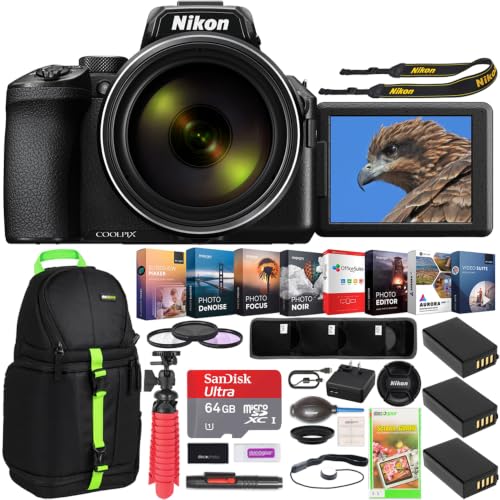


Who Should Buy Which Camera for a Disney World Trip?
Families Who Want Simple Point and Shoot Photos
If your goal is sharp, bright photos of your group in front of the castle without learning menus, a point and shoot compact is the natural fit. These cameras turn on fast, focus on faces automatically, and fit in a pocket, so they are ready when a character appears with little warning. Look for a zoom lens, a bright screen you can see in sunlight, and a fully automatic mode. Families comparing camera types more broadly can also see our guide to the best digital cameras before narrowing the list to compact park friendly models.
Parents Filming Parades, Shows, and Ride Moments
Parents who care most about video should shop differently from stills focused buyers. You need smooth 4K video, reliable autofocus that tracks a child walking toward you, and image stabilization that smooths handheld footage shot in a crowd. A flip screen helps you frame family vlog style clips, and a microphone input matters if you plan to record narration. Budget for at least one spare battery from the start, because video drains a battery far faster than photos do.
Photo Enthusiasts Who Want More Creative Control
If you already enjoy photography and want to shoot the parks after dark, an interchangeable lens camera gives you control that compacts cannot match. Larger sensors, manual settings, and fast prime lenses let you capture fireworks and glowing signs with far less noise. The tradeoff is weight, cost, and swapping lenses as scenes change. Readers who shoot many subjects beyond travel can see our guide to the best cameras for photography for a wider view of what advanced bodies offer.
What Your Money Gets You at Each Price Tier
Each step up in price mainly buys a larger sensor, a better lens, faster autofocus, or stronger video features. The best cameras for disney world trips usually sit in the middle tier, where image quality jumps noticeably without the bulk and cost of professional gear.
Budget Tier: What to Expect
Budget cameras run from around $150 up to about $350, and most are point and shoot compacts with small sensors and generous zoom ranges. In daylight they produce pleasing, shareable photos, and their simplicity suits grandparents and kids. The tradeoffs appear after sunset, when small sensors struggle with noise, and in video, where stabilization and autofocus are basic. Choose this tier if the camera is a backup to your phone, or if a child will be the main photographer.
Midrange Tier: The Sweet Spot for Most Park Days
Midrange models run from around $400 up to about $900, and this is where most families should focus. This tier brings one inch sensors or entry level interchangeable lens bodies, much better low light results, dependable eye autofocus, and 4K video that looks clean on a TV at home. You give up some pocketability compared with budget compacts, but the jump in image quality is the largest of any step up, and these cameras stay useful for birthdays and school events long after the trip.
Premium Tier: When Spending More Pays Off
Premium cameras, often about $1,000 and up before lenses, add full frame or advanced APS C sensors, faster continuous shooting, superior weather sealing, and professional video tools. They earn their price for enthusiasts who will shoot the parks at night or print large photos. For a once a year vacation, though, the gains are subtle in daylight and the extra weight is real. Spend at this level only when you know which limitation of a midrange camera you are paying to remove.
Key Features to Compare
Sensor Size and Image Quality
Sensor size is the single biggest driver of image quality, especially indoors and after dark. A one inch sensor, common in better compacts, gathers far more light than the tiny sensors in budget models, so photos from dark rides and evening shows stay cleaner. APS C and full frame sensors go further still, holding detail in shadows and letting backgrounds blur softly for portraits. Megapixels matter less, because a modest pixel count on a large sensor usually beats a huge count on a small one.
Optical Zoom and Lens Range
Optical zoom uses real glass to magnify a scene, so detail stays intact, while digital zoom simply crops the image and softens it. A range equal to about 24 to 200 mm in full frame terms covers wide castle shots, family groups, and performers on a distant stage. Parades often keep you behind a rope, so reach matters, but very long zooms usually come on smaller sensors with weaker low light results. A wide starting point matters just as much, because ride queues leave little room to step backward.
Autofocus and Image Stabilization
Fast, confident autofocus decides whether you capture the moment or a blurry near miss. Eye autofocus, now common in midrange and premium models, locks onto a face and holds it as your child moves, which is ideal for character meetings. Image stabilization, whether in the lens or the body, steadies handheld photos at slower shutter speeds and smooths walking video. Together these features rescue more real vacation photos than any resolution figure, because most park shooting happens handheld, in crowds, with subjects who will not stand still.
Size, Weight, Battery Life, and Weather Sealing
A Disney World day can mean ten hours on your feet, so every ounce around your neck counts by the afternoon. Compact cameras win on comfort, while larger bodies demand a good strap and a plan for rides where bags must be stowed. Battery ratings deserve attention too, since screens and video drain power quickly. Weather sealing is worth having because Florida rain arrives fast and water rides soak gear, although sealed bodies still need a dry bag for downpours. Comfort planning extends beyond the camera, so many visitors also check the best shoes for disney world before committing to long days on pavement.
Cameras for Specific Disney World Needs
Best Video Cameras for Disney World Shooting Days
The best video cameras for disney world use combine strong stabilization, face tracking autofocus, and a screen you can tilt for family clips. Look for 4K recording and a zoom that stays smooth while filming on crowded paths. Action cameras suit ride footage and pool time because they are tiny and waterproof, while larger models give cleaner audio in dim theaters. Whichever style you choose, test the record button layout at home so starting a clip at a parade feels automatic.
Cameras for Night Parades and Fireworks
Evening events reward cameras with fast lenses and larger sensors, because fireworks and glowing parade floats mix bright highlights with deep shadow. A lens opening of f/2.8 or wider, paired with stabilization, keeps shutter speeds reasonable without pushing sensitivity so high that noise takes over. A tripod is rarely practical in a crowd, so plan to shoot handheld, brace on a railing where allowed, and use burst mode during the brightest moments.
Long Term Costs to Factor In
The camera body is only part of the bill. Budget for fast memory cards, a spare battery, a protective case, a comfortable strap, and, for interchangeable lens models, a basic zoom lens if the kit lacks one. Damage coverage can make sense for a camera traveling in a backpack with drinks and sunscreen, though it adds to the total. Buying a slightly older midrange model and spending the savings on accessories often serves a family better than stretching for the newest body alone. Wet weather planning is part of the same picture, since rides and summer storms may also send you toward the best sandals for disney world on days when soaked shoes never quite dry.
Common Mistakes to Avoid
- Buying the biggest zoom and ignoring sensor size, so distant shots look fine at noon but fall apart during evening shows.
- Choosing a heavy camera and lens kit you stop carrying by day three, leaving your phone to do all the work anyway.
- Skipping spare batteries and memory cards, so the camera dies or fills up right before the fireworks.
- Trusting digital zoom figures on the box, then discovering that parade photos look soft and cropped when viewed at home.
- Learning a new camera on the first park morning instead of practicing at home, so basic settings slow you down in every queue.
- Carrying no rain protection at all, so one afternoon storm or water ride ends the shooting day early.
How to Care for Your Camera During and After the Trip
Park cameras live hard lives, so a few habits keep yours working well. Wipe the lens with a microfiber cloth whenever sunscreen or fingerprints cloud it, and keep the camera in a padded case so it never rattles against water bottles or keys. When moving from air conditioned shops into humid outdoor air, let the camera rest in its bag for a few minutes so condensation fades before you shoot. After the trip, charge batteries partway for storage and copy photos to two places.
Frequently Asked Questions
What features matter most in a camera for Disney World?
Fast autofocus, image stabilization, and a sensor large enough for dim interiors matter most in a Disney World camera. Together they handle moving kids, dark rides, and evening shows, the hardest parts of a park day. One extra point to weigh is startup speed, because character meetings appear quickly, and a camera that wakes and focuses in about a second catches moments a slow camera misses.
Is a smartphone enough instead of a dedicated camera at Disney World?
A current smartphone is enough for many families, especially for daylight snapshots and quick clips shared straight from the park. A dedicated camera pulls ahead when you want real optical zoom for stage shows, cleaner photos after dark, or battery life that does not compete with maps and ride bookings. One point phones cannot match is handling, since physical controls and a proper grip make hundreds of shots across a long day less tiring.
Which camera sensor size is better for low light photos at Disney World?
A larger sensor is better for low light photos, because each pixel gathers more light and produces less grain in dark scenes. A one inch sensor is the practical minimum for clean ride and restaurant photos, while APS C and full frame sensors do better still. Lens speed counts alongside size, so a one inch compact with a bright f/1.8 lens can rival a larger sensor paired with a slow kit zoom during evening events.
What camera specs matter most for beginners visiting Disney World?
The specs that matter most for beginners are a helpful automatic mode, eye autofocus, a zoom range starting wide at about 24 mm, and a screen that tilts for group selfies. Beginners should also value a simple menu system and in camera guides that explain settings in plain language. Skip long spec sheets about frame rates and codecs, while an easy transfer app for sharing photos to your phone gets used every evening.
How much optical zoom does a Disney World camera need for parades and shows?
Most visitors find a zoom reaching about 200 mm in full frame terms plenty for parades and stage shows. That reach fills the frame with performers from behind a rope line while still covering wide group shots at the short end. Standing position matters as much as reach, so arriving a little early for a spot near the front often improves photos more than paying for a longer lens you will rarely use at home.
Are action cameras a good choice for rides at Disney World?
Action cameras are a good choice for rides because they are small, rugged, and waterproof, with very wide lenses that suit tight ride vehicles. Their stabilization keeps bumpy footage watchable, and chest or wrist mounts keep your hands free. Check the rules for each ride before you go, since some attractions restrict loose items and mounts, and always secure the camera with a tether.
Final Thoughts
The right choice comes down to three things: a sensor large enough for the parks after dark, autofocus and stabilization that keep up with your family, and a size you will happily carry all day. Match those to your budget tier, use the product table above to compare the finalists side by side, and the best cameras for disney world for your trip will be the one still on your shoulder when the fireworks start.


