
Best Cameras for Digiscoping 2026: Every Type Explained Side by Side
Disclosure: We may earn a commission when you buy through links on this page, at no extra cost to you. As an Amazon Associate I earn from qualifying purchases. Learn more

Compare camera types for digiscoping by sensor, lens fit, autofocus and stabilization, so you can match a camera to your scope, light and budget.
Digiscoping asks a camera to do an unusual job. It must record the image formed by a spotting scope eyepiece, stay aligned for minutes at a time, and focus fast when a bird shifts on a branch. Choosing among the best cameras for digiscoping feels confusing because normal camera advice about optical zoom alone does not predict how a model behaves behind a scope.
This guide compares camera types by the factors that decide results in the field, including lens fit, vignetting, sensor size, autofocus, and balance on the scope. Use the comparison table below to shortlist a type, then work through the fit and feature checks before you spend anything.
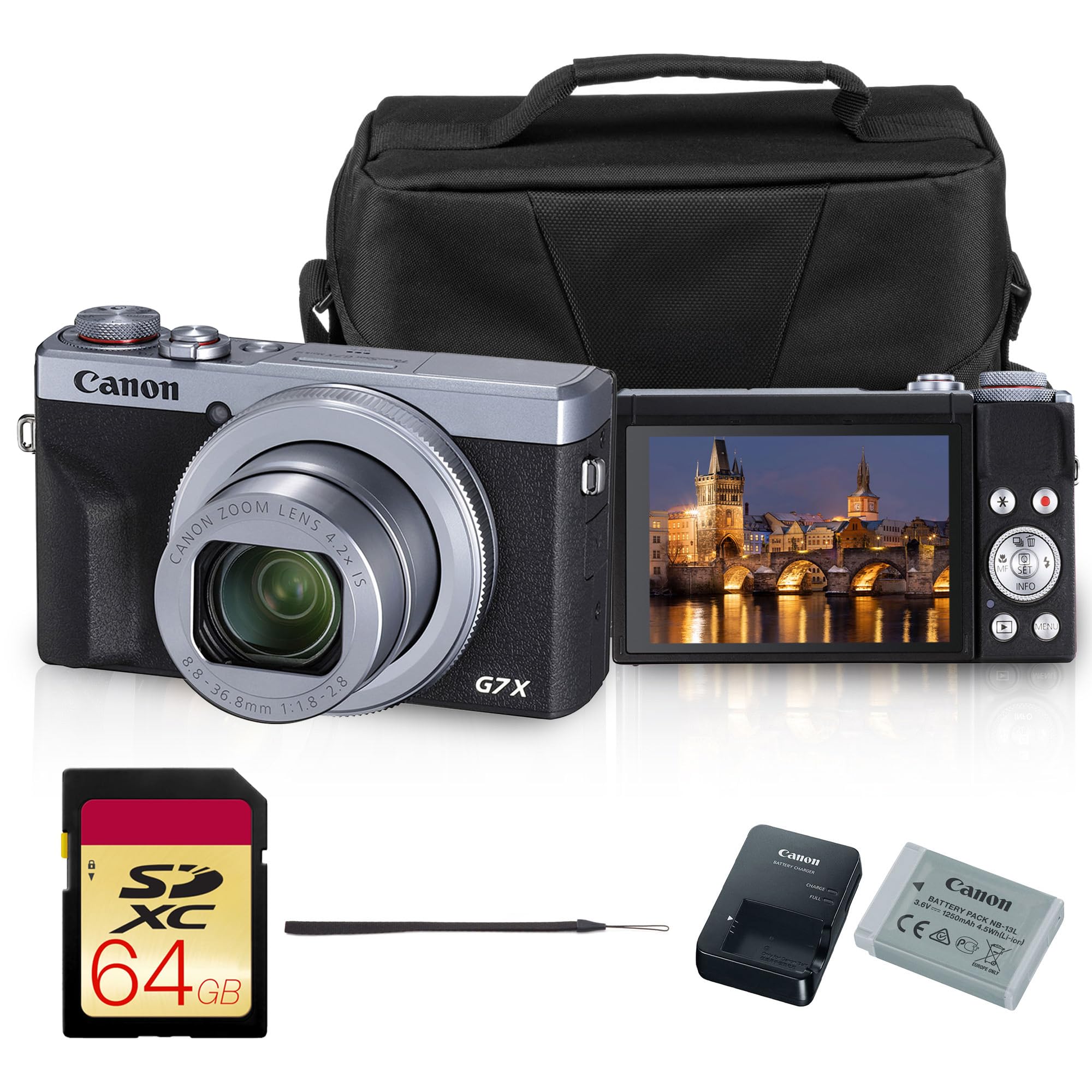



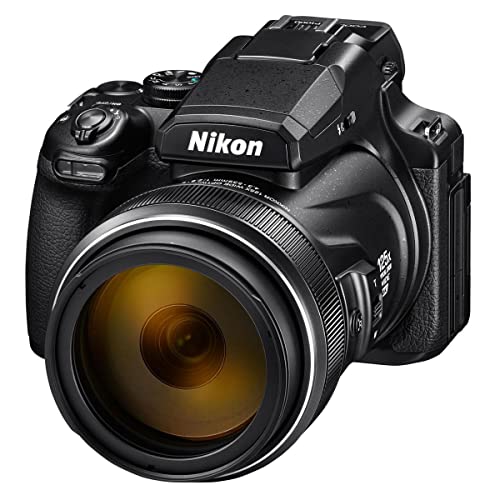


Types of Cameras for Digiscoping Compared
Three setups cover almost every digiscoping need. They differ less in headline megapixels than in how the lens meets the eyepiece, how much weight the scope must carry, and how much control you get over focus and exposure in changing light.
Point and Shoot Compacts for Digiscoping
A compact with a small lens barrel is the classic digiscoping choice because the front element can sit close to the eyepiece inside a simple adapter. That close position keeps the dark ring called vignetting small, and a modest zoom lets you frame the full circle of the scope image. Weight stays low, so the scope balances well on a tripod. The trade off is a smaller sensor, which shows more noise at dawn and dusk. Choose this type if you want the simplest alignment and a light field kit.
Mirrorless Cameras for Digiscoping
A mirrorless camera couples to a scope through a photo adapter or through a short prime lens held at the eyepiece. The larger sensor gives cleaner files in low light, stronger detail when you crop, and fuller manual control. The cost is weight, a fussier alignment, and a rig that can sag if the adapter or tripod head is weak. This type suits patient users who print large, shoot in poor light, or already own a mirrorless body.
Smartphones for Digiscoping
A phone in a clamp adapter is the easiest way to start, since you already own the camera and the big bright screen makes framing simple. Phones focus quickly, share images at once, and record good video in fair light. Limits appear when light drops, when the phone chooses the wrong lens module at the eyepiece, or when a case shifts the clamp. Choose a phone for casual records and learning.
Point and Shoot Compacts vs Mirrorless Cameras for Digiscoping
Compacts win on alignment, weight, and price, with many complete setups costing about $300 to $700 before the adapter. Mirrorless bodies win on sensor size, low light quality, and control, but the body, lens, and adapter often total about $800 to $2,000. Autofocus tells a similar story. Compact lenses focus through a small range and settle quickly at the eyepiece, while mirrorless focus can hunt when the scope image is dim. If portability and simple framing matter most, pick a compact. If file quality matters most and you accept a heavier rig, pick mirrorless. For broader background before you narrow down, see our guide to the best digital cameras.
Key Features to Compare for Digiscoping
Judge every camera against your scope first. The best cameras for digiscoping align cleanly with your eyepiece, while a poor fit frustrates no matter how strong the other specifications look.
Lens Fit, Eyepiece Match, and Vignetting
Fit decides whether digiscoping works at all. The camera lens should sit close to the eyepiece glass without touching it, and its front barrel should be narrow enough for common adapters, often about 40 to 60 mm across the mounting area. A lens that extends far while zooming can strike the eyepiece or push the adapter out of line. Some vignetting at the widest setting is normal, and a small amount of zoom usually clears the dark corners. Test fit with your own scope whenever possible, because eyepiece diameter and eye relief vary a lot between scope models.
Sensor Size and Image Quality for Digiscoping
Sensor size shapes how clean your files look when light fades. Small compact sensors, including 1 inch designs at the larger end, keep the rig light but lose detail as sensitivity rises. APS C and full frame sensors gather more light and hold feather detail better at dawn, yet they add weight and cost. Megapixels matter less than this trade off, since the scope, the air, and camera shake limit sharpness before pixel count does. Match the sensor to your light. Bright wetland mornings suit a compact, while woodland shade rewards a larger sensor.
Autofocus, Burst Speed, and Shutter Control
Birds rarely hold still, so autofocus that locks on a low contrast scope image is worth more than a long list of focus points. Look for a sensitive center focus area, a burst mode of about 5 to 10 frames per second for brief action, and a way to fire the shutter without touching the camera. A remote release, a phone app, or a short self timer prevents the shake that ruins high magnification shots. An electronic shutter also helps, since it removes the small jolt that a mechanical shutter can add at long effective focal lengths.
Image Stabilization and Support at High Magnification
A scope multiplies every tremor, so stabilization matters, but it cannot rescue a weak support. In body or in lens stabilization steadies the view and helps autofocus, yet the bigger gains come from a firm tripod, a balanced adapter, and shielding the rig from wind. Judge a camera partly by how rigidly it mounts. A light body that sits square on the adapter often beats a heavy body that flexes its mount.
Screen, Controls, and Video for Digiscoping Sessions
You compose on the rear screen, so brightness in full sun and a tilting design matter more than touch features. A screen you can angle upward lets you stand in a natural position during long waits. For video, 4K recording captures fine movement, but steady focus and a wind resistant microphone matter more for clips of calling birds. Simple menus and quick app transfer help new users, a point covered well in our guide to the best starter cameras. Complex menus slow you down when a subject appears for only a few seconds.
Common Mistakes to Avoid When Choosing a Digiscoping Camera
- Buying a camera with a wide fixed lens that cannot align with the eyepiece, so every frame shows a small circle surrounded by black.
- Choosing on megapixels alone, so you pay for resolution that haze, heat shimmer, and shake will erase at long range.
- Mounting a heavy body on a light adapter, so the rig slowly sags and focus drifts during a session.
- Pressing the shutter by hand at high magnification, so each touch blurs the feather detail you waited to capture.
- Ignoring battery drain from a bright screen, so the camera dies during the best light of the morning.
- Testing only at midday, so you miss the noise and slow focus that appear in the low light when many birds are active.
Care and Maintenance for Digiscoping Cameras
Clean the camera lens and the scope eyepiece with a soft lens cloth and a blower, never with a shirt that can drag grit across the glass. Check the adapter screws and clamp grip before each outing, since a slow slip can let the lens touch the eyepiece. Carry a spare battery and keep cards in a closed case away from dust. Store the camera in a dry padded bag with the adapter removed, so nothing presses on the lens barrel during travel. Readers comparing general handling habits can also see our guide to the best cameras for photography.
Frequently Asked Questions About Digiscoping Cameras
What features matter most in a camera for digiscoping?
Lens fit at the eyepiece matters most in a digiscoping camera. After fit, weigh autofocus that works on a dim scope image, a shutter you can fire without touch, and a screen you can read in sun. One practical extra is a custom setting memory, which lets you recall your scope exposure setup at once instead of rebuilding it each outing.
What camera specs matter most for digiscoping beginners?
Beginners should put simple alignment, light weight, and a clear auto mode first. A compact that couples to a basic adapter teaches framing and focus without a heavy rig or a long menu search. A useful beginner spec is a short minimum focus distance at the eyepiece setting, which widens the choice of adapters that will work with your scope.
Which camera type is better for digiscoping in low light?
A mirrorless camera with a larger sensor is better for digiscoping in low light. Its files stay cleaner as sensitivity rises, so dawn chorus sessions and shaded woodland perches keep more feather detail. The gain shrinks on bright open water, where a compact in good light can match it for screen sharing and casual prints.
Is a smartphone enough for digiscoping instead of a camera?
A smartphone is enough for digiscoping records, learning, and sharing sightings with friends. It falls short when you want clean enlargements, reliable focus in shade, or long sessions that drain the phone you also need for calls and maps. Many birders keep the phone setup as a light backup after buying a dedicated camera.
How much should I spend on a first camera for digiscoping?
Plan about $300 to $700 for a first digiscoping camera setup with a compact and adapter, not counting the scope you already own. Spending less often means a lens that fits poorly, while spending far more buys sensor quality you may not need yet. Keep part of the budget for a spare battery and a rigid adapter, since those small items protect every session.
The Bottom Line
Start with fit, then judge sensor size against the light you shoot in, and then check autofocus, shutter control, and rig weight. Compacts give the easiest start, mirrorless bodies give the cleanest files, and phones give the fastest route to your first records. Whichever type you choose, the best cameras for digiscoping are the ones that align cleanly with your scope and stay steady long enough for the bird to cooperate. Compare your shortlist against the product table above before you order.


