
Best Cameras for Dark Lighting 2026: What Your Money Really Gets You at Every Price
Disclosure: We may earn a commission when you buy through links on this page, at no extra cost to you. As an Amazon Associate I earn from qualifying purchases. Learn more

Compare cameras for dark lighting by budget, with sensor, lens, autofocus and stabilization guidance for clean photos in dim rooms and at night.
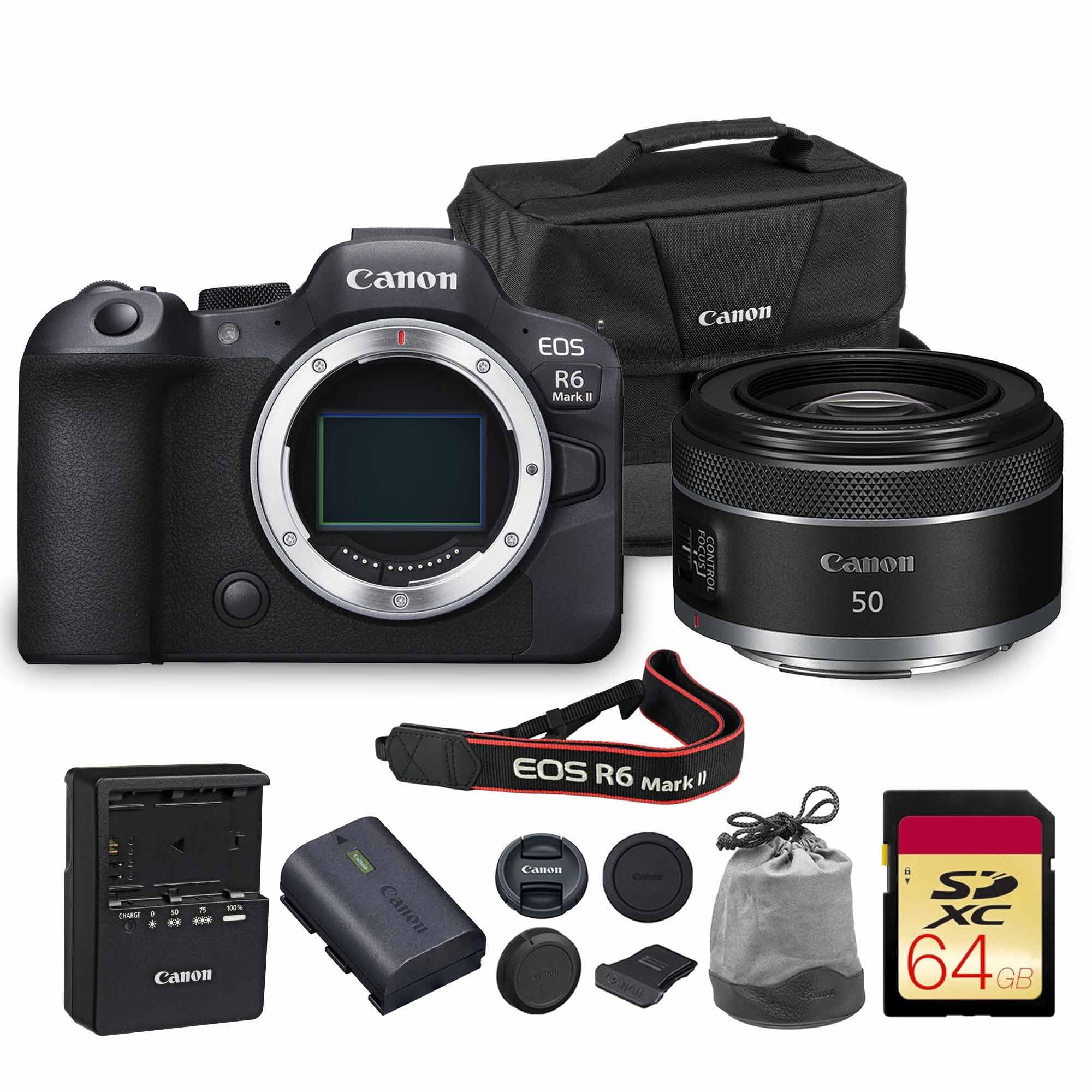
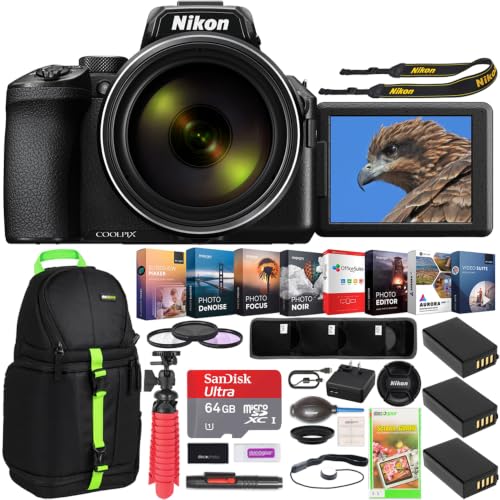
Prices for cameras that handle darkness well stretch from a few hundred dollars to several thousand, and the gap is not just about brand names. The best cameras for dark lighting earn their cost through larger sensors, brighter lenses, and focus systems that still work when a room is lit by candles or street lamps. The comparison table below shows current options side by side.
This guide follows the money in order. It explains which tier fits indoor family moments, night walks, and dim venue video, then compares the features that shape clean files in low light, plus the ownership costs that follow the body home.



Who Should Buy a Camera for Dark Scenes
Families and Event Guests Shooting Indoors Without Flash
You need a camera that finds faces fast in a living room, restaurant, or school hall where flash would flatten the mood. Prioritize reliable eye detection, a lens that opens wide, and simple controls. If you are new to interchangeable lenses, see our guide to the best starter cameras for a gentler starting point before you spend on brighter glass.
Night Street and Travel Photographers Who Walk After Sunset
Your camera comes out for neon signs, wet pavement, and blue hour skylines, so it must fit a coat pocket or small bag. Compact size matters, but only when the sensor still holds shadow detail and stabilization lets you handhold slower shutter speeds. A bright fixed lens often serves you better than a bulky kit left at the hotel.
Video Creators Filming in Dim Venues and at Night
You shoot speeches, music, and gatherings where adding lights is not an option, so clean 4K video at higher sensitivity settings is central. Look for focus that tracks a speaker without hunting, an angled screen, and a microphone input. Heat handling matters too, since a camera that stops mid event costs footage you cannot recreate.
What Your Money Gets You at Each Price Tier for Dark Lighting
Tiers overlap, but the pattern is steady. Extra money buys a larger sensor, brighter lenses, and focus systems that stay calm as light falls.
Budget Tier: About $300 to $700 for a Usable Start in Dim Rooms
At about $300 to $700 you will find point and shoot compacts with a 1 inch sensor and entry mirrorless bodies with a standard zoom. Expect usable results in lit rooms, with more grain once sensitivity climbs. The standard zoom is the main limit, since its aperture narrows as you zoom in.
Middle Tier: About $700 to $1,500 for Brighter Lenses and Calmer Files
Spending about $700 to $1,500 usually brings an APS C sensor, lenses that open to f/1.8 or f/2.8, and in body image stabilization on many models. Files hold together better at high sensitivity, and focus stays more confident on faces in mixed light. For most readers, the best cameras for dark lighting sit in this band, since one bright prime lens transforms night results without premium pricing.
Premium Tier: About $1,500 to $3,500 for Full Frame Reach in the Darkest Work
At about $1,500 to $3,500, full frame sensors gather more light per pixel and pair with the widest choice of bright lenses. You also gain deeper buffers, stronger weather sealing, and video tools for demanding work. The trade off is size, weight, and lens cost. Choose this tier when dark venues are your main subject, not an occasional challenge on holiday trips.
Key Features to Compare for Dark Lighting
Sensor Size and How Cleanly a Camera Handles High Sensitivity
Sensor size sets the ceiling for dark scene quality. A larger sensor collects more light at the same exposure, so images show smoother tones and less grain when sensitivity rises in a dim room. A 1 inch compact sensor beats a phone, APS C gives a clear step up, and full frame leads for the darkest work. Megapixel count matters less, because very small pixels can look noisier.
Lens Brightness and the Aperture You Actually Shoot With
The objective lens decides how much light reaches the sensor. A lens that opens to f/1.8 lets in far more light than a standard zoom at f/5.6, which means faster shutter speeds and lower sensitivity for the same scene. Check the aperture at the zoom position you use most, not only at the widest setting. Fixed focal length lenses are often the brightest value in a system.
Autofocus Sensitivity When Light Drops
Autofocus ratings are given in exposure values, and a system rated to focus in lower light keeps working at receptions and on night streets where others hunt. Eye detection helps for people, but hats, glasses, and side light can challenge it. Touch focus and a focus assist lamp also help in near darkness. If you shoot moving children or performers, weight this factor heavily.
Image Stabilization for Handheld Shots at Night
Image stabilization steadies the camera during slow shutter speeds, which is exactly how night scenes are often exposed. Lens based stabilization helps at longer focal lengths, while in body systems steady any attached lens, including bright primes. Either approach lets you keep sensitivity lower for static subjects such as buildings and posed groups. It cannot freeze a moving person, though.
Optical Zoom, Lens Choice, and 4K Video in Low Light
Optical zoom changes the lens optics to frame a subject, while digital zoom only crops and discards detail you need in the dark. Compacts with a long zoom usually pair it with a smaller sensor, so reach costs low light quality. Mirrorless cameras swap lenses for the scene instead. For video, check that 4K recording stays clean at your planned sensitivity.
Body Size, Controls, and Weather Sealing for Night Use
A camera you carry is the camera that captures the evening. Small mirrorless bodies and premium compacts suit travel, while larger grips feel steadier with long lenses. Dials you can find by touch matter once your eyes are on the scene, and a tilting screen helps with low angles. Weather sealing adds confidence in drizzle, but only when the lens is sealed too.
Long Term Costs to Factor In for a Dark Lighting Camera
The body is only the first purchase. Budget for one bright lens, a second battery, and fast memory cards for 4K video. A small tripod, a padded bag, and a cleaning kit add modest costs that protect bigger ones. Readers building a broader kit can compare priorities in our guide to the best cameras for photography.
Common Mistakes to Avoid When Buying a Camera for Dark Lighting
- Chasing the highest megapixel count means you can end up with noisy files in the dim rooms you bought the camera for.
- Judging a zoom lens by its widest aperture means indoor shots at full zoom come out darker and grainier than you expected.
- Ignoring the autofocus low light rating means focus hunts during receptions, and the moment passes before the camera locks.
- Skipping image stabilization means handheld night shots blur at the slow shutter speeds that dark scenes demand.
- Paying extra for long optical zoom on a tiny sensor means you gain reach but lose the clean shadows that matter at night.
- Forgetting lens and battery costs in your budget means the bright lens your dark scenes need stays on a wish list.
Care and Maintenance for Cameras Used at Night
Cold night air followed by a warm room can fog a lens, so let the camera warm up slowly inside its closed bag before you open it. Wipe the front element with a clean microfiber cloth, since grime and fingerprints scatter light and lower contrast in dark scenes. Keep batteries warm in an inside pocket during winter shoots, because cold cells drain faster.
Store the camera dry with the lens cap on, and remove the battery during long breaks. Check the sensor for dust spots that show in plain night skies, and use a blower before any contact cleaning.
FAQ About Cameras for Dark Lighting
What features matter most in cameras for dark lighting?
Sensor size, lens brightness, and autofocus sensitivity matter most, in that order. Rank two cameras by the lens aperture you will actually use, then the sensor format, then stabilization. Also check the native sensitivity range rather than expanded settings, since expanded values trade too much quality for most uses.
How much should a first camera for dark lighting cost?
A first camera for dark lighting should cost about $700 to $1,500 once a bright lens is included. Body only prices mislead new buyers, because the lens does much of the work in dim rooms. If that total feels steep, see our guide to the best cameras for novices and start simpler, then add the bright lens later.
What specs matter most for beginners buying a camera for dark scenes?
Beginners should look at lens aperture, sensor format, and how helpful the automatic modes are in dim light. Scene modes that lift shadows can teach you what settings work, and you can copy those values as you learn. Clear menus and good automatic white balance also help, since mixed indoor light often turns faces orange.
Is a smartphone enough instead of a camera for dark lighting?
A smartphone is enough for casual night snapshots, but a dedicated camera pulls ahead when you print, crop, or shoot moving people indoors. Phones blend several frames into one image, which can smear a turning face or a waving hand. A camera with a bright lens captures one clean exposure instead, with controls that make repeated shots less fiddly.
Which camera type is better for low light, a compact or a mirrorless camera?
A mirrorless camera is usually better for low light because its larger sensor and changeable lenses gather more light. A premium compact still wins on pocket size, and its fixed lens is often brighter than a standard kit zoom. If a mirrorless body would stay home on night walks, the compact you carry takes the better photos.
Final Thoughts
Start with the scenes you shoot most, then match sensor size, lens brightness, and focus performance to your budget tier. A middle tier body with one bright lens covers most indoor and evening needs. Whichever route you choose, the best cameras for dark lighting are the ones whose strengths fit your darkest regular scenes, so compare your shortlist against the product table above.


