Best Cameras for Cats: The Buyer Checklist We Use for 2026
Disclosure: We may earn a commission when you buy through links on this page, at no extra cost to you. As an Amazon Associate I earn from qualifying purchases. Learn more

Use this buyer checklist for the best cameras for cats, covering autofocus, low light detail, video, zoom, battery life, and safe quiet shooting.
Choosing best cameras for cats starts with how cats actually move and live. A cat can sit still for a portrait, then sprint across a room, climb to a dark shelf, and settle behind glass in under a minute. Use the comparison table below as your short list, then run each option through the checklist in this guide.
Cats also startle easily, nap in dim corners, and rarely repeat a pose on request. A useful camera therefore needs fast and accurate focus, clean results in indoor light, quiet operation, and controls you can adjust without fuss.






Key Features to Compare in a Camera for Cats
Start with the shooting problems a cat creates, not with a long spec sheet. Sharp eyes, visible fur detail, and natural color matter more than a huge file you will crop heavily later. The six factors below decide most of your results at home, in a garden, and during play.
Features That Matter for Cats
Animal eye detection is the single most helpful feature, because a camera that locks onto an eye gives you sharp portraits even when a head turns mid shot. A silent or very quiet shutter mode also matters, since a loud click can end a relaxed moment or send a shy cat out of the room. Look for a tilting screen as well, because cats spend much of their time on floors, beds, and low perches.
Sensor Size and Image Quality
A larger sensor gathers more light, which helps in the dim rooms where cats love to nap. A 1 inch sensor in a compact body already improves on a phone in poor light, while APS C and full frame sensors give cleaner files at higher sensitivity settings and softer backgrounds behind a portrait. If you are comparing general models as well, see our guide to the best digital cameras for how sensor choices affect everyday stills.
Autofocus and Image Stabilization
Autofocus speed and tracking decide whether play sessions turn into sharp frames or a folder of blurred fur. Continuous focus that follows a moving subject across the frame is worth more for cats than a very fast single shot mode, because a pounce changes direction without warning. Image stabilization, either in the body or in the lens, steadies your hands during slower indoor exposures and smooths handheld video.
Video Capabilities
For video, 4K recording gives you room to crop a clip slightly while keeping detail in fur and eyes. A frame rate of 60 frames per second makes fast play look smooth and lets you slow a jump down without choppy motion. A microphone input helps if you record in a quiet room and want clear purrs and chirps rather than room echo. A screen that flips toward you is useful for filming at floor level with your cat.
Battery Life and Charging
Cat moments are brief and spread across a whole day, so a camera that wakes quickly and lasts through casual use beats one you must charge after every session. Check the rated shots per charge, but weigh it against your habits, because heavy video use drains a battery far faster than stills. Charging over USB C is a real convenience, since you can top up from a laptop or a power bank between rooms.
Lens and Zoom Range
The objective lens shapes your distance from the cat, and distance shapes trust. A moderate optical zoom lets you frame a shy cat from across the room instead of crowding it, while a wide setting suits small rooms and group scenes with people. A bright maximum aperture, shown as a low f number, admits more light indoors and softens backgrounds for portraits. Prefer optical zoom figures over digital zoom claims, because digital zoom simply crops the image and discards detail.
Buying Guidance by How You Plan to Shoot
The product table above groups options by broad type, but your daily routine should make the final call. Match the camera to one main job first, then check that it still handles your second job acceptably. The three situations below cover most cat owners, and each one shifts which specs deserve your money.
Indoor Moments and Everyday Portraits
If most of your photos happen on sofas, beds, and window seats, spend on low light quality and eye detection before you spend on reach. A bright lens and a larger sensor will help more than a long zoom you rarely extend. Quiet shooting matters here too, because indoor cats are close enough to hear every sound the camera makes. If stills are your main goal, see our guide to the best cameras for photography for broader context on body styles.
Outdoor Play and Portraits From a Distance
For a garden, a catio, or supervised time in a yard, tracking focus and optical zoom move to the top of your list. A longer reach lets a nervous cat keep its space, which produces calmer and more natural expressions than a close approach ever will. Weather sealing on the body and lens is worth checking if you shoot outside often, because light rain and dust are hard on exposed dials and mounts.
Watching Your Cat and Trying a Collar View
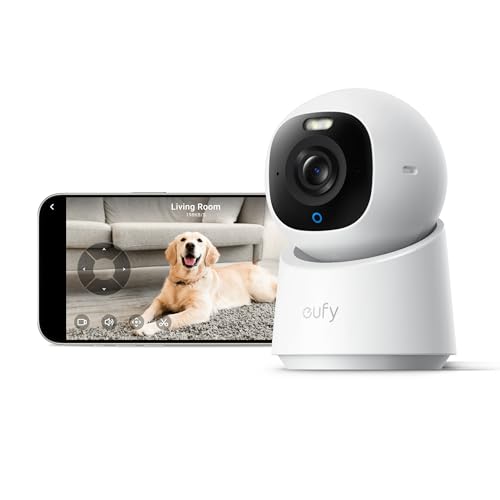
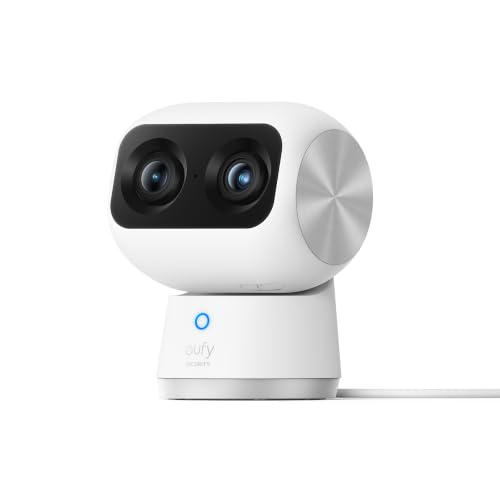
Some owners mainly want to check on a cat during the workday or record what happens at night. In that case a home camera with motion alerts, night vision, and app playback may suit you better than a camera you hold. Keep any home unit and its cord well out of chewing reach, and never let a cable dangle where a cat can pull the unit down. For a true cat level view of the world, see our guide to the best cat collar cameras, and weigh any collar device carefully so it stays light and breaks away safely under strain.
Quick Buyer Checklist
Before you order, answer each question below with a clear yes or no for the model you are considering. When you compare the best cameras for cats side by side, this short list keeps the decision grounded in your home rather than in marketing claims. A camera that fails two or more of the first four questions is rarely the right fit, no matter how strong its remaining specs look.
- Does the camera offer animal eye detection or reliable subject tracking for moving pets?
- Can it shoot quietly, or does it have a silent mode for shy or sleeping cats?
- Is the sensor large enough to give clean results in your typical indoor light?
- Does the lens cover your usual distance, from close indoor shots to across the room?
- Can the screen tilt so you can compose comfortably at floor level?
- Does the battery last through your normal day of short, spread out sessions?
- Is the body small and light enough that you will actually keep it nearby and use it?
Red Flags to Watch For
Weak listings tend to hide behind vague language, so read every claim with care. When you compare build and optics across brands, see our guide to the best quality cameras for construction details that signal a durable body. Then watch for the warning signs below.
- A listing leads with a huge digital zoom number and barely mentions optical zoom, which means the maker is selling a crop rather than real reach.
- Low light performance is promised with words like stunning or crystal clear but no sensor size is stated, so you cannot judge the claim at all.
- Autofocus is described only as fast, with no mention of animal detection or tracking, which often means a basic contrast based system.
- The warranty is very short and replacement batteries or chargers are hard to find, which turns a small fault into a dead camera.
- Ratings cluster at the extremes with many short, similar comments, a pattern that makes the feedback hard to trust at face value.
Setup and Care Tips for Your Cat Camera
Set the camera up for cats before your first real session. Turn on animal eye detection, choose continuous focus for play, and set a quiet shutter mode as your default so you do not have to hunt through menus while a moment unfolds. Format the memory card in the camera, check that the clock is right so your files sort by time.
Care is simple but specific to the camera itself. Clean the front element with a clean lens cloth and a blower, never with your shirt, because fabric grit can scratch a coating. Store the camera in a dry padded bag away from litter dust and loose hair, and keep it out of reach of a curious cat that might knock it off a shelf. Wipe the body with a dry cloth after outdoor use, and recharge batteries before they sit empty for months.
Frequently Asked Questions About Cameras for Cats
What features matter most in a camera for photographing cats?
Animal eye detection, quiet shooting, and clean low light results matter most in a camera for photographing cats. Start with those three, because they decide whether relaxed indoor moments come out sharp and natural. One extra point worth weighing is the minimum focus distance, since a lens that focuses close lets you fill the frame with a face or a paw without adding a separate accessory later.
Which camera sensor size is better for low light photos of cats?
A larger sensor is better for low light photos of cats, because it gathers more light and holds detail at higher sensitivity settings. APS C is a strong middle ground for most homes, while full frame helps in very dim rooms. Whichever size you choose, open a window curtain or switch on a warm lamp first, because adding gentle light improves a sleepy portrait more than any setting change can.
How much should a first camera for cats cost?
A first camera for cats can cost around $500 and still cover portraits, play, and short video clips well. Spending more mainly buys a larger sensor, faster tracking, and a brighter lens rather than a different kind of result. Keep a little of your budget aside for a spare memory card and a padded bag, because those small items protect every photo you take from day one.
What optical zoom range works well in a camera for cats?
A moderate optical zoom range works well in a camera for cats, covering wide indoor views and tighter shots from across a room. A range that reaches roughly three to five times magnification suits most homes without making the lens slow in dim light. If you shoot a shy rescue cat, extra reach also buys you working distance, which often matters more for trust than a small gain in image quality.
Is a smartphone enough instead of a dedicated camera for cats?
A smartphone is enough instead of a dedicated camera for cats when your light is good and your cat stays close and calm. Phones focus quickly and share clips with no extra steps, which suits everyday snapshots. A dedicated camera pulls ahead when you want reliable eye focus during fast play, cleaner files in a dark room, or real optical reach across a yard without cropping away detail.
What camera specs matter most for beginners photographing cats?
The camera specs that matter most for beginners photographing cats are a simple auto mode, dependable eye detection, and a lens that stays bright indoors. Those basics let you learn timing and light before you study manual settings. Begin with the fully automatic scene modes if your camera offers a pet scene, then move to aperture priority once you notice how background blur changes the feel of a portrait.
Final Thoughts
Focus your choice on eye detection, low light quality, and a lens that matches your usual distance, and most other specs will fall into place. The product table above is the fastest way to compare the finalists against that short list. When the fit is right, the best cameras for cats feel almost invisible in the room, so your cat stays relaxed and you keep the moments that made you want a camera in the first place.