
Best Bolster Dog Beds (2026): Styles, Sizing and Buying Guide
Disclosure: We may earn a commission when you buy through links on this page, at no extra cost to you. As an Amazon Associate I earn from qualifying purchases. Learn more
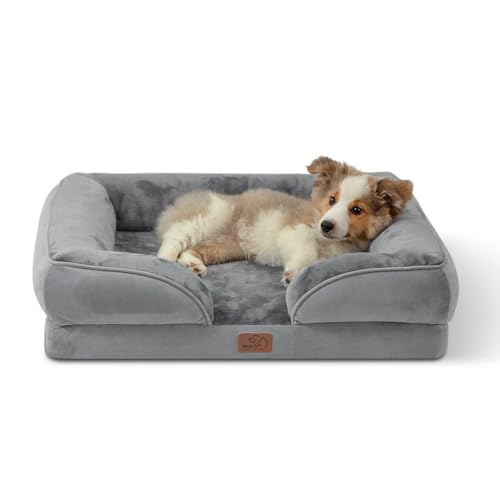
Raised edges suit curlers and leaners. Here is how to choose the best bolster dog bed by size, foam base and washable cover.
A bolster bed looks simple, yet the details decide whether your dog uses it daily or walks past it. The raised edge has to suit your dog sleeping style, the cushion has to support real weight, and the cover has to survive regular washing. This guide to the best bolster dog bed options explains the styles, sizes, and materials that matter most, and the comparison table below sums up the main types side by side.
If you are still weighing bolster designs against flat mats, our overview of the best dog bed styles gives useful background. Here, the focus stays on matching the raised edge to your dog.
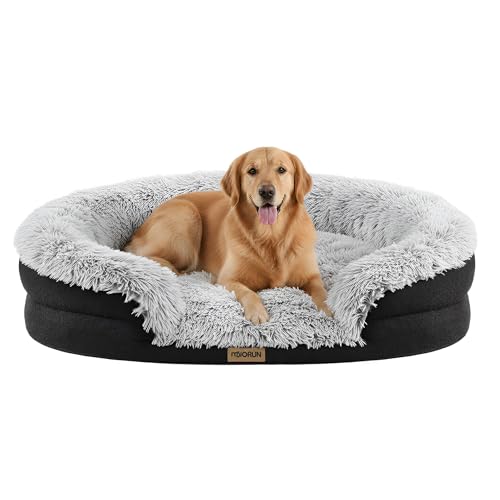


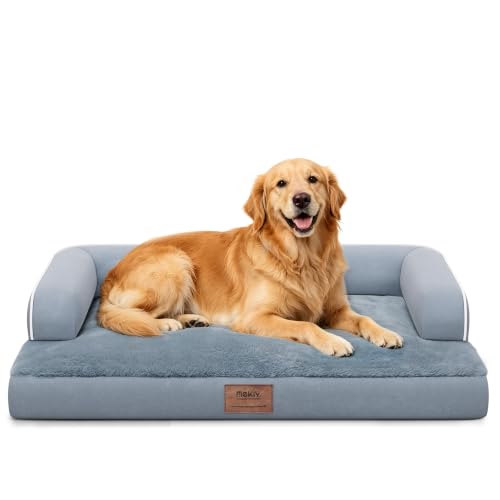
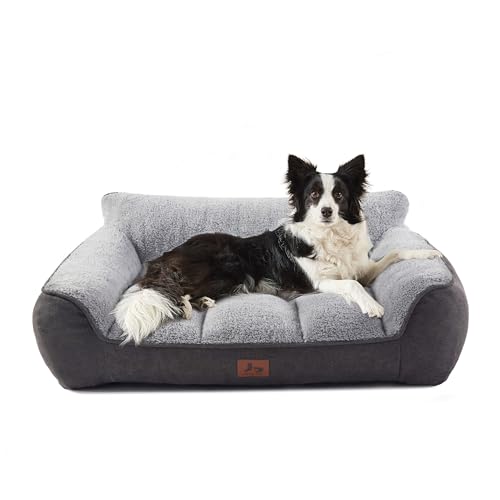


Bolster Styles at a Glance
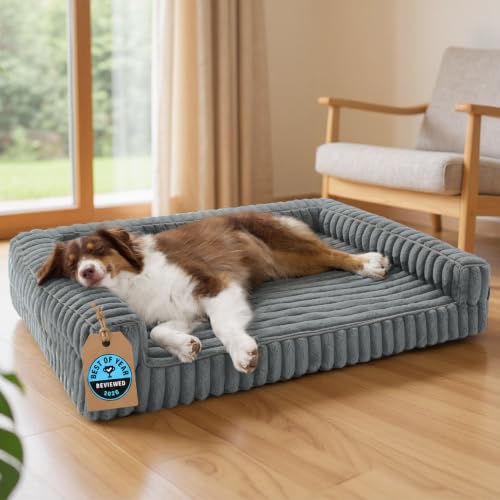
Most bolster beds fall into three broad styles. A sofa style bed has raised sides on three edges and a lower front edge for easy entry. A round or oval bed has a raised rim all the way around, which suits dogs that curl into a tight circle. An orthopedic style bed pairs firmer foam with one or more bolsters, so the surface stays supportive while the edge gives your dog a place to rest its head.
The right style follows from how your dog already sleeps. Curlers usually use a full rim. Leaners, who press against chair legs and sofa arms, usually prefer a sofa style with solid sides. Dogs that stretch out flat may only use the bolster as a chin rest, so a lower and softer edge works better than a tall and firm one.
Who Should Buy a Bolster Dog Bed?
Dogs That Curl Up and Lean
Some dogs settle only when something touches their back. For these dogs, a raised edge gives a clear boundary and a sense of enclosure that a flat mat cannot offer. If your dog wedges into corners or rests against furniture, a bolster bed matches that habit instead of asking your dog to change it.
Senior Dogs That Need Head and Neck Support
Older dogs often sleep in shorter stretches and shift position through the night. A bolster lets a senior dog raise its head slightly, which some dogs find more comfortable than lying flat. Pair it with a thick and supportive base, and read our guide to the best dog bed for senior dogs if joint care is your main concern.
Puppies and Anxious Dogs
Young and nervous dogs often rest better in a bed that feels enclosed. A rim on several sides reduces the exposed feeling of an open mat and gives a puppy a defined place to settle during rest training. Choose a style with a cover you can wash often, since accidents and muddy paws are part of the first year.
What Matters Most When You Compare Bolster Beds
Five factors separate a bed your dog loves from one that ends up ignored. Start with size and fit, since even excellent foam fails when the bed is too small. Then look at durability, safety and materials, ease of cleaning, and value for the size you need. A bed that holds its shape for years costs less over time than a thin bed you replace after a few months.
How to Choose the Right Dog Bed
Size and Form Factor
Bolster beds come in small, medium, large, extra large, and jumbo sizes, but the labels vary between brands. The number that matters is the inner sleeping area, measured between the bolsters, not the outer edge of the whole bed. A bed can look generous in a photo while the usable cushion is several inches smaller. For a large breed, compare dimensions carefully and see the options in our guide to the best large dog bed range before you order.
Form also matters. Rectangular sofa styles fit corners and the space beside a sofa, while round beds suit open floor areas. Measure your intended spot as well as your dog.
Type
Bolster is a shape, not a filling, so bolster beds come in several types. Orthopedic and memory foam versions support joints with a dense base. Calming versions use a soft, plush rim that wraps around a curled dog. Elevated and cooling beds rarely include bolsters, so hot sleepers may do better with a flat design. Our comparison of orthopedic vs memory foam dog bed bases explains how the foam types differ in feel and support.
Waterproof versions also exist within the bolster family. Pick the type that solves your dog's main problem first, then choose bolster height and shape within that type.
Features Worth Paying For
A removable cover is the feature most owners value after the first wash day arrives. Covers that zip off fully are far easier to clean than beds you must wash whole. A waterproof liner under the cover is worth paying for with puppies, seniors, and any dog prone to accidents, because soaked foam holds odor even after the cover is clean.
Bolster construction is the second feature to inspect. Bolsters filled with loose fiber shift and flatten at the corners, while shaped foam or densely packed fill keeps the edge upright. A nonslip base also earns its cost on hard floors, since a bed that slides each time your dog climbs in will teach your dog to sleep elsewhere.
Sizing for Your Pet
Measure your dog while it sleeps, not while it stands. Note the length from nose to tail base in your dog's usual sleeping pose, then add about 6 to 12 inches so your dog can shift and stretch. Our guide answering what size dog bed do i need walks through measuring for different sleeping poses in more detail.
Weight guides on product pages are only a rough check. Two dogs of the same weight can differ greatly in length, and a long dog needs the larger size even when the chart suggests a medium. When your dog falls between sizes, choose the larger one, since a cramped dog will sleep half on the rim and flatten it.
Materials and Chew Resistance
Cover fabrics range from plush faux fur to smooth microfiber and heavy canvas. Plush surfaces feel cozy and trap warmth, which suits lean dogs and cold rooms. Canvas and tightly woven fabrics shed hair more easily and stand up better to scratching and digging. Treat vague claims with caution when the material is not named at all.
Fill quality decides how long the cushion stays supportive. Dense foam holds shape under a heavy dog, while loose fiber fill compresses into lumps. No soft bed is truly chew proof, so a dog that chews bedding when bored needs supervision and perhaps a different bed style, not just a stronger fabric claim.
Cleaning and Odor Control
Dog beds collect hair, drool, and outdoor dirt faster than most owners expect. A cover that goes in the washing machine every week or two keeps odor under control. Shake the bed outside between washes, and vacuum the bolster seams, where hair and grit collect. Our guide on how to clean a dog bed covers stain treatment and drying in full.
Drying matters as much as washing. Foam and thick bolsters must dry completely before the cover goes back on, or trapped moisture creates a musty smell that washing alone will not fix.
Safety
Inspect seams and zippers before first use. Zipper pulls should tuck away so your dog cannot chew them, and stitching should feel tight along the bolster joins, which take the most strain. Remove the bed if stuffing escapes, because dogs can swallow filling and foam pieces.
Place the bed away from heaters, cords, and busy doorways. Puppies and strong chewers should use any soft bed only under supervision until you know they leave it alone.
How Much Should You Spend?
Small bolster beds often cost under $30, and at that level you get a simple fiber filled cushion with a basic cover. Spending about $30 to $50 usually adds a removable cover, thicker fill, and better stitching. In the range of about $50 to $100, expect dense foam bases, waterproof liners, and sizes that suit large dogs.
Above about $100, you are paying for thick orthopedic foam, durable fabrics, and jumbo sizes. That spend makes sense for a heavy senior dog that uses the bed all day. For a young dog that may outgrow or chew its first bed, a modest price is the wiser start.
Bolster Beds Compared With Other Dog Beds
A bolster bed does one job that flat beds cannot. It gives your dog a raised edge for resting the head, leaning the back, and feeling enclosed. Flat mats take less floor space and suit dogs that sprawl in every direction. Donut beds push the enclosed feeling further with a full round rim, while elevated beds lift your dog off cold or hot floors but offer nothing to lean against.
- Pros: raised edges support the head and neck during side sleeping.
- Pros: the rim gives curlers and leaners a clear, enclosed sleeping spot.
- Pros: sofa styles look tidy in living rooms and sit flush against walls.
- Cons: bolsters shrink the usable sleeping area compared with a flat bed of the same outer size.
- Cons: tall rims can block easy entry for dogs with limited mobility.
- Cons: thick bolsters take longer to wash and dry than a simple mat.
Choose a bolster bed when your dog seeks edges, corners, and cushions to rest against. Choose a flat or elevated bed when your dog sprawls, overheats easily, or needs easy step in access. The best bolster dog bed for your home is simply the design that matches the sleeping habits you already see every night.
FAQ
Are bolster dog beds a good fit for dogs that stretch out flat?
They can be, if you pick the right shape. A sprawler will ignore a tall rim but may use a low bolster as a pillow at one end of the bed. Look for a sofa style with one open side and a long inner cushion, and size up so the bolster does not shorten the sleeping area. If your dog never rests its head on anything raised, a flat bed remains the better buy.
How long does a bolster dog bed usually last?
Most bolster beds stay comfortable for about one to three years, depending on fill quality and how heavily your dog uses the rim. Rotate the bed weekly so your dog does not always lean on the same side, and fluff fiber bolsters to slow uneven flattening. Replace the bed when the cushion stays compressed after rest, because support lost at that stage does not come back with washing.
How do you clean the bolster part of a dog bed?
Many bolsters stay attached to the bed, so check whether the whole cover comes off or the insert removes on its own. Spot clean small marks on the bolster with a damp cloth, and let it air dry fully before your dog uses it again. A fabric protector spray made for pet bedding can slow stains between washes, though it never replaces regular washing of the cover itself.
Can a puppy sleep in a bolster dog bed?
Yes, and the enclosed shape often helps a puppy settle in a new home. Buy for current size with a little growing room rather than for adult size, because a tiny puppy in a huge bed may use one corner as a toilet. Choose a cover that washes easily, keep sessions supervised while your puppy is teething, and remove the bed at once if chewing opens a seam.
Is a bolster dog bed a sensible choice for a dog with joint pain?
It can help comfort, but the base matters far more than the bolster. A thick foam base spreads weight and eases pressure on hips and elbows, while the bolster simply supports the head. Watch for warning signs such as repeated trouble rising, avoiding stairs, or crying out when lying down. Those signs need a veterinarian, not just new bedding, and your vet can advise on pain relief and exercise for your dog.
Final Thoughts
Start with your dog's sleeping style, measure the true inner space, and insist on a removable cover and honest materials. Match the foam base to your dog's age and weight, and spend more only where it adds support or easier cleaning. Use the product table above to compare styles quickly, and the best bolster dog bed for your dog will be the one that fits those basics without fuss.


