Best Brushing Boots for Horses by Budget in 2026
Disclosure: We may earn a commission when you buy through links on this page, at no extra cost to you. As an Amazon Associate I earn from qualifying purchases. Learn more

Compare the best brushing boots for horses by price tier, with clear help on strike cover, fit, straps, lining and care for daily schooling use.
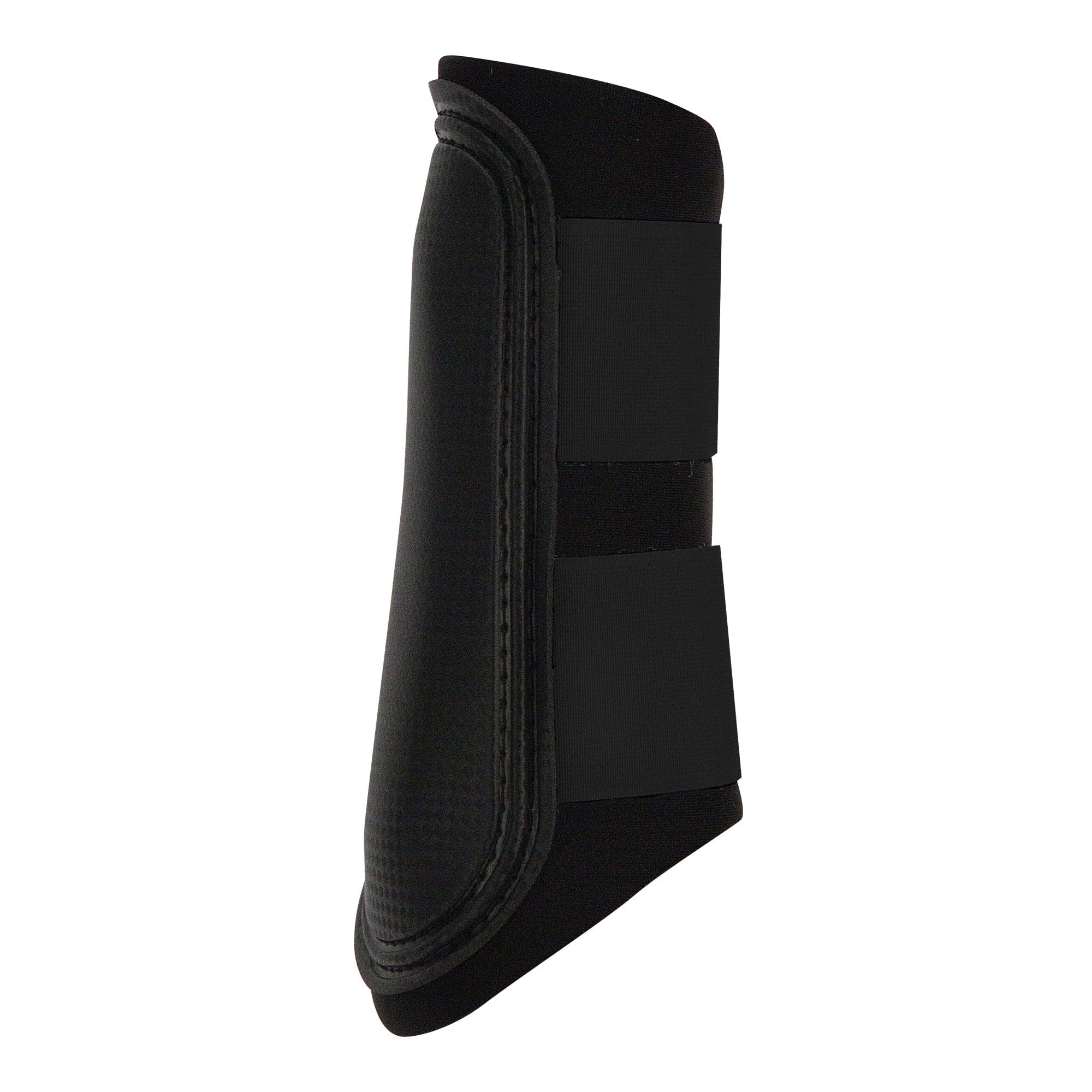
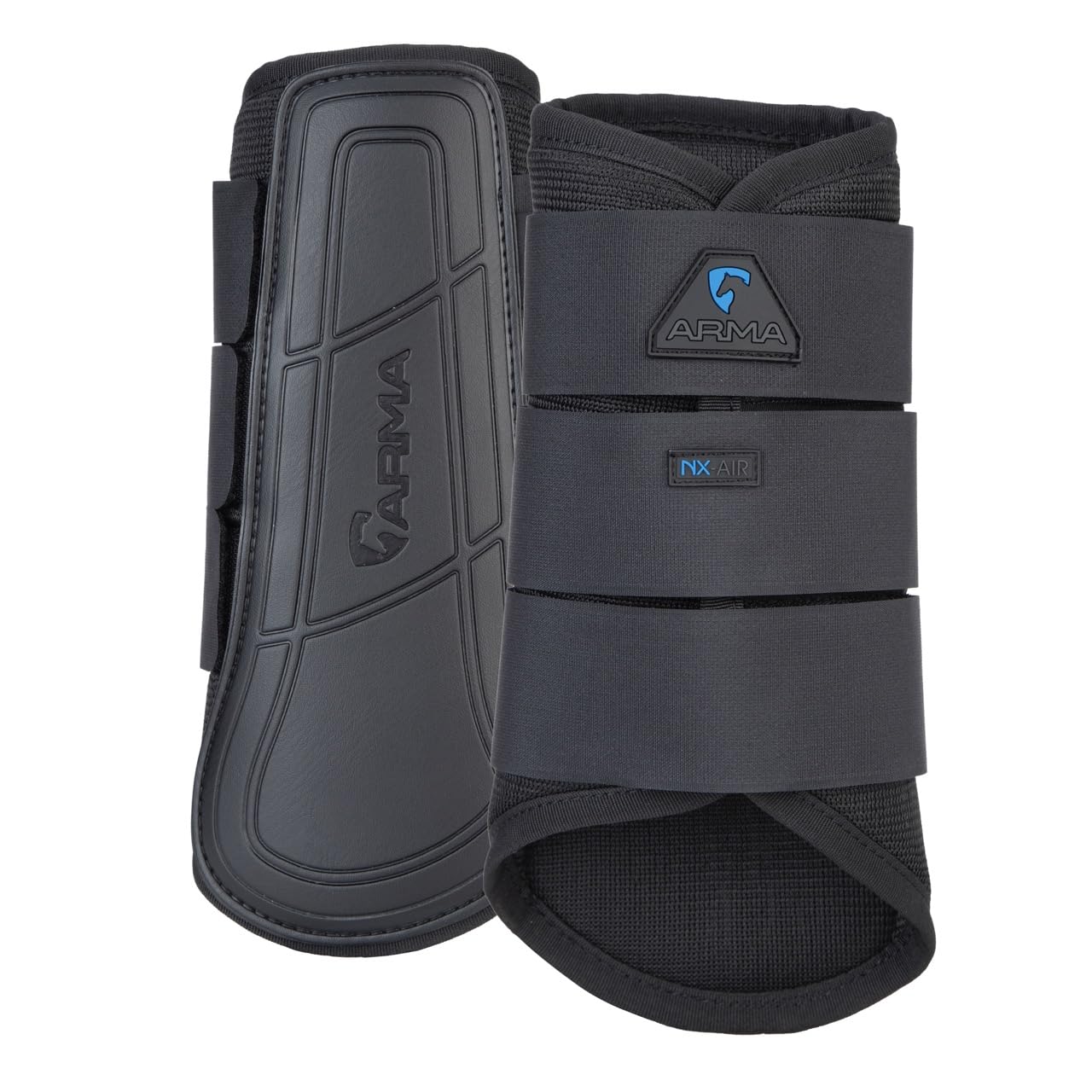
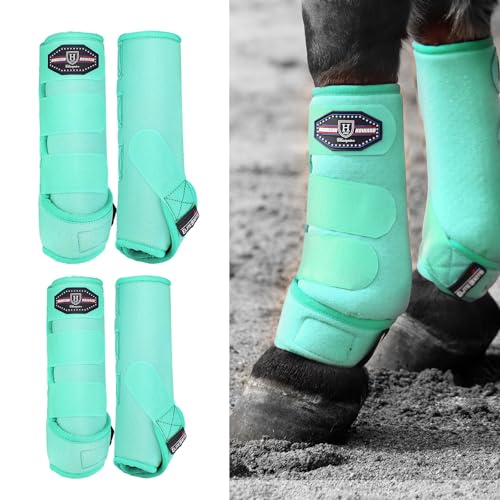
Brushing boots guard the inside of a horse leg where one hoof can strike the opposite leg during work. Prices vary a lot, and the most expensive pair is not always the pair your horse needs. The best brushing boots for horses match your riding, your footing and your budget, and you can compare the main types in the comparison table below.
Think first about how often you school and how hard your horse brushes. A horse that rarely makes contact needs lighter cover than one that works close and strikes often.

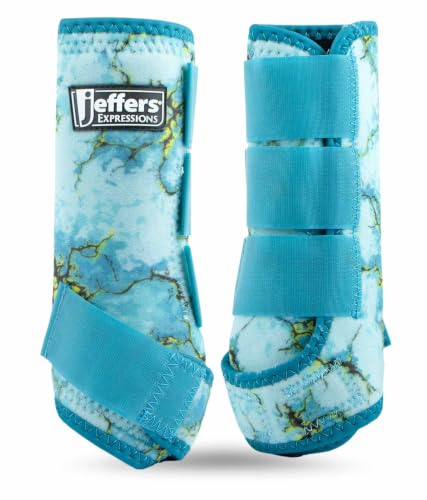

Who Should Buy Brushing Boots for Horses?
Your horse, your discipline and your weekly schedule should decide the pair, not the price tag alone.
Schooling Riders Watching Every Dollar
You ride a few times a week on good footing and your horse makes only light contact. A simple pair with a firm strike pad and secure straps will cover most lessons. Spend on correct sizing before extra padding, because a boot that slips or turns will not protect the leg.
Owners of Horses That Brush Often
Your horse moves close and you hear contact during turns, lateral work or tired spells. You need taller cover over the cannon and fetlock, plus a strike pad that spreads impact rather than only cushioning it. Hind boots matter as much as front boots, so budget for both pairs.
Riders Who School Daily and Need Rotation
You ride most days, hose boots often and cannot wait for a damp pair to dry. Two midrange pairs in rotation usually serve you better than one premium pair worn wet. Rotation also lets you spot strap wear early and keep a clean pair ready for lessons.
What Each Price Tier Buys in Strike Pads, Straps and Shells
Price tiers differ mainly in strike pad strength, lining quality and strap life. For a broader view of leg protection, see our guide to the best horse boots for other boot styles.
Budget Boots for Light Schooling
Budget pairs cost about $30 to $50 a pair and usually pair a basic synthetic shell with simple padding and two or three straps. They suit light schooling and horses that brush only now and then. Expect lining to hold more heat and straps to show wear sooner, so inspect stitching often.
Midrange Boots for Daily Schooling
Midrange pairs cost about $50 to $85 a pair and add a stronger strike pad, shaped padding and straps that hold tension better. This tier fits most riding horses because cover improves without paying for advanced materials you may never need. Lining often breathes a little better, and sizing choices usually cover more leg shapes.
Premium Boots for Hard Wear
Premium pairs cost about $85 to $130 a pair and focus on dense impact cover, durable shells and lining that manages heat during longer work. They make sense for horses in heavy training, horses that strike hard, or owners who keep one pair for years. Fit still decides whether the spend is worth it.
Key Features to Compare
Compare these five points in order, because protection and fit come before looks or color.
Strike Pad and Coverage Area
The strike pad sits on the inside of the leg where contact lands, and it is the heart of the boot. A firm pad spreads the force of a hoof strike over a wider area, while soft padding alone can compress and let a sharp blow through. Coverage should run from just below the knee or hock down over the fetlock without blocking joint movement. Horses that brush low need fetlock cover most, while horses that interfere higher need a taller pad.
Fit and Sizing for Front and Hind Legs
Sizing runs by leg height and the circumference around the cannon, and brands size differently, so always read the chart for that pair. Hind legs are often thicker and may need the next size up, even on the same horse. A correct boot sits snug all round with no gap at the top and no squeeze at the fetlock. Straps should close near the middle of their range.
Straps and Closures That Stay Put
Most brushing boots close with hook and loop straps, and the details decide whether a boot stays straight through a session. Wider straps spread pressure and resist twisting better than narrow ones. Elastic inserts can help a boot follow leg movement, but tired elastic lets boots slide down. Look for strong stitching at strap bases and closures that shed arena sand well.
Lining, Padding and Airflow
Lining touches skin and coat all session, so it shapes comfort as much as the shell shapes protection. Neoprene cushions well and rinses clean, but it can hold heat on long rides in warm weather. Fleece feels soft and suits sensitive skin, yet it picks up sand and needs more washing. Perforated linings let more air move and dry faster after hosing.
Contour, Flex and Outer Shell Strength
A boot should follow the curve of the cannon and flex as the fetlock moves, rather than standing off the leg like a tube. Shaped shells and cut away areas behind the knee or hock help the leg bend for transitions, poles and jumping efforts. The outer shell must also shrug off sand and stable knocks without cracking.
How to Measure and Fit Brushing Boots on a Horse
Measure each leg with a soft tape while your horse stands square on flat ground. Note the cannon circumference at its midpoint and the height from just below the knee or hock to the fetlock. When you shortlist the best brushing boots for horses for your own horse, start with those two numbers and the size chart.
Fit the boot with the strike pad centered on the inside of the leg, then close straps evenly from the middle outward. Check that you can slide one fingertip under the top edge and that the boot does not turn when you walk a circle. If your horse shows heat, swelling, lameness or a rub sore, remove the boots and talk with your veterinarian before schooling again.
Brushing boots guard against strikes, not against insects. For summer turnout where biting flies are the main problem, see our guide to the best fly boots for horses instead of leaving schooling boots on all day.
Costs That Add Up: Replacement Pairs and Spare Straps
The first pair is only part of the cost. Many horses need front and hind pairs, so the full set can cost close to double the single pair price. Straps wear before shells do, and a boot with a cracked strike pad should be replaced rather than patched. A spare pair also adds cost, yet it prevents missed sessions while a washed pair dries.
Common Mistakes to Avoid
- Buying by horse height alone leaves boots too loose on fine legs and too tight on heavy legs.
- Leaving brushing boots on for full day turnout traps heat and rubs skin that was fine in a short lesson.
- Closing the top strap far tighter than the others pulls the boot down and creates a pressure ridge.
- Using a front boot size on thicker hind legs leaves the strike pad short of the area that needs cover.
- Keeping a boot with torn straps in service lets it spin mid ride and expose the leg it should guard.
Care and Maintenance of Brushing Boots
Brush or hose off sand and sweat after each ride, because grit left in lining works against the skin next time. Wash boots as the label directs, usually with mild soap and cool water, and rinse until the water runs clear. Open every strap before washing so hidden grit can escape.
Air dry boots away from direct heat, with straps open and lining turned outward where the design allows. Check strike pads for cracks, straps for weak grip and stitching for fraying each week. Store clean and fully dry boots flat or hanging in the tack room.
Brushing Boots for Horses: Your Questions Answered
What features matter most in brushing boots for horses?
Strike cover and secure fit matter most in brushing boots for horses. After those, check that straps leave room to adjust both ways, because legs change with fitness and coat length through the year. A modest boot that stays centered protects more than a thick boot that rotates during fast work.
Are expensive brushing boots for horses worth the extra cost?
Expensive brushing boots for horses are worth it only when your horse works hard enough to use the stronger shell and lining. One gain buyers often miss is hand down value, since sound premium shells can serve a second horse in the barn. For light weekly schooling, that durability may never pay you back.
Can a horse wear brushing boots during turnout all day?
A horse should not wear brushing boots during turnout all day in most cases. Mud and bedding work under straps during long wear and can hide a small rub until it becomes sore. If your yard allows turnout boots at all, agree a checking routine with staff first on every yard visit.
How should brushing boots fit on a horse leg?
Brushing boots should fit on a horse leg snugly enough to stay centered without squeezing the tendons at the back. A useful extra check is the walk away test, where a helper watches from behind as you lead off, because a boot that creeps down shows itself within a few strides.
Do brushing boots for horses need to resist water?
Brushing boots for horses benefit from water resistance, but full waterproofing is rarely the goal. A shell that sheds arena watering and rinses clean matters more than a sealed membrane, which can hold sweat against the leg. After a wet session, a lining that feels heavy with water will stay damp longer.
Our Verdict
Match the tier to your workload. Light schooling calls for a sound budget pair, daily work rewards midrange straps and lining, and hard training can justify premium impact cover.
Use the product table above to check sizes, strap counts and prices side by side. When you choose the best brushing boots for horses by fit and strike cover first, your money goes to protection your horse actually feels.