
Best Calorie Watches of 2026: Complete Buying Guide
Disclosure: We may earn a commission when you buy through links on this page, at no extra cost to you. As an Amazon Associate I earn from qualifying purchases. Learn more

Learn how to choose the best calorie watches with clear guidance on heart rate accuracy, GPS, battery life, fit, and water resistance for daily training.
Calorie numbers on a watch are estimates, not measurements from a lab. They depend on heart rate, motion, your age and weight settings, and how steady the sensor stays on your wrist during activity. The best calorie watches get those basics right, so trends over weeks mean more than a single workout total.
This guide helps you judge accuracy, comfort, and battery life before you spend. Use the comparison table below to narrow your short list, then check the details that match how you actually train and live.


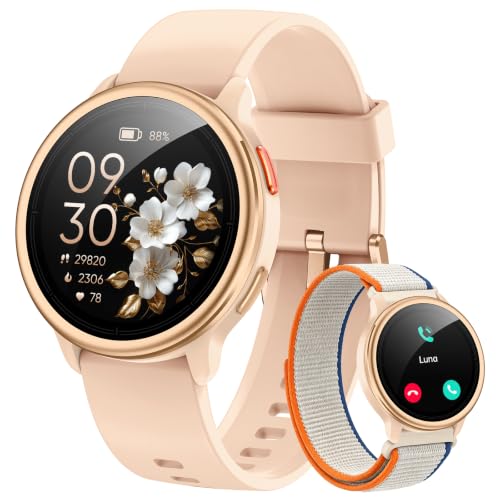


Price Tiers and What Each Level Usually Gives You
Price alone does not guarantee a better calorie estimate. What changes most across tiers is sensor quality, GPS reliability, battery life, and how much coaching context the app adds around the raw numbers.
Entry Tier for Casual Tracking
Entry models, often under $100, usually cover steps, basic heart rate, sleep, and simple workout modes. They suit walking, light gym work, and building a daily movement habit. Expect shorter GPS history, simpler displays, and calorie estimates that drift during interval work when wrist motion is uneven. If your goal is awareness rather than precise training load, this tier can be enough, provided the strap fits snugly and the app lets you enter your details correctly.
Mid Tier for Regular Training
Mid tier models, about $100 to $250, tend to add built in GPS, better heart rate sampling, and more sport profiles. That matters for calorie tracking because pace and heart rate together produce steadier estimates on runs and rides. You also get longer battery life and clearer screens outdoors. For most people who train three to five times a week, this range offers the best balance of accuracy, durability, and cost without paying for maps or advanced recovery metrics you may not use.
Premium Tier for Detailed Insight
Premium models, often above $250, focus on deeper training data, stronger materials, and multi day battery life. Features can include dual band GPS, advanced sleep staging, training readiness scores, and sapphire crystal or metal cases. Calorie estimates benefit indirectly from better sensors and more frequent sampling, but the real gain is context, such as how fatigue affects your burn. Choose this tier only if you will use the extra data to plan hard and easy days, not just to collect more charts.
How to Choose the Best Calorie Watches: Buying Guide
Movement Type
For calorie tracking, smart movement matters more than classic watch movements. A smart watch samples heart rate and motion many times per minute and feeds that data into an algorithm. Quartz, automatic, and solar analog watches can look great and tell time reliably, but most cannot estimate calories at all unless they include sensors. If calorie data is your main goal, choose a sensor based model. If style is the priority and calories are secondary, a basic tracker alongside a classic watch is another practical route.
Case Size and Wrist Fit
Fit directly affects accuracy. A case around 38 to 44 mm suits most wrists, but thickness and lug to lug length decide comfort during long wear. The sensor on the back must sit flat without sliding, yet the strap should not feel tight enough to limit circulation. Try to leave about one finger width of ease. Smaller cases often suit smaller wrists and sleep tracking, while larger cases give bigger batteries and easier reading at a glance during a run.
Strap and Bracelet Options
Silicone straps are the most practical for training because they tolerate sweat, rinse clean, and grip well when you tighten them for a workout. Leather looks better at work but absorbs moisture and can loosen over time. Metal bracelets add weight that can cause bounce and sensor gaps. A quick release strap system helps you swap from sport to dress use in seconds. Whatever you choose, check that replacement straps are easy to find and that the width matches common sizes.
Brand Reputation, Warranty, and Value
Look for clear warranty terms, regular software updates, and an app with a track record of support. Calorie algorithms improve through updates, so a brand that maintains its app adds value long after purchase. Check return policies as well, because fit and comfort are hard to judge from photos. Resale value matters less here than with luxury watches, since batteries age and models update quickly. A fair price for reliable support usually beats a low price with no update history.
Smart and Fitness Features
Useful features include continuous heart rate, GPS for outdoor pace, sleep tracking, and automatic workout detection. Recovery prompts and training load can help you avoid stacking hard days, which affects total energy use. Remember that a watch does not replace a medical device. If heart rate readings look irregular or you feel dizzy, chest pain, or unusual shortness of breath, stop and seek medical advice promptly. Talk with your clinician about personal health questions and about how activity targets should fit your own history.
If you want a model focused only on this job, see our guide to the best calorie tracking watches for a narrower view of tracking features. That focus can help if general smart features feel distracting.
Water Resistance Rating
A rating of 30 m means splash protection only, not swimming. A 50 m rating usually handles showers and shallow swimming, while 100 m or 200 m gives more confidence for regular pool and open water use. Buttons should not be pressed under water unless the maker says it is safe. For calorie tracking in the pool, also confirm the watch has a swim mode, since arm motion and water can distort heart rate and burn estimates.
Types of Calorie Watches
Dive and Field Watches
Dive and field styles bring rugged cases, strong lume, and high water resistance to daily wear. True analog versions rarely track calories, but rugged smart models borrow the same tough look and add sensors. They suit outdoor work and rough training, though extra bulk can reduce sleep comfort. Choose this style if durability matters more than a slim profile, and confirm the sensor window still sits flat despite the larger case.
Solar Watches
Solar watches charge from light and can run for months without a cable in analog form. Solar smart models extend time between charges but still need top ups during heavy GPS use. They suit travelers and anyone who forgets to charge. The trade off is that solar faces and smaller displays can limit data views. For calorie use, check that heart rate sampling stays frequent even when power saving modes turn on to preserve charge.
Quartz Watches
Quartz watches are accurate, affordable, and low maintenance, with batteries that often last one to three years. Most are time only or add simple timers, so they do not estimate calories on their own. They remain a good dress or backup choice. If you love a quartz watch for work, pair it with a simple tracker for workouts rather than forcing one device to do everything. That split can improve both style and data quality.
Smartwatches
Smartwatches are the main option for calorie estimates because they combine heart rate, motion sensing, GPS, and apps in one device. They also bring notifications, music controls, and contactless payment on many models. The costs are shorter battery life and more charging discipline. If you will charge every day or two and you value detailed trends, this is the clearest path. Look for a screen you can read outdoors and controls that work with sweaty hands.
For a slightly different naming angle on the same need, our guide to the best calorie tracker watches covers similar ground with an emphasis on daily totals. Comparing wording helps you notice which features makers highlight most.
Setup and Care Tips
- Enter your age, height, weight, and sex correctly in the app, because the calorie algorithm relies on those inputs and small errors shift every estimate.
- Wear the watch about one finger width above your wrist bone and snug it one notch tighter for workouts to reduce sensor movement.
- Rinse the case and strap after saltwater or heavy sweat, then dry fully before charging to protect contacts and skin comfort.
- Store the watch away from strong magnets and update the app regularly, since software changes can improve heart rate filtering.
- Service automatic watches every 5 to 7 years if you own one for dress use, and replace seals when water resistance service is due.
- Rotate straps to reduce wear and let skin breathe, especially if you wear the watch overnight for sleep data.
A useful habit is a weekly trend check. Compare total active minutes and average heart rate alongside calorie totals, so one unusually high or low day does not distort your view. If numbers jump after an update, give the watch a few workouts to settle. Readers who prefer counting language can also see our guide to the best calorie counter watches for related buying points.
FAQs
Is a smartwatch worth it over a classic watch?
Yes, if calorie and training data guide your decisions each week. A smartwatch gives heart rate, GPS, and trends a classic watch cannot provide. A classic watch wins on battery life, simplicity, and formal style. Many people keep both and switch by setting. The deciding factor is whether you will act on the data, such as adjusting workout intensity or rest days, rather than glancing at totals and moving on without changes.
What case size fits my wrist?
Measure your wrist and match it to case width and lug to lug length, not width alone. Wrists under about 6.5 inches often feel best in 38 to 41 mm cases, while larger wrists can carry 42 to 44 mm comfortably. The lugs should not hang past the edges of your wrist. For sleep and all day wear, a thinner case usually feels better, even if the screen is slightly smaller during workouts.
How long does a watch battery last?
It depends on type. Smartwatches often last one to ten days, with GPS use draining charge fastest. Solar analog models can run for months on stored light, while quartz batteries often last one to three years. Heavy heart rate sampling, bright screens, and music playback shorten smartwatch life considerably. If multi week trips matter to you, choose a model with a strong power saving mode and test that mode before you travel.
Quartz or automatic: which is better?
Neither is better for calorie tracking, because most models in both groups lack the sensors needed for estimates. Quartz is more accurate for time, costs less, and needs little care beyond battery changes. Automatic watches appeal for craft and smooth motion but need regular wear and periodic service. Choose between them for style and ownership experience. For calorie data, add a sensor based device or choose a smartwatch as your main training tool.
How water resistant should a watch be?
Choose at least 50 m if you shower or swim occasionally, and 100 m if you swim often or train in open water. A 30 m rating is only for splashes and rain. Ratings assume seals are intact, so have them checked after battery service or any hard impact. Also confirm the model has a pool swim mode if you want calorie credit for laps, because generic modes can undercount arm based effort in water.
Wrapping Up
Start with fit and sensor quality, then check GPS, battery life, and water resistance against your routine. Those basics shape calorie accuracy more than extra app charts. Review the product table above to compare the options that match your wrist and budget. When you choose best calorie watches with honest expectations about estimates, the trends can genuinely help you train, recover, and move more each day.
For a final cross check on counting focused models, see our guide to the best watches for calorie counting before you decide.


