
Best Calorie Tracker Watches: Choosing by How You Move (2026)
Disclosure: We may earn a commission when you buy through links on this page, at no extra cost to you. As an Amazon Associate I earn from qualifying purchases. Learn more

See what calorie tracker watches really measure and compare fitness bands, GPS sport watches and smartwatches by activity, battery life and price.
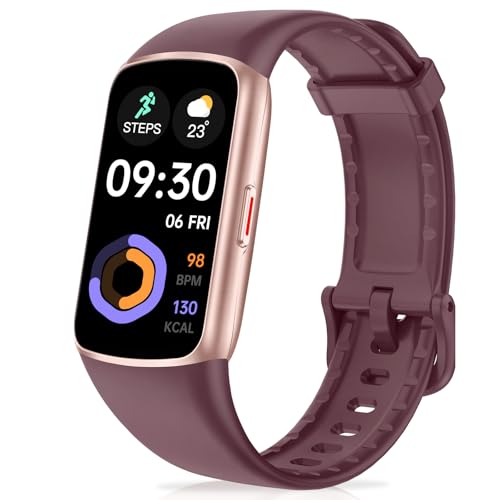
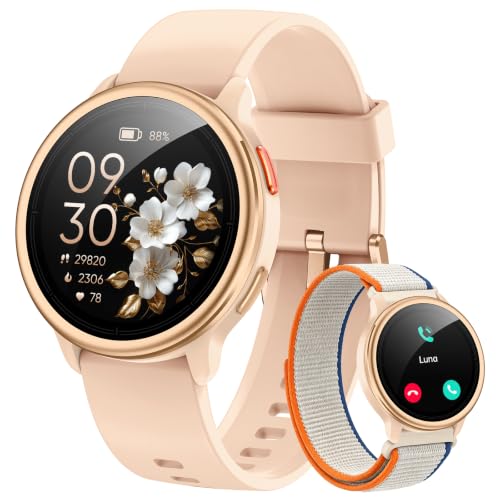
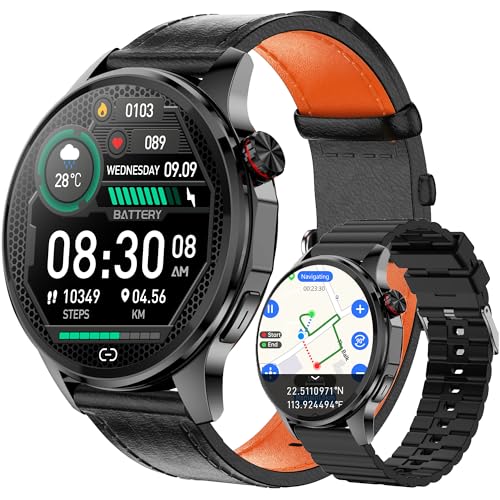
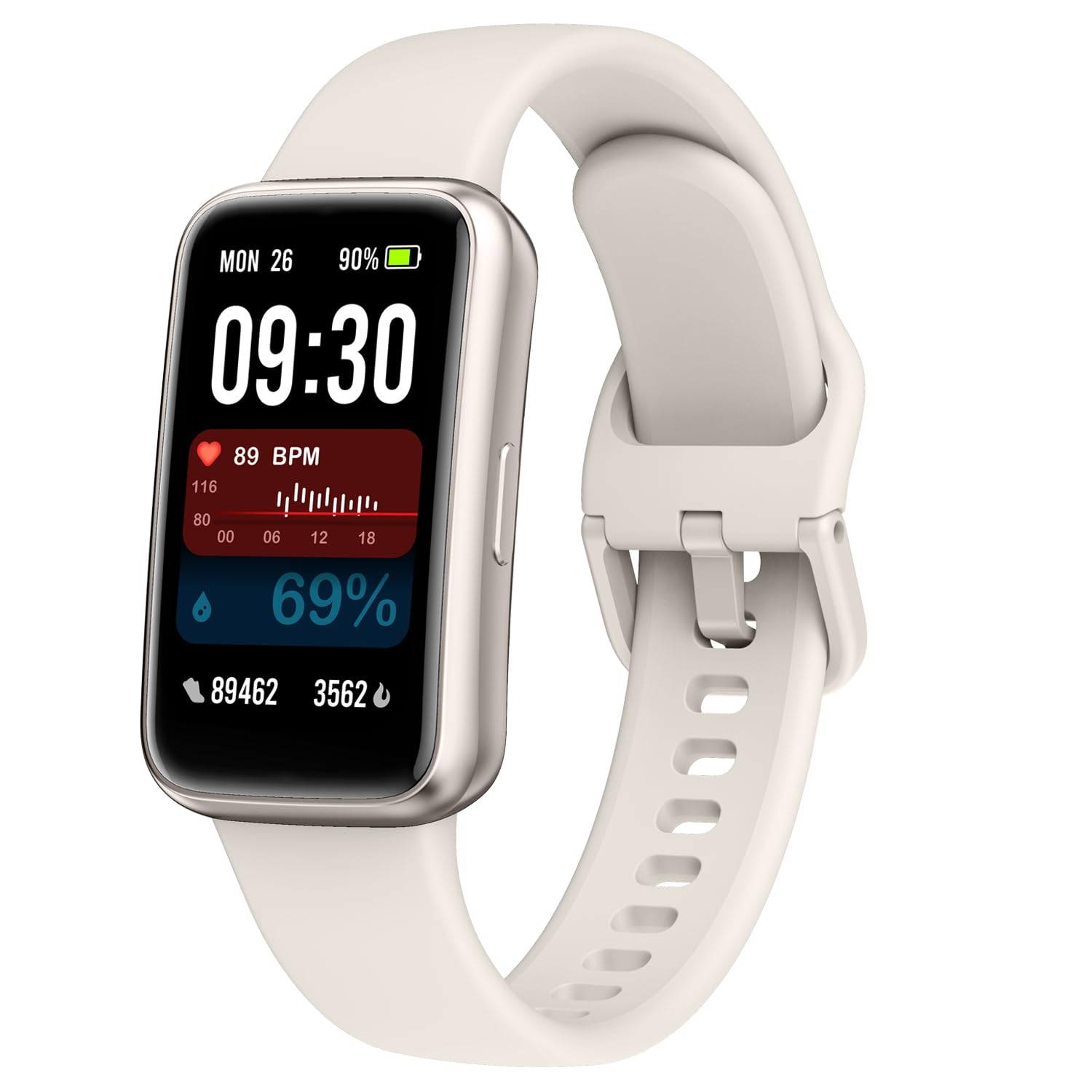
A calorie tracker watch does not count calories directly: it estimates how much energy you burn from your heart rate, movement and the profile you enter, and some pair with an app where you log meals. The best calorie tracker watches make that estimate steady, stay comfortable all day and sync cleanly with the phone app you will open every morning. The product table lists current fitness bands, smartwatches and GPS sport watches to compare.
This guide explains what the numbers on your wrist mean, how to pick a type by the activity you do most, and what to expect at different prices. If you want a related look at the same topic, see our guide to calorie watches.



What a Calorie Tracker Watch Actually Measures
The watch combines an optical heart rate sensor, an accelerometer and your personal profile: age, weight, height and sex. From those inputs it estimates active calories during a workout and resting calories across the day. Treat the daily total as an estimate rather than lab data. The trend over weeks is more useful than any single day.
Why Your Profile Matters
Entering the wrong weight or age shifts every estimate. Update the profile whenever your weight changes noticeably, and enter your resting heart rate if the app asks for it.
Pick a Watch by the Way You Move
| Main activity | Watch type | Key feature |
|---|---|---|
| Walking and daily steps | Slim fitness band | All day heart rate and long battery |
| Gym and mixed workouts | Fitness watch | Strength and interval modes |
| Running and cycling | GPS sport watch | Built-in GPS and pace tracking |
| Everyday life with notifications | Smartwatch | Calls, messages and health apps |
Features Worth Paying For
- Continuous heart rate: this improves calorie estimates compared with step counting alone.
- Built-in GPS: helpful for outdoor runs and rides, since pace and distance sharpen the estimate.
- Battery life: a watch that lasts a week is worn more often than one you charge nightly.
- App quality: a clear history view and an easy food log help you act on the data.
- Comfort: a light case and soft band make all day wear realistic, including sleep.
Food Logging and the Watch
Many calorie tracker watches show calories burned but leave food logging to a phone app. The useful pairing is simple: the watch estimates what you burn, the app records what you eat, and the difference shows your daily balance. Choose a watch that syncs with the food app you prefer, and check that the sync does not need a paid plan.
Price Levels and What They Add
Basic bands around thirty to sixty dollars cover steps, heart rate and sleep. Mid range sport watches from roughly one hundred to three hundred dollars add GPS, longer battery and more sport profiles. Premium smartwatches cost more still and add larger screens, richer apps and stronger materials. Spending more improves sensor quality and software, but a basic band is enough if your goal is simply to move more each day.
Sizing, Straps and All Day Comfort
A watch you take off by mid afternoon records only half your day. Check the case size against your wrist, since a large case can rock during exercise and spoil heart rate readings. Silicone straps are easy to rinse after sweaty sessions, while fabric and leather bands feel nicer in the office but need more care. Many people keep a spare band so one can dry while the other is in use.
Water resistance matters too. A rating suitable for showers and pool swims lets you wear the watch around the clock, and some models track swimming laps as a separate workout. If you plan to sleep with the watch on, choose a slim case and a soft screen that dims at night.
Setting Goals the Watch Can Help With
Instead of targeting a single calorie number, set small habits the watch can reinforce: a daily step goal, a weekly count of active minutes, or a reminder to stand and move each hour. When you compare the best calorie tracker watches, look at how clearly each one shows these goals on the wrist, because a glanceable ring or bar keeps you motivated. Review the weekly summary on Sunday and change one thing at a time rather than everything at once.
Share progress with a friend if the app allows it. Light competition and encouragement are powerful, and many apps include challenges that make a quiet evening walk feel like part of a game.
Getting More Accurate Numbers
Wear the watch snugly, about a finger width above the wrist bone, and tighten it a notch during exercise. Clean the sensor regularly, since sweat and lotion cloud the reading. Use the right workout mode, because a run recorded as a walk will understate the burn. Calorie estimates can also be off during strength training or cycling with a loose grip, so use them for trends.
Mistakes to Avoid
Do not chase an exact daily number or eat back every calorie the watch reports. Do not buy for features you will never use, such as maps if you only walk the neighborhood. If you have a health condition or a diet plan from a clinician, follow that advice rather than relying on a watch alone.
FAQ
Are calorie numbers on watches accurate?
They are estimates. Heart rate based figures are usually closer than step based ones, but differences between brands are common.
Do I need GPS?
Only for outdoor running, cycling or hiking. For gym and walking use, a watch without it is fine.
Does a cheaper watch track calories well enough?
For tracking trends, yes. Premium models mostly add durability, GPS quality and software.
Can I use the watch with an iPhone or Android?
Many work with both, but check the listing for compatibility before you buy.
Final Thoughts
Choose the type that matches how you move, keep the profile accurate and treat the numbers as guides. That is how the best calorie tracker watches turn daily movement into steady progress.


