
Best Call Center Headsets Noise Cancelling for Every Need: How to Pick the Right One for 2026
Disclosure: We may earn a commission when you buy through links on this page, at no extra cost to you. As an Amazon Associate I earn from qualifying purchases. Learn more

Compare the best call center headsets noise cancelling by mic quality, ANC, fit and battery life, with a clear checklist for home and office calls.
There is no single headset that suits every call center job. A home agent in a quiet room, a team lead walking a busy floor and a support rep sharing a desk all need different things from best call center headsets noise cancelling options. This guide sorts the choices by use case first, so you can match the headset to your shift, your software and your workspace.
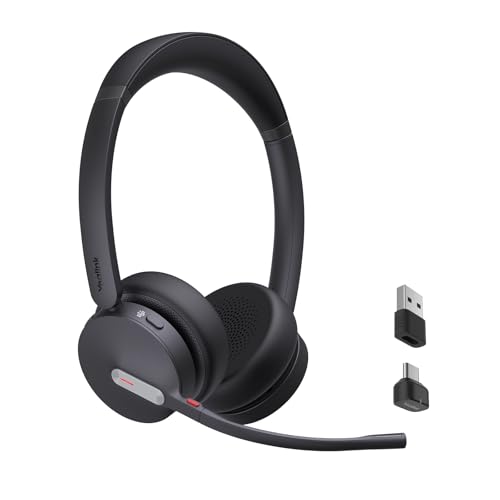
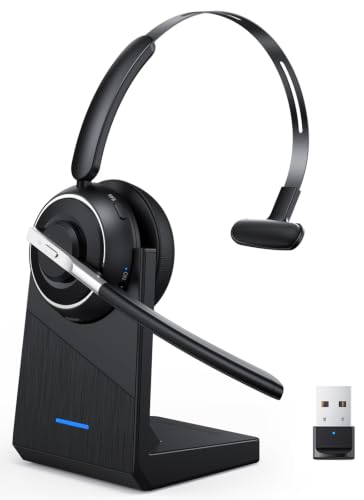
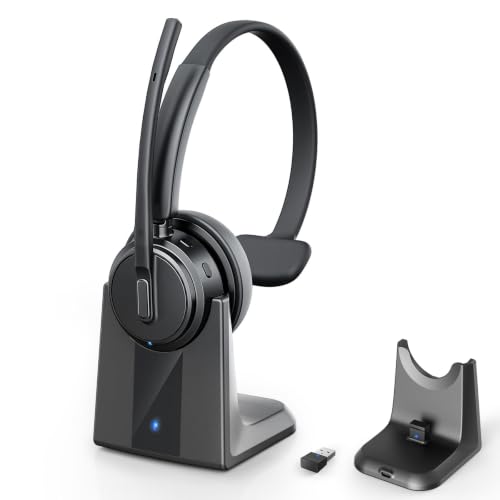
Use the comparison table below to scan connection types, battery claims and microphone styles, then read the sections for your type of work. The details that decide a good purchase are rarely the headline features. They are fit over a full shift, how your voice sounds to callers and how fast you can mute, reconnect or swap to a charged unit.





Who Should Buy Which Type of Call Center Headset?
For Students and Everyday Users
Students working part time support jobs and everyday users taking calls from home need stability, long battery life and a fair price more than advanced features. A single ear headset with a clear boom microphone keeps one ear open for family or roommates, while a dual ear model helps focus during study breaks between calls. Prioritize simple controls, a mute button you can find by touch and a connection that works with both a laptop and a phone. Avoid paying extra for app features you will never open.
For Gamers and Power Users
Power users who move between calls, video meetings and focused work need low latency, strong drivers and multipoint connections that hold two devices at once. If you also game after your shift, look for a headset whose microphone detaches or swings away and whose ear cushions seal well without clamping hard. The risk with feature rich models is weight. A heavy headset that feels fine for a one hour gaming session can ache by hour six of a shift, so check the listed weight and choose lighter frames when you wear glasses.
For Remote Workers and Creators
Remote workers and creators live on calls, recordings and video meetings, so microphone quality and connection reliability come first. A boom microphone placed close to your mouth, with noise reduction tuned for voices, will make you sound clear even when a fan or dishwasher runs nearby. USB connections often give the most stable results with call software, while Bluetooth adds freedom to stand and stretch. If your work involves recording your voice, check that the headset passes a clean signal without heavy processing you cannot turn off. Our broader guide to the best call center headsets covers desk setups where noise cancelling is less of a priority.
For Travelers and Commuters
Agents who work from hotels, shared spaces or a train need a headset that is light, folds flat and survives being tossed into a bag. Battery life matters more than sound tuning here, because charging chances are unpredictable. A hard or firm case protects the boom arm, which is the part most often damaged in transit. Choose models with a wired backup option, since a USB cable or audio cable keeps you working when the battery dies minutes before a shift. For general travel use outside call work, the models in our guide to the best noise cancelling headsets show how ANC designs differ when music is the main job.
Picking the Right Headset for Different Uses
Best Headsets Noise Cancelling for Call Center: What to Prioritize
When you shop specifically for best headsets noise cancelling for call center work, prioritize the microphone over the speakers. Callers judge you by your voice, so microphone noise reduction that removes keyboard sounds and nearby talkers matters more than deep bass. Next, check that ANC reduces steady office hum without creating pressure discomfort, and confirm the headset is certified or at least listed as compatible with your calling platform, because mute and answer controls sometimes only work fully over USB.
Wearing style is the third decision. Dual ear headsets block more distraction and suit open offices. Single ear headsets suit supervisors and home agents who need to hear their surroundings. If your team hot desks, choose a model with a standard connection and replaceable cushions so units can be shared hygienically. Readers who want a fully cordless setup for a home office can compare options in our guide to the best wireless noise cancelling headsets before deciding.
Key Features to Compare
Sound Quality and Tuning
For call work, sound quality means clear voices rather than cinematic bass. Drivers tuned with a mild lift in the speech range make callers easier to understand at lower volumes, which reduces listening fatigue. Frequency response figures tell only part of the story, because fit and seal change what you hear. A practical test is a recorded call with a soft spoken caller. If you keep raising the volume to catch words, the tuning or the fit is wrong for you, no matter how impressive the spec sheet looks.
Durability and Water Resistance
Headsets fail at hinges, cables and microphone booms long before the electronics wear out. Look for reinforced boom joints, replaceable ear cushions and cables you can swap instead of discarding the whole unit. IP ratings such as IPX4 cover splashes and sweat, while IP67 signals strong protection against dust and brief immersion, which matters for agents who work partly outdoors or in warehouses. Most desk agents do not need a high IP rating, but everyone benefits from a boom that survives being bent the wrong way once.
Battery Life and Charging
Talk time is the figure that matters, and it is always lower than the advertised listening time. A headset rated for a full work week of calls on one charge gives you a real buffer for forgotten charging. Fast charging that adds several hours from a short plug in session is genuinely useful before an unexpected shift. Charging docks keep a headset topped up and easy to find, while USB C charging lets you share a cable with your laptop and phone. Plan for battery aging too, since a sealed battery that fades after two years can end an otherwise good headset.
Ecosystem and App Features
Companion apps can adjust EQ, update firmware and change what the buttons do, and multipoint Bluetooth 5.3 connections make switching between a computer and a phone smooth. Codec support affects latency and call clarity on some phones, though for most call platforms the microphone and connection stability matter far more. Check whether key settings live in the app only, because agents on locked down work computers may not be able to install it. A headset that works fully from its onboard controls is the safer choice for managed IT environments. If microphone performance is your top concern across all uses, our guide to the best noise cancelling headsets with mic explains boom and built in microphone trade offs in more depth.
Common Mistakes to Avoid When Buying a Call Center Headset
- Choosing by price alone and ending up with a microphone that makes you sound distant to every caller.
- Ignoring fit and clamping force, then discovering the headset hurts with glasses after the return window closes.
- Buying a Bluetooth only model for software that handles mute and call control properly only over USB.
- Forgetting to check cushion and cable replacement parts, so a small worn part forces a full replacement.
- Assuming ANC removes noise for your callers, when ANC helps what you hear while microphone noise reduction helps what they hear.
Tips to Get the Most From Your Call Center Headset
Keep firmware updated, because updates often fix connection drops and improve microphone processing. Store the headset in a case or on a stand to protect the drivers and the boom joint, and clean ear tips and pads regularly with a slightly damp cloth so oils do not break down the cushion material. Position the boom about two finger widths from the corner of your mouth rather than directly in front of it, which reduces breath noise. Finally, do a short test call after any software update at work, since platform updates sometimes reset which device is set as the default microphone.
Call Center Headsets: Your Questions Answered
How long does the battery last on a call center headset?
Most wireless call headsets deliver about 20 to 40 hours of talk time per charge, with standby time far longer. Your real figure depends on ANC use, volume and how often multipoint holds two connections at once. A useful habit is charging during lunch once or twice a week rather than waiting for a low battery warning, because a partly charged headset that dies mid call is usually the result of several short days adding up.
Is ANC worth the extra cost on a call center headset?
Yes, ANC is worth it if you work around steady noise such as air conditioning, traffic or a busy open office, because it lowers the background you hear and helps you focus. It does less against nearby voices, which change too quickly for cancellation to track. Remember that ANC does not clean up your outgoing voice. That job belongs to the microphone system, so spend on ANC only after the microphone quality is good enough.
Wired or wireless: which sounds better for call center work?
Wired headsets sound more consistent because the connection never drops and there is no battery to manage, which is why many centers still issue them. Modern wireless models sound just as clear for voice calls, since speech needs far less bandwidth than music. Choose wireless if you stand, walk or switch devices during shifts. Choose wired if you sit at one desk, want the lowest cost per seat or need guaranteed compatibility with older desk phones.
Do I need a special codec in a call center headset?
No, most buyers do not need to shop by codec for call work. Call platforms compress voice heavily on their own, so microphone placement and noise reduction shape your sound far more than codec choice. Codecs matter more for music listening between calls and for latency on video, where lip sync can drift. If you mostly take calls, treat codec support as a minor bonus rather than a reason to pay more.
What IP rating do I need for outdoor use of a call headset?
IPX4 is enough for light rain, sweat and splashes during occasional outdoor calls. Choose a higher rating such as IP67 only if the headset will face dust, heavy rain or warehouse conditions regularly. Keep in mind that a high IP rating says nothing about wind noise, which is the bigger outdoor problem for callers. A boom microphone with a foam windscreen will improve outdoor calls more than extra water protection on the ear cups. Agents who split time between calls and play may also glance at our guide to the best noise cancelling gaming headsets for low latency options.
Wrapping Up
Decide in this order: microphone clarity first, fit for a full shift second and ANC third. Then match the connection type to your software and desk setup, and check that cushions and cables can be replaced. Scan the product table above with those priorities in mind, and the best call center headsets noise cancelling choice for your job will usually be the one that keeps your voice clear and your ears comfortable, not the one with the longest feature list.


