Best Bose Headsets for 2026: Which One Fits the Way You Use It?
Disclosure: We may earn a commission when you buy through links on this page, at no extra cost to you. As an Amazon Associate I earn from qualifying purchases. Learn more

Compare the best bose headsets by routine, with plain guidance on noise cancelling, fit, battery life, call quality and sound for work and travel.
No single headset fits every routine, because a headset earns its place one ordinary day at a time. The set that feels perfect on a long flight may annoy you on calls, and the pair you love at your desk may be wrong for the train. The best bose headsets are simply the ones whose strengths line up with the hours you actually spend listening, talking, and moving between the two.
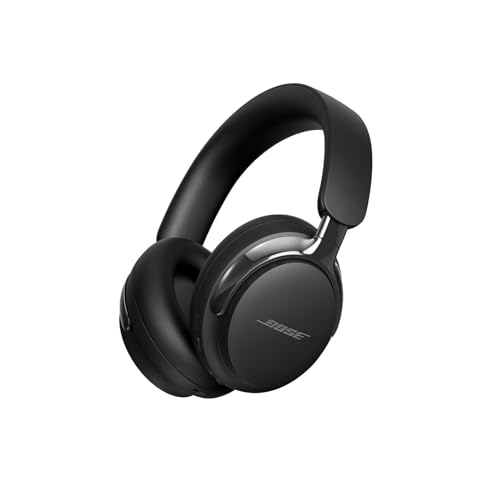
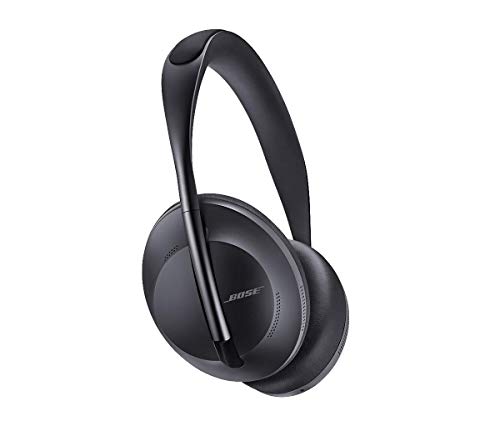
This guide sorts the choice by routine first and features second. The comparison table below lays the main headset classes side by side, and the feature sections explain which details matter for each routine and which you can safely skip.

Who Should Buy Which Bose Headsets?
Start by naming your main routine, because sorting the best bose headsets by how you live works far better than sorting by price. Most buyers fall mainly into one of the four groups below, even if they visit the others now and then.
For Remote Workers and Creators
Your headset is a work tool, so microphone clarity comes first: callers should hear your voice cleanly even with a fan or traffic in the background. Multipoint connection matters next, since it lets the headset stay paired to your laptop and phone at once and switch without a settings dive. Long wear comfort and a reliable wired backup mode round out the list, because a dead battery should never cancel a meeting. Expect to pay about $200 to $350 for this mix.
For Students and Everyday Users
You need one dependable pair that handles lectures, music, and calls without fuss, so battery life and simple controls beat exotic features. Look for battery life that covers several full days of use, a fit that stays comfortable through a study session, and a case that survives a backpack. Folding designs and lighter builds pay off here. Most students land happily at about $150 to $250, where the range offers strong sound without travel grade cancelling.
For Gamers and Power Users
Gaming asks for low latency, so a wired mode or a low delay wireless link matters more than it does for music, and a clear microphone matters for team talk. Judge a Bose headset by sound, comfort, and call quality alone.
For Travelers and Commuters
Your enemy is the steady drone of engines, wheels, and cabin air, and that is exactly the sound class that noise cancelling handles best, as the feature section below explains in full. Beyond cancelling, you want a compact folded size, a hard case for bags and seat pockets, and battery life that covers the longest travel day you actually take. Light weight matters more than most buyers expect, because a headset that feels fine for ten minutes can ache by hour three.
Key Features to Compare
Noise Cancelling and the Constant Sounds Around You
Noise cancelling works by listening to the sound around you and producing an opposing signal that softens it before it reaches your ears. Stated plainly, a strong noise cancelling class governs the low steady drone on a plane and in an office, which is why the same headset can feel dramatically quieter on a flight than on a busy street. Sudden and changing sounds, like nearby voices or a door closing, fade far less, so treat cancelling as a drone reducer rather than a silence maker. If your routine is built around travel or a noisy open office, start your comparison with best noise cancelling headsets and weigh this feature above all others.
Fit, Clamp and Ear Cup Comfort
Comfort over hours comes down to two forces working together: the clamp that presses the headset against your head, and the ear cup that spreads that pressure around or over your ear. A firm clamp keeps the headset stable while you move, but the same force can ache on a long call day, so cup size and padding depth decide whether the balance feels kind. Glasses wearers should pay extra attention, because arms break the ear cup seal and can leak both sound and cancelling strength. If you can, wear a candidate pair for fifteen minutes rather than fifteen seconds before deciding.
Battery Life and Charging
Rated battery hours are measured under gentle conditions, usually with cancelling on at a moderate volume, so treat the number on the box as a best case rather than a promise. What matters more is how the figure compares with your longest day: a weekly charge suits most desk workers, while frequent travelers should want a reserve. A quick charge feature is worth having, since a short plug in before you leave can restore hours of listening.
Sound Quality and Tuning
Sound quality starts with the driver, the small speaker inside each cup, and with how the maker tunes it. Frequency response figures describe the range of tones a headset can reproduce, but the plain English version is simpler: some tunings push the bass forward for energy, while flatter tunings keep voices and instruments closer to the recording. An app based equalizer lets you adjust that balance yourself, which is worth more than a fixed signature you cannot change. Readers comparing across makers often start with best quality headsets to see how tuning philosophies differ before settling on one house sound.
App, Multipoint and Everyday Extras
The companion app is where firmware updates, equalizer settings, and cancelling levels live, so a clear app adds real value over the life of the headset. Multipoint pairing earns a mention here because it quietly removes the most common daily annoyance, which is re pairing between devices. Wear detection that pauses music when you lift a cup off is a small extra that proves useful many times a day. None of these extras rescue weak sound or a poor fit, so rank them after the four features above.
Common Mistakes to Avoid When Buying Bose Headsets
- Choosing by price alone, so the cheapest pair ends up weak in the one feature your routine needs most.
- Ignoring the app and ecosystem, then missing firmware updates and settings that improve the headset over time.
- Buying a bulky travel model for desk only use, and paying for folding parts and a hard case you never touch.
- Skipping the fit check, even though clamp force and cup size decide whether hour two feels fine or painful.
- Forgetting to check the warranty terms, which matter more on a headset you will charge and carry every day.
Tips to Get the Most From Your Bose Headset
Keep the firmware updated through the app, because updates often refine cancelling and connection stability long after purchase. Store the headset in its case when you are not wearing it, since the case protects the drivers, the cups, and the headband joints from bag damage. Clean the ear tips and pads regularly with a dry cloth, because oils and dust slowly dull both comfort and sound.
Volume habits deserve a place in any care routine. Your ears are the meter that matters: if a session leaves your ears ringing, treat that ringing as a stop signal and turn the volume down next time, because repeated ringing after listening is a warning worth respecting. For workouts, judge a different checklist of secure fit and sweat resistance, which is why guides to best headsets for gym rank features in a different order than this one.
Frequently Asked Questions
Wired or wireless: which sounds better?
Wireless sounds better for most everyday listening, because modern Bluetooth carries music cleanly and frees you from the cable. A wired connection still earns its place in two situations the wireless mode cannot match: it keeps working when the battery is empty, and it removes the small delay that can bother gamers and video editors. If your routine includes long calls at a fixed desk, keep the cable in the case as a backup rather than a daily habit.
Is ANC worth the extra cost?
Active noise cancelling is worth the extra cost when your routine includes flights, trains, or a loud shared office, and much harder to justify for a quiet home. One benefit buyers rarely hear about is volume: with the drone softened, most people listen at lower levels, which is gentler on their ears across a long day. If your rooms are already quiet, passive isolation from a good ear cup seal may cover your needs for less money.
How long does the battery last?
Battery life lasts as long as the rated figure only under gentle conditions, so expect a real day of mixed calls and music to land somewhat below the number on the box. A point the feature section did not cover is ageing: the battery slowly holds less charge over the years, and storing the headset partly charged rather than full or empty slows that fade. A quick charge before a trip remains the simplest insurance against a flat battery.
Do I need a special codec?
No, you do not need a special codec for clear calls or enjoyable music, because the standard Bluetooth codec already handles both well. Higher grade codecs only help when both your phone or laptop and the headset support the same one, and even then the difference shows mostly in quiet rooms with careful listening. Spend your attention on fit, microphone quality, and battery life first, since those shape every day far more than codec labels do.
What IP rating do I need for outdoor use?
For outdoor use you need at least a splash resistant rating, shown by a code such as IPX4, which covers rain and sweat but not a dunk in water. The first digit of a full code rates dust protection and the second rates water, and an X means that side was not rated at all. Remember that the rating says nothing about drops, so a protective case still matters for any headset that travels in a bag.
Wrapping Up
Match the headset to your routine first, then weigh noise cancelling, fit, and battery life in that order, and the right choice usually becomes obvious. The product table above shows how the main classes stack up once you know which group you belong to. Whichever way you land, the best bose headsets for you are the ones that disappear into your day, doing their work on planes, calls, and commutes without asking for attention.