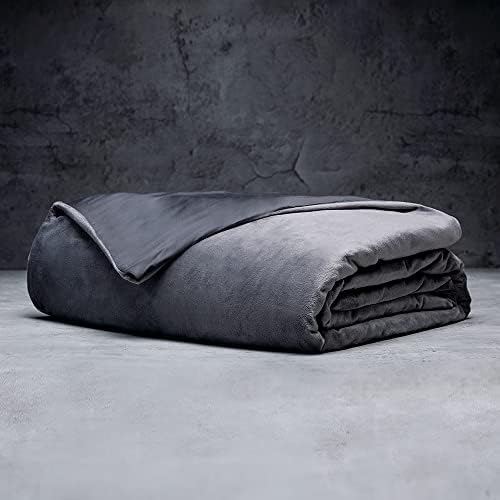
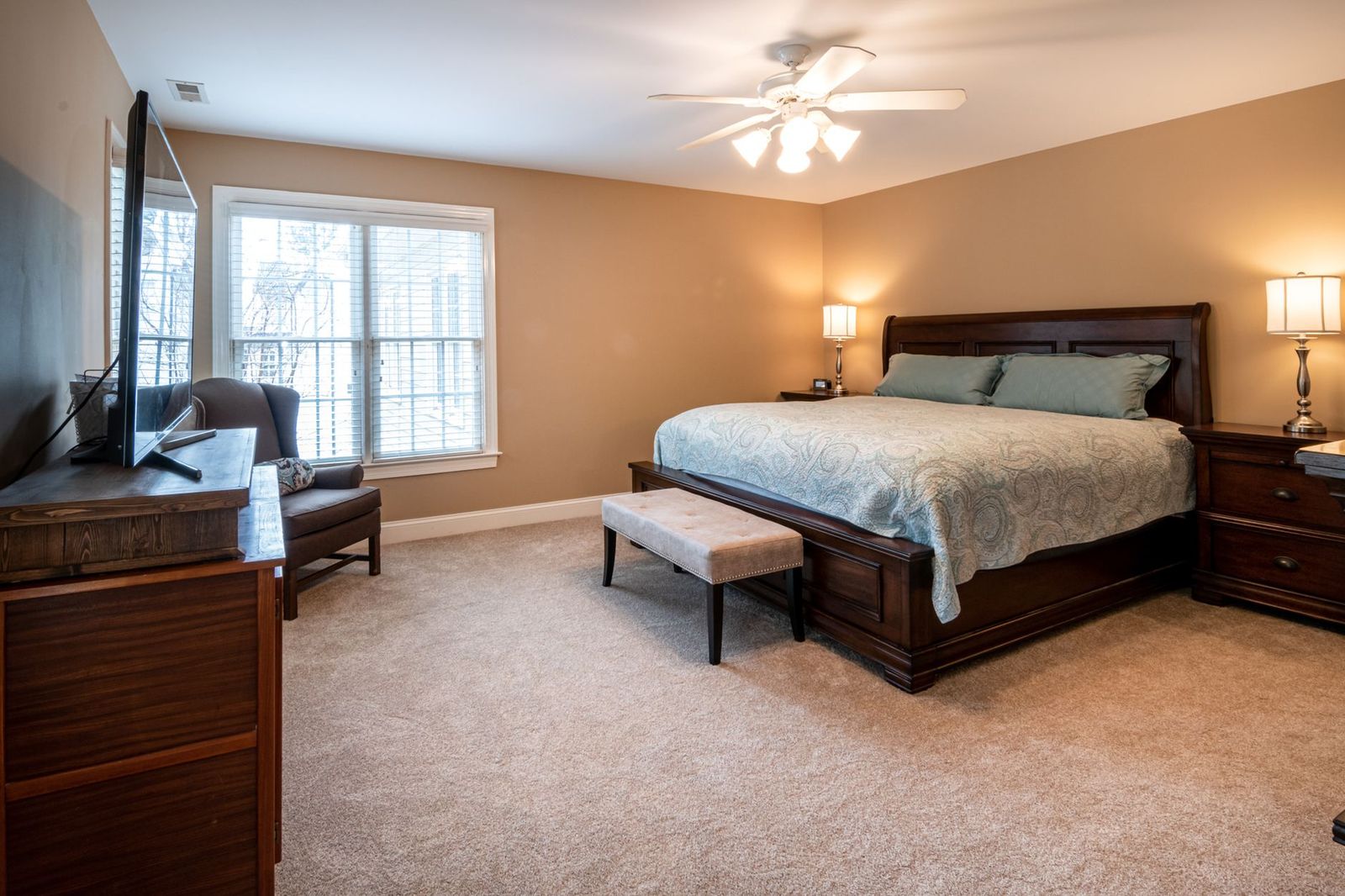
Best California King Quilts: Every Type Explained Side by Side for 2026
Disclosure: We may earn a commission when you buy through links on this page, at no extra cost to you. As an Amazon Associate I earn from qualifying purchases. Learn more

Compare the best california king quilts by fabric, fill, loft and care needs, with sizing tips and a checklist to help you choose with confidence.
A California king bed is longer and narrower than a standard king, so a quilt that fits one often falls short on the other. Add the choice of fabrics, fills and loft levels, and shopping for best california king quilts can feel confusing fast. This guide compares each quilt type side by side, explains who each type suits, and shows you the measurements and care details that matter most.
Use the comparison table below to scan the main options, then read the sections that match your sleep style. A few minutes spent on drape, fill weight and fabric now will save you from a quilt that looks generous in photos but leaves your feet uncovered in real life.
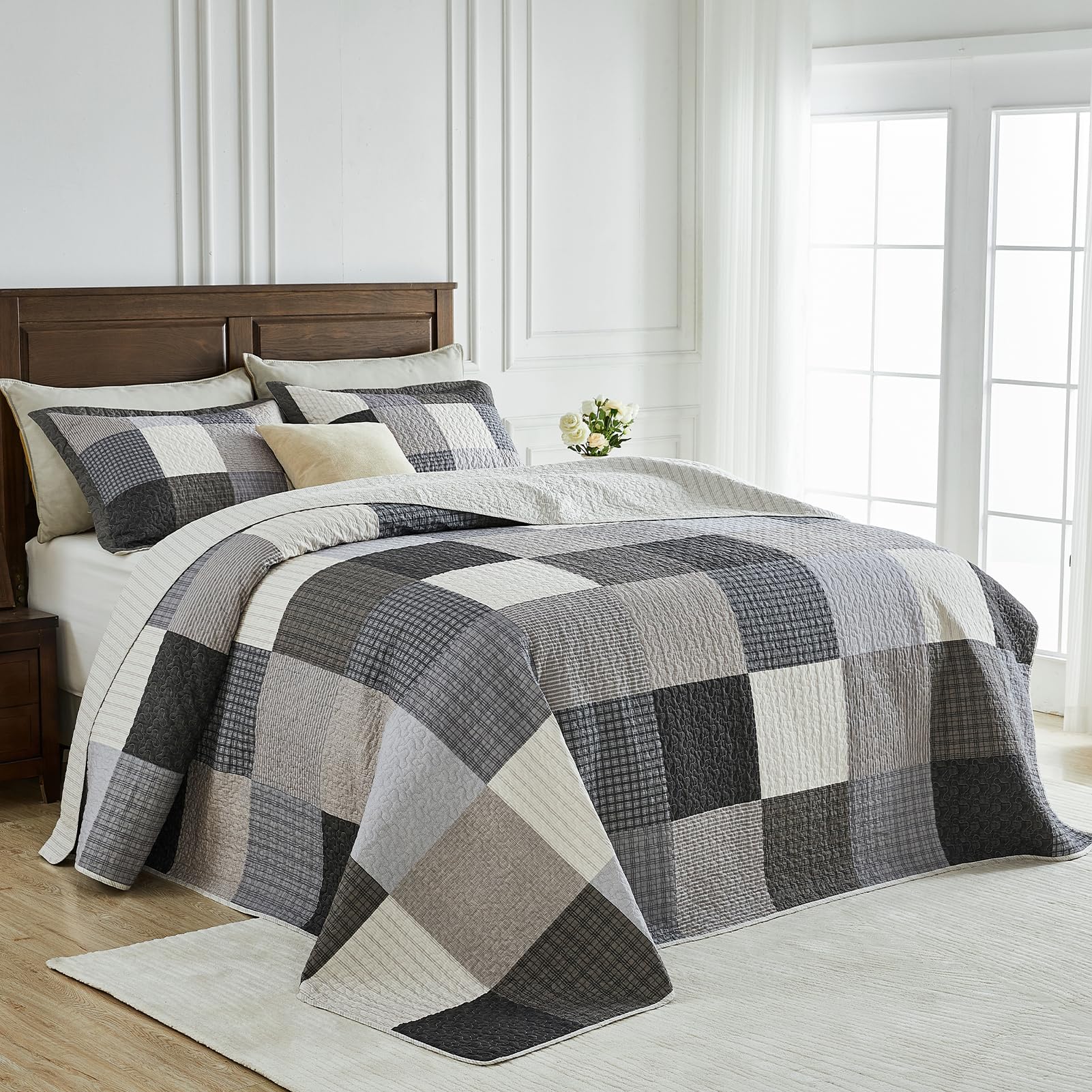

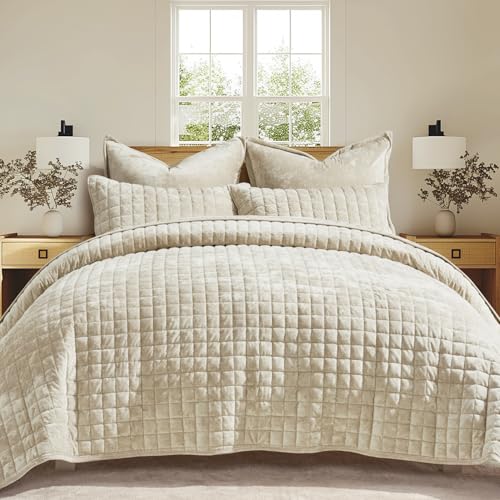


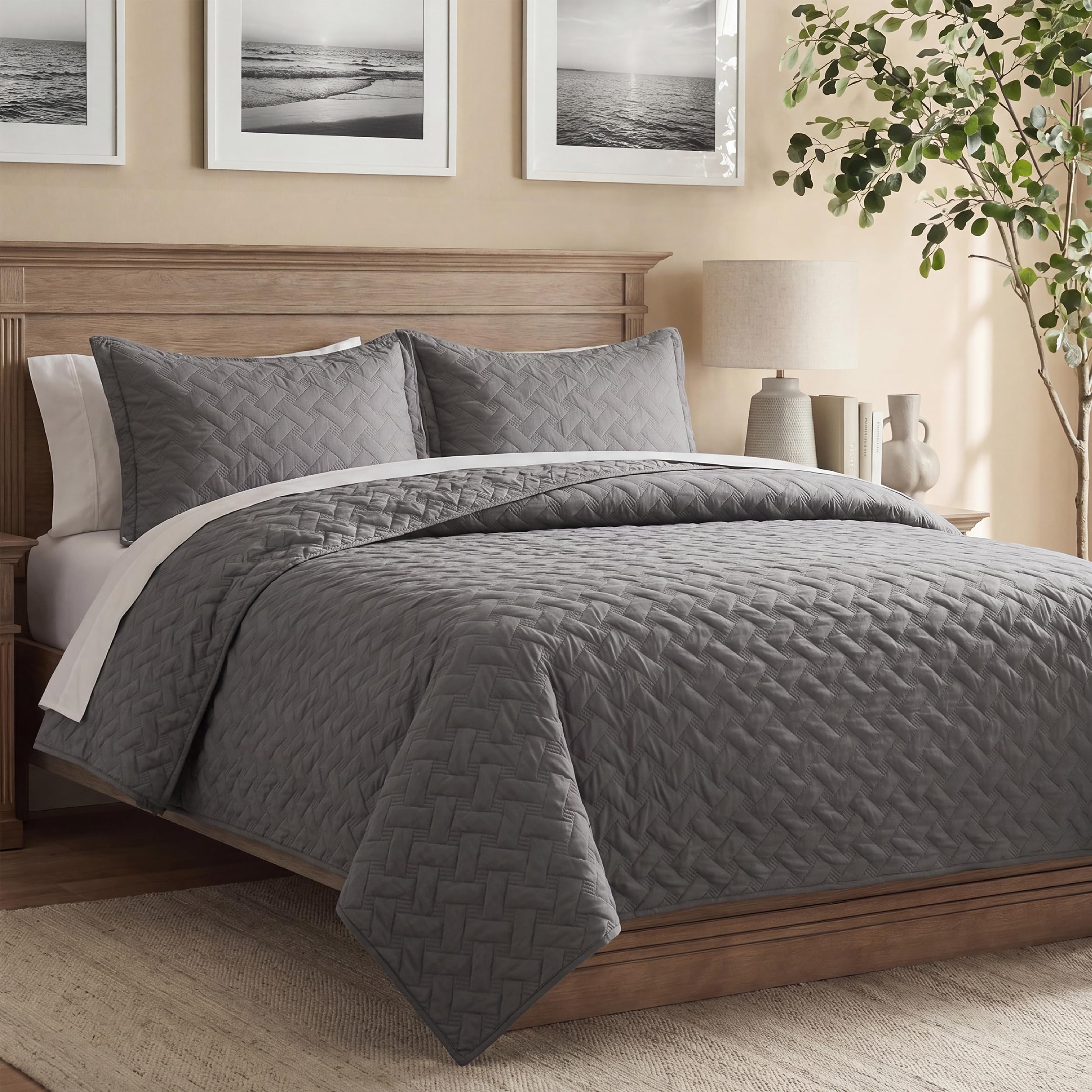


Types of California King Quilts Compared
California king quilts generally fall into three broad families based on how they handle warmth. Cooling fabric quilts move heat and moisture away from your body. Hybrid quilts combine a breathable shell with a blended fill for balanced warmth across seasons. Coverlet style quilts are thin, reversible, and meant for layering over sheets or under a heavier blanket. None of these is best for everyone, because your room temperature, sleep position and partner preferences all change the answer.
Price follows construction more than brand. Simple cotton quilts with a light fill often cost under $100. Midrange options with linen, bamboo derived fabrics or blended fills usually sit around $100 to $250. Premium quilts with dense stitching, generous sizing and natural fills can cost about $250 to $400. If you are comparing sizes across categories, our guide to the best king quilts explains how standard king dimensions differ from California king dimensions.
Cooling Fabrics
Cooling quilts use fabrics such as cotton percale, linen or bamboo derived rayon that feel cool to the touch and let air move through the weave. The fill is usually thin, so heat escapes instead of building up under the cover. Hot sleepers, couples who run at different temperatures and anyone in a warm climate usually do best with this type.
The trade off is limited warmth in winter. A cooling quilt alone may feel too light in a cold bedroom, so many people layer it over a warmer blanket in January and use it alone in July. Look for a tight, even stitch pattern, because loose quilting lets the thin fill shift toward the edges after a few washes.
Hybrid
Hybrid quilts pair two materials to balance competing needs. A common design uses a cotton or linen shell for breathability with a fill that blends down alternative fibers and a small share of natural fill for loft. The result traps enough air to feel warm on cool nights while still venting better than a heavy comforter.
This is the most forgiving choice if your bedroom temperature swings with the seasons or if you share the bed with someone who sleeps cooler than you. The downside is weight and drying time. Blended fills dry more slowly than plain cotton, so check that your washer and dryer can handle a bulky California king load before you buy.
Coverlet Style
Coverlet quilts are thinner and flatter than a typical quilt, with light batting and a reversible patterned or textured face. They suit warm bedrooms, layering over a blanket in winter, and a tidy made bed look. Because they are light, they wash and dry quickly in a home machine, which makes them easy to rotate with a heavier layer.
The trade off is less warmth and less loft, so they work best as a three season piece. People who want warmth without bulk often look at the best california king blankets instead, since a blanket gives a flatter and lighter layer.
Cooling Fabrics vs Hybrid: Which Should You Choose?
Start with temperature. If you regularly wake up warm or kick covers off, cooling fabrics win on breathability and moisture control. If you feel cold by morning at least part of the year, the hybrid holds warmth better without the stuffy feel of a thick duvet.
Next, compare care and weight. Cooling quilts are lighter, wash more easily and dry faster, which suits busy households and guest rooms. Hybrids feel more substantial and drape more smoothly, but they need a large capacity washer and more drying time. Finally, think about layering. A cooling quilt plus a separate winter blanket gives you two adjustable pieces. A hybrid gives you one piece that works most nights. Choose based on whether you prefer flexibility or simplicity, and check the product table above for the sizes and fills currently offered in each family.
How to Choose the Right California King Quilt
Certifications
Labels such as OEKO TEX tell you that the finished fabric was screened for harmful substances at set limits, which matters for something that sits against your skin for hours each night. CertiPUR US applies to foam components, so it is relevant only when a quilt includes a foam layer. RDS, the Responsible Down Standard, concerns animal welfare in down supply chains. A certification does not guarantee comfort, but a missing or vague claim is a reason to ask the seller for specifics before you spend money.
Durability and Care
Durability shows up in stitch density, binding quality and how the fill behaves after washing. Box stitching and channel stitching both keep fill in place, while cheap quilting with wide spacing lets fill clump. Check whether the quilt is machine washable, what water temperature the maker allows and whether a sleep trial or return window lets you test the drape at home. A practical tip is to wash the quilt once before judging its loft, because many fills relax and spread more evenly after the first gentle cycle.
Firmness, Loft and Sleep Position
For a quilt, firmness really means loft and weight rather than mattress support. Side sleepers often like a medium loft quilt that fills the space around the shoulder without pressing on it. Back sleepers usually prefer a lighter, flatter quilt that does not bunch at the neck. Stomach sleepers tend to sleep warmest, so a thin cooling quilt reduces overheating. Body weight matters too. Heavier sleepers compress fill more and may want a slightly higher loft so the quilt still feels cushioned by morning.
Material and Fill
Shell fabrics set the surface feel. Cotton percale feels crisp and breathes well, cotton sateen feels smoother and slightly warmer, linen feels textured and very breathable, and bamboo derived fabrics feel silky but need gentler washing. For fill, down is light and very warm for its weight but costs more and needs fluffing. Down alternative fills cost less, wash more easily and suit people who avoid animal products, though they can feel less lofty over time. If you are furnishing a whole bed at once, coordinated options in our guide to the best king size quilt sets show how quilts pair with matching shams, though you should confirm that any set is truly sized for a California king.
Sizing deserves its own check. A California king mattress measures about 72 inches wide and 84 inches long. For a drape that covers the sides of the mattress, look for a quilt around 104 to 110 inches wide and 92 to 96 inches long, then adjust for mattress depth. Shoppers who mix up the two king sizes often end up short on length, which is why our guide to the best king size quilts is worth a quick read before you order.
Tips to Get the Most From Your California King Quilt
Rotate the quilt end to end every few weeks so the fill wears evenly and the foot end, which takes the most pulling, gets a rest. Wash sheets weekly in warm water so body oils do not migrate into the quilt as quickly, and use a mattress protector to keep the whole bed cleaner. Shake the quilt out when you make the bed, because a few seconds of shaking redistributes light fills and restores loft. Store a spare quilt in a breathable cotton bag rather than a sealed plastic bin, since trapped moisture can leave a stale smell that takes several airings to clear.
Frequently Asked Questions
Are cooling California king quilts worth it for hot sleepers?
Yes, for most hot sleepers a cooling quilt is worth it because the thin fill and breathable weave reduce the heat buildup that disrupts sleep. The added benefit many people miss is laundry convenience. Cooling quilts are light enough to wash at home weekly in summer, when sweat makes frequent washing more important than it is with a heavy winter cover.
Is a higher thread count always better in a California king quilt?
No, a higher thread count is not always better. Beyond a moderate range, very high counts can make the shell feel dense and less breathable, which works against cooling. Fiber quality and weave matter more. A well made percale with a modest count will usually outlast a fragile sateen with an inflated count, so judge the fabric in hand rather than the number on the label.
How often should I replace my California king quilt?
Most quilts last about five to eight years before the fill flattens or the shell thins at the edges. Replace yours sooner if the fill stays clumped after washing, if the stitching opens in several places, or if odors linger after a proper wash. A quilt used only in a guest room can last far longer, since total nights of use matter more than calendar age.
How do I wash California king quilts safely?
Wash in a large capacity machine on a gentle cycle with mild detergent, and avoid bleach unless the care label allows it. A useful detail is to add an extra rinse, because detergent residue left in a thick fill makes it feel stiff and attracts dirt faster. Dry on low heat and stop the dryer a few times to break up fill clumps by hand, or line dry in good airflow if the label permits.
What firmness is best for back pain with a California king quilt?
A quilt alone rarely causes or fixes back pain, because support comes mainly from your mattress and pillow. Choose a light to medium loft quilt so extra bulk does not push your shoulders or hips out of line, and avoid very heavy covers if turning in bed is difficult. If back pain is new, worsening or paired with numbness, talk with your doctor or a qualified clinician rather than changing bedding alone, and ask what sleep setup suits your personal condition.
Wrapping Up
Focus on three decisions: the quilt family that matches your temperature, the true California king dimensions for a proper drape, and a fill and shell you can care for in your own machines. Cooling fabrics suit hot sleepers, hybrids suit changeable seasons, and coverlet styles suit warm rooms and layering. Compare your shortlist against the product table above, and remember that the best california king quilts for your bed are the ones that fit its full length and match how you actually sleep. Readers still weighing the two king sizes can also see our overview of the best quilts for king bed options for a final size check.