Best California King Mattress for 2026: A Complete Buying Guide
Disclosure: We may earn a commission when you buy through links on this page, at no extra cost to you. As an Amazon Associate I earn from qualifying purchases. Learn more

A buying guide to the best california king mattress: size, firmness, materials, cooling, trial terms, and fit checks for 72 by 84 inch beds.
A California king gives you extra length, but it also narrows your choices for frames, sheets, and room layout. Choosing the best california king mattress means matching those 72 by 84 inch dimensions to your sleep position, body weight, and temperature needs before you fall for a comfort claim. The comparison table below sums up the main types and firmness options so you can narrow the field fast.
This guide walks through three buying profiles, the specs that actually change how this size sleeps, and the fit checks many shoppers skip. Our broader guide to the best mattress can also help if you are still weighing a California king against a standard king or queen.


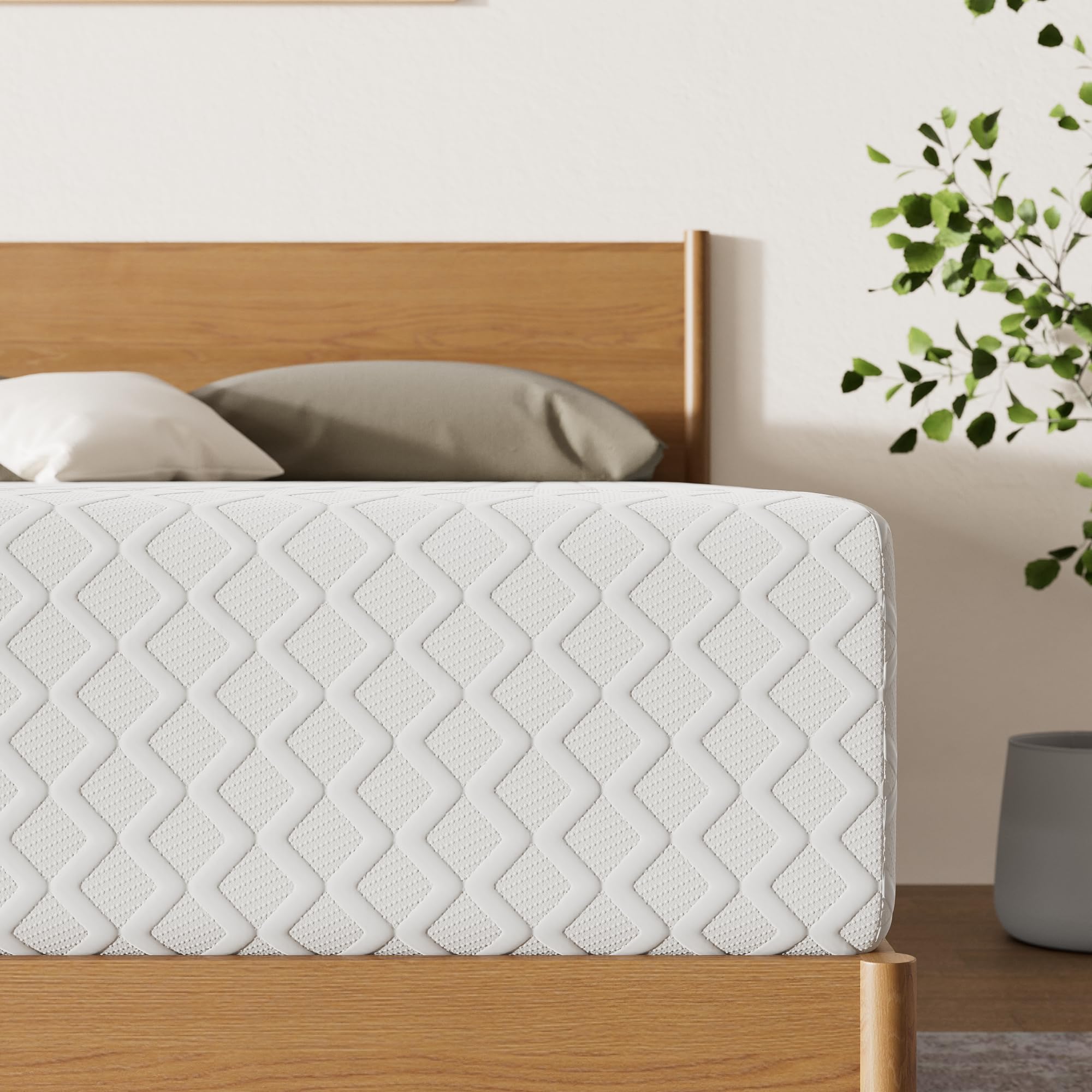
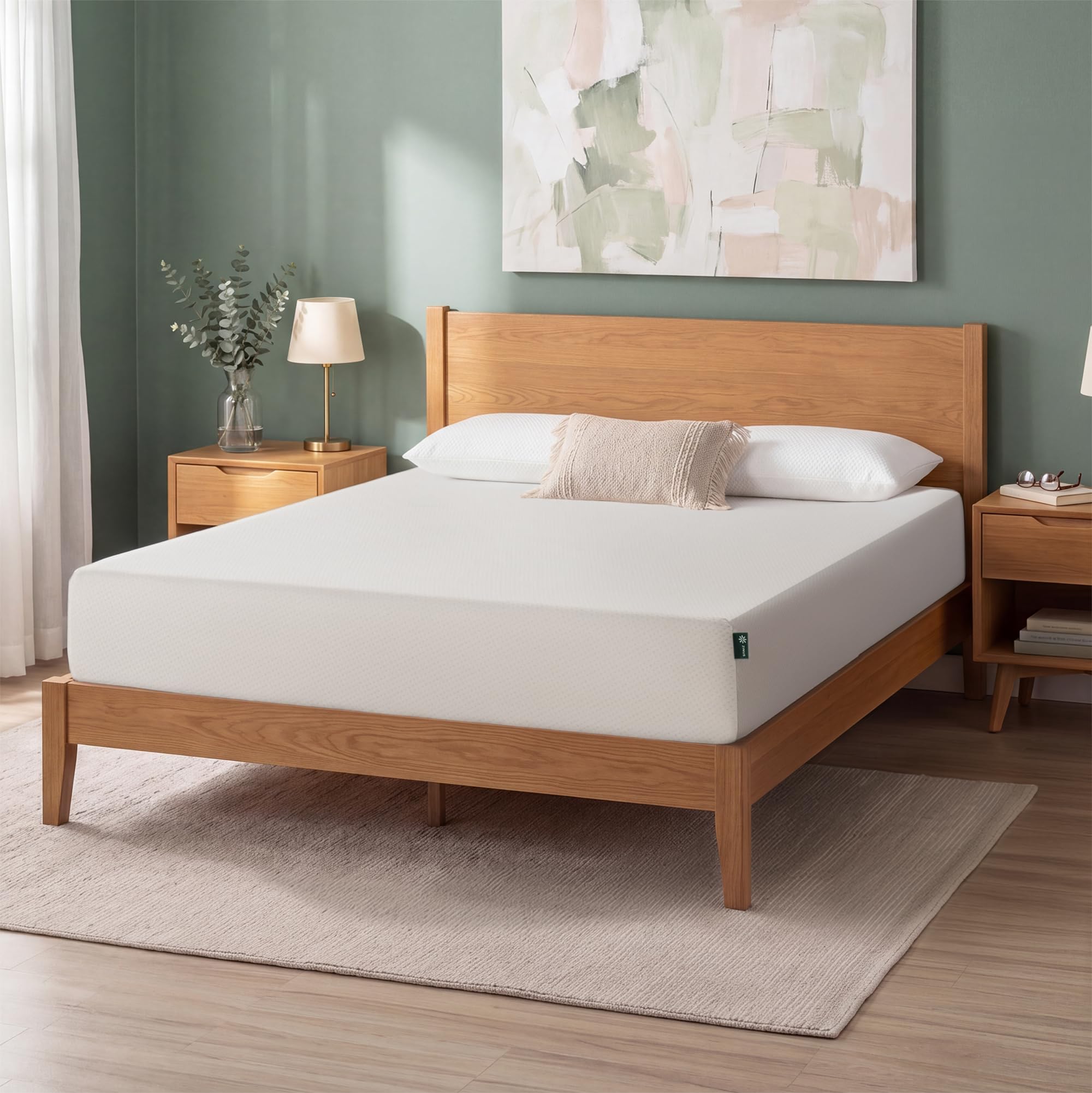

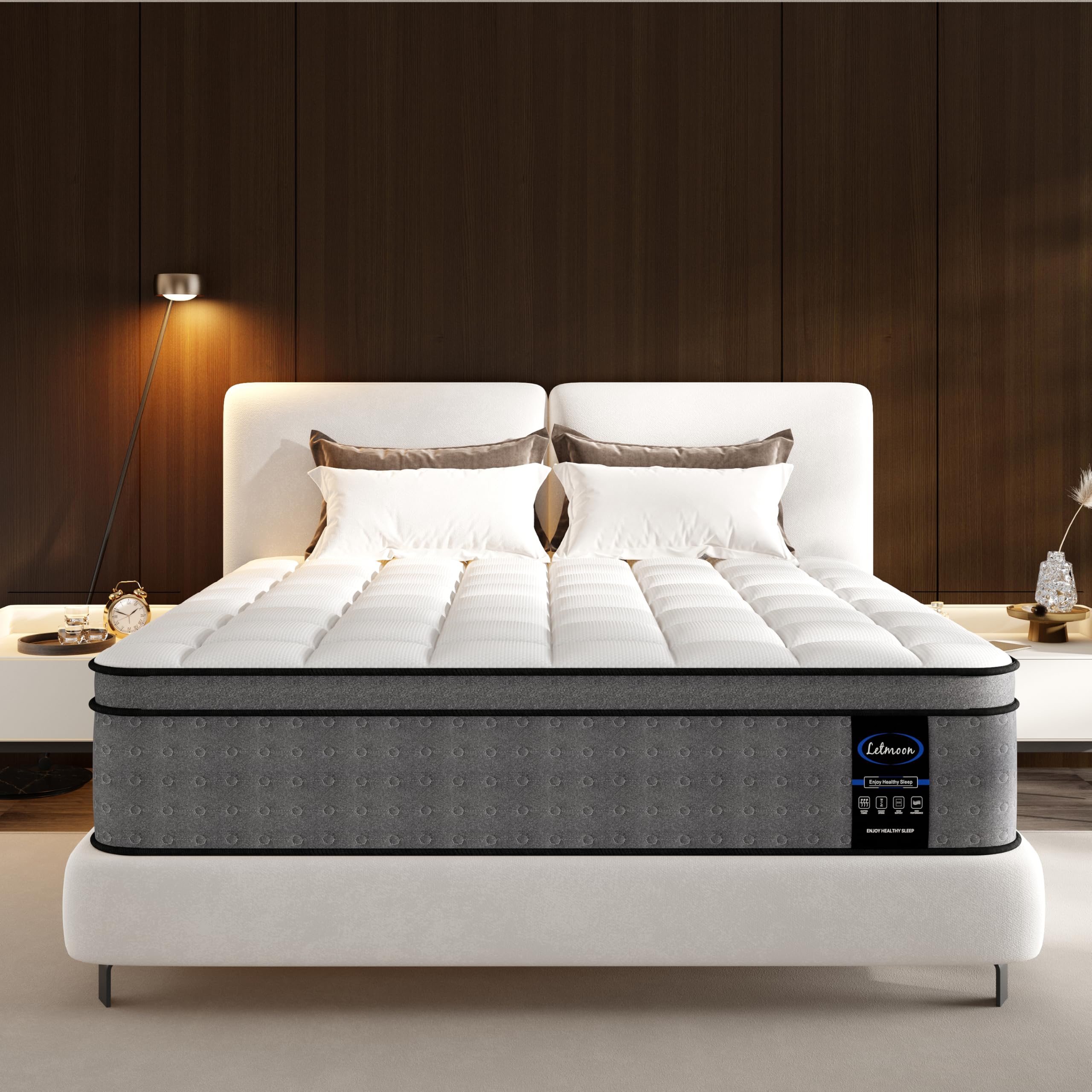
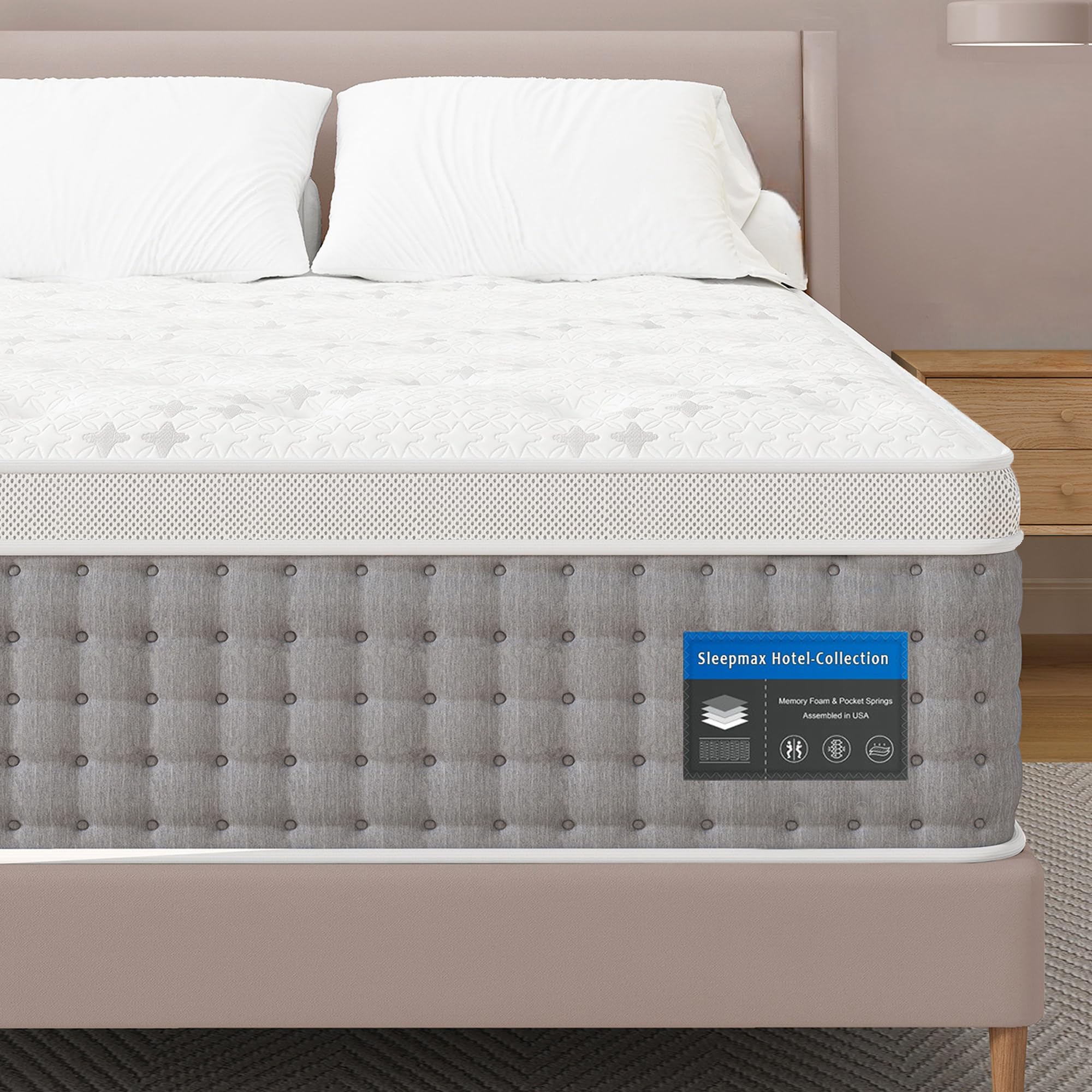

Three Buying Profiles and What to Prioritise
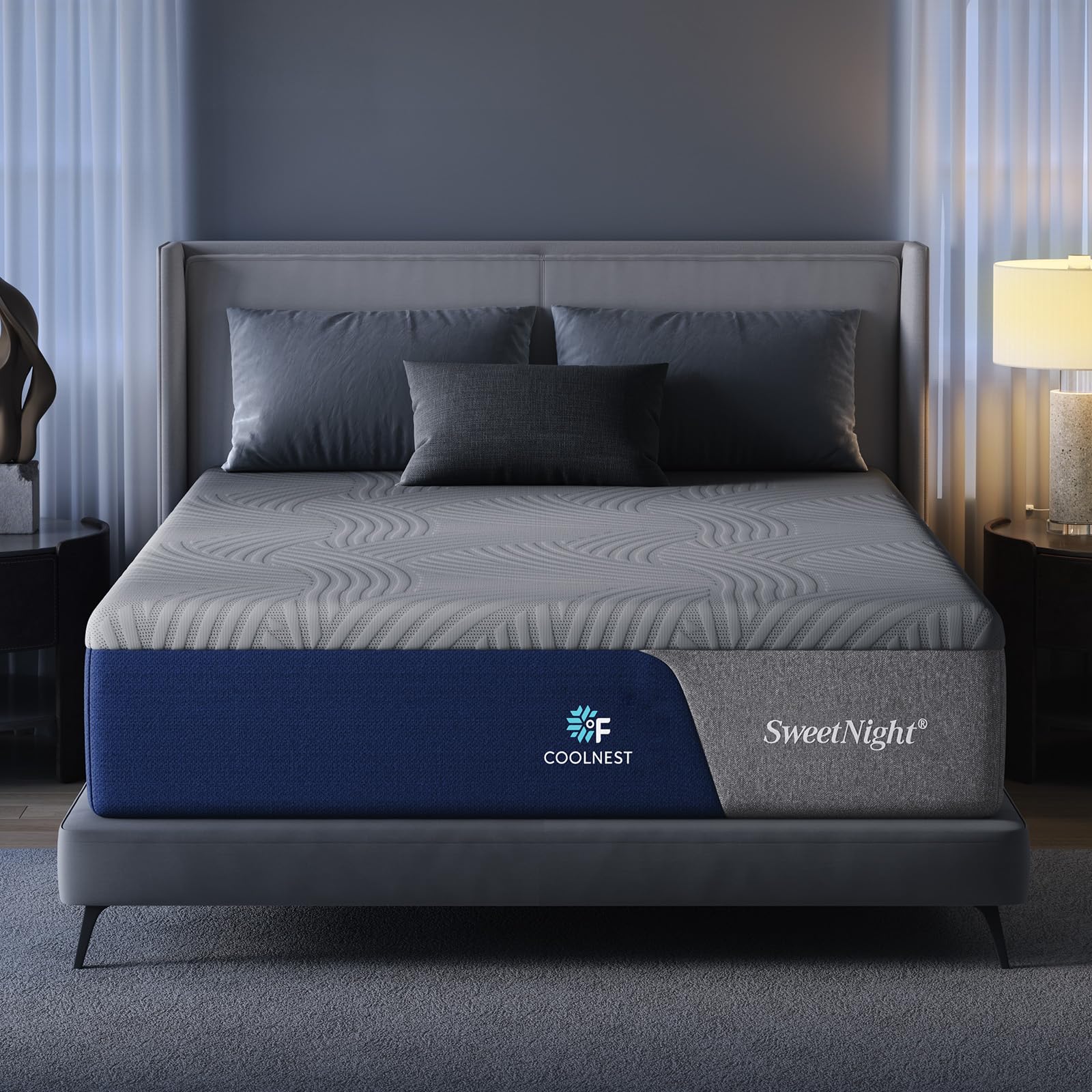
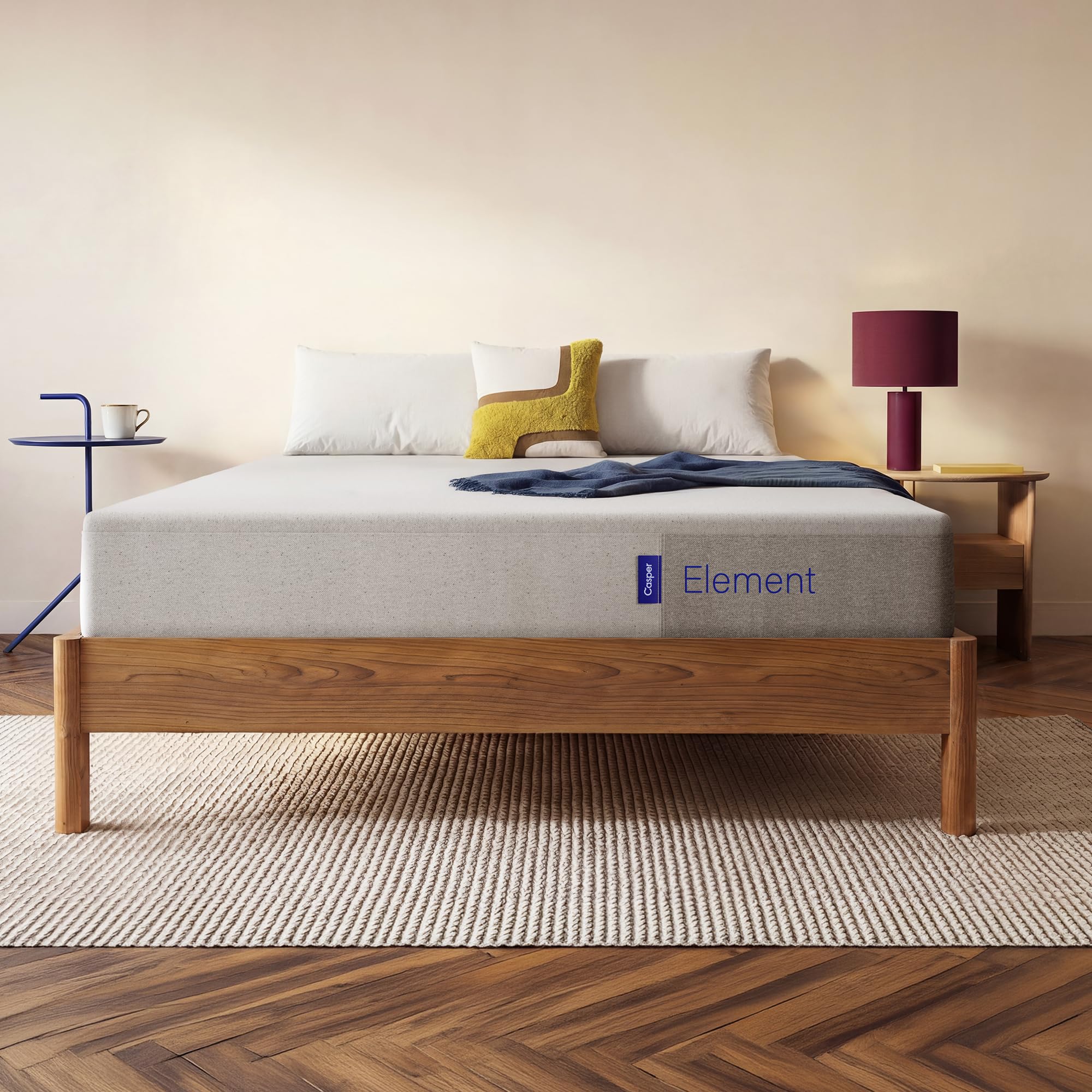
Instead of chasing a single winner, start with the profile that sounds most like you. Each profile points to a different mix of firmness, materials, and budget, and assumes the longer and narrower shape fits your room.
Balanced Comfort for Most Couples
Most couples do well with a medium firm feel, strong motion control, and enough edge support to use the full width. A hybrid build or a dense foam build can both work, so judge by pressure relief at the shoulders and steady support at the hips. If one of you sleeps on your side, our guide to the best mattress for side sleepers explains why shoulder cushioning matters more than a soft label. Prioritise a trial of at least 100 nights, since partner compromise rarely shows up in the first week.
Value Focused Profile for Guest Rooms and Careful Budgets
A guest room or a first apartment usually needs durability and easy care more than luxury layers. Look for a straightforward foam or basic hybrid build around 10 to 12 inches thick, with a washable cover if possible and a warranty of at least 10 years. Solid options often cost about $500 to $900 in this size, and spending less usually means thinner comfort layers that compress sooner. Skip costly cooling extras here and put the savings toward a proper frame and correctly sized sheets.
Premium Profile for Long Term Comfort and Support
If you plan to keep this bed for a decade, thicker comfort layers, stronger coils, and better edge reinforcement earn their cost. Expect to pay about $1200 to $2000 for this tier, with latex or advanced hybrid builds common at the top end. These models tend to hold their shape longer under heavier sleepers and run cooler. Check the return terms closely, because a premium price should come with a long trial and clear warranty cover for sagging.
How to Judge a California King Mattress
Judge every option against the same five points: comfort and support for your position, materials and certifications, temperature regulation, durability, and trial and warranty terms. Use maker spec sheets for layer heights and coil counts, and read owner feedback for patterns about sagging and heat rather than single opinions. Be wary of any seller who will not state foam densities, coil type, or total thickness in plain numbers.
How to Choose the Right Mattress
Size and Form Factor
A California king measures 72 inches wide and 84 inches long, so it is four inches narrower and four inches longer than a standard king at 76 by 80 inches. That trade suits tall sleepers and longer, narrower rooms, but it leaves each partner 36 inches of width, the same as a twin bed. Measure your room and leave at least 24 inches of walking space on each side and at the foot if you can. Also confirm that a California king frame, headboard, and bedding are available before you order, since standard king parts will not fit.
Type: Foam, Hybrid, Innerspring, and Latex
All foam models give the closest contour and the quietest feel, but they can trap heat and make turning harder. Hybrids pair foam or latex comfort layers with pocketed coils, which improves airflow, edge support, and ease of movement. Traditional innerspring models feel bouncy and cool but often transfer more motion, while latex feels responsive and durable with a gentle lift. If you are torn between the two most common builds, our explainer on hybrid vs memory foam lays out how each one handles heat and motion.
Features Worth Paying For
A pillow top can add welcome softness for side sleepers, but it should not be used to hide a support core that is too soft for your weight. A cooling cover helps only when the layers below it also let air move, so treat it as a bonus rather than the main cooling plan. Pocketed coils are worth paying for if you share the bed, because each coil moves on its own and limits disturbance. Firm, reinforced edges matter in this size, since the narrower width means you will sleep closer to the side more often.
Sleep Position and Body Type
Side sleepers usually need a medium or medium soft surface that lets the shoulder and hip sink without bending the spine. Back and stomach sleepers generally need a firmer, flatter surface so the hips do not dip and strain the lower back. Heavier sleepers should look for thicker builds, stronger coils, and firmer support, because soft foams compress further under more weight. If pain is part of your decision, our guide to the best mattress for back pain covers alignment in more depth, and persistent or worsening back pain is a reason to see a doctor rather than rely on a new bed alone.
Materials and Certifications
Look for foams certified by CertiPUR US, which limits certain harmful chemicals and emissions, and fabrics tested to OEKO TEX standards for substances that touch skin. Latex buyers should note whether the latex is natural, synthetic, or a blend, because that choice affects price, feel, and durability. A transparent layer list, with thickness and order of each layer, tells you more than trademarked foam names. If anyone in the home has allergies, a removable washable cover is a practical plus.
Cooling and Breathability
Heat builds up fastest in thick all foam models, so hot sleepers should favour hybrids, latex, or foam with open cell construction and clear airflow channels. Gel infusions and phase change covers can feel cool at first, but that effect often fades within the first hour of sleep. Your bedding matters too, since a waterproof protector with a plastic feel can undo the breathability of the mattress below it.
Trial Period and Warranty
A home trial matters more in this size because returns are bulky and restocking options are limited. Look for at least 100 nights, free return pickup, and a clear answer on whether the mattress is donated, recycled, or collected. Read the warranty for the sag depth that counts as a defect, often around 1 to 1.5 inches, and note any rule that requires a specific foundation. Keep your receipt and photos of the mattress on its frame, because both can speed up a claim years later.
How Much Should You Spend?
Under $500, expect simple foam builds around 8 to 10 inches thick that suit guest rooms and lighter sleepers. About $500 to $1000 is where most buyers find the best balance, with thicker hybrids, better covers, and longer trials. From about $1000 to $2000, you pay for latex, stronger coil systems, better edge support, and longer lasting comfort layers. Above that level, gains are mostly about luxury finishes and brand service, so spend there only if the trial and warranty are equally strong.
Is a California King Mattress the Right Size for You?
Choose this size if you or your partner are over six feet tall and your feet hang off a standard king or queen. The extra four inches of length solve that problem without demanding the width of a standard king, which can help in a long room that is not especially wide. It is a weaker choice if you value elbow room over length, since a standard king gives each sleeper four extra inches of width. It can also complicate moving day, so measure stair turns, doorways, and elevator depth before you commit.
Think about ownership costs as well as sleep space. Sheets, duvet covers, and protectors in this size cost more and appear in fewer stores, so you may need to order spares in advance. A split California king setup, made from two separate halves, can help couples who want an adjustable base with different settings on each side. That layout needs special fitted sheets and a frame that keeps the halves from drifting apart.
Common Mistakes to Avoid
- Buying a standard king frame or sheets for a California king mattress, which leaves gaps at the sides and a short fit at the foot.
- Choosing by softness words alone, because one brand calls medium what another brand sells as firm.
- Ignoring delivery access, so the box or mattress cannot make the turn into the bedroom.
- Placing the mattress on an old or weak foundation, which can cause early sagging and may void the warranty.
- Skipping the trial terms, then finding that returns in this size carry a fee or need original packaging.
- Forgetting protector depth, so a shallow protector will not stretch over a thick pillow top model.
How to Make Your California King Mattress Last Longer
Use a sturdy frame with centre support and slats spaced no more than about 3 inches apart, unless the maker states a wider limit. Rotate the mattress head to foot every three to six months if the design allows it, and keep a breathable protector on it from the first night. Our step by step guide on how to clean a mattress covers stain treatment in detail. Vacuum the surface monthly, and let the bed air with the covers pulled back for an hour each week to release moisture.
Frequently Asked Questions
What is the best california king mattress for most couples?
For most couples, the safest choice is a medium firm hybrid around 11 to 13 inches thick with pocketed coils and a long home trial. That mix balances pressure relief, motion control, and airflow better than most single material builds. Couples with a large weight difference should also check whether the model comes in a split firmness option. That detail rarely appears in headline specs, so ask the seller directly before ordering.
What size is a California king mattress compared with a standard king mattress?
A California king mattress is 72 inches wide and 84 inches long, while a standard king is 76 inches wide and 80 inches long. The totals are close, so the real difference is shape rather than overall area. One practical detail many guides miss is sheet pocket depth, which is the depth of the fitted sheet corner. Match that depth to your mattress thickness plus any topper, or the corners will pop off during the night.
How do you choose the right firmness for a California king mattress?
Start with your main sleep position, then adjust for body weight, with lighter sleepers usually preferring a softer feel and heavier sleepers a firmer one. If you change position often, a medium firm surface with responsive foam or latex on top is usually the easiest compromise. Pay attention to how your hips feel after the third week of a trial, not the first three nights. Early stiffness often fades as the comfort layers break in and your body adapts.
How often should you replace a California king mattress?
Plan to replace a California king mattress every 7 to 10 years, sooner if you wake with new aches or see visible dips where you sleep. A simple test is to sleep one night on a firm, supportive surface elsewhere and compare how your back feels in the morning. Replacing the topper or the foundation first can sometimes extend useful life by a year or two. If the support core itself has softened, surface fixes will not restore proper alignment.
How do you clean a California king mattress without damaging the foam?
Blot spills at once with a dry cloth, then use a small amount of mild detergent solution on the cover only and blot again rather than soaking the surface. Too much water can reach the foam and take days to dry, which invites odour and mildew. Sprinkle baking soda over a dry stain area, leave it for several hours, and vacuum it up to lift smells. Always let the mattress dry fully, ideally with a fan in the room, before you remake the bed.
How long does a California king mattress usually last?
Most models in this size last about 7 to 10 years, with latex and well built hybrids often reaching the top of that range and basic foam models wearing out sooner. Lifespan depends heavily on the foundation, because widely spaced slats let the base flex in ways that break down foam and strain coils. Weigh the sleepers too, since greater nightly load compresses comfort layers faster. A mattress can still be inside its warranty period long after its comfort life has ended.
Final Thoughts
A California king rewards tall sleepers and longer rooms, but only when the frame, bedding, and firmness all match the shape. Use the product table above to compare the types and profiles side by side, then confirm the trial, warranty, and delivery terms before you order. Get those basics right and the best california king mattress for your home becomes a clear choice rather than a gamble on length alone.